Is this breed part of your dog’s ancestry?
Discover your dog's connection to this breed and 200+ others



Discover your dog's connection to this breed and 200+ others
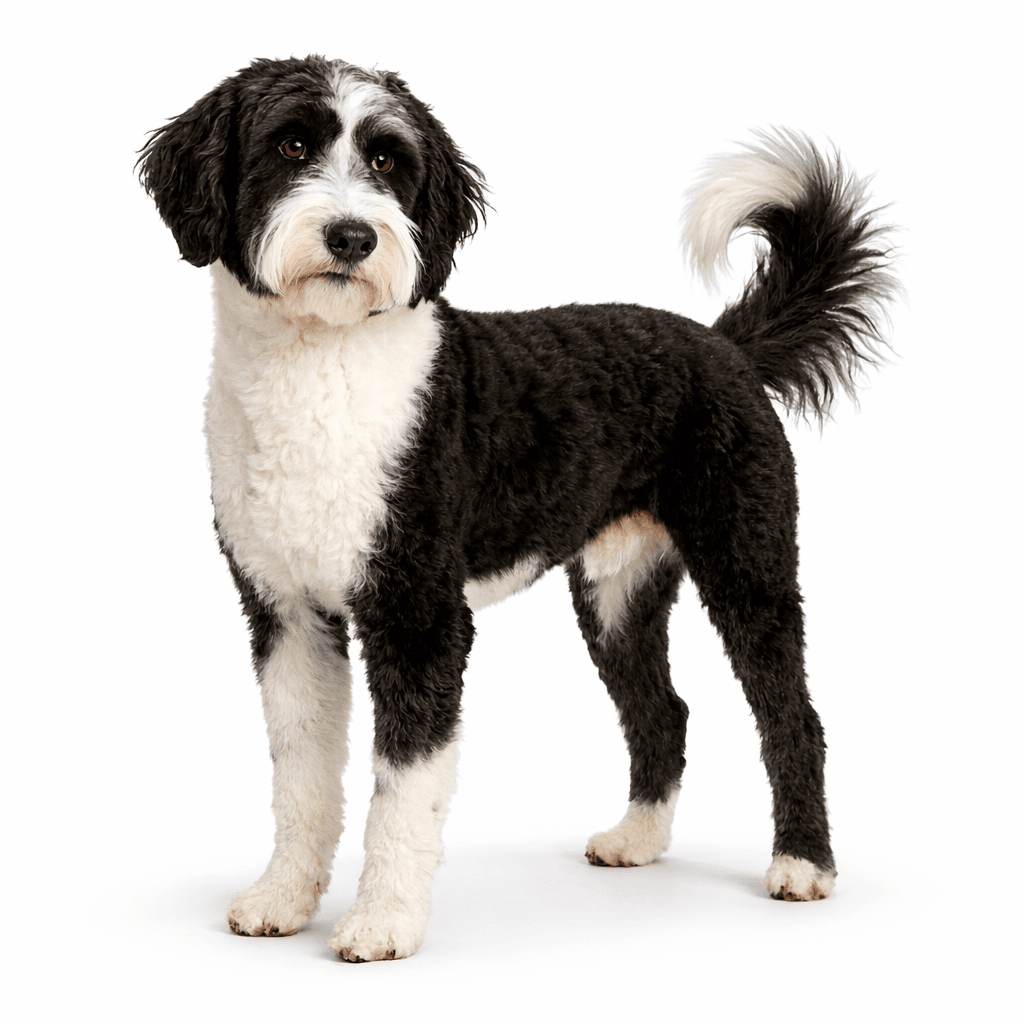
Sheepadoodle dogs are affectionate, intelligent dogs created as a result of Old English Sheepdog Poodle mix. They are playful, people-oriented companions who form strong bonds with their families and thrive on attention. Thanks to their Poodle heritage, many Sheepadoodles are low-shedding, though coat type can vary. With proper training and socialization, they can also do well as therapy or service dogs because they are eager to learn and highly trainable. Sheepadoodle service dogs need regular exercise and mental stimulation to stay happy. Without enough activity, they may become bored and mischievous. Overall, Sheepadoodles do best in active homes where they can be fully involved in family life.
The Sheepadoodle dog breed began appearing in the 1960s, when breeders experimented with crossing the Old English Sheepdog and the Poodle. The Old English Sheepdog is a natural herder, and the Poodle is a skilled water retriever, so combining these Sheepadoodle traits created an intelligent and versatile companion. The breed gained wider popularity during the 2000s designer dog boom, following the rise of mixes like the Goldendoodle.
Modern breeders aim to blend intelligence, trainability, and lower-shedding coats. Sheepadoodles are often described as slightly calmer than Goldendoodles, with thicker and fluffier coats than Labradoodles.
The Sheepadoodle is not recognized by the American Kennel Club (AKC) because it is a crossbreed between the Old English Sheepdog and the Poodle. The AKC only registers purebred dogs with established breed standards. However, both parent breeds are individually recognized by the AKC.
Do Sheepadoodles shed? Sheepadoodles are generally low-shedding, especially those with curlier Poodle-like coats, though straighter coats may shed more. Because they shed less and release less hair and dander, some people with mild allergies may tolerate them better. While they’re commonly labeled as hypoallergenic, this simply means they may be less likely to trigger allergies—not that they won’t cause any reaction at all.
Disclaimer: The term "hypoallergenic" refers to dog breeds that are less likely to trigger allergic reactions, not breeds that are completely allergy-free. These dogs may shed less, have hair instead of fur, or produce lower levels of dander—all factors that can reduce, but not eliminate, allergic responses in sensitive individuals.
What is a Sheepadoodle? Sheepadoodles do not have officially recognized size varieties. Because they are a cross between an Old English Sheepdog and a Poodle, their size depends largely on the size of the Poodle parent and individual genetics.
Breeders commonly describe them using general size labels:
Mini/Miniature Sheepadoodle (typically from a Miniature Poodle parent)
Weighs about 25–45 lb (11.3–20.4 kg)
Stands roughly 15–20 in (38–51 cm) tall
Standard Sheepadoodle (typically from a Standard Poodle parent)
Weighs about 60–85 lb (27–38.5 kg)
Stands roughly 20–24 in (51–61 cm) tall
Sheepadoodles have dense coats that range from wavy to curly. Common colors include black and white, gray and white, and patterns such as parti or phantom.
Their traits may also vary depending on generation:
F1 Sheepadoodle: First-generation cross (Old English Sheepdog × Poodle)
F1B Sheepadoodle: Backcrossed to one parent breed (often Poodle for a curlier coat)
F2 Sheepadoodle: Bred from Sheepadoodle parents for more consistent traits
Because this is a mixed breed, variation in size, coat type, and temperament is normal. Anyone considering a Sheepadoodle should look for a responsible breeder who performs health testing and prioritizes overall well-being.
Living with a Sheepadoodle can be incredibly rewarding — as long as you are prepared for the commitment. These dogs are affectionate, loyal, and deeply attached to their people. They do not handle long periods alone very well and may develop separation anxiety if left by themselves too often.
Sheepadoodles are intelligent and people-oriented. They usually want to be involved in everything you do and thrive in homes where someone is around for much of the day. Because of their thick, often curly coats, they also require consistent grooming, including regular brushing and professional trims to prevent matting.
The relatively long life expectancy of a Sheepadoodle makes them a significant commitment. Prospective owners should be ready for long-term care, training, exercise, and grooming needs. Overall, they are considered a healthy crossbreed, especially when responsibly bred from health-tested parents.
The Sheepadoodle lifespan is 12–15 years. While they may benefit from hybrid vigor, health screening and responsible breeding are still essential..
Some health conditions seen in Sheepadoodles include:
Hip Dysplasia
A developmental joint condition that affects both Poodles and Old English Sheepdogs. Reputable breeders screen parent dogs through organizations such as OFA or PennHIP.
Bloat (Gastric Dilatation-Volvulus, GDV)
A life-threatening emergency where the stomach fills with gas and may twist. Feeding smaller meals, avoiding intense activity right after eating, and using slow-feeder bowls may help reduce risk, but it cannot be completely prevented.
Eye Conditions
These may include cataracts, progressive retinal atrophy (PRA), corneal dystrophy, and distichiasis (abnormal eyelash growth). Regular veterinary eye exams are important, especially if you notice redness, discharge, or cloudiness.
An adrenal gland disorder more commonly seen in Poodles. It is manageable with lifelong treatment, but an Addisonian crisis requires immediate emergency care.
Hypothyroidism
A hormonal condition that can cause lethargy, weight gain, and coat changes. It is typically managed with medication and regular monitoring.
Skin and Coat Issues
Their dense coat can trap moisture if not properly dried and maintained, which may lead to irritation or infections. Consistent grooming and thorough drying after baths or swimming are important.
With proactive care and regular checkups, many Sheepadoodles live long, healthy lives.
Sheepadoodle puppies typically need three to four meals per day to support steady growth and stable energy. Most adults do well on two meals per day.
Because larger Sheepadoodles can be deep-chested, they may have a higher risk of gastric dilatation-volvulus (GDV), or bloat. While it cannot be fully prevented, you can help reduce risk by:
Feeding two or three moderate meals instead of one large meal
Avoiding intense exercise 30–60 minutes before and after eating
Keeping mealtimes calm
Avoiding elevated food bowls unless advised by your veterinarian
Choose a high-quality, complete, and balanced diet that meets AAFCO standards for your dog’s life stage and size. Standard Sheepadoodles may benefit from large-breed formulas during growth, while smaller individuals may do better on small- or medium-breed formulas.
The amount a Sheepadoodle should eat depends on their weight, activity level, metabolism, and the calorie density of their food. The guidelines below are general estimates for a healthy adult Sheepadoodle eating two meals per day. Always adjust portions based on body condition and your veterinarian’s advice.
Weight range: 25–45 lb (11–20 kg)
Food per meal: 0.9–1.5 cups
Weight range: 60–85 lb (27–39 kg)
Food per meal: 1.5–2.3 cups
Calorie needs vary from dog to dog. Highly active Sheepadoodles may require slightly more food, while less active individuals may need smaller portions to prevent weight gain. Maintaining a healthy weight is important for joint health and long-term mobility. Regular weigh-ins and body condition checks can help ensure you are feeding the right amount.
Larger individuals may benefit from foods containing joint-supporting nutrients such as glucosamine, chondroitin, and omega-3 fatty acids.
Consult your veterinarian before adding any supplements.
Measure meals carefully, as Sheepadoodles are often food-motivated and can gain weight easily.
Avoid free-feeding to help maintain a healthy body condition.
Some may be picky eaters, especially if they inherit that trait from their Poodle parent.
Rotating approved protein sources may help prevent food boredom, but introduce changes gradually.
Always provide fresh, clean water at all times.
Sheepadoodles bond deeply with their families and are typically affectionate, patient, and playful. With early socialization, they usually do well with children and other pets.
They are sensitive and emotionally attuned to their people, often expressing themselves through eye contact and body language. Naturally alert, they can make good watchdogs, though they are not generally aggressive when properly trained.
Sheepadoodles are highly people-oriented and may develop separation anxiety if left alone for long periods. They can be alert barkers but are not typically excessive. Early socialization with children, other pets, and new environments helps build confidence and manage their natural herding instincts.
Intelligent and energetic, they can become destructive if bored. Regular exercise, mental stimulation, and “jobs” like trick training or scent games are essential. They respond best to positive reinforcement and consistent routines rather than harsh corrections.
Sheepadoodles are energetic and often enjoy activities like agility, obedience, swimming, fetch, hiking, and even snow play. They thrive when given consistent physical exercise and structured outlets for their energy.
They also benefit from mental challenges such as puzzle feeders, hide-and-seek, and scent games. Activities like nose work or therapy tasks can be especially fulfilling. Including the whole family in training and play helps keep them engaged, as they are happiest when involved with their people.
Check their skin weekly for dryness, redness, or irritation. Use a gentle, pH-balanced dog shampoo to help prevent reactions. Because their thick coat can hide problem areas, part the fur occasionally to check for hot spots or signs of allergies.
Sheepadoodles need consistent grooming. Shorter coats should be brushed 2–4 times per week, while longer or curlier coats often require daily brushing to prevent tangles and matting. Professional grooming every 6–8 weeks helps keep their coat healthy and manageable.
Shedding varies by coat type. Curlier coats usually shed less, while straighter coats may shed more. Even low-shedding coats require regular brushing and trimming, and some may gradually change color over time.
Keep the hair around their eyes trimmed to prevent irritation. Because they may be predisposed to certain eye conditions, annual veterinary exams are recommended. At home, watch for redness, discharge, squinting, or cloudiness.
Clean their ears weekly with a veterinarian-approved solution, especially after swimming. Their floppy ears can trap moisture, increasing the risk of infections. Check regularly for odor, redness, or discharge.
Trim their nails every 3–4 weeks. Overgrown nails can affect posture, gait, and overall joint comfort.
Living Space: Best in larger homes but can adapt to smaller spaces with enough daily exercise and attention.
Activity Needs: Requires 60–90 minutes of exercise daily plus mental stimulation.
Grooming: Needs brushing every 2–3 days (daily for longer coats) and professional grooming every 6–8 weeks.
Temperament: Playful, affectionate, loyal, and highly people-oriented.
Best For: Active families or individuals who are home often and can provide consistent engagement.
Sheepadoodles are best suited for active families where someone is home most of the day. Sheepadoodle energy levels are typically high, and they need regular exercise and mental stimulation. Because they are very people-oriented, they may develop separation anxiety if left alone for long periods.
They thrive on companionship, structure, and engagement. This is not a low-maintenance breed, and common challenges include boredom-related behaviors and moderate alert barking when under-stimulated. Consistent physical activity, training, and enrichment are essential.
Puppies typically cost $1,500–$3,500, not including ongoing expenses like food, grooming, and veterinary care. Their thick coat suits cooler climates, while hot weather requires cooling precautions. Adoption is worth considering if you are prepared to meet their exercise, grooming, and companionship needs.
How big does a Sheepadoodle get?
A full size Sheepadoodle is commonly described using breeder terms such as Mini (25–45 lb / 11.3–20.4 kg, 15–20 inches / 38–51 cm tall) and Standard (60–85 lb / 27–38.5 kg, 20–24 inches / 51–61 cm tall), though size ultimately depends on the Poodle parent and genetics, and labels like “Micro” are not officially recognized classifications.
Is a Sheepadoodle hypoallergenic?
No dog is truly hypoallergenic, but the Sheepadoodle is generally considered a low-shedding breed, especially when they inherit a curlier coat.
How long do Sheepadoodles live?
The Sheepadoodle life expectancy is 12–15 years on average.
How much do Sheepadoodles cost?
They typically cost $1,500–$3,500, not including ongoing expenses such as food, grooming, training, and veterinary care.
What is the difference between a Sheepadoodle vs. Goldendoodle?
Both are Poodle crossbreeds. A Sheepadoodle is a Sheepdog Poodle mix, while a Goldendoodle is a Poodle crossed with a Golden Retriever. Temperament and coat type can vary depending on genetics.
Are Sheepadoodles high maintenance?
Yes. They have high attention and grooming needs and can be prone to separation anxiety if left alone too often.
Does Sheepadoodle shed?
They are considered low- or non-shedding compared to many breeds, though shedding levels vary depending on coat type.
Are Sheepadoodles aggressive?
They are unlikely to be aggressive. As an English Sheepdog Poodle mix, they may alert bark but are generally friendly and affectionate when well-socialized.
Are Sheepadoodles smart?
Yes. They are highly intelligent and trainable, largely thanks to their Poodle ancestry.
Are Sheepadoodles good guard dogs?
Generally speaking, no. As an English Sheepdog Poodle mix, they are good watchdogs and may alert bark, but their sweet and friendly nature means they are more likely to greet strangers than deter them.
Recommended by top vets with decades of experience
21 breeds
64 genetic health markers
50 genetic trait markers
