Is this breed part of your dog’s ancestry?
Discover your dog's connection to this breed and 200+ others



Discover your dog's connection to this breed and 200+ others
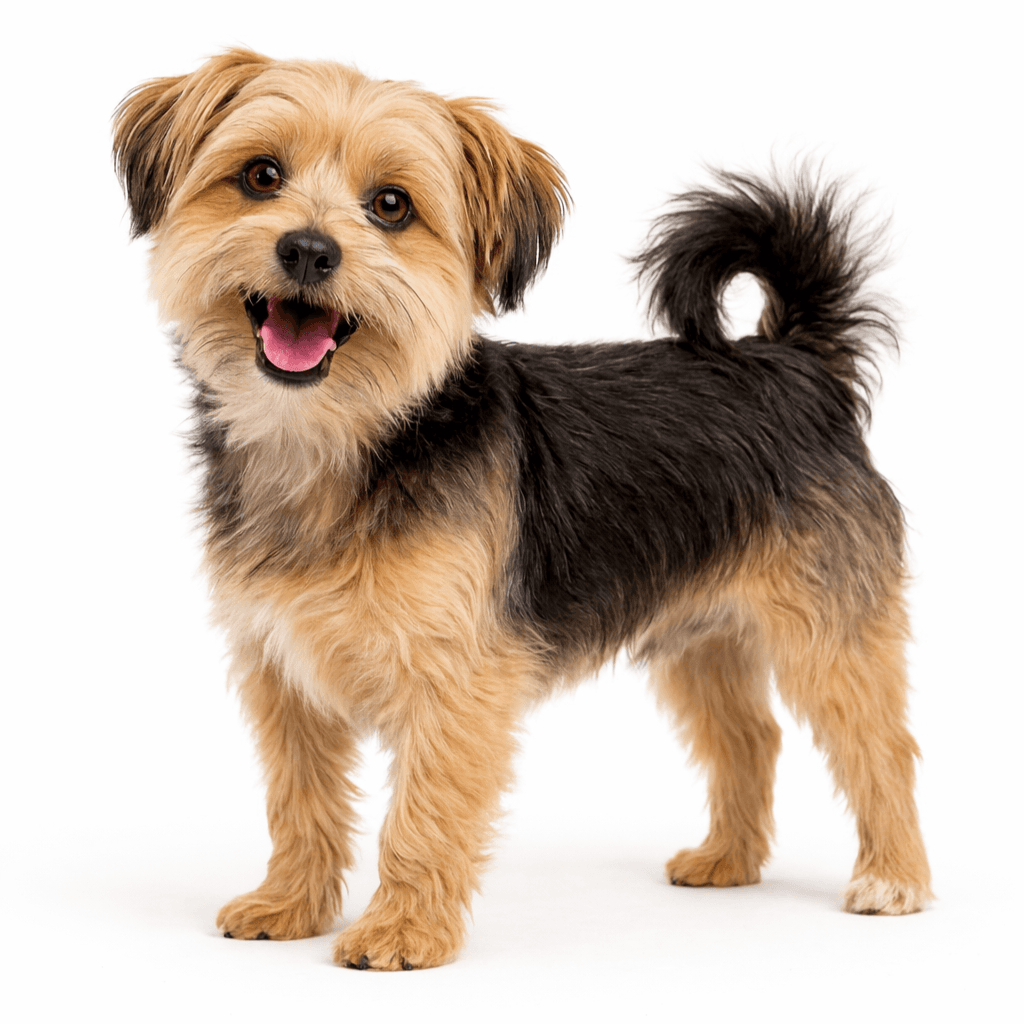
What is a Shorkie? A Shorkie is a small designer dog created by crossing a Shih Tzu with a Yorkshire Terrier. This mixed breed is known for their affectionate personality, lively nature, and strong attachment to their family. Shorkies are friendly companion dogs that enjoy attention and daily interaction. With early socialization, gentle training, and regular grooming, they can adapt well to many homes and make devoted pets.
Shorkies are a designer hybrid breed created by crossing a Yorkshire Terrier (Yorkie) with a Shih Tzu. They likely originated in the United States in the early 2000s during the peak of the designer dog movement, although similar crosses may have occurred earlier by accident. They are a Yorkie Shih Tzu mix developed as a small companion dog that combines the affectionate nature and lively personality of both parent breeds.
Shorkie dogs are not recognized by the American Kennel Club (AKC) because they are a mixed breed. However, they may be registered with hybrid and designer dog organizations such as the American Canine Hybrid Club (ACHC) and similar registries.
Shorkies are often marketed as hypoallergenic dogs because they tend to have low-shedding coats inherited from the Shih Tzu and Yorkshire Terrier. However, no dog is completely allergy-free, and individual reactions can still vary.
Disclaimer: The term "hypoallergenic" refers to dog breeds that are less likely to trigger allergic reactions, not breeds that are completely allergy-free. These dogs may shed less, have hair instead of fur, or produce lower levels of dander—all factors that can reduce, but not eliminate, allergic responses in sensitive individuals.
The Shorkie is a small dog with a lively personality. Most have a compact body, a rounded face, and a soft, flowing coat that gives them a plush appearance.
Shorkie size:
Weights 5–15 lb (2.3–6.8 kg)
Stands 6–11 inches (15–28 cm) tall
They usually have a straight to slightly wavy, silky coat that sheds very little but requires regular brushing and routine grooming to prevent tangles. Coat colors vary widely and may include black and tan, gold, brown, red, or mixed shades, while fully solid colors are less common.
A Shorkie’s adult size depends mostly on the size of the parent dogs, with smaller parents typically producing smaller puppies. The breeding generation can also influence their appearance and traits:
F1 Shorkie: A Yorkshire Terrier + a Shih Tzu. This first-generation mix often shows a balanced combination of traits from both breeds, including a silky, low-shedding coat and a lively yet affectionate temperament. Appearance and coat texture can vary, but many inherit the Yorkie’s finer hair and the Shih Tzu’s fuller coat.
F1B Shorkie: A Shorkie + either a Shih Tzu or a Yorkshire Terrier. This generation is often produced to create a more predictable coat type, sometimes with even less shedding, and may also reinforce certain physical or temperament traits from the chosen parent breed.
F2 Shorkie: Shorkie + Shorkie. In this generation, there is often more variation in coat type, color, size, and personality, since the traits from the original parent breeds can appear in different combinations
While breeders aim for certain characteristics, some variation is normal in all generations because Shorkies are a mixed breed.
As Yorkie Shih Tzus, these compact dogs usually adapt well to apartment living, provided they receive regular walks, playtime, and mental stimulation. Their small size makes them comfortable in smaller spaces, but they still need daily activity to stay healthy and engaged.
They often form a strong bond with one main caregiver and enjoy being close to their family throughout the day. Because of this attachment, some may develop separation anxiety if left alone for long periods. Early socialization and consistent training help build confidence and can reduce behaviors such as excessive barking.
Like all dog breeds, Shih Tzu Yorkie mixes can be prone to certain health conditions, many of which are inherited from their parent breeds.
A common issue in small dogs where the kneecap slips out of place. Signs can range from occasional skipping or limping to more persistent lameness.
Dental Disease
Toy breeds often develop dental crowding, tartar buildup, and periodontal disease because of their small mouths. Regular tooth brushing and routine veterinary dental cleanings help prevent problems.
A liver condition seen more often in Yorkshire Terriers in which blood bypasses the liver. It can affect growth and overall health, and early diagnosis through veterinary testing is important.
This condition occurs when the cartilage rings of the windpipe weaken, leading to a characteristic honking cough. Using a harness instead of a collar can help reduce pressure on the neck.
Eye Issues
Some Shorkies may develop eye conditions such as cataracts, dry eye (keratoconjunctivitis sicca), or progressive retinal atrophy (PRA). Regular eye checks and keeping hair trimmed away from the eyes can help maintain eye health.
Low blood sugar is more common in Shorkie puppies and very small adults. Feeding small, regular meals and watching for signs like lethargy, trembling, or weakness is important.
Brachycephalic Airway Syndrome (BOAS)
If a Shorkie inherits the shorter snout of the Shih Tzu, they may have mild breathing difficulties, snoring, or reduced exercise tolerance. Keeping them at a healthy weight and avoiding overheating can help manage symptoms.
A full-grown shih tzu yorkie mix usually does best on high-quality commercial dog food formulated for toy or small breeds. Small-breed kibble is designed to meet their higher metabolic needs and is easier for their small mouths to chew. Look for foods where a quality protein source—such as chicken, turkey, or fish—is listed as the first ingredient.
When choosing dog food, make sure it meets AAFCO standards and is labeled as providing complete and balanced nutrition for the dog’s life stage. Fresh, clean water should always be available to support digestion, kidney function, coat health, and overall well-being.
Portion sizes for a Yorkie and Shih Tzu mix depend on the dog’s age, weight, activity level, and the specific food being used. The following amounts are general guidelines:
Weight range: 5–7 lb (2.3–3.2 kg)
Food per meal: 0.125–0.25 cup
Weight range: 7–10 lb (3.2–4.5 kg)
Food per meal: 0.25–0.375 cup
Weight range: 10–12 lb (4.5–5.4 kg)
Food per meal: 0.375–0.5 cup
These amounts are estimates only. Exact portions may vary depending on metabolism, whether the dog is spayed or neutered, and their daily activity. Puppies usually need smaller, more frequent meals (3–4 per day) to help maintain stable blood sugar levels.
Feed 2–3 small meals per day for adults; 3–4 meals daily for puppies to help prevent hypoglycemia.
Keep treats to under 10% of your dog’s total daily caloric intake to reduce the risk of weight gain.
Monitor your Shorkie’s body condition score regularly—you should be able to feel the ribs but not see them.
Avoid sudden diet changes, which can upset digestion; transition to new food gradually over 7–10 days.
Consult a veterinarian before adding any supplements to your Shorkie’s diet.
What is a Shorkie dog like? Shorkies are affectionate, people-focused dogs that enjoy close contact with their family. They are happiest when they are near their favorite person and included in everyday household activities.
Shorkies often form a strong bond with one main caregiver, which can lead to overdependence if boundaries and independence are not encouraged early. This mix combines the Yorkshire Terrier’s confident, spirited energy with the Shih Tzu’s friendly, people-loving nature. As a result, Shorkies are lively, curious, and charming companions, though they can sometimes be a bit stubborn and may test limits without consistent training.
Shorkies tend to be vocal and alert, often barking at unfamiliar sounds or visitors due to their terrier instincts, which can make them good watchdogs but sometimes challenging in apartments. Early training helps manage excessive barking. Some may inherit the Yorkshire Terrier’s prey drive, leading to chasing small animals, though this can be managed with proper training and mental stimulation. They may also develop separation anxiety if left alone too long. With good socialization, Shorkies can live peacefully with other pets, but interactions with very young children should be supervised because of their small, delicate size.
Short daily walks: About 15–20 minutes, once or twice a day
Obedience games and basic command or trick training using positive reinforcement (Shorkies are quick learners)
Puzzle toys and interactive feeders for mental stimulation
Light indoor fetch sessions or toy play
The Shorkie’s dense, silky coat can trap moisture and debris close to the skin, which may lead to irritation or infections if not maintained properly. Bathing every 3–4 weeks is typical, depending on activity level and how dirty the coat becomes. Avoid over-bathing, as it can strip natural oils and cause dryness.
Their hair-like coat grows continuously and tangles easily, especially around the ears, armpits, and hindquarters, so daily brushing is recommended. A slicker brush and fine-toothed comb work well. Professional grooming every 4–6 weeks helps keep the coat manageable. Many owners choose a short “puppy cut” for easier maintenance.
Hair around the eyes can irritate them and cause tearing. Keep this area trimmed and clean it regularly with a damp cloth or dog-safe eye wipe. Tear staining can occur; if it becomes excessive or is accompanied by discharge, consult a veterinarian.
Shorkies may be prone to ear infections because hair inside the ear canal can trap moisture. Check ears weekly for redness, odor, or discharge, and follow your veterinarian’s advice on safe cleaning.
Trim nails about every 3–4 weeks, or as needed depending on growth. If trimming at home is difficult, a groomer or veterinarian can handle it during routine visits.
Small breeds like Shorkies are prone to dental problems. Brush their teeth several times a week with dog-safe toothpaste and schedule regular veterinary dental checkups to help prevent tartar buildup and gum disease.
Living Space: Apartment-friendly with regular daily walks
Activity Needs: About 30–45 minutes of daily exercise and mental stimulation
Grooming: Daily brushing at home plus professional grooming every 4–6 weeks
Temperament: Affectionate, loyal, people-focused, and sometimes stubborn
Best For: First-time owners who can commit to grooming and close companionship
Before getting a Shorkie, consider whether you can meet their grooming, feeding, exercise, and training needs. These dogs form strong bonds with their primary person and may feel uneasy when left alone for long periods. If your schedule often involves long workdays or frequent travel, it’s important to plan for their care and companionship. Patience, consistent training, and early socialization help them grow into well-adjusted pets.
A Shorkie puppy from a breeder typically costs about $1,200–$2,500, though prices can be higher depending on the breeder’s reputation, lineage, and location. In some cases, premium puppies may cost $1,500–$4,000 or more, while adoption fees from shelters are usually much lower.
Shorkies usually live 12–15 years, so prospective owners should be prepared for a long-term commitment to routine care, companionship, and grooming.
How big does a Shorkie get?
They typically weigh 5–15 lb (2.3–6.8 kg) and stand about 6–11 inches (15–28 cm) tall.
Is a Shorkie hypoallergenic?
No dog is truly hypoallergenic, but Shorkies usually shed very little thanks to their Shih Tzu and Yorkshire Terrier heritage.
How long do Shorkies live?
Shorkies generally live 12–15 years with proper care, a balanced diet, and regular veterinary checkups.
How much do Shorkies cost?
Shorkie puppies typically cost $1,200–$2,500 USD from reputable breeders, though prices may vary by location, lineage, and breeder reputation.
What is the difference between Shorkies vs. Yorkshire Terriers?
Shorkies are a Shih Tzu Yorkie mix, so they often have a slightly different appearance and temperament than a purebred Yorkshire Terrier. They may be a bit more easy-going and can have a softer, lower-shedding coat.
Are Shorkies high maintenance?
Their long coats require regular grooming, but their moderate exercise needs make them manageable for many owners.
https://www.aafco.org/consumers/understanding-pet-food/ingredient-standards/
https://vcahospitals.com/know-your-pet/portosystemic-shunt-in-dogs
https://vcahospitals.com/know-your-pet/keratoconjunctivitis-sicca-kcs-or-dry-eye-in-dogs
https://vcahospitals.com/know-your-pet/brachycephalic-airway-syndrome-in-dogs
https://www.ufaw.org.uk/dogs/shih-tzu-brachycephalic-airway-obstruction-syndrome
https://www.pdsa.org.uk/pet-help-and-advice/pet-health-hub/symptoms/tear-staining-in-dogs
Recommended by top vets with decades of experience
21 breeds
64 genetic health markers
50 genetic trait markers
