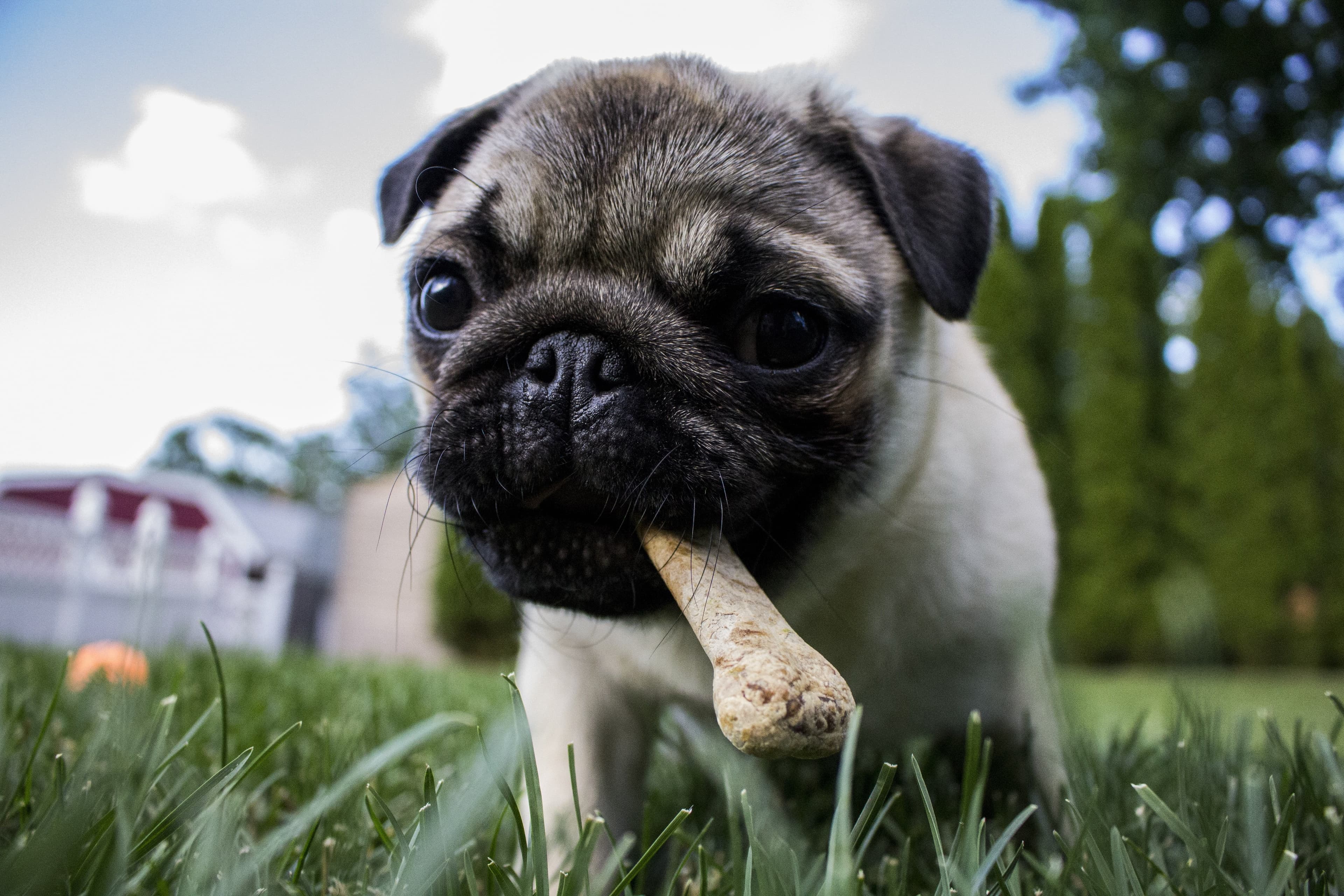

Can dogs eat chicken bones? It happens in seconds—you're out for a walk or clearing the dinner table, and suddenly your dog snatches and swallows a chicken bone. They may look fine, but cooked chicken bones can be dangerous. These bones are brittle and prone to splintering, which can lead to choking, internal injuries, or life-threatening blockages.
This guide will walk you through the risks of chicken bones, what to do if your dog eats one, when to call the vet, and how to prevent it from happening again. If you're a dog parent, this is essential knowledge—because knowing how to act fast could make all the difference.
Can Dogs Eat Chicken Bones?
According to Sandra C. Mitchell, DVM, DABVP, dogs should never eat chicken bones. Whether cooked or raw, they can pose serious health hazards and should be avoided entirely.
Why Cooked Chicken Bones Are Dangerous
Here are the main reasons why the answer to “Are chicken bones bad for dogs?” is a definite yes:
1. They splinter easily
Cooked chicken bones for dogs become brittle and can shatter into sharp fragments. These shards can pierce your dog’s mouth, throat, stomach, or intestines, leading to severe pain and potentially life-threatening injuries.
2. They pose a choking hazard
Small or jagged pieces may get stuck in the mouth, windpipe, or esophagus, causing choking, gagging, or panic. In some cases, immediate emergency care is required.
3. They can cause internal blockages
Even if swallowed whole or in large pieces, bones can become lodged in the stomach or intestines, resulting in dangerous and often costly gastrointestinal obstructions that may require surgery.
4. They can lead to perforation or internal bleeding
A splintered bone can tear the lining of the digestive tract, causing internal bleeding, peritonitis, or infection. These conditions are life-threatening if not treated promptly.
5. They carry bacterial contamination
Raw chicken bones may contain harmful bacteria such as Salmonella or E. coli, which can cause vomiting, diarrhea, fever, or serious infections—not just in dogs, but also in humans through handling or exposure.
Raw vs. Cooked Chicken Bones for Dogs
Some pet owners who follow the Biologically Appropriate Raw Food (BARF) diet believe that raw bones are safer for dogs than cooked ones. To an extent, they are correct—raw bones are generally softer and more pliable, which makes them less likely to splinter. This flexibility helps them maintain their shape while a dog chews.
So, can you give dogs chicken bones if they are cooked? No—cooked bones are much more dangerous. They tend to become brittle and can easily splinter into sharp fragments that may injure your dog’s mouth, throat, or digestive tract. Consider the story of Molly the rescue dog, who required emergency care after swallowing a cooked chicken bone found on the street.
That said, “less dangerous” doesn’t mean safe. While raw bones are less likely to splinter, they still come with serious risks:
They can carry harmful bacteria like Salmonella or E. coli, potentially causing severe illness in dogs—and even in humans who handle the bones.
Large or improperly chewed raw bones can still cause blockages or choking.
Raw bones may also fracture a dog’s teeth, especially if the bones are dense or the dog is an aggressive chewer.
At the end of the day, neither cooked nor raw chicken bones are truly safe.
Cooked bones are especially dangerous due to their tendency to break into sharp splinters, leading to choking, gastrointestinal perforation, and intestinal blockages.
Raw bones may be slightly safer in terms of structure, but they come with bacterial risks and potential dental injuries.
Always consult your veterinarian before adding any type of bone to your dog’s diet, and consider safer alternatives like vet-approved dental chews or specially formulated synthetic bones designed for safe chewing.

Dog Ate Chicken Bones – What Should You Do?
“Help! My dog ate a chicken bone!” If your dog snatched a chicken bone from the street or dug one out of the trash, don’t panic just yet. In many cases, the bone will pass harmlessly through their digestive system and appear in their stool within a day or two. However, even if your dog seems fine at first, it's important to stay calm, be proactive, and take the right steps to minimize potential harm.
What to Do if Your Dog Ate a Chicken Bone
1. Feed Them Something Soft and Bulky
If your dog is eating normally, offer a small portion of something soft like plain white bread, cooked rice, or canned pumpkin (unsweetened). These foods can help cushion the bone fragments, reducing the risk of sharp edges causing internal injuries.
2. Monitor Closely for Warning Signs
Keep a close watch on your dog over the next 48–72 hours. Contact your veterinarian immediately if you notice any of the following symptoms:
Vomiting or retching
Diarrhea, especially if bloody
Signs of pain (whining, restlessness, tense or hunched posture)
Choking, gagging, or frequent coughing
Difficulty breathing or swallowing
Lethargy, weakness, or refusal to eat
3. Puppies Require Extra Caution
If your dog is a puppy, call your vet right away. Puppies have smaller, more fragile digestive tracts, which makes them especially vulnerable to injuries caused by splintered bones.
4. Stay Calm and Avoid Scolding
Don’t yell, chase, or punish your dog. Reacting strongly may scare your pet into swallowing quickly the next time they grab something dangerous. Instead, remain calm, speak gently, and focus on keeping them safe.
5. When in Doubt, Call Your Vet
Even if your dog seems fine, it’s always better to consult your veterinarian. A quick call can help assess the situation based on your dog’s size, breed, age, and the amount and type of bone ingested. It’s the best way to gain peace of mind—and potentially catch a serious issue early.
Chicken Bone Dog Symptoms to Watch Out For
Mild Symptoms
These symptoms may indicate that your dog is experiencing minor discomfort as the bone passes through their digestive system:
Slight discomfort or restlessness
Temporary loss of appetite
Mild diarrhea
Light drooling
Occasional coughing or gagging
Straining during bowel movements (but still able to pass stool)
Bone fragments visible in stool
While these signs may seem mild, it’s essential to monitor your dog very closely. Keep a journal of any symptoms, times, or changes you observe. This record can be invaluable during a vet consultation. If your dog’s symptoms worsen or any new ones appear, do not delay—contact your veterinarian. What seems minor at first can quickly escalate into something more serious.
Serious Symptoms
If your dog has eaten a chicken bone and shows any of the following, contact your vet immediately or head to the nearest emergency veterinary clinic:
Vomiting, especially with blood
Bloody or black, tar-like stool
Excessive drooling or signs of nausea
Lethargy or sudden weakness
Abdominal bloating or signs of pain (whining, guarding the belly)
Difficulty breathing, persistent coughing, or choking
Constipation or inability to pass stool (tenesmus)
Pale gums, rapid heartbeat, or other signs of shock
These symptoms may indicate life-threatening complications, such as choking, intestinal perforation, internal bleeding, or a severe obstruction. In these cases, every minute counts—prompt veterinary care can be the difference between life and death.
When to See a Vet Immediately
You should seek veterinary help right away if any of the following apply:
Your dog is vomiting or has bloody stool
This may signal internal bleeding or damage from bone splinters—both are medical emergencies.
Your dog is choking, coughing, or struggling to breathe
A bone might be lodged in the throat or airway, which can quickly become life-threatening.
Your dog seems lethargic, weak, or in pain
These signs could indicate internal injury, infection, or a blockage—some of which may require surgery.
Your dog hasn’t had a bowel movement in 24–48 hours
This may suggest an intestinal obstruction caused by a bone fragment.
You have a puppy or a small breed dog
Smaller dogs have narrower airways and more delicate digestive systems, making them more susceptible to serious injuries even from small bones.
Important: Symptoms may not appear immediately. Some can take hours or even days to develop. If you’re ever in doubt, don’t wait—call your vet and explain what happened. A quick consultation could save your dog’s life.

Home Remedies for Dog Who Ate Chicken Bones
These home remedies are only appropriate if your dog is acting normal—eating, drinking, and showing no signs of pain, vomiting, choking, or distress. If your dog displays any concerning symptoms, skip these steps and seek immediate veterinary care. Think of the tips below as supportive measures, not substitutes for professional treatment.
Monitor your pet closely for 48–72 hours
Keep a close eye on your dog’s behavior, appetite, stool, and energy levels. Some complications—like blockages or internal injuries—can take time to develop. Make notes if needed, as they can help your vet if symptoms appear later.
Feed soft, bulky foods
If your dog is eating, offer small portions of plain bread, pumpkin purée (unsweetened), cooked rice, or mashed sweet potato. These gentle, high-fiber foods may help “cushion” bone fragments and promote smoother passage through the digestive system. Following AAFCO standards may prove to be useful
Do not induce vomiting
Forcing your dog to vomit can make things worse. Bone fragments may get stuck on the way back up, causing choking or damage to the throat—and in some cases, leading to aspiration pneumonia.
Keep your dog well hydrated
Offer fresh, clean water at all times. You can also provide small amounts of low-sodium broth. Hydration helps support digestion and overall well-being. Let your dog drink at their own pace—avoid forcing fluids.
Minimize activity and stress
Keep your dog calm and avoid vigorous exercise, rough play, or long walks. Excessive movement could worsen a potential internal injury or shift bone fragments into dangerous positions.
When in doubt, call your vet. Even if your dog seems okay at first, symptoms can arise later. A quick phone consultation can offer guidance and peace of mind.
The Dog Chicken Bones Myth
Myth | Fact |
“Wolves eat bones, so dogs can too.” | Domestic dogs have evolved significantly from their wild ancestors. While wolves may chew raw bones and regurgitate indigestible parts, pet dogs have more sensitive digestive systems and are not equipped to handle bones in the same way. |
“Small bones are safe for small dogs and puppies.” | Actually, the opposite is true. Small dogs and puppies are at greater risk of choking or internal injury because their airways and digestive tracts are narrower and more delicate. |
“My dog has eaten bones before and was fine—so it’s safe.” | Just because nothing went wrong in the past doesn’t guarantee future safety. All it takes is one sharp splinter or blockage to cause a life-threatening emergency. |
“Raw bones are completely safe for dogs.” | While raw bones are less brittle and less likely to splinter than cooked bones, they still carry risks—especially bacterial contamination (e.g., Salmonella, E. coli) and even fractured teeth. |
“Bones keep my dog’s teeth clean.” | Some raw bones may help scrape plaque, but the risk of cracked teeth and other oral injuries is real. Safer alternatives like dental chews and professional cleanings are better options. |
“My dog knows not to swallow sharp pieces.” | Dogs don’t always chew carefully, especially when excited or anxious. Many dogs gulp down food or bones too fast, risking swallowed fragments that can injure or block their insides. |
“Bones provide calcium to dogs.” | Balanced, commercial dog food already contains the necessary levels of calcium. Feeding bones for this reason is unnecessary and not worth the potential danger. |
Final Tips on Preventing Chicken Bones for Dogs
Prevention is the best way to keep your dog safe from the dangers of chicken bones. With a few simple precautions, you can drastically reduce the risk of your dog swallowing something harmful. Here are practical steps to help keep chicken bones—and other dangerous items—out of reach:
Secure your trash bins
Use dog-proof bins with tight-fitting lids, especially in kitchens and outdoor areas where your dog can access discarded food.
Clear plates promptly
Never leave bones or scraps on low tables, countertops, or anywhere your dog can easily reach. Dogs are quick and opportunistic.
Use barriers where needed
Install baby gates or pet barriers to restrict access to dining areas or kitchens during meals or gatherings.
Educate visitors and children
Politely ask guests—notably children—not to feed your dog table scraps or bones, no matter how persuasive those puppy eyes might be.
Use a muzzle for scavengers
If your dog tends to grab food off the street during walks, consider a well-fitted muzzle as a safety precaution.
Train your dog in key obedience commands
Teaching commands like “leave it” and “drop it” can be life-saving and should be part of every dog’s basic training.
Preventing access to chicken bones is far easier—and much safer—than dealing with the potentially serious consequences afterward. A little caution today can spare your dog a lot of pain and risk tomorrow.
Conclusion
Can dogs eat chicken bones? Ideally, dogs should never eat chicken bones. Both cooked and raw chicken bones pose risks:
Cooked chicken bones are brittle and prone to splintering, which can cause perforations, internal bleeding, blockages, and other dangerous injuries.
Raw chicken bones, while less likely to splinter, still carry bacterial risks such as E. coli and Salmonella infections.
If you suspect your dog swallowed chicken bone, stay calm and monitor them closely. Watch for warning signs like difficulty breathing, choking, vomiting, straining during bowel movements, or unusual lethargy. If any of these occur, seek veterinary care immediately.
With the right knowledge and precautions, you can protect your furry friend from the dangers of chicken bones and ensure their health and happiness for years to come.
Frequently Asked Questions
Is it okay to give your dogs cooked chicken bones?
Never give your dog cooked chicken bones. They splinter easily and can cause choking, internal injuries, or dangerous blockages.
Can dogs eat chicken wing bones?
Cooked chicken wing bones are dangerous to dogs. They can result in bloody diarrhea and could even kill your pet.
Can chicken bones kill dogs?
Yes, both raw and cooked chicken bones can kill your dogs. Cooked chicken bones can splinter, causing bleeding, choking, and blockages. Raw bones can result in dangerous infections like Salmonella.
Can dogs digest chicken bones?
As per experts, chicken bones are slightly easier for dogs to digest compared to pork and beef bones, and usually dissolve once they reach the stomach. However, chicken bones still pose other hazards mentioned above, so it is best not to feed them to your dogs.