
Can Dogs Eat Greek Yogurt?
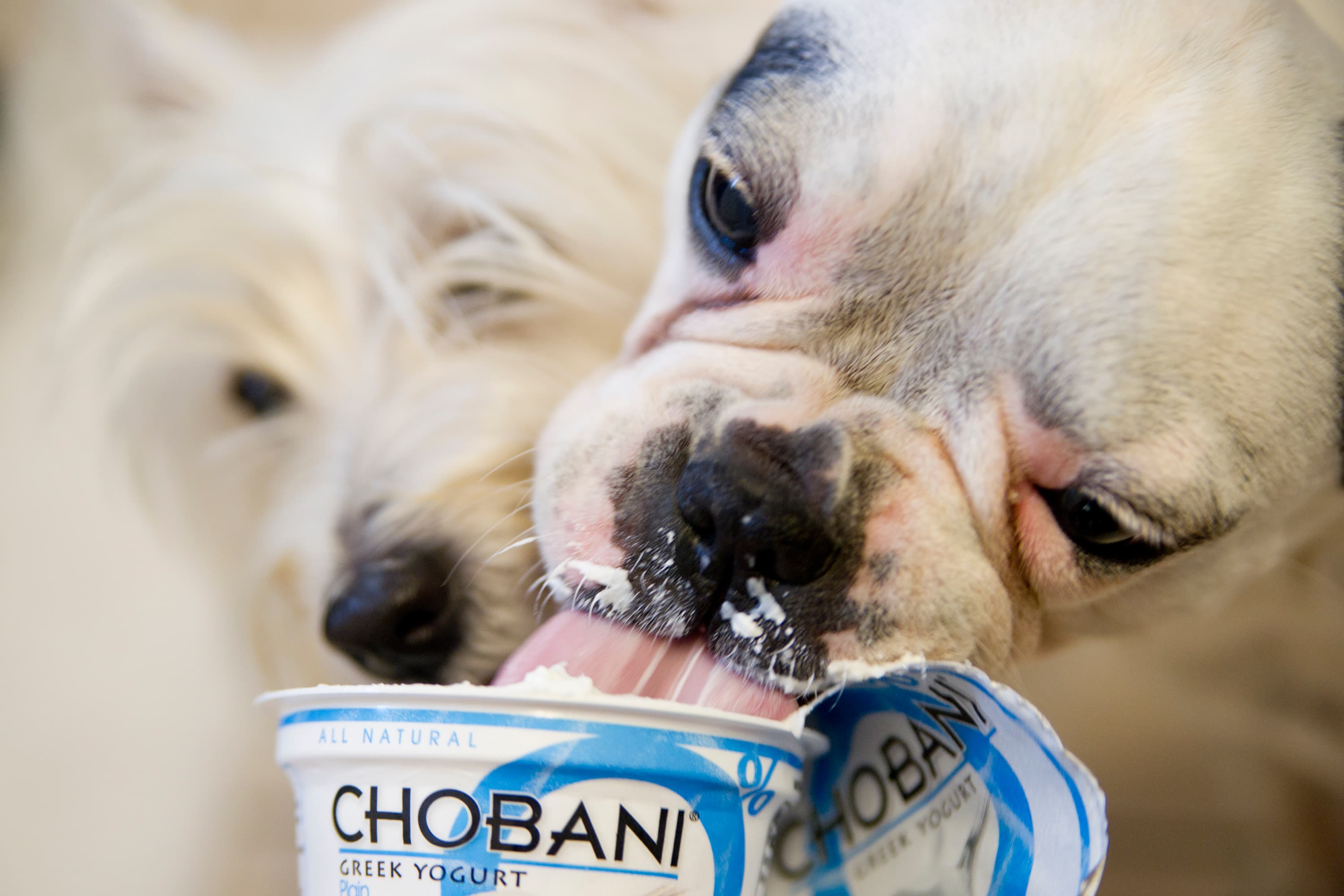
The answer to the common question, “Can dogs eat Greek yogurt?” is yes. Most dogs can safely enjoy Greek yogurt in moderation. However, it’s essential to choose plain, unsweetened yogurt that is free from harmful additives like xylitol, which is toxic to dogs even in small amounts.
Greek yogurt can offer some digestive benefits, thanks to its probiotics and high protein content. But not all yogurts are created equal, and some may do more harm than good if you’re not careful with ingredients or portion sizes.
Read on to learn everything you need to know before letting your furry friend lick the spoon.
Is Greek Yogurt Good for Dogs?
Can dogs have Greek yogurt? According to experts, including those at the American Kennel Club (AKC), the answer is yes—Greek yogurt can be a healthy, protein-rich treat for dogs, as long as it's given in moderation. It’s packed with probiotics that support digestion and gut health, and its thick, creamy texture makes it an appealing snack for many pups.
Compared to regular yogurt, Greek yogurt typically contains more protein and less lactose, which can make it easier for some dogs to digest. However, it’s important to note that some dogs are lactose intolerant and may experience stomach upset, gas, or diarrhea from any form of dairy, including Greek yogurt.
Always choose plain, unsweetened Greek yogurt without artificial sweeteners—especially xylitol, which is toxic to dogs. And as with any new food, consult your veterinarian before introducing Greek yogurt into your dog’s diet.
Use it as an occasional treat, not a meal replacement. Dogs thrive on a complete and balanced diet that includes high-quality animal protein, healthy fats, essential vitamins, and minerals.
Benefits of Yogurt for Dogs
Here is a list of the main benefits of yogurt for dogs:
Rich in protein, calcium, and vitamins, a 7-ounce or 200-gram serving of Greek yogurt contains almost 10 grams of protein.
It also contains calcium, magnesium, and phosphorus, which are beneficial for your dog’s bone health.
Greek yogurt is rich in vitamins like vitamin B12, selenium, and zinc.
The probiotics in Greek yogurt can boost your pet’s digestive health and immunity.
Greek yogurt is an ideal food for making dog treats.
It also enhances the taste of dry kibble or bland wet dog food for picky eaters.
Despite these benefits, dog parents must remember the 10% snack rule when it comes to feeding Greek yogurt to their dogs. This means that no more than 10% of your pet’s total daily calorie intake should come from treats like Greek yogurt. The remaining 90% should come from well-formulated dry dog food or canned wet food.

Is Yogurt Bad for Dogs?
While yogurt can offer some health benefits, it’s not always a safe choice for every dog. Here are two important reasons why yogurt may be harmful.
Xylitol toxicity
Many flavored yogurts contain added sugars or artificial sweeteners, particularly xylitol, which is extremely dangerous for dogs. Xylitol is often used to sweeten dairy products like yogurt, but even a tiny amount can be life-threatening to dogs.
Xylitol can cause a rapid drop in blood sugar (hypoglycemia) within just 30 minutes of ingestion. If left untreated, it may lead to seizures, liver failure, or even death within 12 to 24 hours. The American Kennel Club (AKC) strongly warns against feeding dogs any food containing xylitol.
Always read ingredient labels carefully, and never give your dog flavored or sweetened yogurts. Stick strictly to plain, unsweetened, xylitol-free Greek yogurt if you choose to share this treat.
Lactose intolerance
Even plain yogurt can cause issues for dogs who are lactose intolerant. These dogs lack sufficient levels of lactase, the enzyme needed to digest lactose (milk sugar), making it difficult for them to process dairy products like yogurt or milk.
Symptoms of lactose intolerance in dogs may include:
Vomiting
Diarrhea
Gas
Bloating
Abdominal discomfort
If you notice any of these symptoms after giving your dog yogurt, stop feeding it immediately and consult your veterinarian. In cases of severe intolerance, even small amounts of dairy can trigger uncomfortable or harmful reactions.
Pancreatitis
Some types of yogurt—especially full-fat or flavored varieties—can be very high in fat, which poses a risk for dogs, particularly if consumed regularly or in large quantities. Too much fat can irritate the digestive system and, in some cases, may trigger pancreatitis—a painful and potentially serious inflammation of the pancreas.
Pancreatitis can cause symptoms like vomiting, abdominal pain, loss of appetite, lethargy, and diarrhea. In severe cases, it may require hospitalization. To reduce this risk, always choose low-fat or fat-free plain Greek yogurt if you decide to give your dog a small serving.
In short, yogurt is not suitable for all dogs, and it can lead to digestive upset or more serious health issues in sensitive pets. Regardless of a dog’s tolerance for dairy, xylitol-sweetened yogurt is dangerous for all dogs and must be avoided entirely.
What Brand of Greek Yogurt Is Good for Dogs?
Always read the label when picking a Greek yogurt for dogs. Make sure it has the label ‘plain and unsweetened’. However, even some unsweetened yogurts still sneak in sweeteners like xylitol or stevia, which can harm your dog.
When choosing the best yogurt for dogs, opt for brands like FAGE, Chobani, and Siggi’s. But always double-check that they are plain, free from xylitol, and have no added sweeteners.

Can Puppies Have Greek Yogurt?
Yes, puppies can eat plain, unsweetened, xylitol-free Greek yogurt, but it should be introduced with extra caution. Puppies are often more sensitive to lactose than adult dogs, so it’s best to start with a very small amount and closely monitor for signs of digestive discomfort, such as vomiting, diarrhea, gas, or bloating. If any symptoms appear, discontinue use immediately and consult your veterinarian.
If your puppy tolerates it well, Greek yogurt can offer early probiotic support. The beneficial bacteria in yogurt may help balance the gut microbiome, promote healthy digestion, and even support immune function. However, it’s important to remember that yogurt should be used only as a supplement, not a substitute for a complete and balanced diet.
Young puppies require their mother’s milk until about 4 to 6 weeks of age, after which they should transition to a veterinarian-approved puppy food that meets all their nutritional needs for healthy growth and development.
How Much Greek Yogurt for Dogs?
The amount of Greek yogurt your dog can safely eat depends on their size, weight, and daily calorie requirements. As a general guideline, Greek yogurt should only be an occasional treat, not a dietary staple.
Dog Size | Weight Range | Daily Calorie Needs | Max Greek Yogurt per Day | Feeding Frequency |
Toy | Under 10 lbs | 200–300 calories | 1–2 teaspoons | 2–3 times per week |
Small | 10–20 lbs | 300–500 calories | 1–2 tablespoons | 2–3 times per week |
Medium | 20–50 lbs | 500–900 calories | 2–3 tablespoons | 2–3 times per week |
Large | 50–90 lbs | 900–1300 calories | 3–4 tablespoons | 2–3 times per week |
Giant | Over 90 lbs | 1300–1800+ calories | Up to 4 tablespoons (¼ cup) | 2–3 times per week |
Important Guidelines
Always consult your veterinarian before introducing Greek yogurt, especially if your dog has health conditions, allergies, or dietary sensitivities.
Follow the 10% rule: treats like Greek yogurt should make up no more than 10% of your dog’s total daily caloric intake, with the remaining 90% coming from a complete, balanced diet.
Plain, non-fat Greek yogurt typically contains 10–15 calories per tablespoon.
Calculate your dog’s daily calorie needs based on their age, weight, breed, and activity level. Adjust the portion if your dog is under- or overweight, or has special nutritional needs.
How to Introduce Greek Yogurt to Your Dog Safely
As with any new food, it’s important to introduce Greek yogurt to your dog gradually. Start with a very small amount and observe your pet closely over the next 24–48 hours. Watch for any signs of digestive upset, such as gas, bloating, diarrhea, or vomiting. If any symptoms appear, stop feeding yogurt immediately and consult your veterinarian. If your dog seems to tolerate it well, you can slowly increase the portion—while staying within the recommended serving sizes and calorie limits outlined in the feeding chart above.
There are many fun and creative ways to incorporate Greek yogurt into your dog’s diet:
Serve it plain as an occasional treat.
Use it as a topper on dry or wet food to add a creamy texture and extra nutrition.
Freeze small portions in silicone molds or ice cube trays to make cooling, bite-sized treats for hot days.
Dilute it with water to create a light, drinkable treat similar to buttermilk.
Mix in small amounts of dog-safe fruits like chopped strawberries, bananas, or seedless apple pieces for added flavor and fiber.
Important: Never combine Greek yogurt with toxic ingredients such as chocolate, xylitol-containing peanut butter, grapes, or raisins. These can be extremely harmful or even fatal to dogs, even in small amounts.
When to Avoid Giving Yogurt to Dogs
There are certain situations where it may be best to avoid feeding your dog Greek yogurt altogether. If your dog has any medical history, always consult your vet before feeding anything new, like Greek yogurt.
If your dog has known food sensitivities or intolerances, especially to lactose or dairy, Greek yogurt or even plain yogurt for dogs can cause digestive upset, even in small amounts, and should be avoided.
Likewise, full-fat Greek yogurt is not suitable for overweight dogs or those on a weight-loss plan.
Dogs with chronic gastrointestinal issues, such as pancreatitis or inflammatory bowel disease, may struggle to digest yogurt and could experience discomfort or flare-ups.
Additionally, if your dog is on a strict, vet-prescribed diet, always consult your veterinarian before introducing any new foods, including Greek yogurt for dogs. When in doubt, err on the side of caution.
Conclusion: Should You Give Your Dog Greek Yogurt?
Can dogs eat Greek yogurt? Yes—most dogs can enjoy plain, unsweetened, xylitol-free Greek yogurt in moderation. It can offer digestive benefits, especially due to its probiotic content, and may serve as a tasty, protein-rich treat.
However, not all dogs tolerate dairy well, and some may have underlying conditions like lactose intolerance, obesity, gastrointestinal sensitivity, or pancreatitis. That’s why it’s essential to consult your veterinarian before adding Greek yogurt to your pet’s diet.
When fed responsibly and as an occasional treat—not a daily staple—Greek yogurt can be a safe and nutritious addition to your dog’s routine.
Frequently Asked Questions
What does Greek yogurt do for dogs?
According to PetMD, small quantities of Greek yogurt can keep your dog full longer and also provide numerous digestive benefits to them.
Does Greek yogurt help dogs' digestion?
Yes, Greek yogurt is rich in probiotics, which can be great for your pet’s gut and digestive health.
Can dogs safely consume milk and yogurt?
Some dogs are lactose intolerant and cannot properly tolerate or digest milk and yogurt. Even small quantities of milk products can result in diarrhea, bloating, or flatulence.
Can dogs with sensitive stomachs eat yogurt?
Most dogs with sensitive stomachs can eat plain, unsweetened yogurt in small amounts. Avoid flavoured or sweetened varieties. If in doubt, check with your vet.
Is it safe to mix yogurt with Royal Canin pet food?
Yes, you can moisten Royal Canin kibble or canned food with a little plain yogurt to boost flavour and add nutritional benefits. Just ensure it is unsweetened and xylitol-free.
Can I give my dog plain yogurt for an upset stomach?
Yes, you can give your dog a small amount of plain yogurt to help soothe an upset stomach, thanks to its probiotic and digestive benefits.