
Can Dogs Eat Plums?
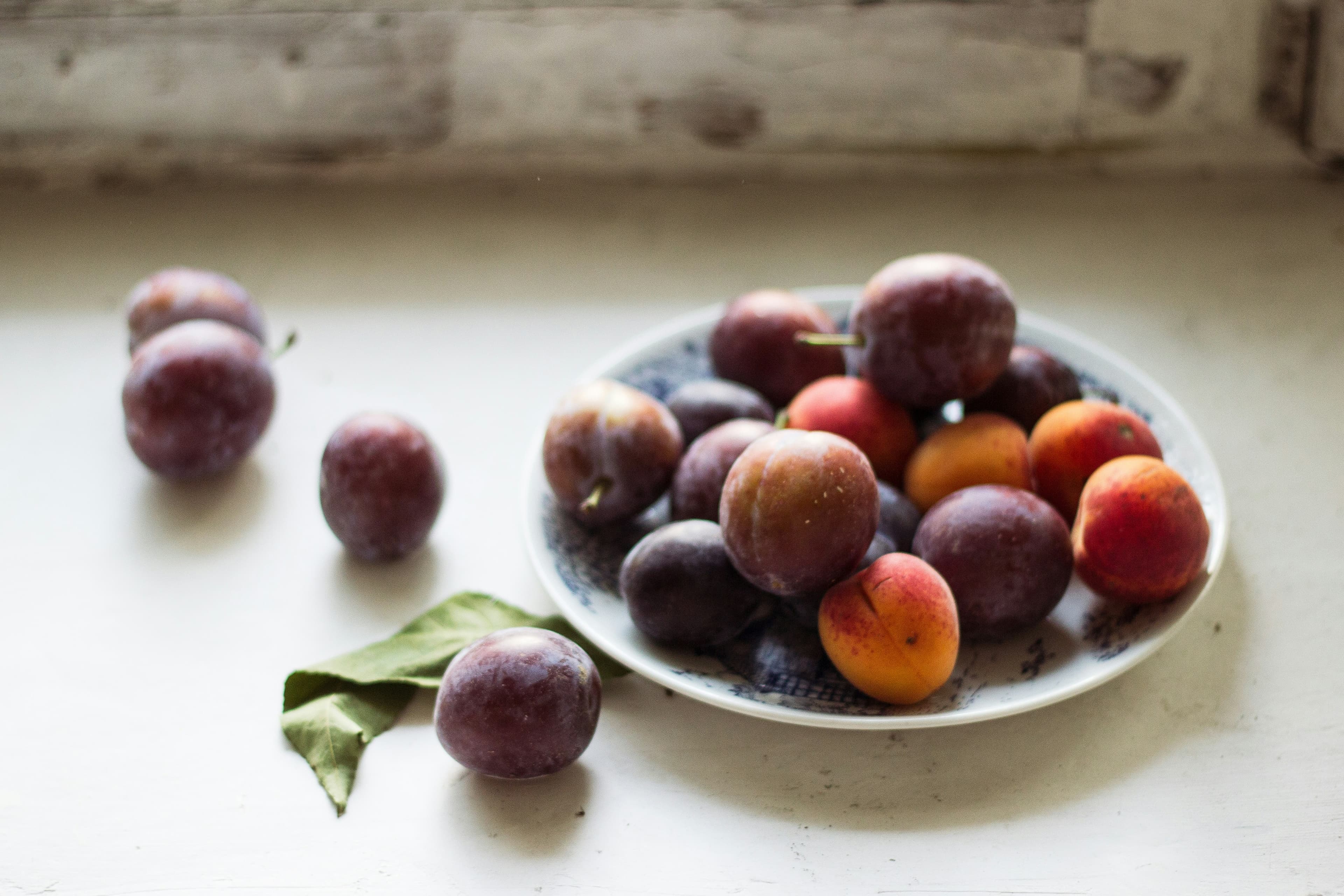
Plums are a sweet summer treat—but can dogs have plums, too? The short answer: yes, but only in moderation. While the flesh of the plum is safe for dogs to eat, plums can pose health risks if not served properly. They are high in natural sugars, which can lead to digestive upset or weight gain if consumed in large quantities. More importantly, the pit, stem, and leaves of the plum contain compounds that are toxic to dogs. Always remove these parts and offer only small amounts of the fruit’s flesh as an occasional treat.
Are Plums Good for Dogs?
Plums can offer some nutritional benefits to dogs, but only when served in small, carefully prepared portions. While they are relatively high in natural sugars, plums also contain beneficial nutrients such as vitamins A and C, which support immune function, skin, and vision health. They also provide potassium, which helps regulate nerve signals and muscle function, and antioxidants, which may help reduce inflammation and support overall cellular health. Additionally, their high water content can aid hydration—particularly in warm weather—and they contain a small amount of dietary fiber, which may support healthy digestion.
That said, because of the sugar content, plums aren’t the best everyday treat—especially for overweight dogs, diabetic dogs, or dogs prone to digestive sensitivity. If you’re looking for safer or lower-sugar alternatives, blueberries, strawberries, and watermelon (seedless and rind-free) are excellent options. These fruits contain no toxic parts and are generally well tolerated by dogs when served in moderation.
Are Plums for Dogs Safe?
Plums have multiple parts—flesh, pit, stem, and leaves—and not all of them are safe for dogs. Only the flesh (the juicy, sweet part) is considered safe, and only when fed in moderation. The pit, stems, and leaves contain cyanogenic glycosides, natural compounds that convert into hydrogen cyanide when chewed or digested. This toxin can interfere with oxygen transport in the blood, potentially leading to symptoms like difficulty breathing, dilated pupils, red gums, vomiting, or even seizures in severe cases.
According to Wag!, dogs are particularly sensitive to the toxic compounds found in plum pits. Even small amounts can cause poisoning, especially if the pit is chewed or broken open. Aside from toxicity, the pit also poses a serious choking hazard or could cause intestinal blockage, particularly in smaller breeds. Swallowing a pit whole can lead to dangerous gastrointestinal complications that may require emergency surgery.
Puppies and small dogs are at an even higher risk due to their size and lower tolerance for toxins.
If your dog has accidentally eaten a plum pit or any part of the stem or leaves, contact your veterinarian or an emergency pet poison hotline immediately—even if symptoms haven’t yet appeared.
How to Safely Feed Your Dog Plums
How Much Plum Can a Dog Eat?
While plum flesh is safe for dogs in moderation, the appropriate serving size depends on your dog’s weight. Feeding too much fruit—even the safe part—can lead to digestive upset or contribute to unwanted weight gain due to the natural sugar content. Use the table below as a general guideline:
Dog Size | Weight Range | Safe Amount of Plum Flesh | Breed Examples |
Extra-Small | 2–20 lbs | 1–2 small pieces (less than 1 tsp) | Yorkie, Pomeranian, Chihuahua |
Small | 21–30 lbs | 3–4 small pieces (about 1 tsp) | Beagle, Shih Tzu, Miniature Schnauzer |
Medium | 31–50 lbs | 5–6 small pieces (about 1 tbsp) | Bulldog, Border Collie, Cocker Spaniel |
Large | 51–90 lbs | 7–8 small pieces (about 2 tbsp) | Boxer, German Shepherd, Labrador Retriever |
Extra-Large | 91+ lbs | Up to 10 small pieces (no more than ¼ cup) | Bernese Mountain Dog, Great Dane, Saint Bernard |
Keep in mind that these are general guidelines and should not replace veterinary advice. Always introduce new foods slowly and monitor your dog for any signs of digestive upset or allergic reaction. And of course, never feed your dog the pit, stem, or leaves of a plum, as those parts are toxic.
Effects of Plum Pits on the Digestive System
In addition to the risk of cyanide poisoning, plum pits can seriously impact a dog’s digestive health. If swallowed whole, plum pits—and other stone fruit pits or large seeds—can cause intestinal blockages, particularly in small or toy breed dogs, whose gastrointestinal tracts are narrower and more vulnerable to obstruction.
Digestive tract blockages can become life-threatening if not treated promptly. The hard, indigestible pit may lodge in the stomach, small intestine, or colon, leading to severe discomfort and complications that often require surgical removal.
Common symptoms of an intestinal blockage in dogs include:
Lack of bowel movements
Abdominal pain or bloating
Inability to keep food or water down
Repeated vomiting
Lethargy or signs of distress
If your dog exhibits any of these symptoms after ingesting a plum pit or any indigestible object, contact your veterinarian or an emergency animal hospital immediately. Early treatment can significantly improve outcomes.
When to Avoid Plums Entirely
There are certain situations in which plums should be completely avoided. For example, dogs struggling with obesity should not be offered plums, as their high sugar content can contribute to further weight gain. Similarly, diabetic dogs or those with gastrointestinal (GI) issues may not tolerate the sugar and fiber in fruit well.
Plums should also be avoided if your dog is on a prescription diet for managing specific health conditions, including kidney disease, pancreatitis, or food allergies. Introducing fruit—even in small amounts—could interfere with the effectiveness of their prescribed nutrition plan.
When in doubt, always consult your veterinarian before adding new foods to your dog’s diet, especially if your dog has an underlying medical condition.

Symptoms of Plum Poisoning in Dogs
Serious, emergency cases of plum poisoning usually occur after a large amount of fruit or the pit itself has been consumed, according to GSVS Veterinary Emergency Care Morristown. Symptoms that indicate an emergency that needs to be looked at right away include severe diarrhea (possibly with blood), persistent vomiting, obvious stomach pain, and a reluctance to move or interact with their human. When pain is severe, your dog could sit in a “prayer position”, with their front legs down and back end up to help relieve the abdominal pain. In addition, your dog could also experience bright red gums, dilated pupils, rapid breathing, collapses or seizures, and excessive drooling.
Severe cases of plum poisoning typically occur when a dog has consumed a large amount of plum flesh or ingested the pit, which can release toxic compounds. According to GSVS Veterinary Emergency Care (Morristown), the following symptoms indicate a veterinary emergency and require immediate attention:
Persistent vomiting
Severe or bloody diarrhea
Obvious abdominal pain or bloating
Reluctance to move, lethargy, or unresponsiveness
“Prayer position” (front legs lowered, hindquarters raised) — often a sign of abdominal pain
Bright red gums
Dilated pupils
Rapid breathing or panting
Seizures, collapse, or excessive drooling
These symptoms may indicate cyanide poisoning or intestinal blockage, both of which can be life-threatening if untreated.
Milder symptoms may occur if a dog eats too much plum flesh—even without exposure to the pit. Signs of mild plum poisoning can include:
Soft or loose stool
Minor bloating
Temporary vomiting or nausea
While these symptoms are usually short-lived, it’s still a good idea to monitor your dog closely and reach out to your vet if anything seems unusual or if symptoms persist.
What to Do If Your Dog Ate a Plum
Your dog just ate a plum—and you’re not sure how much or which part. Don’t panic. Here's a clear, step-by-step guide to help you handle the situation safely and effectively.
Step 1: Identify What Was Eaten
Try to determine exactly what your dog consumed. Was it just the plum flesh, the pit, or the entire fruit—stem and all? Also, note how much was eaten and when it happened. This information will be crucial for your veterinarian in assessing the risk.
Step 2: Contact a Veterinarian
Call your veterinarian or a nearby emergency animal clinic right away. If neither is available, you can also reach out to a pet poison control hotline, such as:
ASPCA Animal Poison Control: (888) 426-4435
Pet Poison Helpline: (855) 764-7661
Your vet may advise you to monitor your dog at home or request an immediate visit, depending on what was eaten, your dog’s size, and any current symptoms.
Step 3: Monitor Symptoms
While you wait for guidance or are preparing to head to the vet, begin tracking your dog’s symptoms. Note:
What symptoms are appearing
When each symptom started
How frequently they occur
Any changes in behavior or alertness
Having this information documented can help your vet make faster, more accurate decisions about treatment.
Step 4: Prepare for Safe Transport
If you’re heading to the clinic, gently prepare your dog for transport. Keep them calm and comfortable, and if possible, bring along:
Any remains of the plum that your dog may have left behind
A sample of vomit, stool, or diarrhea, if available
Your symptom notes or a timeline of events
Avoid offering food or water unless directed by your vet.
Acting quickly and calmly can make all the difference in helping your dog recover safely. Most cases involving a small amount of plum flesh result in no serious harm—but when the pit or other toxic parts are involved, prompt medical attention is critical.
Other Fruits Dogs Can Eat
As mentioned earlier, fruit can be a healthy addition to your dog’s diet—when offered in moderation and prepared properly. Safe fruit options for dogs include:
Apples (core and seeds removed)
Blueberries
Strawberries
Watermelon (seedless and rind removed)
Bananas (in small amounts)
However, never feed your dog grapes or raisins, as they are highly toxic and can cause kidney failure, even in small amounts.
Final Thoughts: Should You Feed Your Dog Plums?
Deciding whether or not to feed your dog plums is ultimately a personal choice, but it should be an informed one. When it comes to plums, caution and awareness matter more than anything. This fruit sits in a gray area—not entirely off-limits, but not without risk. Whether you choose to include it in your dog’s diet or not, what’s most important is understanding your dog’s individual needs, staying informed, and making decisions that prioritize their long-term health and safety.
Trust your instincts, consult your vet when in doubt, and remember—there are plenty of dog-friendly treats out there that don’t come with fine print.
Frequently Asked Questions
Can dogs eat plums without pits?
Yes! Dogs can have plums without pits in small amounts.
Are plums bad for dogs?
No, not inherently. They can safely be used as part of a balanced diet when offered on occasion and with care.
What do I do if my dog swallowed plum pit?
If your dog swallows a plum pit, call your veterinarian for advice.
Is it safe to feed my dog prunes?
Prunes are not toxic, but they do contain high amounts of sugar and fiber, which can be hard on your dog’s digestive system.
When can dogs eat plums?
Dogs can eat plums once they can eat solid food by themselves and are fully grown.