Conjunctivitis in cats is the inflammation of the conjunctiva, the thin, transparent tissue that lines the inner eyelids and covers part of the eyeball. It is a common eye condition that can be uncomfortable and sometimes painful, but it is usually treatable with proper care.
Feline conjunctivitis may be infectious or noninfectious and can affect one eye or both. The severity can range from mild irritation to more noticeable swelling and discharge, depending on the underlying cause.
In this article, we’ll cover the symptoms, causes, diagnosis, treatment options, daily care, prevention, and how contagious conjunctivitis can be, helping you better understand how to manage and protect your cat’s eye health.
What Is Conjunctivitis in Cats?
According to veterinary experts at VCA Hospitals, conjunctivitis in cats is the inflammation of the conjunctiva—the thin, delicate tissue that lines the eyelids, covers the third eyelid, and protects part of the eyeball. This tissue plays an important role in keeping the eye moist and supporting the eye’s natural immune defenses against irritants and infections.
Conjunctivitis is the most common eye disorder in cats. It may develop suddenly (acute) or last for weeks to months (chronic), and its severity can range from mild redness and irritation to more pronounced swelling and discharge. While it can look alarming, most cases are manageable with proper veterinary care.
Many cats are likely to experience conjunctivitis at least once in their lifetime. Certain groups are at higher risk, including kittens, shelter cats, cats living in multi-cat households, and cats under stress, as close contact and weakened immunity can make infections more likely.

Cat Conjunctivitis Symptoms
According to the Cornell Feline Health Center, the most common symptoms of kitten conjunctivitis include:
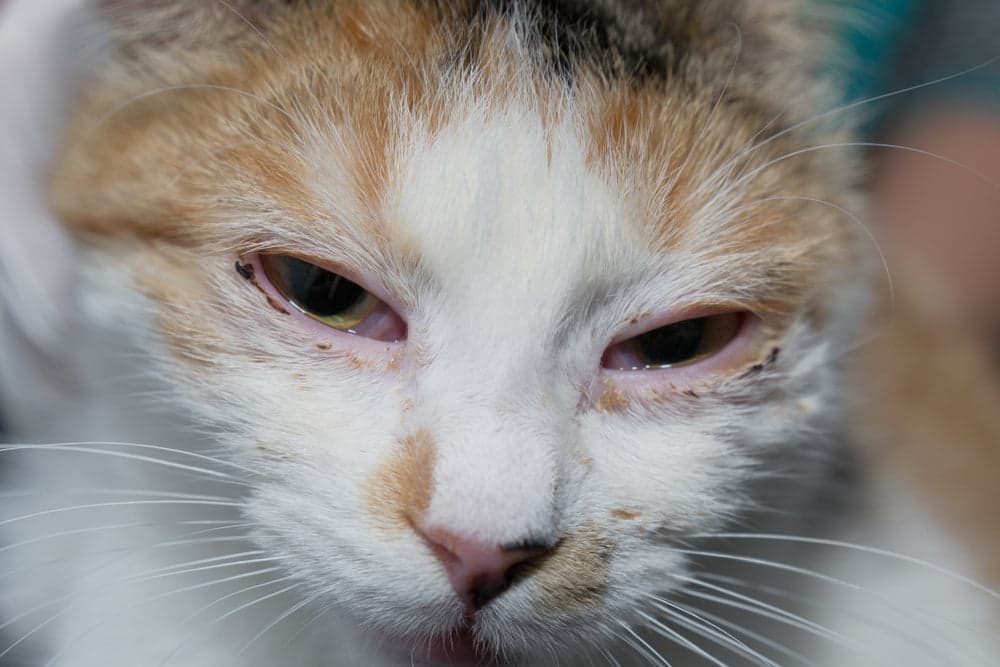
Red, swollen eyes, as the inflamed conjunctiva becomes more visible
Frequent squinting or excessive blinking
Difficulty fully opening one or both eyes
Eye discharge, which may start clear and progress to yellow, green, or, in rare cases, blood-tinged
Constant tearing or watery eyes, often causing the cat to rub or paw at the affected area
Hair loss around the eyes due to ongoing irritation
A more visible third eyelid, which may partially cover the eye
If conjunctivitis is linked to an upper respiratory infection, additional symptoms may appear. These can include sneezing, nasal discharge, reduced appetite, or lethargy.

Cat parents should never ignore warning signs such as severe eye pain, cloudiness of the eye, noticeable changes in pupil size or shape, or sudden vision changes. These symptoms may indicate a more serious eye condition. If you notice any of them, seek veterinary care promptly to protect your cat’s eye health.
How Do Cats Get Conjunctivitis?
Cause Type | Examples / Notes | Common Symptoms / Notes |
Viral | FHV-1, Calicivirus | Recurrent redness, swelling, discharge; FHV-1 chronic |
Bacterial | Chlamydophila felis, Mycoplasma, Staph, Strep, Bartonella | Thick discharge, redness, swelling; secondary to viral infections |
Parasitic | Thelazia (eye worms), Leishmania, Onchocerca | Redness, discharge, irritation; outdoor cats more at risk |
Allergies | Dust, pollen, mold, mites, food | Red, itchy, watery eyes; often affects both eyes |
Physical Irritants | Smoke, chemicals, debris, wrong eye meds | Sudden redness, tearing, squinting |
Trauma / Injury | Scratches, foreign objects, fights | Redness, swelling, tearing; may require urgent care |
Ocular Disease | Corneal ulcers, glaucoma, tumors, entropion | Chronic irritation, redness, swelling |
Immune-Mediated | Eosinophilic, lipogranulomatous conjunctivitis | Chronic redness, swelling, discomfort |
Cats can develop conjunctivitis from both infectious and noninfectious causes. These triggers may affect one or both eyes and can range from mild irritation to highly contagious viral or bacterial infections.
Infectious Causes
Viral Causes
Feline herpesvirus type 1 (FHV-1) is the most common viral cause of conjunctivitis in cats. Once a cat is infected, the virus remains in their body for life. Symptoms often flare up during periods of stress, illness, or immune suppression, leading to recurrent or chronic eye inflammation. Many cats with FHV-1 experience repeated episodes of conjunctivitis throughout their lives.
Another important viral cause of severe cat conjunctivitis is feline calicivirus. This virus is highly contagious and spreads easily in environments where cats live in close contact, such as shelters or multi-cat households. Some infected cats become lifelong carriers, meaning they may continue to shed the virus and develop eye symptoms intermittently, even when they otherwise appear healthy.
Both viruses commonly affect kittens and young cats and are frequent contributors to outbreaks of conjunctivitis in group settings.
Bacterial Causes
Cats often develop bacterial conjunctivitis secondary to a viral infection. When a virus irritates the eyes and weakens their natural protective barriers, it creates an opportunity for bacteria to multiply and cause additional inflammation.
The most common bacterial causes include Chlamydophila felis and Mycoplasma, both of which are well known for causing significant redness, swelling, and thick eye discharge. Other bacteria—such as Staphylococcus, Streptococcus, Bartonella, and Pseudomonas—may also infect the eyes and worsen symptoms.
The good news is that most bacterial conjunctivitis cases respond well to treatment once a veterinarian identifies the underlying cause. With the correct antibiotic eye drops or ointments and proper follow-up care, symptoms often improve within a few days.
Parasitic Causes
Parasitic causes of conjunctivitis are less common but occur more often in outdoor cats, especially those exposed to insects or wildlife. These parasites can directly irritate the eye or trigger ongoing inflammation.
Thelazia, often referred to as eye worms, can live on the surface of the eye and cause redness, discharge, excessive tearing, and discomfort. Leishmania, which is spread by sandflies in certain regions, may inflame the tissues around the eyes and lead to chronic or recurring eye irritation. Another parasite, Onchocerca, transmitted by biting flies, can also cause inflammation in and around the conjunctiva.
Parasitic conjunctivitis typically requires specific veterinary treatment to remove or control the parasite. Early diagnosis is important, as untreated infections may lead to prolonged eye irritation or complications.
Noninfectious Causes

Allergies
Many cats develop conjunctivitis due to allergies rather than infections. Common environmental allergens—such as dust, pollen, mold, and mites—can easily irritate the eyes, especially in cats with sensitivities or a history of allergic disease. In some cases, food-related allergies may also contribute to eye inflammation.
When the immune system overreacts to these triggers, the conjunctiva becomes red, itchy, and watery, leading to the typical signs of allergic conjunctivitis. Unlike infectious forms, allergic conjunctivitis often affects both eyes and may occur alongside other allergy symptoms, such as sneezing or itchy skin. Identifying and reducing exposure to the allergen is key to managing this type of conjunctivitis.
Physical Irritants
Everyday irritants can also cause conjunctivitis in cats, especially in curious cats that explore their surroundings closely. Smoke, dust, strong perfumes, harsh cleaning products, and airborne chemicals can easily irritate the delicate conjunctiva. Small foreign particles, such as dirt or plant material, may also become trapped in the eye and trigger inflammation.
In addition, using the wrong eye medication or applying products intended for humans can worsen irritation and lead to sudden symptoms. Exposure to these irritants often causes rapid-onset redness, excessive tearing, squinting, and discharge. Removing the source of irritation and seeking veterinary guidance are essential to prevent ongoing eye damage.
Trauma or Injury
Conjunctivitis in cats can also occur as a result of physical trauma. Scratches, foreign objects in the eye, or injuries from fights or accidents can irritate the delicate conjunctiva. Even minor injuries can lead to redness, swelling, tearing, and discomfort.
In cases of trauma, it’s important to seek prompt veterinary care, as untreated injuries may lead to secondary infections or more serious eye problems.
Ocular Disease
Some underlying eye conditions can also cause conjunctivitis in cats. For example, corneal ulcers and glaucoma irritate the eye and lead to inflammation. Tumors located in or around the eye can similarly cause redness, swelling, and discomfort.
Structural problems, such as entropion (inward-rolling eyelids) or other eyelid abnormalities, can cause the eyelids to rub against the conjunctiva repeatedly, resulting in chronic irritation. Identifying and treating these underlying issues is essential to prevent ongoing conjunctivitis and protect the cat’s vision.
Immune-Mediated Causes
In some cats, conjunctivitis occurs when the immune system mistakenly attacks the eye tissues. Rare forms, such as eosinophilic conjunctivitis and lipogranulomatous conjunctivitis, fall into this category. These conditions can cause chronic redness, swelling, and discomfort, and they often require specialized veterinary care to manage inflammation and prevent further eye damage.
How Vets Diagnose Conjunctivitis in Cats

To diagnose conjunctivitis, veterinarians perform a thorough eye examination using tools like an ophthalmoscope to closely inspect the eye and surrounding tissues. They may also use:
Fluorescein stain to detect corneal ulcers or scratches
Schirmer Tear Test to measure tear production
Tonometry to check eye pressure for signs of glaucoma
In some cases, vets may analyze eye discharge, run blood tests, or screen for Feline Leukemia Virus (FeLV) and Feline Immunodeficiency Virus (FIV). Depending on the cat’s symptoms—such as cat third eyelid infection—they might also perform radiographs, PCR testing, conjunctival scrapings, or cultures to identify underlying infections or causes.
Because conjunctivitis can mimic more serious eye conditions, an accurate diagnosis is essential to ensure the right treatment and prevent complications.
Cat Conjunctivitis Treatment
Medications
Treatment for a cat’s conjunctivitis depends on the underlying cause, and your veterinarian will tailor medications accordingly. Common options include:
Medication Type | Purpose / Notes |
Topical antibiotics | Treat bacterial infections (drops/ointment) |
Antiviral medications | Treat FHV-1 infections |
Pain relief / Anti-inflammatory | Reduce discomfort and swelling |
Oral antibiotics | Severe bacterial infections |
Immunosuppressive drugs | Rare immune-mediated cases; strict supervision needed |
All medications, especially oral or immunosuppressive treatments, must be administered under strict veterinary supervision to ensure safety and effectiveness. Following the prescribed schedule is crucial for a full recovery of your “conjunctivitis cat” and to prevent recurrence.
Supportive Care
Providing supportive care is essential in case of cat conjunctivitis to promote healing and prevent permanent eye damage. Key steps include:
Use an E-collar (cone) to stop your cat from rubbing or scratching their eyes, which can worsen irritation or cause injury
Gently clean eye discharge with a soft, damp cloth or gauze, taking care not to touch the eye directly
Apply warm compresses if recommended by your veterinarian, which can help soothe irritation and loosen crusty discharge
Maintain a clean, dust-free environment to minimize exposure to irritants and support faster healing
Consistent supportive care, combined with any prescribed medications, can significantly improve your cat’s comfort and speed up recovery.
Treatment Duration
Most mild cases of conjunctivitis in cats improve within 7–14 days when properly treated with veterinary-recommended care. However, chronic cases, especially those related to Feline Herpesvirus-1 (FHV-1), may require long-term management, as flare-ups can occur during stress or illness.
Severe complications, such as corneal ulcers or structural eye damage, may occasionally require surgical intervention.
It’s important to never use home remedies or human medications on your cat’s eyes without veterinary guidance, as these can cause serious injury or worsen the condition. Following your vet’s instructions is the safest way to ensure a full recovery.
Management and Recovery
With proper treatment, most cats show noticeable improvement in their eyes within a few days. However, cats with herpes-related conjunctivitis may experience flare-ups during periods of stress or illness.
To support recovery:
Keep their environment calm and predictable to reduce stress
Provide a quiet, comfortable space for rest
Use a humidifier and soft lighting to keep their eyes moist and soothe irritation
Monitor your cat closely, and return to the veterinarian if symptoms worsen, fail to improve, or if your cat suddenly shows signs of pain. Consistent care and early attention to flare-ups help prevent complications and support long-term eye health.
Preventing Conjunctivitis in Cats
Reduce Infectious Risk
You can lower your cat’s risk of conjunctivitis by taking simple preventive measures:
Vaccinate your cat with the FVRCP vaccine to protect against Feline Herpesvirus-1 (FHV-1) and calicivirus
Keep cats indoors whenever possible to limit exposure to infected cats or environmental pathogens
Quarantine new or rescued cats for a few days before introducing them to other pets
Avoid contact with infected cats to prevent the spread of contagious eye infections
Maintain hygiene by regularly washing pet bedding, food bowls, and litter boxes
These steps help reduce the risk of infection and protect both your cat and other pets in your household.
Reduce Stress (Critical for FHV-1)

Stress is a common trigger for FHV-1 flare-ups, so minimizing stress is key for cats with a history of herpes-related conjunctivitis. Strategies include:
Use Feliway diffusers or sprays to create a calming environment
Maintain predictable daily routines to reduce anxiety
Provide safe, quiet spaces where your cat can rest undisturbed
Offer environmental enrichment, such as toys, scratching posts, and perches, to keep them engaged
Consider a ThunderShirt or similar anxiety-reducing products for particularly nervous cats
In severe cases, veterinary-prescribed behavioral or anti-anxiety medications may be recommended
Reducing stress can significantly lower the frequency and severity of flare-ups, helping your cat maintain healthier, irritation-free eyes.
Immune Support
Supporting your cat’s immune system can help reduce the severity and frequency of conjunctivitis flare-ups. Key steps include:
Probiotics: Supplements like FortiFlora can support gut and overall immune health (always use under veterinary guidance).
L-lysine: Often recommended for cats with FHV-1 to help manage viral activity, but should only be given as directed by your veterinarian.
High-quality, complete diet: Providing balanced nutrition strengthens your cat’s overall health and ability to fight infections.
Combined with proper medical care and stress management, these measures can help your cat maintain stronger immunity and healthier eyes.
Limit Irritants
To help prevent allergic conjunctivitis, it’s important to minimize exposure to environmental irritants:
Avoid smoke, aerosols, and strong cleaning chemicals around your cat
Vacuum frequently to reduce dust and allergens
Use unscented litter and pet-safe cleaning products
Maintain good indoor air quality, including proper ventilation, to keep allergens at a minimum
Reducing these triggers can help keep your cat’s eyes healthy and comfortable, especially for cats prone to allergies or sensitive eyes.
Can You Get Pink Eye From a Cat?
It is extremely rare to catch pink eye from a cat, but it is not impossible. Most feline viruses, such as FHV-1 and calicivirus, do not infect humans.
However, there have been rare cases of Chlamydophila transmission, so people with weakened immune systems should take extra precautions.
To reduce any risk:
Wash your hands thoroughly after handling your cat
Avoid touching your face, especially your eyes
Keep your cat’s bedding and living areas clean
These simple hygiene measures help protect both you and your cat while managing conjunctivitis.
Conclusion
Conjunctivitis is a common but often manageable eye condition in cats. While it can cause discomfort and worry for both cats and their owners, most cases respond well to timely veterinary care, proper medication, and supportive home management. Understanding the symptoms, causes, and risk factors—from infections and allergies to trauma and stress—helps cat owners act quickly and prevent complications.
Prevention strategies, including vaccination, stress reduction, immune support, and limiting exposure to irritants, can significantly reduce the risk of conjunctivitis, especially in kittens and multi-cat households. By staying vigilant, providing prompt treatment, and maintaining a clean, calm environment, you can help your cat maintain healthy, clear, and irritation-free eyes for life.
Frequently Asked Questions
Will cat conjunctivitis go away by itself?
Mild cases caused by minor irritants may improve on their own. However, conjunctivitis caused by viruses, bacteria, allergies, or underlying eye conditions usually requires veterinary treatment to fully resolve and prevent complications.
How long does it take for cat conjunctivitis to go away?
Recovery time for cat conjunctivitis depends on the cause and treatment. Mild cases may improve within a few days, while more severe or chronic infections can take several weeks to fully resolve.
If I come into contact with a stray cat with conjunctivitis, would I be able to spread it to other cats?
Yes. Contagious forms of cat conjunctivitis can be indirectly transmitted if viral or bacterial particles are carried on your hands, clothing, or belongings. Always wash your hands and disinfect items after contact to protect other cats.