Don't know your cat's breed?
Get our DNA kit!

A cat is a great addition to any family. Cats are lovable, cuddly companions that can fill your home with love and fun. But did you know that your feline friend also needs regular veterinary care just like you do? Some people are very dedicated and go every month, but others only check their cats when they're sick. The truth is, it's a good idea to take your cat to the vet for regular checkups. How often you do this depends on the age of your cat and how healthy she is. Here's what you need to know about taking your cat to the vet and how often this should happen.

If you've owned dogs before and recently got a cat, you've probably noticed a considerable difference in their behaviors. Dogs are pretty easy to see when they're trying to tell you they love you, but what about cats? How can you know if your cat is trying to show that they love you? Well, there are ten main ways that cats show they love you.

Our sweet and lovable feline buddies deserve all the love we could give. Making their birthdays or name days, adoption days, or whatever you call their special days, they deserve a treat - a cat birthday cake! It may sound odd but it’s undeniably exciting and awesome. Wondering if it is possible to make and prepare a wonderful cake for your cat?

The purr is one of the distinctive and very endearing characteristics of the feline. Purring is a component of coziness and warmth in the house. But what does it mean when our cat purrs? Perhaps in such a way, she wants to tell us something or warn us?

When you keep a kitten, you don't just keep it for a few days. You'll have to take care of it for at least a couple of years, which may be your life's most rewarding time. If you are considering acquiring one, make sure you know what you need to do to have a cute but friendly pet. This article will provide you with tips on how to take care of an adorable little kitten.

First of all, try not to leave the dog alone with the kitten if you are not close by. And it has its reasons: there is always a high chance of playing too aggressively and also injury. Let’s see what we can suggest different tips regarding this problem.
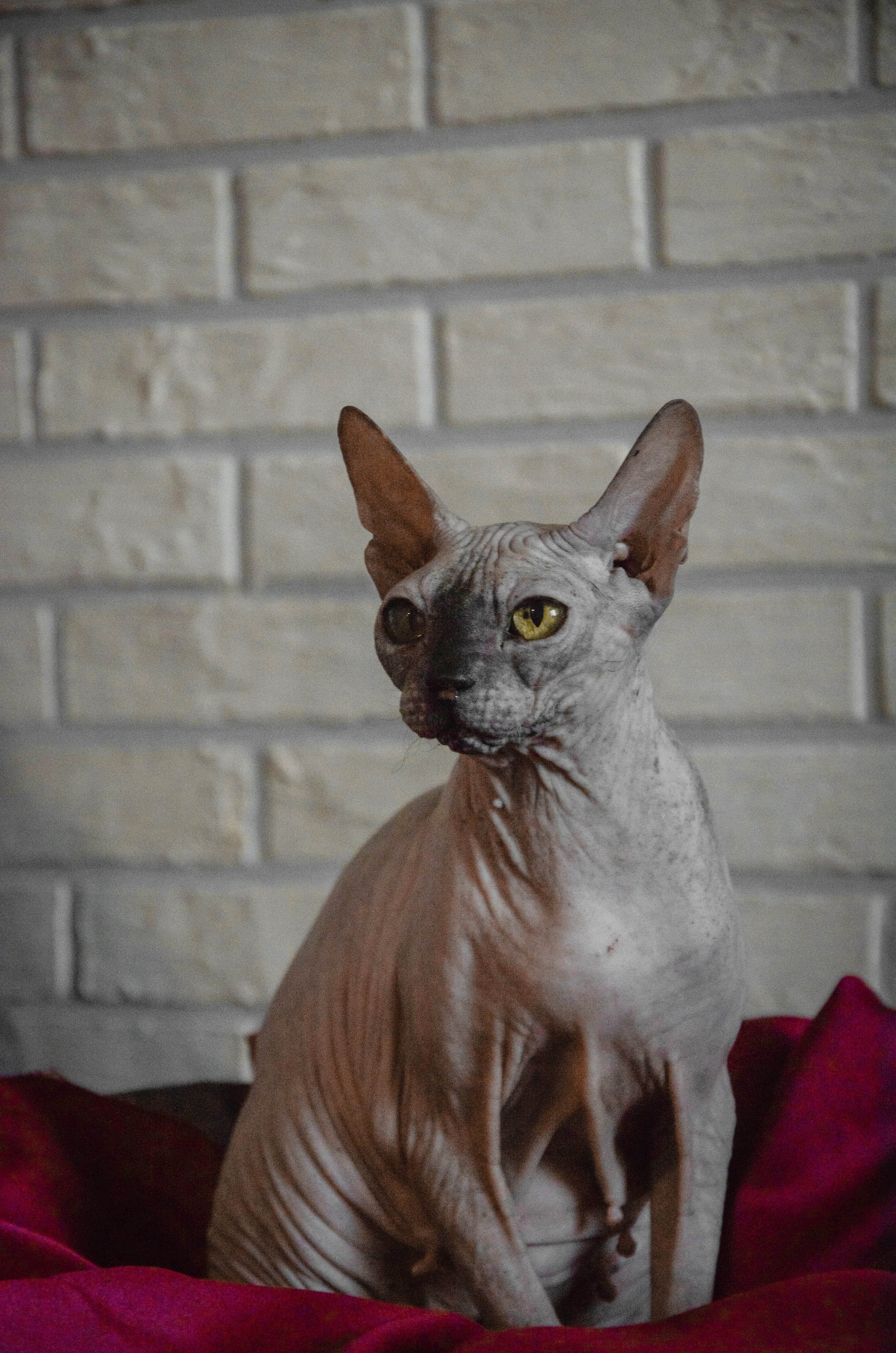
Egyptian cat names are a fantastic option for your kitty. Naming a cat highlights its personality, character qualities, and distinguishing features, and also aids in the development of a deep bond between the cat and its owner. If you've decided to give your cat an Egyptian name, you'll find lots of unique possibilities. The Egyptian cat name you choose will undoubtedly be distinctive, whether it is inspired by art, history, religion, or popular Egyptian names.

Cat eye colors hold a certain mystique that has fascinated humans for centuries. In this exploration, we'll dive into the captivating realm of cat eye colors, understanding their basics, unraveling genetic influences, appreciating the variations across different breeds, debunking myths, and ensuring our feline friends' ocular health.