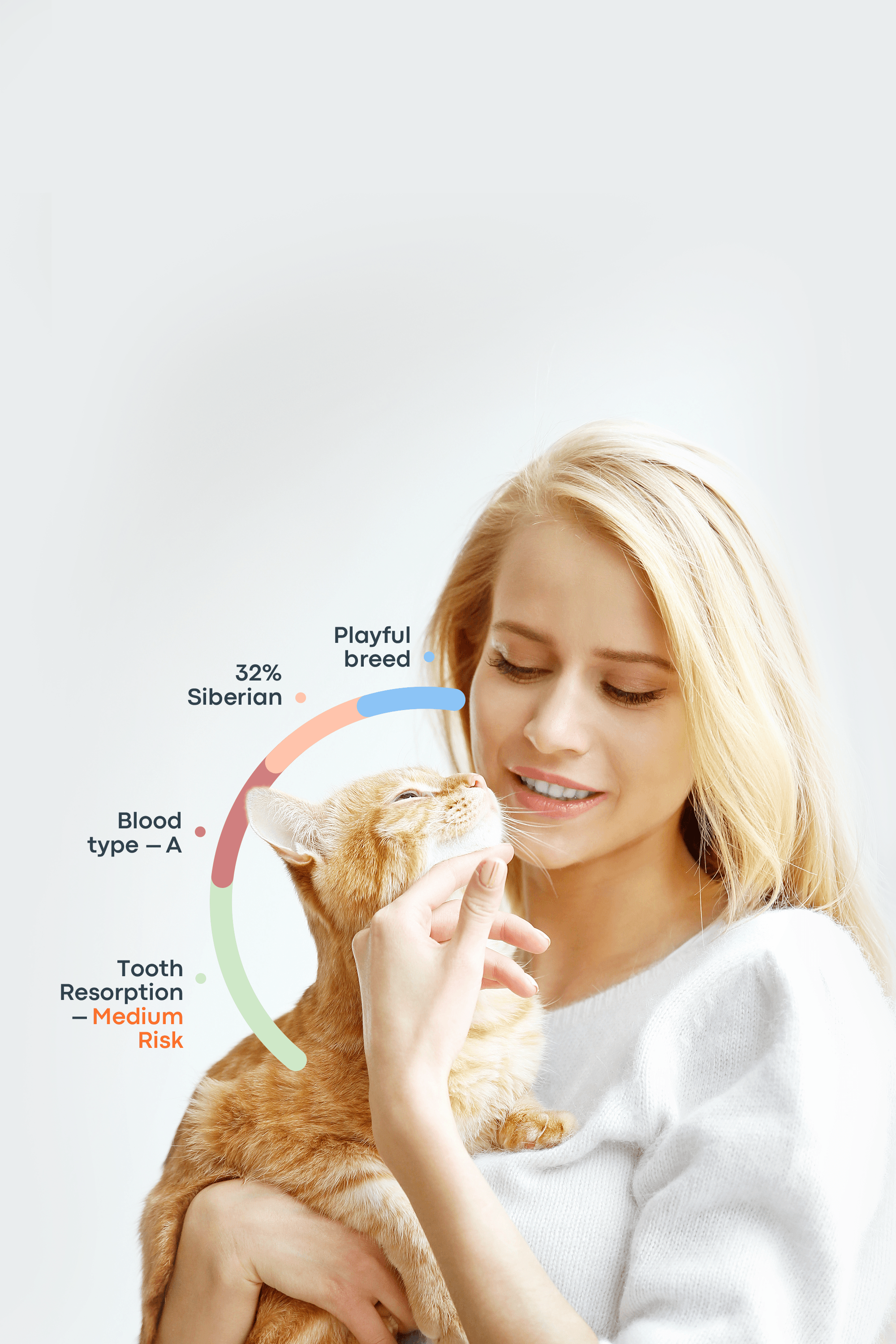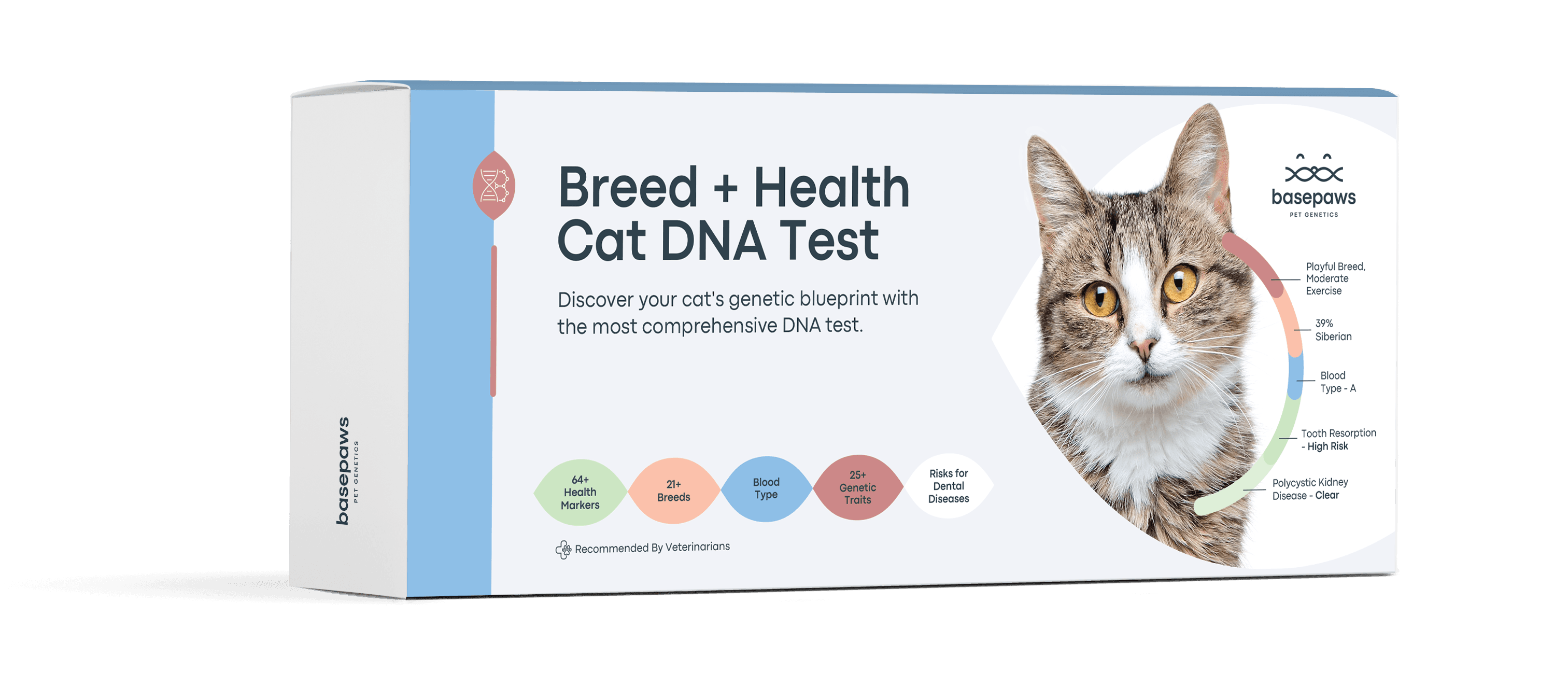
Don't know your cat's breed?
Get our DNA kit!
If you're a cat owner, there's a good chance you've wondered at some point: "Why is my cat always hungry?" You're not alone! Many cat owners are puzzled by their feline's insatiable appetite. It seems like no matter how much you feed them, they're always meowing for more. But don't worry; we're here to help you understand the science behind your cat's constant hunger.
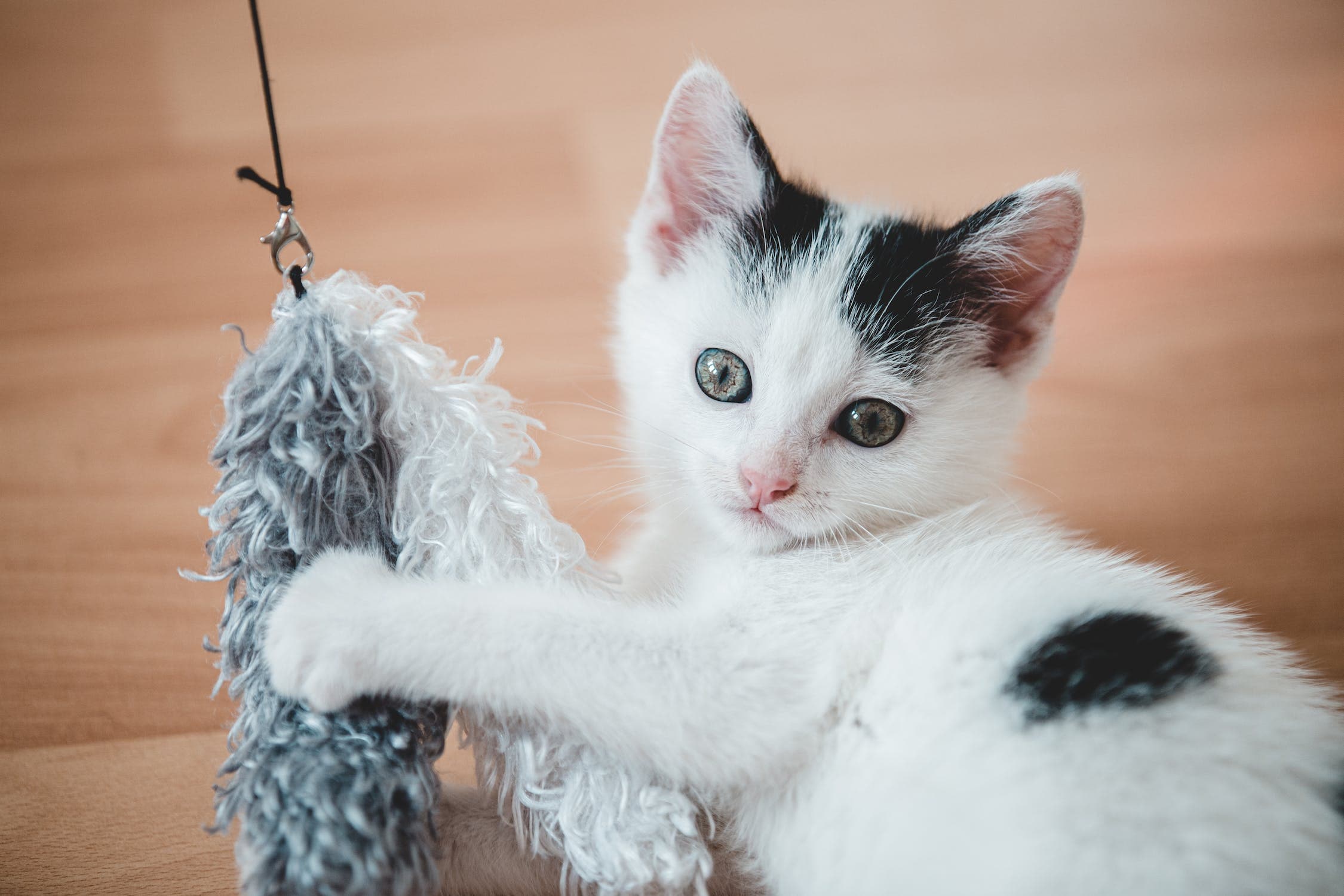
Choosing the right teething toy for your kitten is an essential task that ensures their comfort, safety, and entertainment during this critical growth phase. Inspire delight and enrich your feline friend's developmental journey with our top five recommended teething toys
An exploration of the preferences and behaviors of our feline companions. The article delves into various aspects of cats' likes and dislikes, shedding light on their favorite toys, and activities. It aims to provide insights into the intriguing world of feline preferences, helping cat lovers better understand and cater to their pets' needs for a happier and more fulfilling companionship.
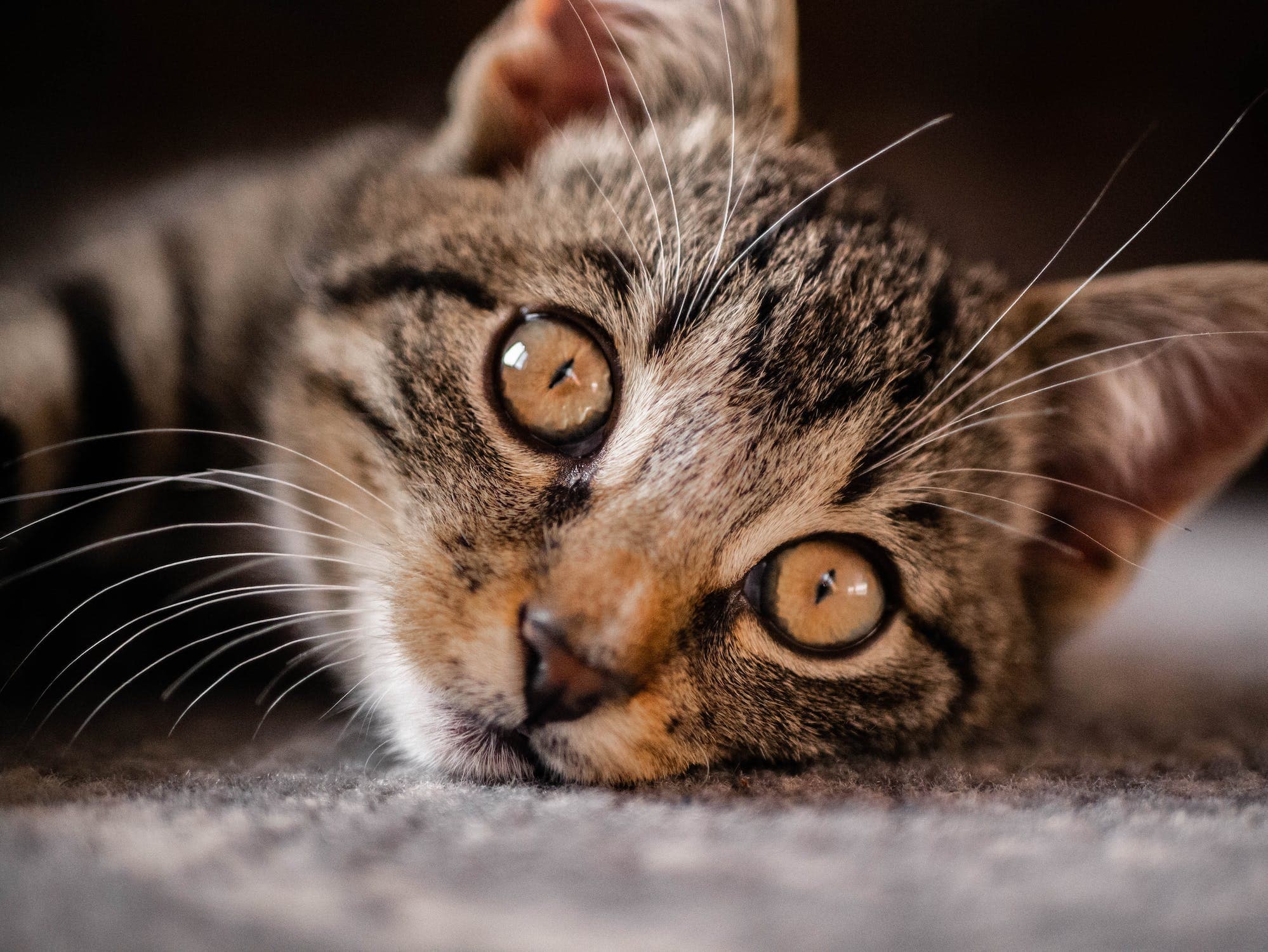
Understanding cat emotions may be challenging as cats are independent animals who constantly fend for themselves, unlike dogs that rely on humans and are man's best friend. As a result, determining whether cats truly feel emotions might be difficult because they always appear emotionless — but we know they do. Paying attention to your pet's body language may allow you to determine their feelings.
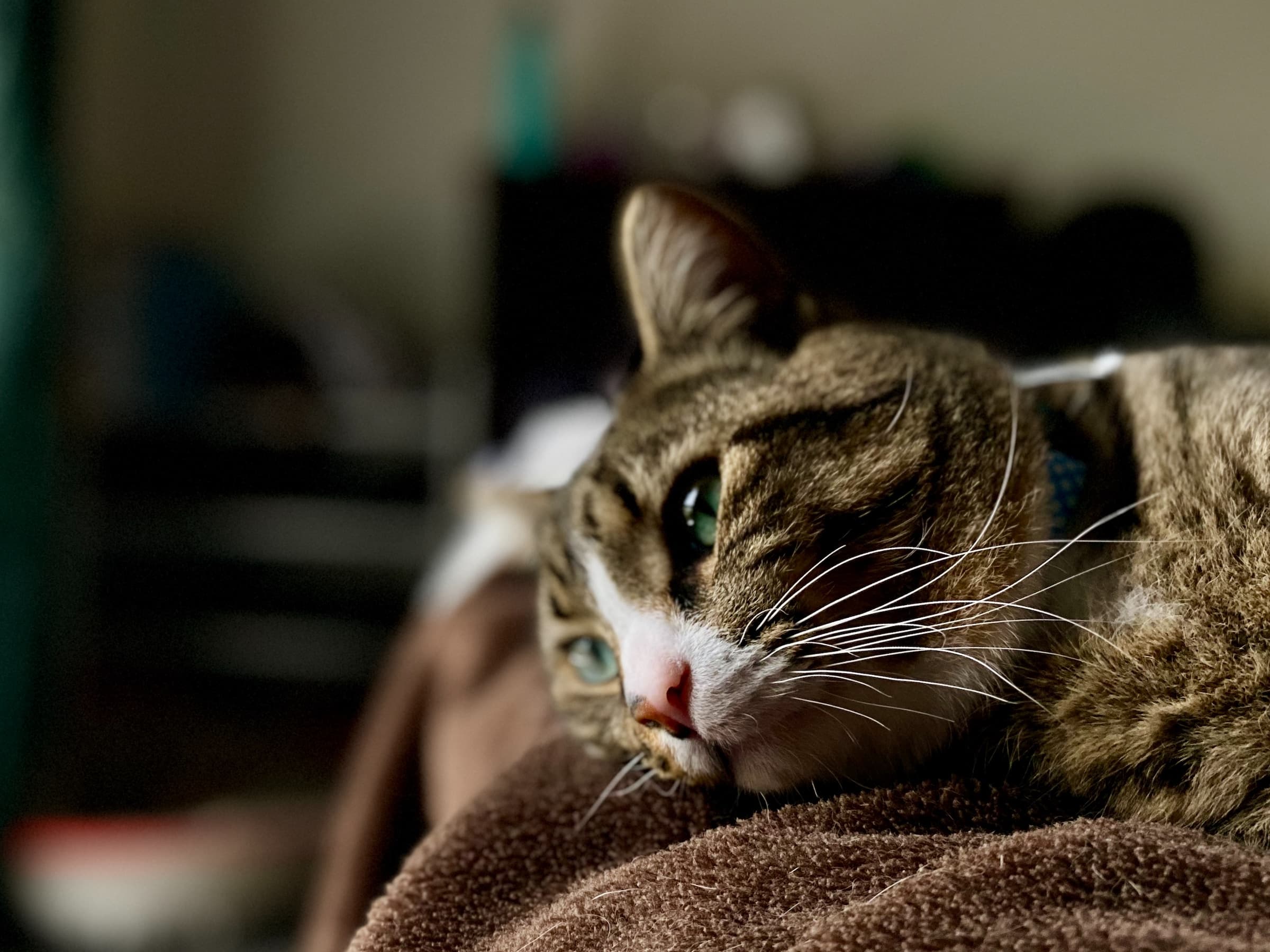
Cats, with their enigmatic nature, often mask their true feelings, making it essential for owners to recognize the subtle signs of discomfort or illness. This article delves into the intricate details of sick cat body language, from understanding nuanced body posture changes to interpreting behavioral pattern shifts. By recognizing these signs early, cat owners can ensure their beloved feline companions receive timely care and maintain optimal health.
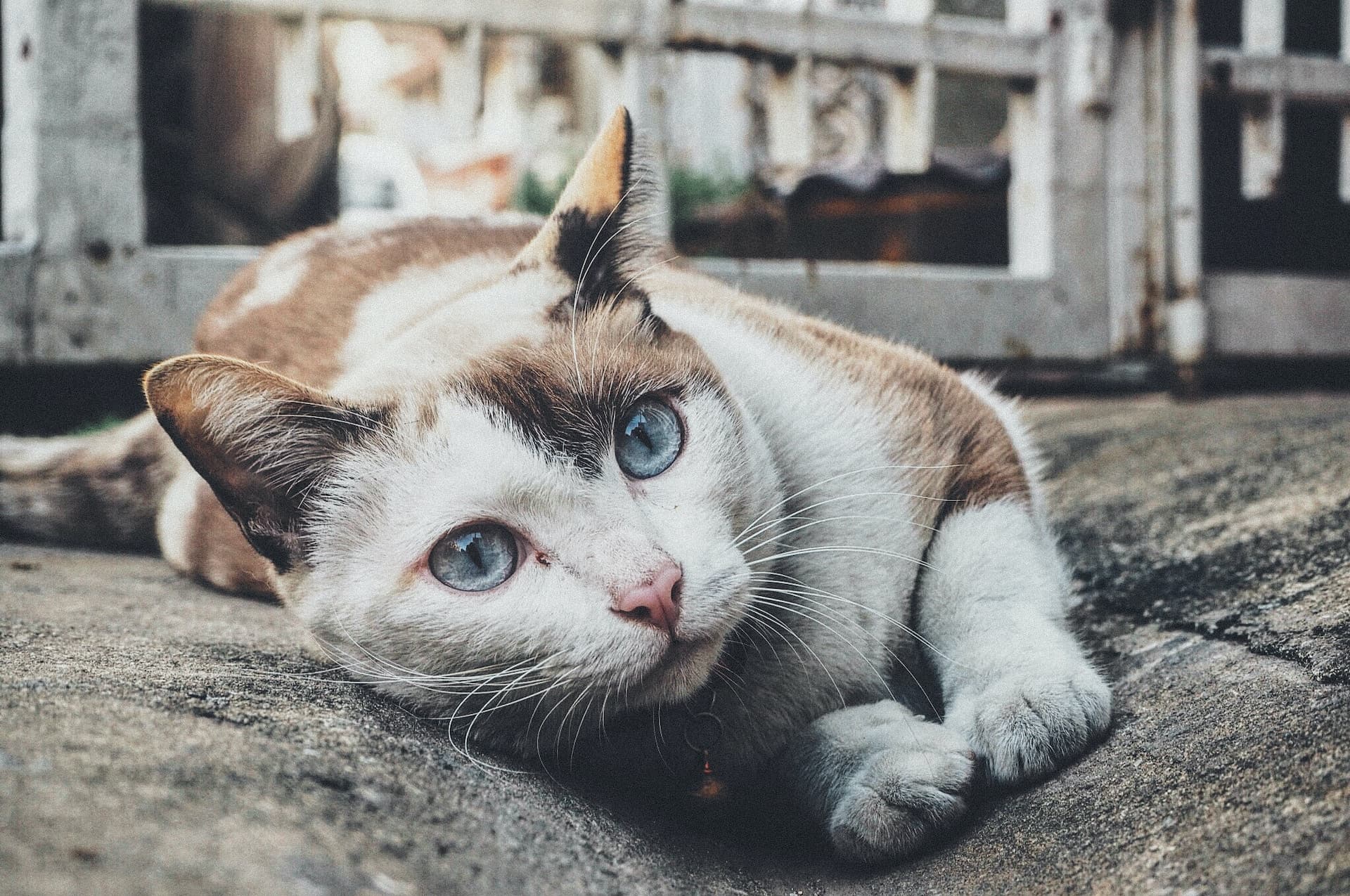
Cats have long been admired for their mystique and agility, but their ability to find their way home has intrigued pet owners for generations. This article delves into the phenomenon of feline homing instincts, exploring scientific theories and offering practical tips for worried cat owners on retrieving their lost companions. From the innate abilities of indoor cats to harnessing the power of scent, we demystify the age-old question “Can cats truly find their way back home?”

The article discusses the belief that cats might serve as nocturnal protectors for their owners. It delves into behavioral evidence suggesting that cats might offer a sense of security during sleep due to their territorial instincts, sharp senses, and deep bonds with their owners. The article also provides recommendations to enhance this protective bond and cites real-life examples where cats have alerted or safeguarded their owners from potential dangers during sleep.
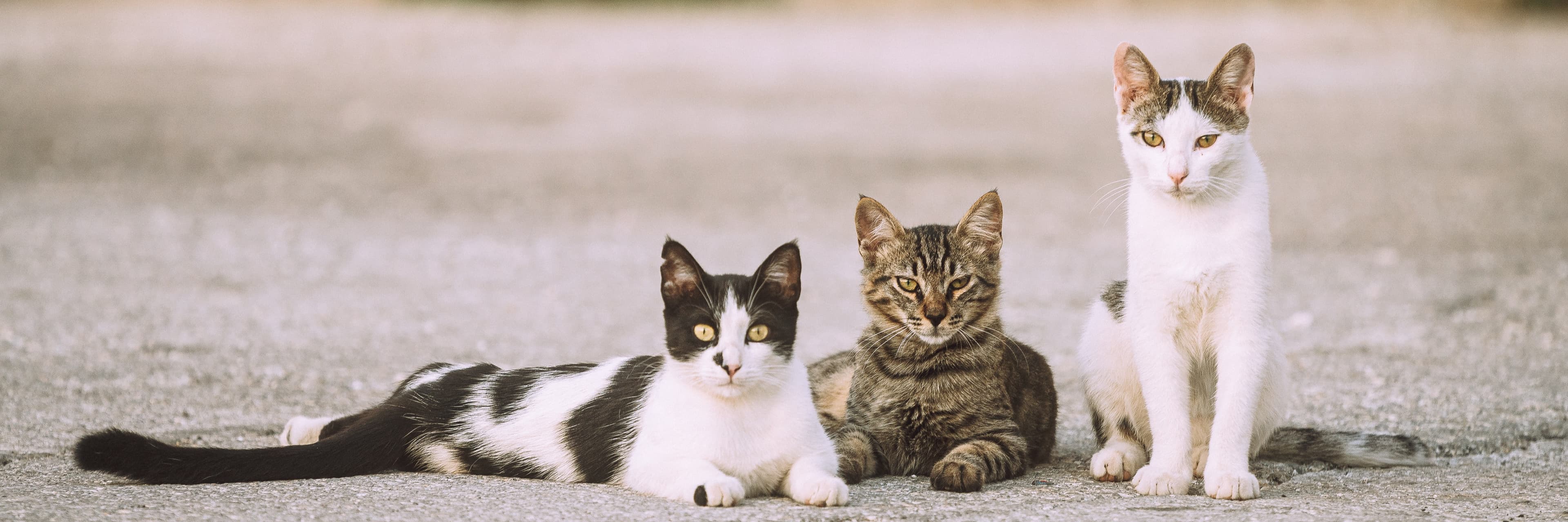
This is an in-depth look into various cat personality traits including agreeableness, impulsiveness, dominance, and neuroticism with some practical tips for nurturing and understanding these distinct characteristics. We want to emphasize the importance of embracing each cat's unique personality, thus fostering a stronger bond between feline and human companions.