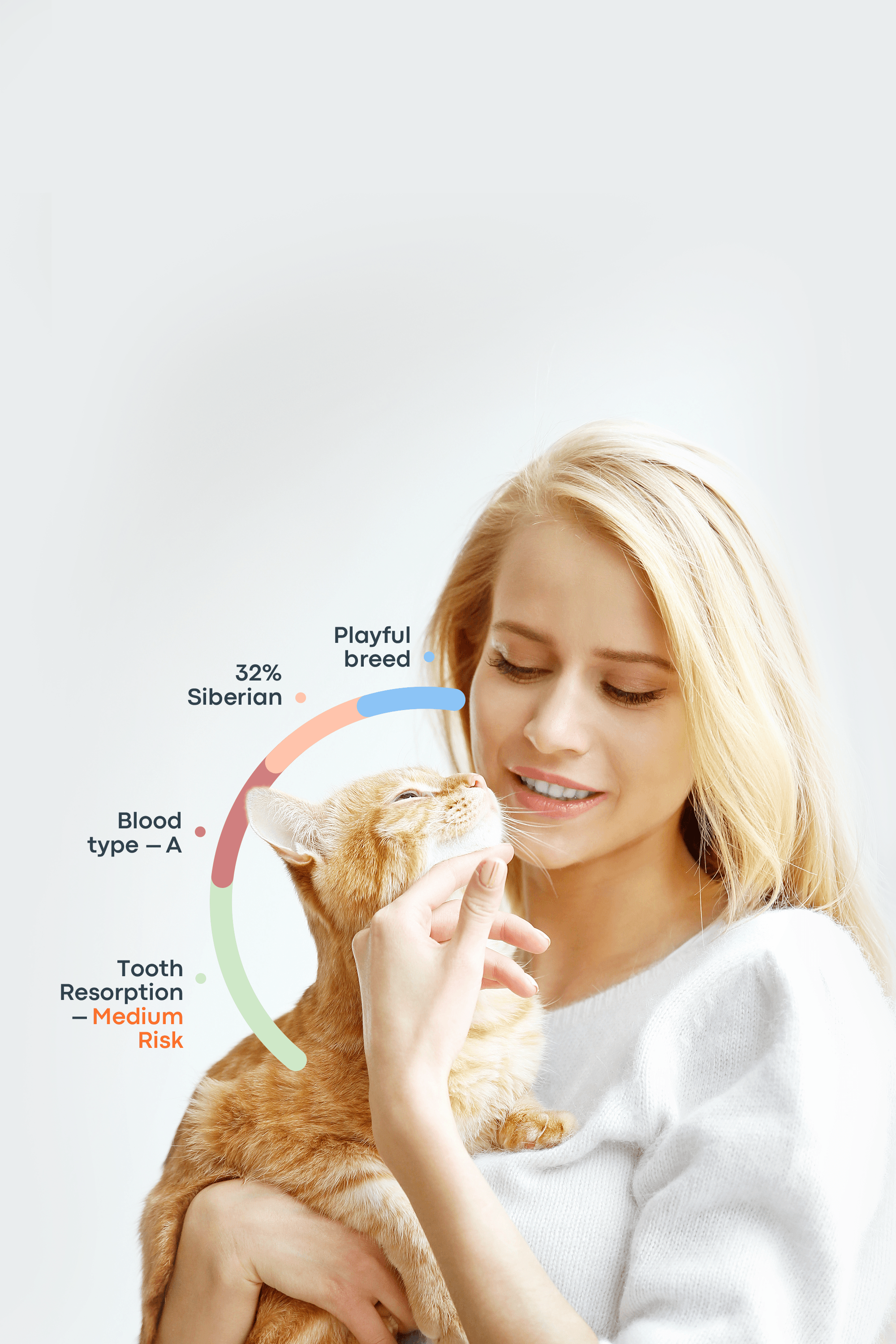
Don't know your dog's breed?
Get our DNA kit!

Can dogs indulge in citrusy delights? Yes, dogs can eat oranges, but don't overdo it! These vitamin-packed treats can be an immune boost for your furry friend, but remember, moderation is essential.

A dog eating raw chicken seems harmless, but it has certain health risks and possible complications. This article explains what you need to do if this happens to your pet, which poisoning signs to look for, and what you can do to help.

Bone broth is a great superfood and a nutrient-rich supplement for dogs. This guide discusses bone broth’s benefits for dogs and how to avoid its side effects and risks. We also have an easy dog bone broth recipe for you!

Coconut is nutritious for humans, but what about our furry pals? Can dogs eat it? Is this tropical fruit safe for dogs? This article will explain how to safely add coconut to your dog’s diet.

Strawberries are one of the most popular delicacies over the world. When offered in moderation, dogs can also savor the delicious delicacy, which brings them immense happiness. Everything you need to know about giving strawberries to your dog is covered in this article, including the advantages, how to do it, and dos and don'ts.
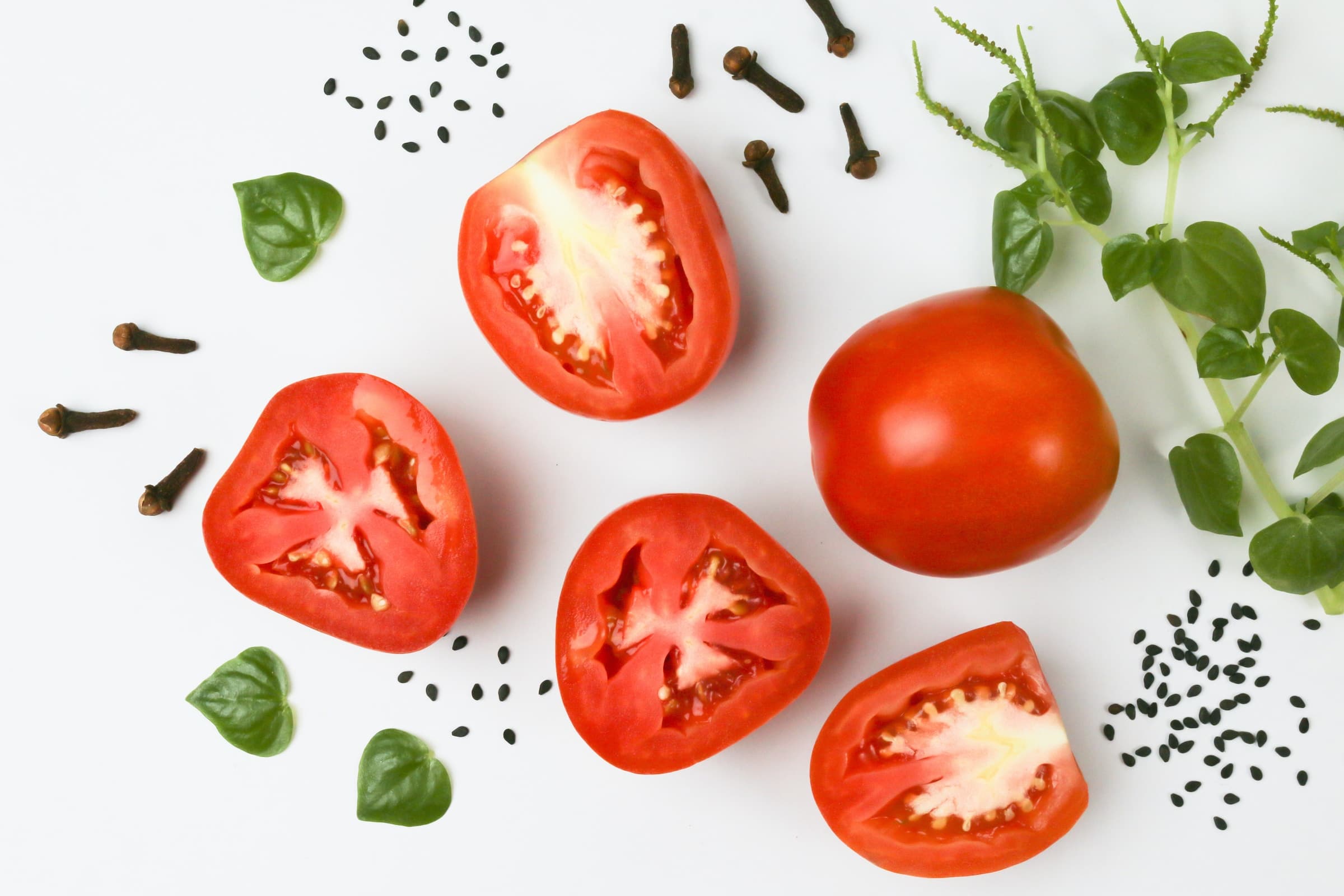
Can dogs eat tomatoes? Absolutely! Provided the tomato is ripe and free of green parts. However, it is critical that you consult with your dog’s veterinarian if your dog has any underlying health before feeding it tomato. As always, your dog’s health and well-being must come first.

This guide explores the safety and benefits of feeding dogs pineapple in moderation, noting key considerations such as the fruit's high sugar content and potential digestive issues. The article also provides practical advice on serving sizes, preparation methods, and responses to common questions about dogs' dietary needs.

When your dog won't eat, it could be due to health or behavioral reasons. Consider a vet check for health concerns, create a calm environment, and try adjusting their diet to find what they enjoy. Understanding the cause helps you find the right solution for a happy and healthy eating routine for your furry friend.