Don't know your dog's breed?
Get our DNA kit!

Caring for a puppy is a rewarding experience that begins with understanding their needs at each stage of development.
Pet insurance for pre-existing conditions is a specialized area within pet healthcare finance. It targets the gap left by traditional insurance policies, which typically exclude any conditions that your pet was diagnosed with or showed symptoms of before the start of the policy.
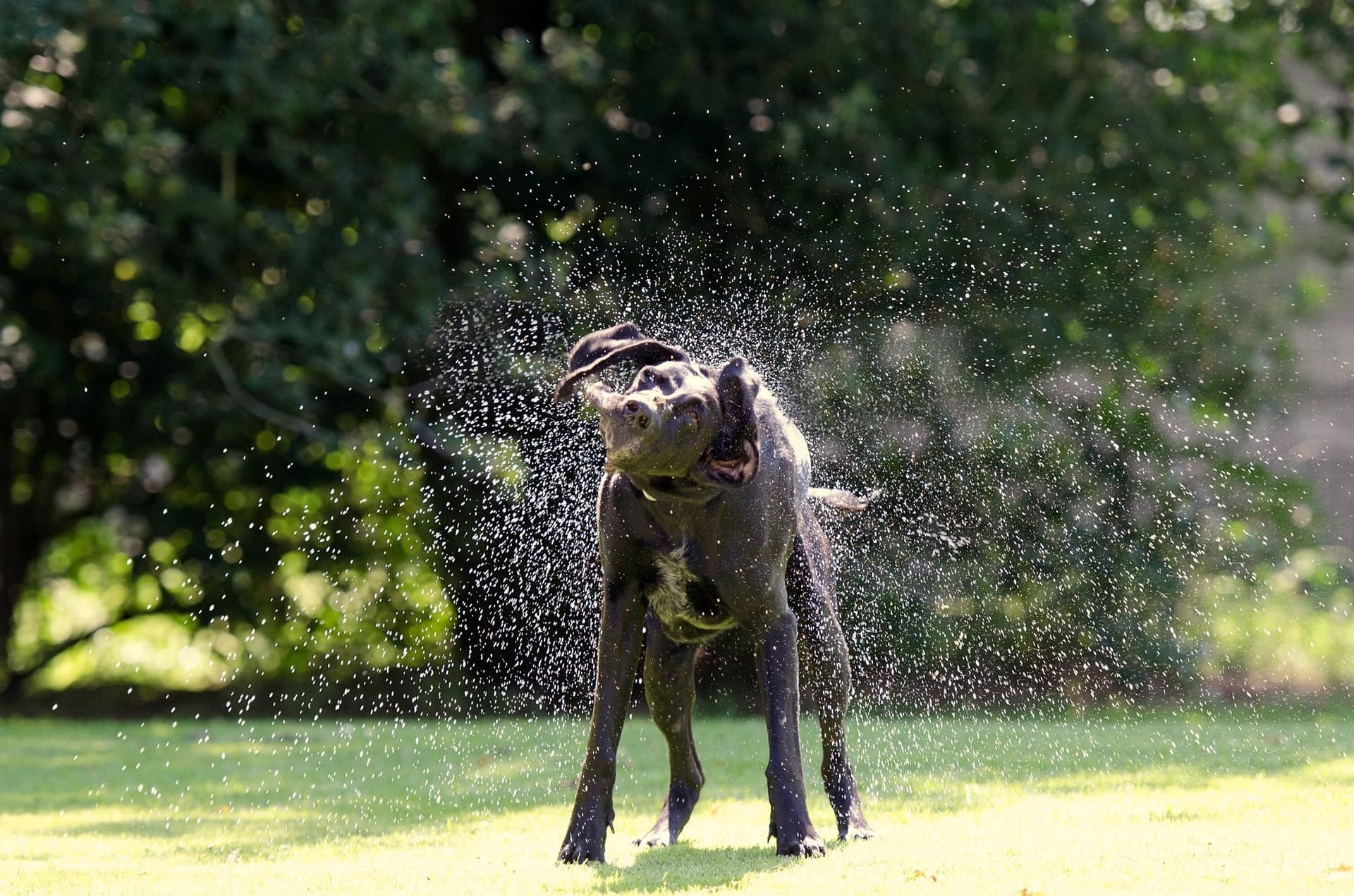
Dogs may be shaking for many reasons; some are harmless, but others require more immediate attention. This article will explore why your dog is shaking, when to address it with your vet, and how to prevent it.

Understanding when dogs stop growing is crucial for their care. Small breeds typically reach full size by 12-15 months, while large breeds may take up to 24 months. Proper nutrition, exercise, and regular vet visits support healthy growth, ensuring your dog matures into a healthy adult.
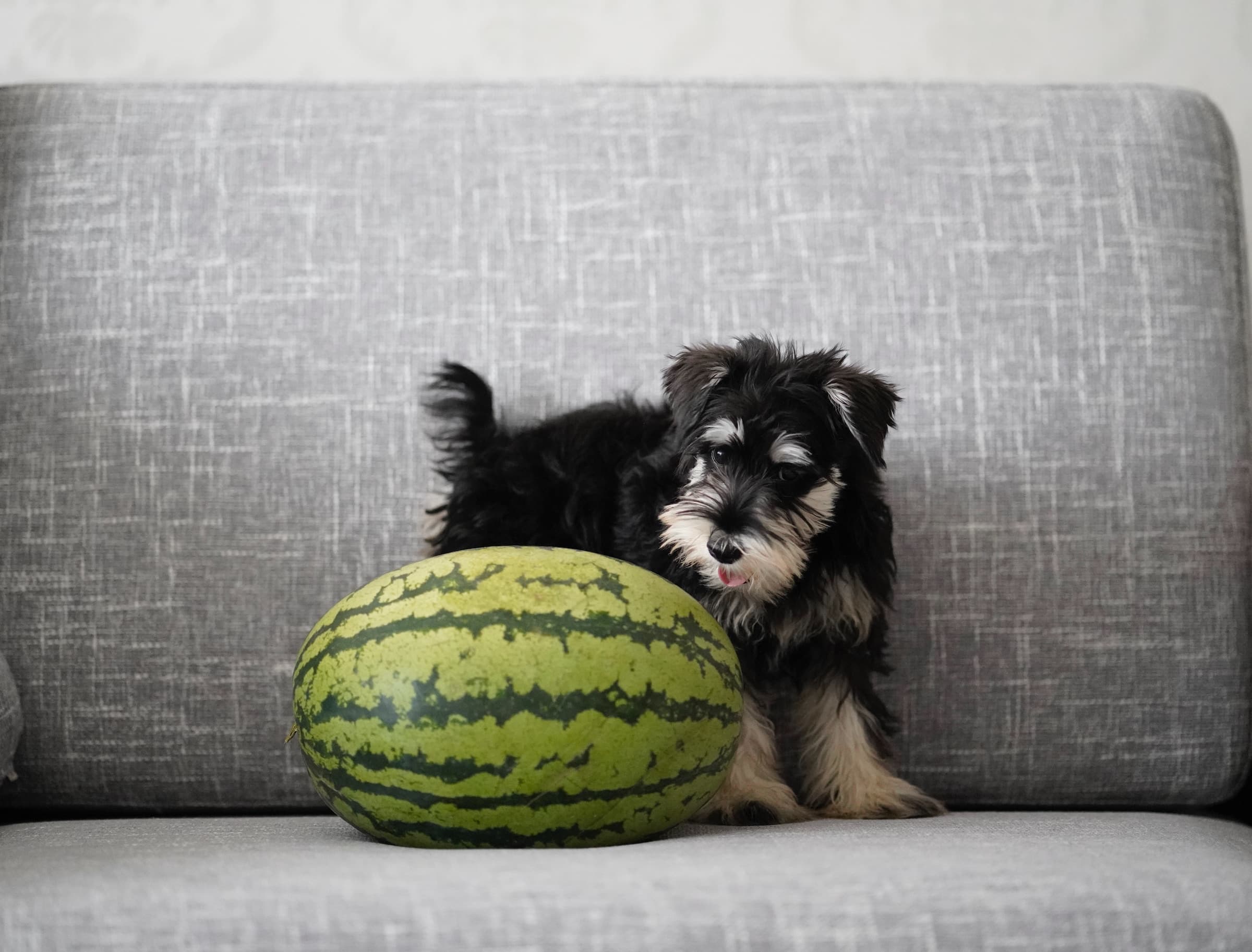
Dogs can safely enjoy watermelon in moderation. Remove the seeds and rind, and offer them small, seedless pieces as an occasional treat due to its natural sugar content. What else do you need to know about this tasty treat as a responsible dog guardian?

Digestion in dogs is a complex process. It typically takes about 12 to 48 hours from the time they eat until waste is eliminated. The timeframe can vary depending on factors such as the dog's age, breed, and the type of food they consume.

Large dog breeds, known for their imposing size and strength, often make wonderful family pets due to their gentle and protective nature. These dogs require ample exercise, space, and proper training to thrive in a loving home. Get insights into a big dog's temperament and care, and discover lazy and lovable large breeds.

This article provides comprehensive guidance on transitioning puppies from puppy food to adult dog food, emphasizing the importance of meeting their nutritional needs for optimal health and development. Key points include the appropriate age for transition and the different nutritional requirements of puppies and adult dogs.