
A limping dog can be concerning, but not all cases require an immediate visit to the vet. In many instances, mild limping can be managed at home with proper rest, gentle care, and close monitoring. This article explains how to treat your dog’s limp using readily available tools and offers long-term strategies to support your dog’s overall health and mobility.
How to Know If Your Dog’s Limp Needs a Vet
If your dog can’t bear weight on a leg or yelps when you touch it, this could indicate a serious injury such as a dislocation or fracture. In such cases, it's important to look for additional symptoms, including:
Severe swelling
Open wounds
Fever
Lethargy
If any of these symptoms are present, you should contact your veterinarian immediately.
Even if there’s no visible pain or swelling, a persistent limp should still be evaluated by a vet. Conditions like arthritis, ligament damage, or neurological issues can cause limping without obvious external signs.
Monitoring a limp: what to look for over 24–48 hours
When the limp appears mild and there are no signs of acute pain, you should monitor your dog for 24–48 hours. During this time:
Restrict activity and encourage rest
Avoid walks, jumping, or rough play
Watch for changes in behavior, appetite, gait, or increased licking of the affected paw
Monitoring is only recommended if the dog is still able to walk, shows no signs of pain when the leg is touched, and is otherwise eating, playing, and acting normally.
If your dog is holding the leg up entirely, shows signs of pain (yelping, whining), or displays symptoms like excessive panting or behavioral changes, seek veterinary care right away.
How to Examine a Dog that is Limping
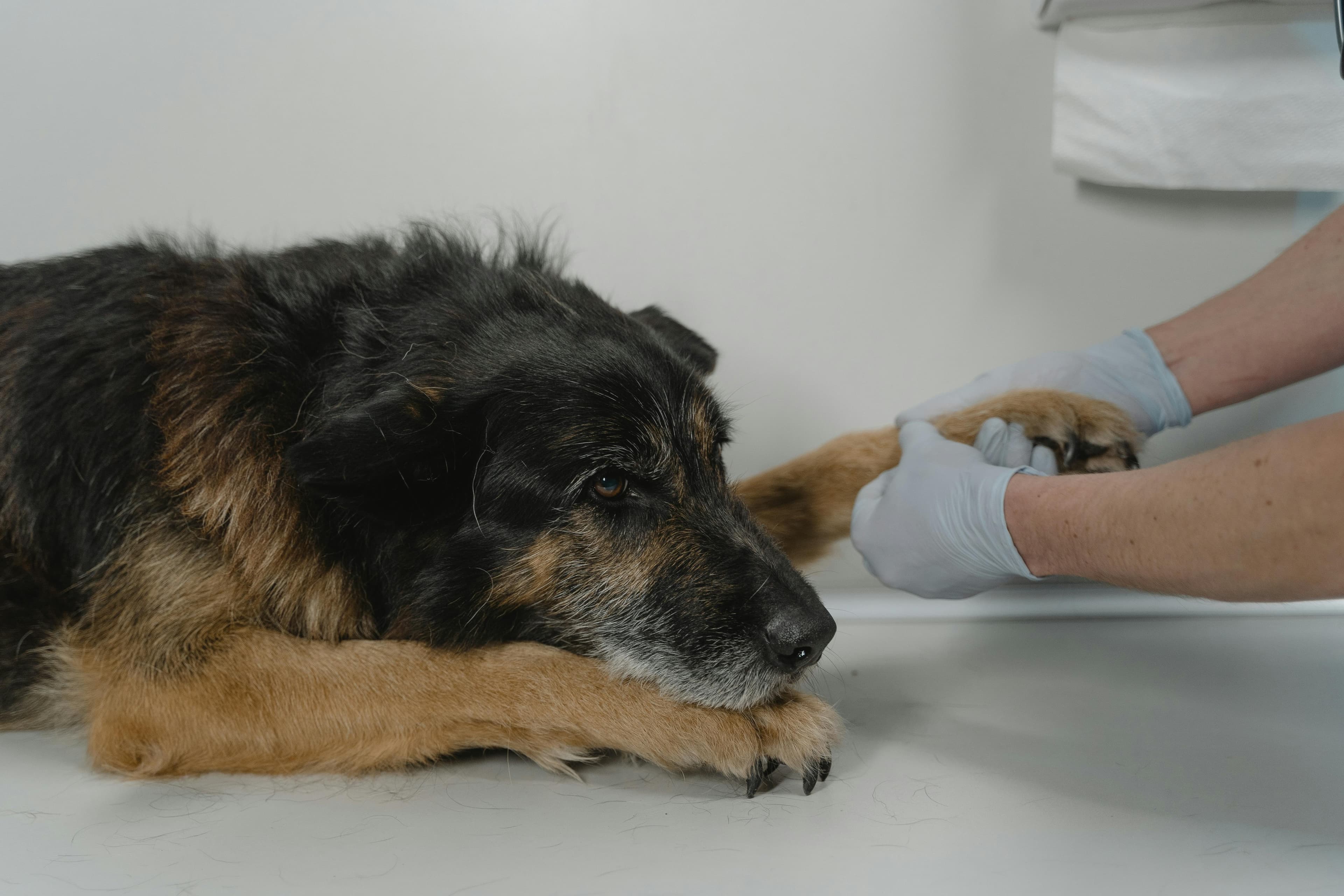
Begin by observing your dog’s gait to identify which leg is affected. Then, carefully inspect the paw pads for cuts, scrapes, or any foreign objects that may be lodged between the toes.
Gently examine each leg for signs of swelling, heat, or pain, and compare it to the unaffected leg. The best way to assess for pain is by lightly palpating the limb and gently flexing and extending each joint. If your dog is in pain, they may yelp, flinch, or pull away.
Avoid manipulating any joints that appear swollen or extremely painful, and do not apply pressure if you suspect a fracture or dislocation. Pay close attention to your dog’s reactions during the exam—signs such as whining, growling, or sudden movement away from your touch can all indicate discomfort.
Important: Never give your dog human painkillers, as many are toxic to dogs and can cause serious harm. Always consult a veterinarian for appropriate treatment options.
Common Causes of Dog Limping
Dog limping can have many underlying causes, ranging from simple wear and tear to more serious medical conditions. Common causes include:
Traumatic injuries such as sprains, fractures, or dislocations from accidents, which can lead to sudden limping
Infections or illnesses, including bacterial or fungal infections that affect the joints or bones
Ligament damage, such as a torn cruciate ligament
Neurological issues that affect coordination and movement
The location of the limp and how your dog expresses pain can help narrow down the possible cause. Careful observation of symptoms and behavior is key to identifying whether the issue is mild or requires veterinary attention.
Dog Limping on Front Leg
If your dog is limping on the front leg, it could be due to various reasons, ranging from minor paw pad injuries to elbow dysplasia. In most cases, sudden limping on the front leg happens. Here are a few reasons why your dog may limp on the front leg.
Paw Injuries
Minor injuries to the paw—such as cuts, torn nails, or foreign objects like splinters or burrs—are common reasons for sudden limping. Signs include swelling, redness, visible wounds, bleeding, or excessive licking and chewing at the affected paw.
Elbow Dysplasia
This developmental condition occurs when the elbow joint doesn’t form properly, leading to pain and lameness. It is more common in large-breed dogs. Symptoms often include stiffness, swelling, and a noticeable limp in the front leg.
Shoulder Injuries or Strain
Strains or injuries to the shoulder can result from jumping, twisting, or sudden movements. Affected dogs may show signs of pain, reduced range of motion, swelling, or bruising around the shoulder area.
Panosteitis
Panosteitis is an inflammatory condition affecting the bone marrow of long bones. It typically causes intermittent lameness that may shift from one leg to another. This condition is most common in growing puppies, especially those of large breeds.
Brachial Plexus Injuries
These injuries involve damage to the network of nerves that control the forelimb and are often the result of trauma, such as falls or car accidents. Dogs may lose coordination, mobility, or sensation in the affected limb.
Limping with No Swelling or Pain
If you notice your dog limping on the front leg but there’s no visible pain or swelling, the cause could still be something like a mild sprain, a foreign object, arthritis, or even a neurological issue. While the absence of pain may seem reassuring, it’s important to monitor your dog closely. If the limp persists or worsens, consult your veterinarian.

Dog Limping on Back Leg
Has your dog been limping on their back leg? Well, a dog limping on their back leg may be due to various reasons, which include:
Cranial Cruciate Ligament (CCL/ACL) Tears
A tear in the cranial cruciate ligament is one of the most common orthopedic injuries in dogs, especially during high-impact activities like running or jumping. This injury often requires prompt veterinary care. In addition to limping, you may notice difficulty sitting or rising, stiffness, or reluctance to jump and play.
Hip Dysplasia
Hip dysplasia occurs when the hip joint develops abnormally, leading to looseness, instability, and eventually, arthritis. It’s often hereditary and commonly seen in large-breed dogs. However, environmental factors like rapid growth, improper exercise, and poor nutrition can also contribute. Symptoms include hind leg lameness, stiffness, and reduced mobility.
Luxating Patella
Also known as a dislocated kneecap, this condition occurs when the patella (kneecap) slips out of its normal position in the knee joint. It causes intermittent or persistent lameness, pain, and difficulty walking. Luxating patella is more common in small and toy breeds.
Intervertebral Disc Disease (IVDD)
It is a neurological condition affecting nerves that control the hind legs. According to PetMD, IVDD occurs when the cushioning discs between the bones of the spinal column either bulge or burst into the space containing the spinal cord.
Breeds with long backs and short legs—such as Dachshunds, Basset Hounds, Bulldogs, Shih Tzus, and Beagles—are at higher risk. Symptoms include limping, weakness in the hind legs, and difficulty walking or standing.
Muscle Strains or Sprains
Strains affect muscles or tendons, while sprains involve the ligaments. Both can cause limping, pain, and swelling, especially in active or athletic dogs. Mild cases may improve with rest, but more severe injuries may require veterinary care.
Lameness From Arthritis
Arthritis is a degenerative joint disease that commonly affects the hind legs first, especially in older dogs. It results from the gradual breakdown of joint cartilage, leading to stiffness, inflammation, and chronic pain. You may notice decreased activity, difficulty rising, and a slow, stiff gait.
How to Treat a Limping Dog at Home
If your dog is limping and the condition appears mild, you may be able to provide care at home. Here’s a step-by-step strategy to help manage dog limping safely and effectively:
Rest and restricted movement
The most important first step is to limit your dog’s activity. Rest allows minor injuries to heal. Keep your dog confined to a small space or a crate to reduce movement and prevent further strain. When taking your dog outside for bathroom breaks, always use a leash to prevent running or jumping.
If the limp is minor and there are no signs of severe pain, you can monitor your dog’s progress at home over 3 to 5 days.
Paw inspection and cleaning for cases of limping due to a sore paw
If your dog is limping on a front paw, inspect the paw thoroughly for:
Cuts or abrasions
Embedded debris (e.g., thorns or splinters)
Burns, cracked pads, or torn nails
Clean the paw using warm water and mild soap to remove dirt. Dry the area gently with a soft, clean towel. If you find a small wound, apply a dog-safe antibacterial ointment and cover it with a breathable, dog-safe bandage to prevent licking or contamination.
Cold compress and heat therapy
For swelling or inflammation (such as from a sprain, bruise, or tendonitis), apply a cold compress or ice pack wrapped in a towel to the affected area for 10–15 minutes, two to three times a day.
If your dog has an abscess or soft swelling, apply a warm compress or soak the area in warm Epsom salt water, as recommended by VCA Animal Hospitals. Heat therapy can also be helpful for stiffness or muscle tension in your dog’s leg.
Here is a chart explaining when to use cold vs heat therapy.
When to Use Cold vs. Heat Therapy | |||||
Therapy Type | When to Use | Purpose | Duration | Frequency | Common Tools |
Cold Therapy | First 48-72 hours after injury | Reduces swelling, numbs pain | 10-15 minutes | 2-3 times per day | Cold pack, frozen peas, ice wrap |
Hot Therapy | After 72 hours or for chronic conditions | Relaxes muscles, improves circulation | 10-15 minutes | 2-3 times per day | Warm towel, heating pad (low temp) |
Safety Tips
When applying cold or heat therapy to a limping dog, always use a barrier—such as a towel or cloth—between the therapy source and your dog’s skin to prevent frostbite or burns.
Avoid using heat on swollen or inflamed areas, as this can worsen inflammation. If your dog shows signs of discomfort, such as growling, excessive movement, or attempting to bite, stop the treatment immediately.
How to Transport Limping Dog
When transporting a limping dog, your goal is to minimize further injury by properly supporting their weight and keeping their spine aligned.
For small dogs, use a carrier or a sturdy box lined with a soft blanket.
For larger dogs, carry them using a stretcher, a blanket sling, or a car ramp, ideally with the help of another person.
Avoid sudden movements when lifting or shifting your dog, and speak gently to reassure them throughout the process.
Once inside the vehicle, secure your dog to minimize movement during transport, helping prevent further injury and keeping your dog calm.
Long-Term Dog Limping Treatment Strategies
Weight Management and Joint Supplements
Excess weight puts added stress on your dog’s joints and limbs, often worsening limping and discomfort. Managing your dog’s weight through a tailored diet and appropriate exercise plan is essential to reducing this pressure and supporting joint health.
Joint supplements containing glucosamine, chondroitin, MSM (methylsulfonylmethane), and omega-3 fatty acids may help reduce inflammation, support cartilage repair, and improve joint mobility. Always consult your veterinarian before starting any new supplements to ensure they are safe and appropriate for your dog.
Physical Therapy and At-Home Exercises
Physical therapy techniques—such as controlled weight shifting and slow, gentle leash walks—can improve mobility and decrease pain. At home, you can support your dog’s recovery with gentle massages, stretching exercises, and even simple activities like dancing to encourage movement and flexibility.

Conclusion
Caring for a limping dog at home requires attention to a few key essentials: ensure plenty of rest and restricted movement, regularly inspect for cuts, foreign objects, or bleeding, and keep the affected area clean and protected. If the limp persists or worsens, do not hesitate to consult your veterinarian for a thorough evaluation and treatment plan.
Frequently Asked Questions
Why is my dog not putting weight on the back leg?
It could be due to numerous reasons, such as injuries like sprains or fractures and degenerative conditions like hip dysplasia.
My dog hurt their paw while running. What should I do?
According to an article by WebMD, the first step is to examine the severity of the injury. If it's a minor cut, you can clean it with warm water and mild soap and apply a soft, clean bandage to protect the affected area and monitor the injury. For severe injuries, like deep cuts, visit your veterinarian immediately.
How to treat a limping dog at home without surgery?
To address a limping dog at home, pay attention to rest, pain relief, and supportive care. Using cold or warm compresses on the affected area can help reduce swelling or stiffness.
Reference List
https://www.akc.org/expert-advice/health/why-is-my-dog-limping/
https://www.petmd.com/dog/conditions/neurological/c_dg_intervertebral_disc_disease
https://vcahospitals.com/know-your-pet/first-aid-for-limping-dogs
https://veterinarypartner.vin.com/default.aspx?pid=19239&catId=254070&id=11112576
https://www.petmd.com/dog/conditions/musculoskeletal/hip-dysplasia-dogs
https://vcahospitals.com/know-your-pet/luxating-patella-in-dogs
https://vetmedbiosci.colostate.edu/vth/services/orthopedic-medicine/canine-cruciate-ligament-injury/