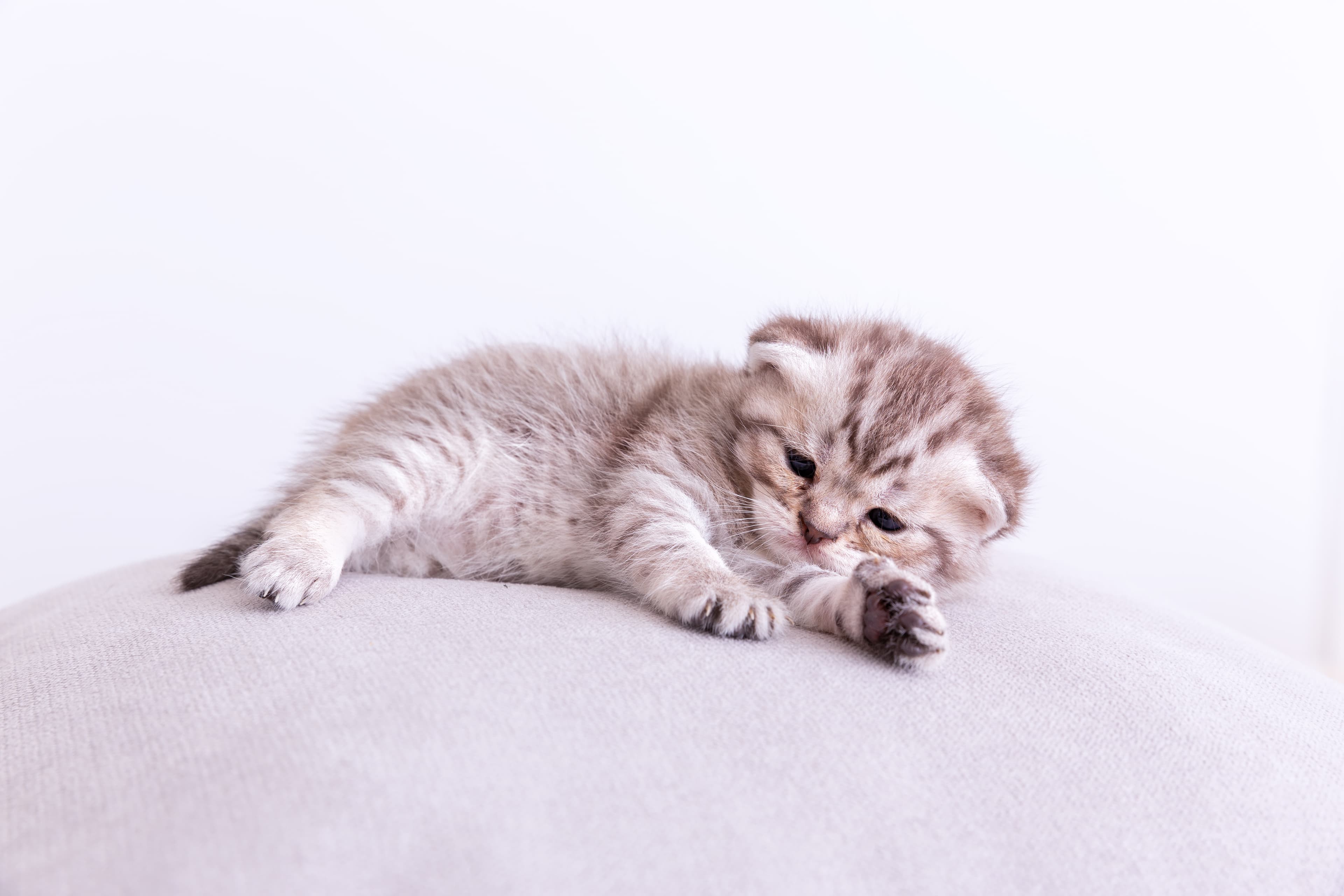
Thinking about bringing another kitten home? It’s normal to feel a bit worried about possible digestive issues. Loose stools are fairly common in kittens, but if they continue, a mild problem can quickly turn into something more serious.
Because kittens are small and still developing, they can become dehydrated very quickly. That’s why it’s essential to monitor their digestive health closely. If your kitten has diarrhea, early attention and proper care can help them recover faster and get back to their playful, energetic routine. If the symptoms last more than a day or come with vomiting, low energy, or a loss of appetite, contacting a veterinarian is the safest step.

Why Does My Kitten Have Diarrhea?
Many people assume that diarrhea is a disease on its own, but it’s actually a symptom that something is affecting your kitten’s digestive system. Diarrhea happens when stool moves too quickly through the intestines, which prevents the body from absorbing enough water, nutrients, and electrolytes.
If you’ve ever typed “my kitten has diarrhea” into Google, you’ve probably seen that kittens have delicate digestive systems. Anything that disrupts their normal routine can trigger loose stools. Common causes include sudden diet changes, internal parasites, bacterial or viral infections, food intolerance, or even the stress of moving to a new home.
When trying to figure out why your kitten has diarrhea, consider their age, any recent changes in their environment, and what they’ve eaten in the last 24 hours. Very young kittens are especially vulnerable and may need prompt veterinary attention. Keeping track of these details can help you and your vet identify the underlying cause and choose the right treatment.
Kitten Diarrhea Causes
There are many possible reasons a kitten’s digestive system can become upset. Some triggers are mild and temporary, while others need prompt attention. That’s why it’s important to notice whether your kitten has diarrhea that continues over time or is dealing with brief stomach discomfort.
Understanding these potential causes can help you respond quickly and support your kitten’s health.
Dietary Causes
Cause | Why It Happens | Key Symptoms / Risks |
Cow’s Milk | Most weaned kittens and adult cats are lactose intolerant because they produce very little lactase, the enzyme needed to digest milk. | Gas, bloating, and watery diarrhea. |
New or Low-Quality Food | Sudden diet changes or foods with low-quality fillers can disrupt the gut and are harder to digest. | Immediate digestive upset. Always transition to new food gradually. |
Food Allergies | Some kittens may react to certain proteins, such as chicken or fish. | Ongoing loose stools, itchy or irritated skin. |
Overfeeding | Eating too much food overwhelms the digestive system, causing rapid movement through the intestines. | Undigested food in stool, loose stools. |
Foreign Objects | Eating non-food items (Pica), such as string or rubber bands, irritates or blocks the digestive tract. | Diarrhea, vomiting, and risk of dangerous intestinal obstruction. |
Bacterial Infections
Certain bacteria can disrupt a kitten’s digestive system and lead to inflammation and diarrhea. These infections often spread through contaminated food, water, or surfaces. Young kittens are especially vulnerable because their immune systems are still developing. Below are some of the most common bacterial pathogens:
E. coli: This bacterium can cause sudden diarrhea and may lead to dehydration if not treated promptly.
Salmonella: Often linked to raw diets or contaminated food. Infected kittens may have loose stools with traces of blood or mucus, along with fever or low energy.
Clostridium perfringens: This organism can irritate the intestines, leading to mucus in the stool and difficulty passing stool.
Campylobacter: Most common in kittens under six months of age. It may cause frequent watery stools, sometimes with small amounts of blood.
Yersinia: Spread through contaminated food or water. Infected kittens may experience abdominal discomfort and frequent defecation.
If your kitten shows these symptoms, especially if they persist, worsen, or are accompanied by fever or lethargy, contacting a veterinarian is the safest next step.
Viral Infections
In addition to bacterial infections, unvaccinated kittens are at risk of certain viral infections that can cause diarrhea and other serious health problems.
Panleukopenia (Feline Parvovirus): This virus targets rapidly dividing cells in the intestines, leading to severe diarrhea, vomiting, and dehydration. It is highly contagious and can be life-threatening.
Feline Leukemia Virus (FeLV) and Feline Immunodeficiency Virus (FIV): These retroviruses weaken a kitten’s immune system, making them more prone to diarrhea and secondary infections.
Rotavirus: Rare in kittens but contagious, it can spread to humans in close contact. Maintaining proper hygiene is important to reduce the risk.
According to research from the Cornell Feline Health Center, vaccination is the most effective way to protect kittens from viral infections that cause diarrhea, particularly Panleukopenia. Keeping vaccinations up to date is essential for a kitten’s long-term health.
Intestinal Parasites
Parasite | Symptoms / Appearance | Risks / Notes |
Roundworms | Pot-bellied, ravenous appetite | Poor weight gain |
Hookworms | Dark stools, anemia | Blood loss, weakness |
Tapeworms | Rice-like segments near rectum | Diarrhea, discomfort |
Whipworms | Rare | Bloody diarrhea, inflammation |
Giardia / Tritrichomonas | Foul-smelling, greasy stools | Persistent diarrhea |
Coccidia / Toxoplasma | Mucus or blood in stool | Intestinal irritation |
Intestinal parasites are another common cause of diarrhea in kittens. Veterinary studies from several regions, including parts of Southeast Asia, show that parasite infections are widespread, especially in young or stray kittens.
Roundworms:
Kittens infected with roundworms may develop a swollen, pot-bellied appearance. They often seem constantly hungry but may still fail to gain weight properly.
Hookworms:
These parasites attach to the intestinal lining and feed on blood. Affected kittens may develop anemia and pass very dark stools.
Tapeworms:
Tapeworm segments may appear as small, rice-like pieces near the rectal area. Infections can lead to diarrhea and digestive discomfort.
Whipworms:
Rare in cats, but when present, they can cause intestinal inflammation and diarrhea.
Giardia and Tritrichomonas foetus:
These microscopic parasites often cause persistent diarrhea that may appear greasy and have a strong odor.
Coccidia and Toxoplasma:
These parasites can irritate the intestines and may lead to diarrhea with mucus.
Regular veterinary checkups and routine deworming are essential for preventing parasite-related diarrhea. Early treatment helps protect your kitten’s digestive health and prevents complications that can worsen over time.
Stress and Environmental Changes
A kitten’s digestive system is closely linked to their brain, often referred to as the gut–brain connection. Stress can trigger a condition known as stress-related colitis, where anxiety leads to inflammation in the intestines and results in diarrhea.
Common stressors include moving to a new home, being separated from their mother, adjusting to a new diet, or meeting new people or pets. While short-term stress may cause mild digestive upset, ongoing anxiety can weaken a kitten’s immune system and make diarrhea last longer or return frequently.
Because kittens are still learning to adapt to changes, providing a calm, stable environment can play an important role in supporting their digestive and overall health.
Toxins and Ingested Irritants
In addition to stress, many everyday household items can irritate a kitten’s digestive system or be highly toxic. Cleaning products, certain human medications (including some pain relievers), and common houseplants can all cause digestive upset if ingested.
Substances such as household cleaners, human medications, or toxic plants may lead to diarrhea, vomiting, and other serious health problems. According to the ASPCA Toxic Plant List, plants like lilies (Lilium species) are especially dangerous for cats. Even small exposures can cause gastrointestinal symptoms and may lead to severe kidney damage.
Because kittens are curious and explore with their mouths, it’s important to keep potentially harmful substances out of reach and seek immediate veterinary care if toxin exposure is suspected.

Diarrhea in Kittens: Types and Colors
Stool Type / Color | Possible Cause | Action / Urgency |
Bright Red (Hematochezia) | Lower intestinal bleeding, colitis, coccidia | Veterinary attention |
Dark/Tarry (Melena) | Upper GI bleeding | Immediate vet visit |
Yellow | Bile or gut bacterial imbalance | Vet if persistent >24 hrs, immediate if <4 months |
Greasy / Foul-smelling | Giardia / Tritrichomonas | Vet evaluation, possible treatment |
Regularly checking your kitten’s stool consistency and color can provide useful clues about their overall health. These observations can help you tell the difference between mild digestive upset and a situation that needs urgent veterinary care. Taking clear photos of your kitten’s stool can also help your vet make a quicker and more accurate assessment.
Bloody Diarrhea in Kittens
If you notice blood in your kitten’s stool, it usually means there is irritation, inflammation, or damage somewhere in the digestive tract. Bloody diarrhea should never be ignored.
Bright Red Blood (Hematochezia): This type of bleeding comes from the lower intestines or colon. It is often linked to conditions such as colitis, parasites like coccidia, or bacterial infections.
Dark, Tarry Stool (Melena): Dark, sticky stools may indicate bleeding higher up in the digestive system, such as the stomach or small intestine. This is more serious and requires prompt veterinary attention.
If bloody diarrhea appears suddenly, worsens, or is accompanied by lethargy, vomiting, or loss of appetite, contacting a veterinarian as soon as possible is essential.
Kitten Vomiting and Diarrhea
A kitten having diarrhea and vomiting at the same time can quickly lose fluids and essential nutrients. This combination increases the risk of dehydration and can turn into a medical emergency if not treated promptly.
Common causes include serious infections, such as Panleukopenia, or accidental ingestion of toxins or harmful substances.
What to do:
Closely monitor your kitten for warning signs like dry gums, low energy, or sunken eyes, which can indicate dehydration. If you notice these symptoms, or if vomiting and diarrhea continue for more than a short period, seek immediate veterinary care. Early treatment can be lifesaving for young kittens.
Yellow Diarrhea in Kittens
If your kitten has yellow-colored stool, it may indicate a digestive imbalance, often linked to problems with bile digestion or changes in gut bacteria.
Kittens under 4 months old:
Seek veterinary care immediately. Young kittens dehydrate very quickly and cannot safely tolerate ongoing diarrhea.
Older kittens:
If your kitten is otherwise active and eating, you may monitor the symptoms briefly. However, if yellow diarrhea lasts longer than 24 hours, a veterinary visit is recommended.
Chronic cases:
Ongoing yellow diarrhea may point to underlying conditions such as liver-related issues or persistent bacterial overgrowth and should always be evaluated by a veterinarian.
Early attention helps prevent dehydration and supports a faster recovery.
Kitten Diarrhea Treatment
Now that you understand the common causes and types of diarrhea in kittens, the next step is creating an effective treatment plan. Proper treatment always starts with identifying the underlying cause.
Veterinary Diagnosis
Veterinarians focus first on determining why a kitten has diarrhea. The diagnostic process usually begins with a physical examination and a fecal analysis to check for parasites, including eggs that may be detected through a fecal flotation test.
In some cases, additional tests may be needed. These can include rapid antigen tests for certain parasites, PCR panels to detect bacterial or viral DNA, or other targeted screening methods. If symptoms are severe, persistent, or worsening, a veterinarian may recommend further testing such as blood work, urinalysis, or imaging studies like X-rays to evaluate organ function and rule out more serious conditions.
Early and accurate diagnosis allows for targeted treatment and greatly improves a kitten’s chances of a full recovery.
Medical Treatment Options
Once a veterinarian has identified the cause of diarrhea, they may recommend a combination of treatments to help your kitten recover safely and quickly.
Fluids: Subcutaneous (under the skin) or intravenous (IV) fluids may be administered to restore hydration and balance electrolytes, especially in kittens at risk of dehydration.
Dewormers and Antibiotics: Parasite infections can be treated with deworming medications such as fenbendazole. Bacterial infections may require antibiotics, for example, metronidazole, under veterinary guidance.
Probiotics and Anti-Diarrheal Support: Certain probiotics, such as Enterococcus faecium, can help restore healthy gut flora and support digestion. These are often used alongside other treatments to improve recovery.
Hospitalization or Surgery: In severe cases, such as infections with parvovirus, intestinal blockages, or dangerous parasite infestations, hospitalization or surgical intervention may be necessary.
Following your veterinarian’s guidance closely ensures the best outcome and helps prevent complications from diarrhea or underlying conditions.
Home Remedies (for Mild Cases)
For older kittens with mild diarrhea, proper home care may help support recovery alongside veterinary advice. Some safe strategies include:
Bland Diets:
Feeding easily digestible foods, such as plain cooked chicken or rice, can give the digestive system a break.
Probiotics:
Certain feline-safe probiotics can help restore healthy gut bacteria and improve stool consistency.
Temporary Fasting:
Under veterinary guidance, fasting for 12 to 24 hours may help older kittens’ digestive systems reset.
Important Safety Notes:
Never attempt these methods with very young kittens, as they are at risk of low blood sugar (hypoglycemia).
Avoid giving human medications, such as Pepto-Bismol, unless explicitly prescribed by a veterinarian.
Home care can support recovery for mild cases, but persistent or severe diarrhea always requires professional veterinary attention.

What to Feed a Kitten with Diarrhea?
Keeping your kitten well-hydrated and providing easily digestible food is essential for a quick recovery. According to Zoetis, combining proper nutrition with hydration can significantly improve recovery time.
Bland Diet:
Offer a simple, gentle diet such as a mix of half a portion of boiled rice and one portion of skinless, boiled chicken. This is easy on the digestive system and helps reduce irritation.
Hydration:
Always provide fresh water. If recommended by your veterinarian, you can also offer unflavored electrolyte solutions to maintain fluid and electrolyte balance.
Probiotics:
Use veterinary-approved probiotics like FortiFlora or Proviable to support healthy gut bacteria and improve stool consistency.
Fiber Additions:
Small amounts of soluble fiber, such as canned pumpkin, can help regulate stools.
Do’s and Don’ts:
Do: Feed small, frequent portions instead of one large meal.
Don’t: Switch back to regular food immediately. Avoid cow’s milk, as many cats are lactose intolerant.
Following these guidelines can help your kitten’s digestive system recover safely while minimizing discomfort.
When to See a Vet
Kittens have developing immune systems and cannot handle prolonged diarrhea or vomiting. Prompt veterinary care is crucial in many cases. Use this checklist to decide when to seek immediate help:
Your kitten is under four months old and has diarrhea.
Stool contains large amounts of blood or mucus.
Diarrhea has been yellow, explosive, or persistent for more than 24 hours.
Gums appear tacky or dry, which can indicate dehydration.
Your kitten is crying, in pain, has a fever, or is refusing to eat.
If any of these signs are present, contact your veterinarian immediately. Early intervention can prevent serious complications and support a faster recovery.
Key Takeaways
Caring for a sick kitten can be stressful, but having a clear plan helps protect both you and your pet.
Diarrhea is common, but serious if untreated: Parasites, infections like parvovirus, or toxins can quickly turn mild diarrhea into a serious health issue.
Monitor stool carefully: Keep track of your kitten’s stool consistency and color to catch potential problems early.
Hydration is essential: Always ensure your kitten has access to fresh water and, when needed, electrolyte support.
Proper care and nutrition work wonders: Most digestive issues can be managed with a balanced diet, probiotics, and patient observation.
With the right plan and timely care, you can help your kitten recover quickly and return to their happy, playful, and sometimes chaotic life!
Frequently Asked Questions
Why does my kitten always complain of diarrhea after eating wet kitten food?
Some kittens may react to a specific ingredient in wet food or have a mild food allergy. Because their digestive system is still developing, this can result in diarrhea. Switching to a different formula gradually and monitoring their response can help, but persistent symptoms should be evaluated by a veterinarian.
Can two of my kittens using the same litter have diarrhea?
Yes. Diarrhea can spread between kittens through shared litter, especially if one has a viral infection like Panleukopenia or an intestinal parasite such as Giardia. Good hygiene and prompt veterinary care are essential to prevent transmission.
Can a cat normally complain about daily loose stools?
No. Daily loose stools are not normal. Persistent diarrhea may indicate inflammatory bowel disease, a parasitic infection, or a food allergy. If your kitten has ongoing loose stools, a veterinary evaluation is necessary to identify and treat the underlying cause.
Reference List
https://www.researchgate.net/publication/316665845_Milk_for_cats
https://www.joiipetcare.com/blogs/health-conditions/colitis-in-cats
https://www.aspca.org/pet-care/animal-poison-control/cats-plant-list
https://veterinarypartner.vin.com/default.aspx?pid=19239&id=4951545
https://www.zoetispetcare.com/blog/article/how-get-cat-drink-more-water
https://basepaws.com/blog/are-peace-lilies-toxic-to-cats-peace-lily-and-cats-safety-rules