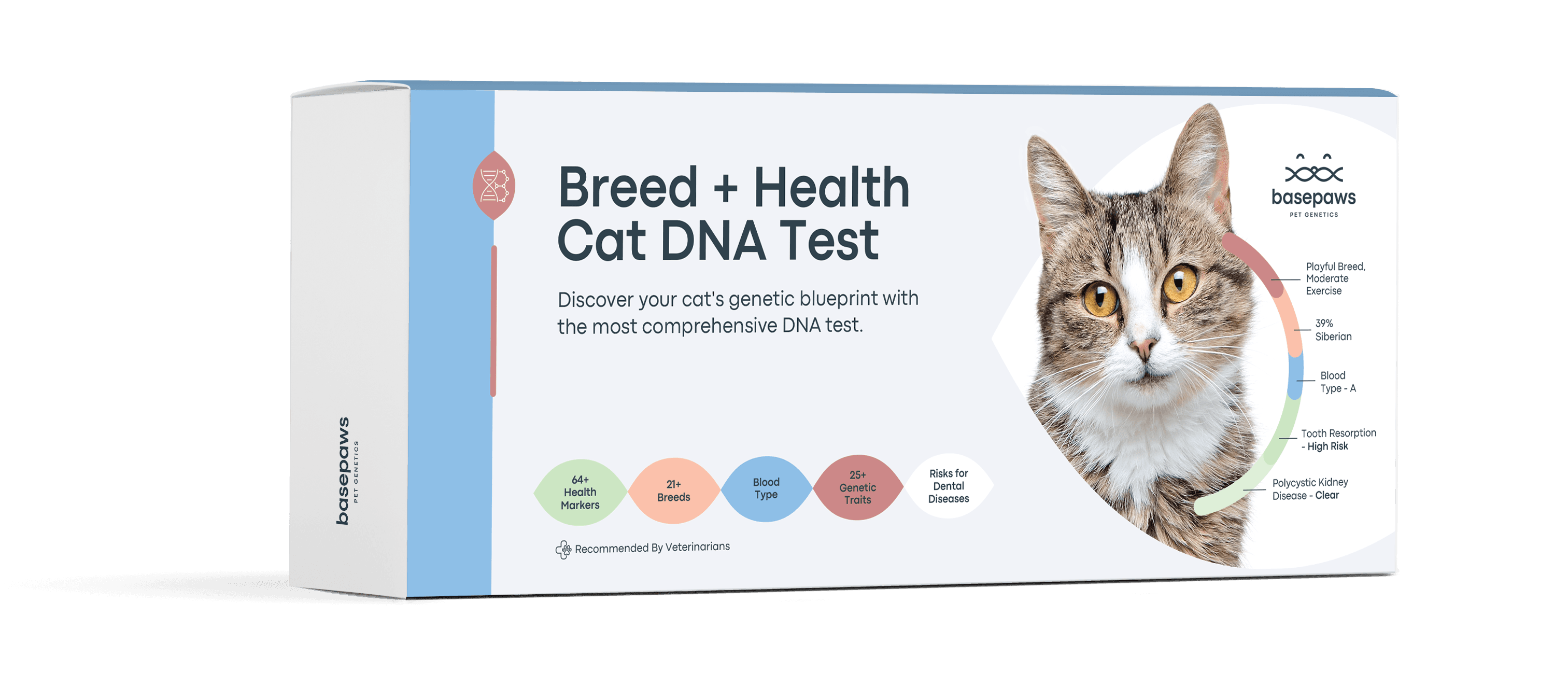
Don't know your cat's breed?
Get our DNA kit!
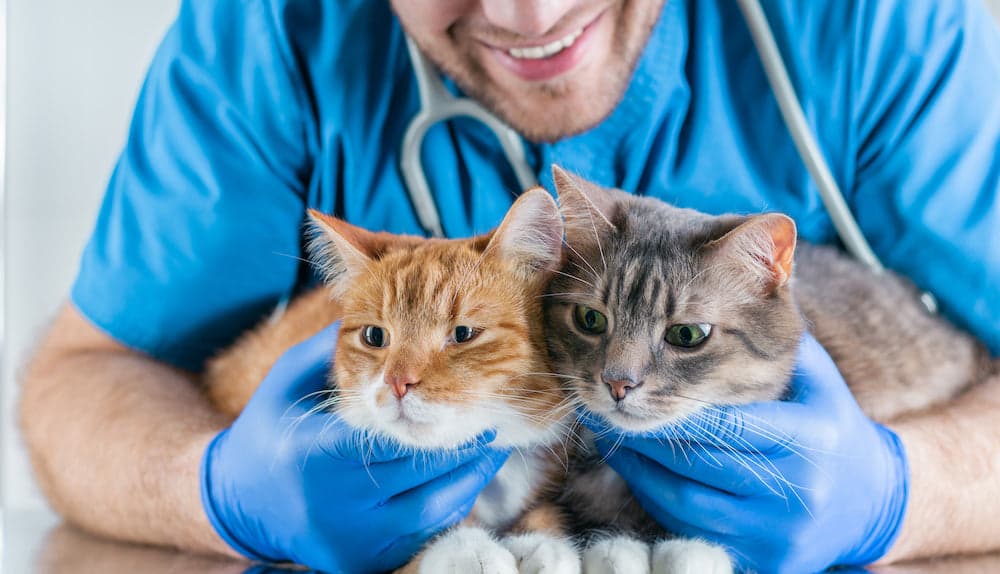
In collaboration with an amazing community of citizen scientists and veterinary partners, Basepaws is advancing its work to uncover the genetic and dental health factors associated with chronic feline diseases.
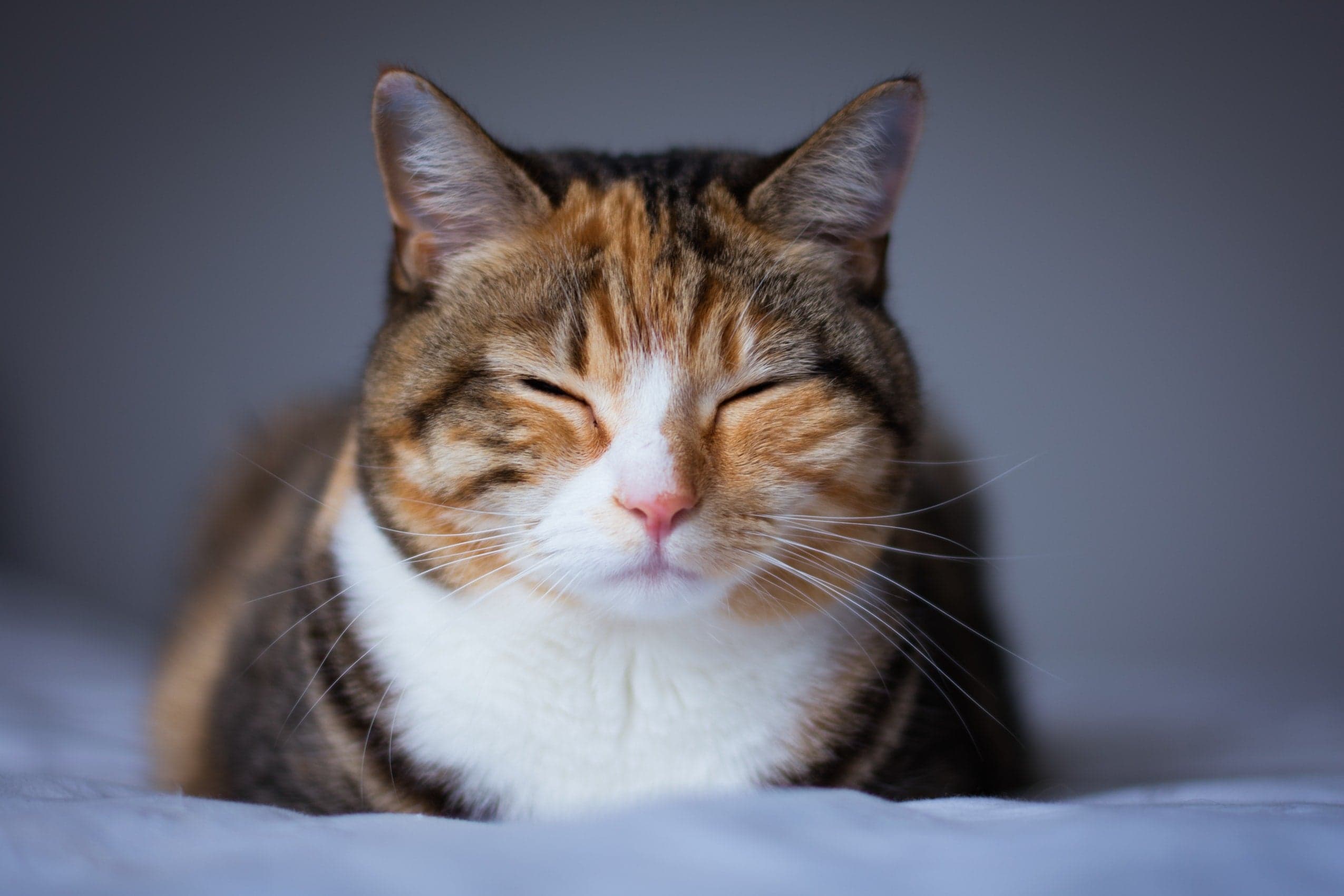
Tooth resorption – also known as feline odontoclastic resorptive lesion (FORL) – is a dental disease characterized by progressive erosion of dentin and tooth destruction. This is a common feline dental disease affecting between 20 and 60% of all cats. Here is what you, as a cat parent, need to know about this commonly underdiagnosed dental health concern.
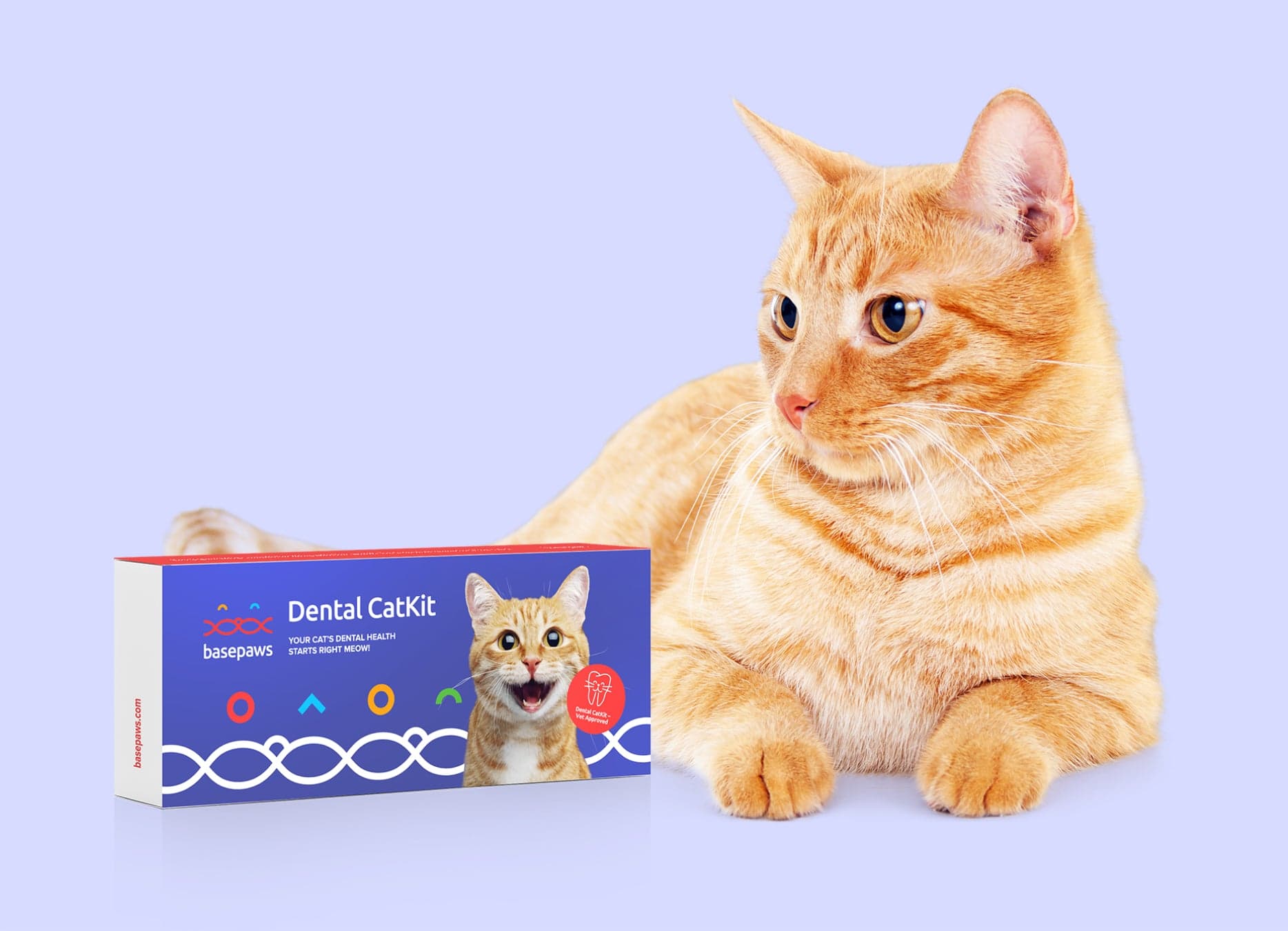
Did you know that dental disease is the #1 condition affecting cats? 70% of cats have developed some form of dental disease by the time they are 3 years old. I don’t want to scare you, but periodontal disease affects up to 80% of ALL adult cats. Gum disease affects 70% of all cats. Tooth resorption affects up to 60% of all cats, and over 70% of cats over the age of five. These statistics are appalling, made even worse by the fact that our cats can’t talk, and thus suffer until it’s too late.
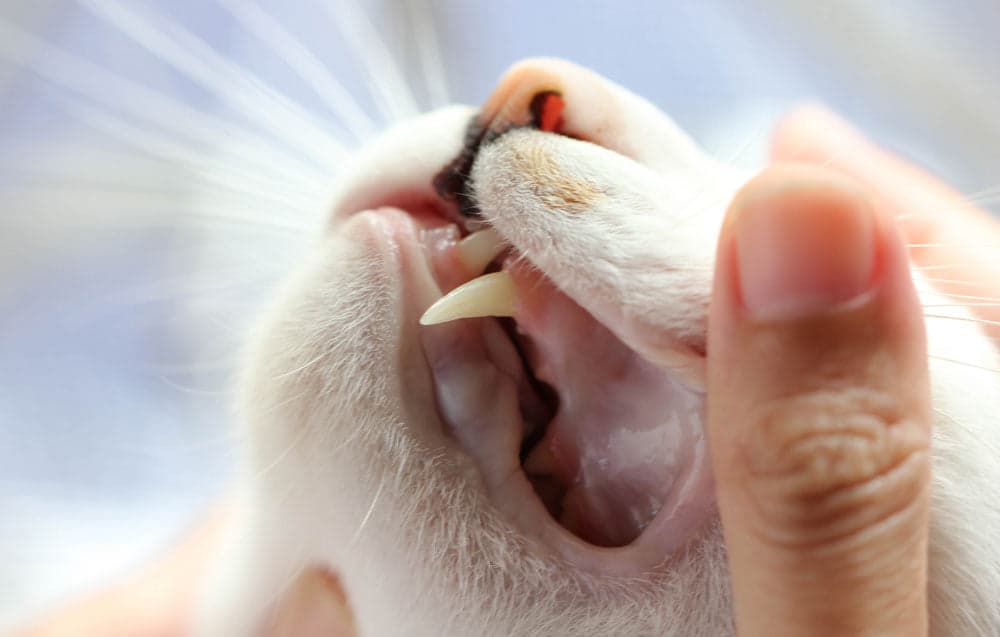
Dental disease can be painful, expensive, and even life-threatening. Since cats don’t brush their teeth everyday like we do, many of them will develop dental disease as early as when they are just 3 years old!
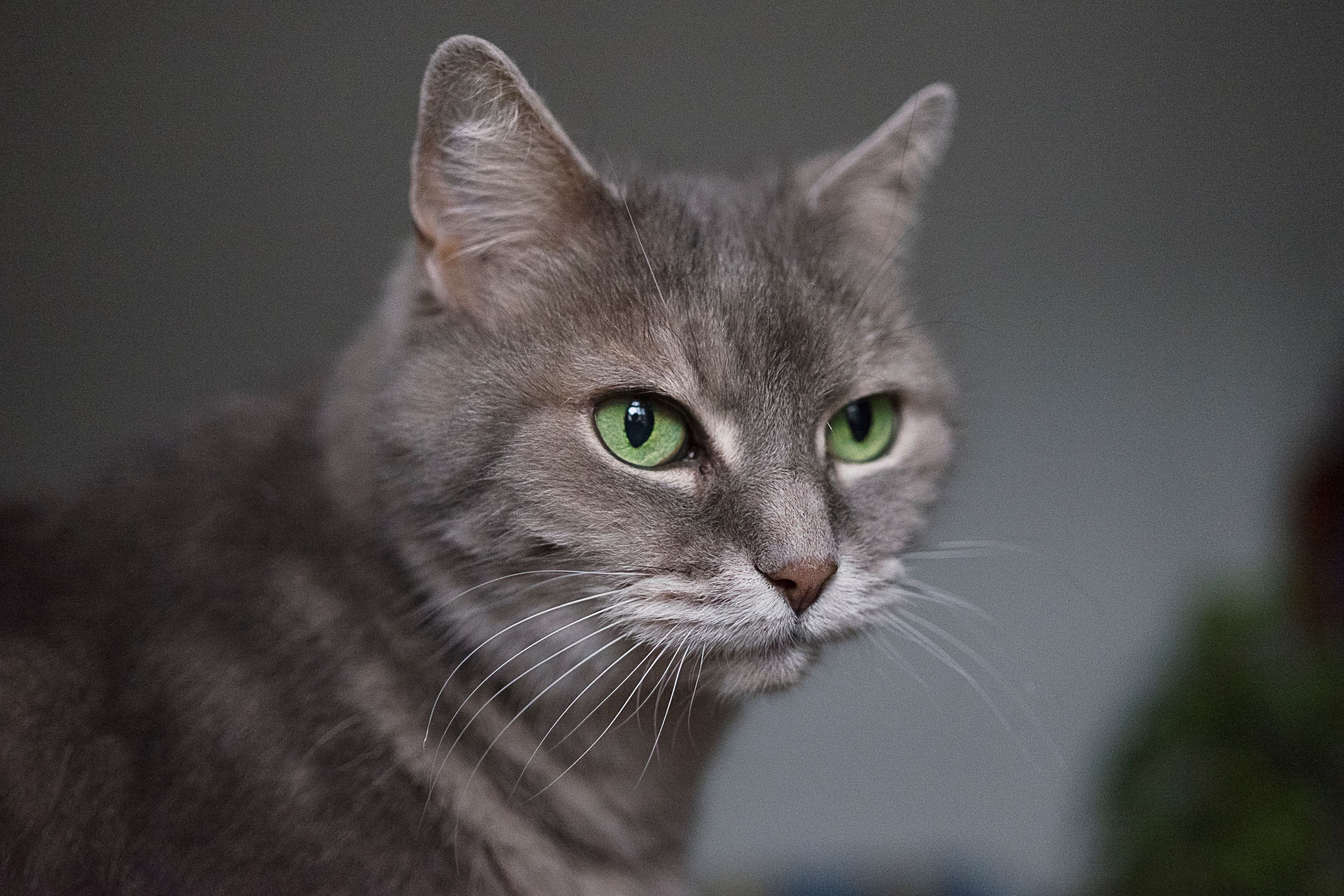
Basepaws has added new genetic health and trait markers to its flagship Breed + Health Cat DNA test. In the Health Marker section of your cat’s report, Basepaws provides their results related to 43 genetic disorders that are represented by 64 health markers.
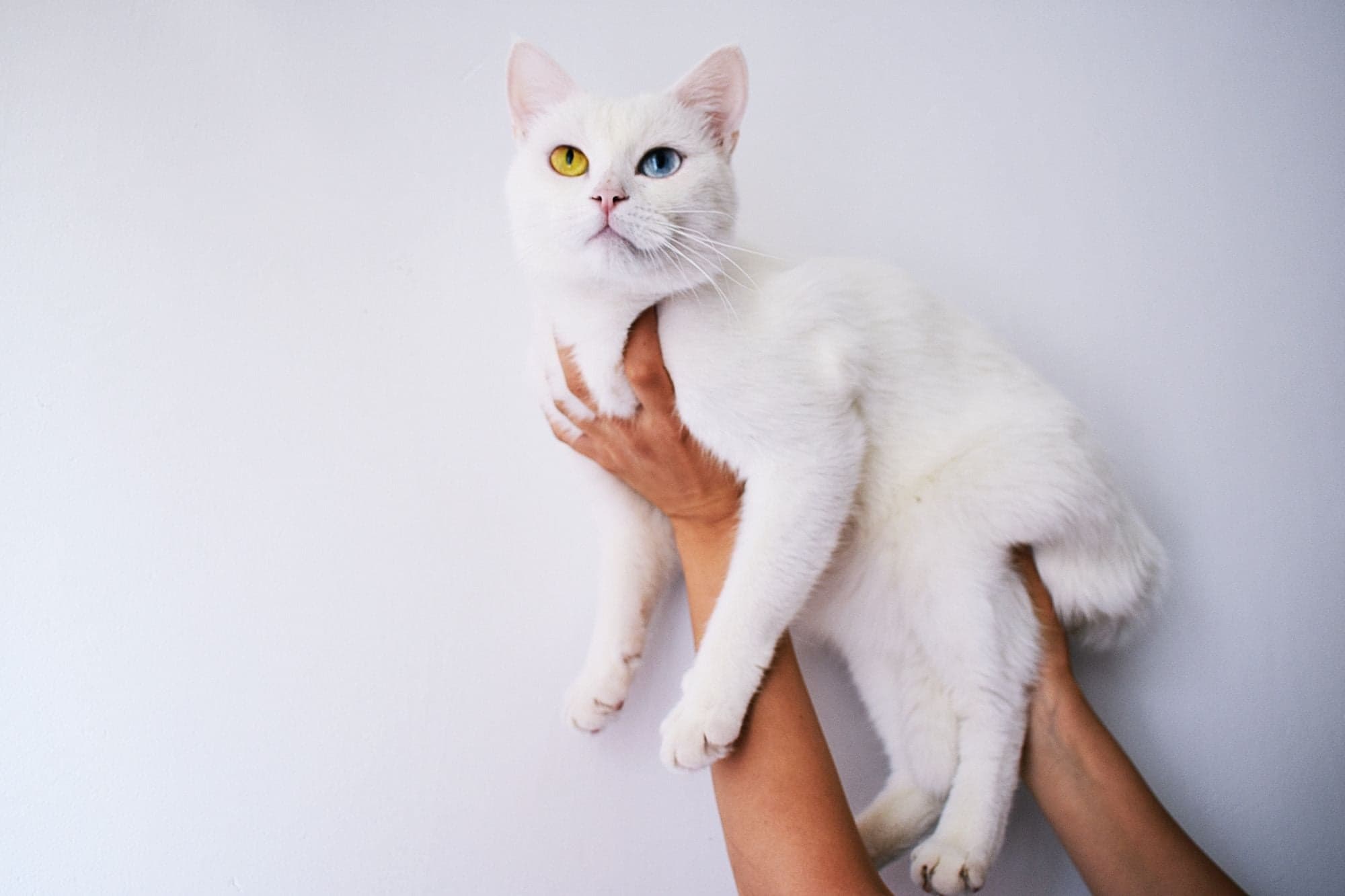
If your beautiful feline’s eyes are two different colors – yellow and blue perhaps – then you’ve got yourself an odd-eyed kitten! These captivating little creatures are carriers of a feline form of a condition known as complete heterochromia. Heterochromia in cats is a captivating genetic anomaly most commonly observed in white kitties.
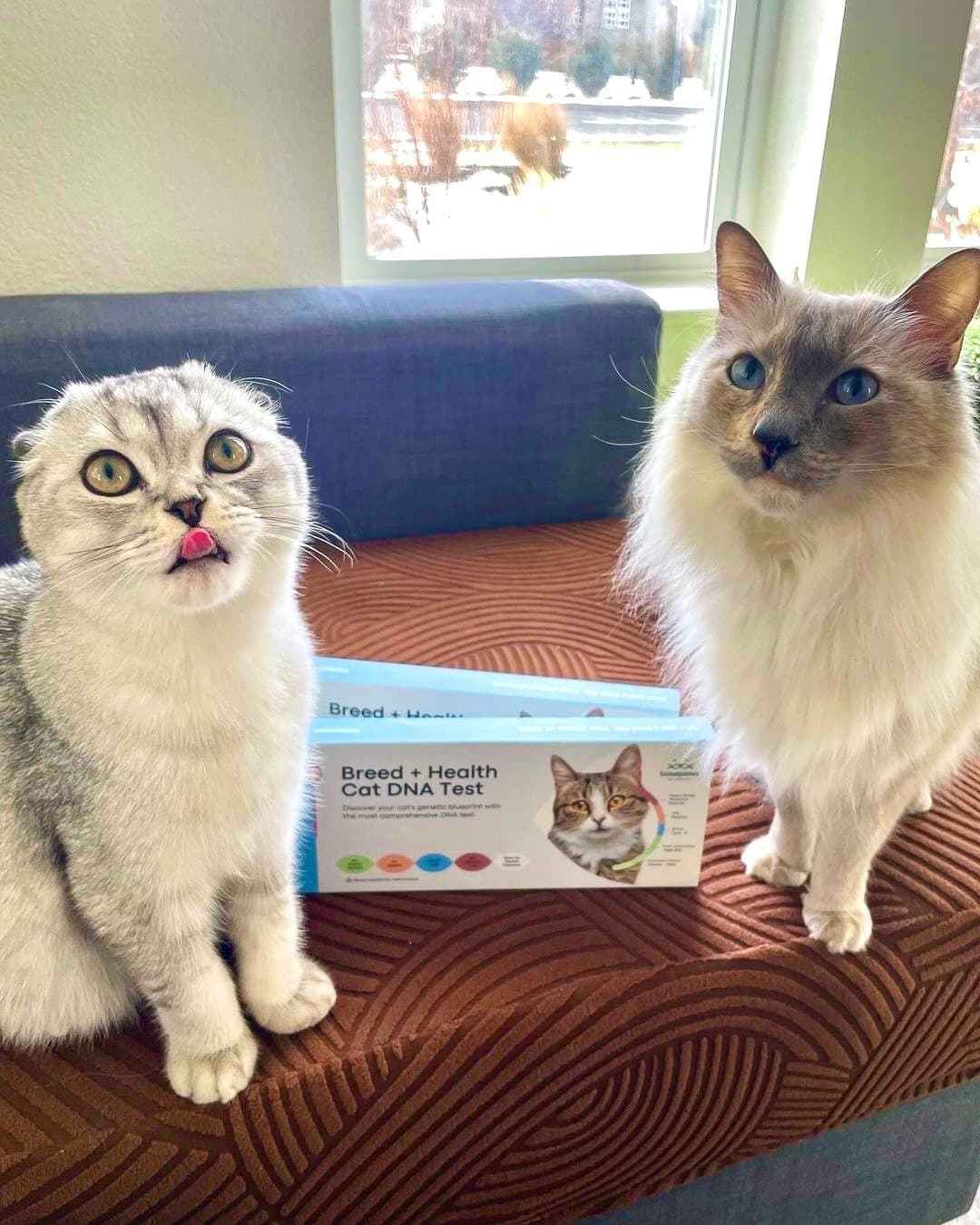
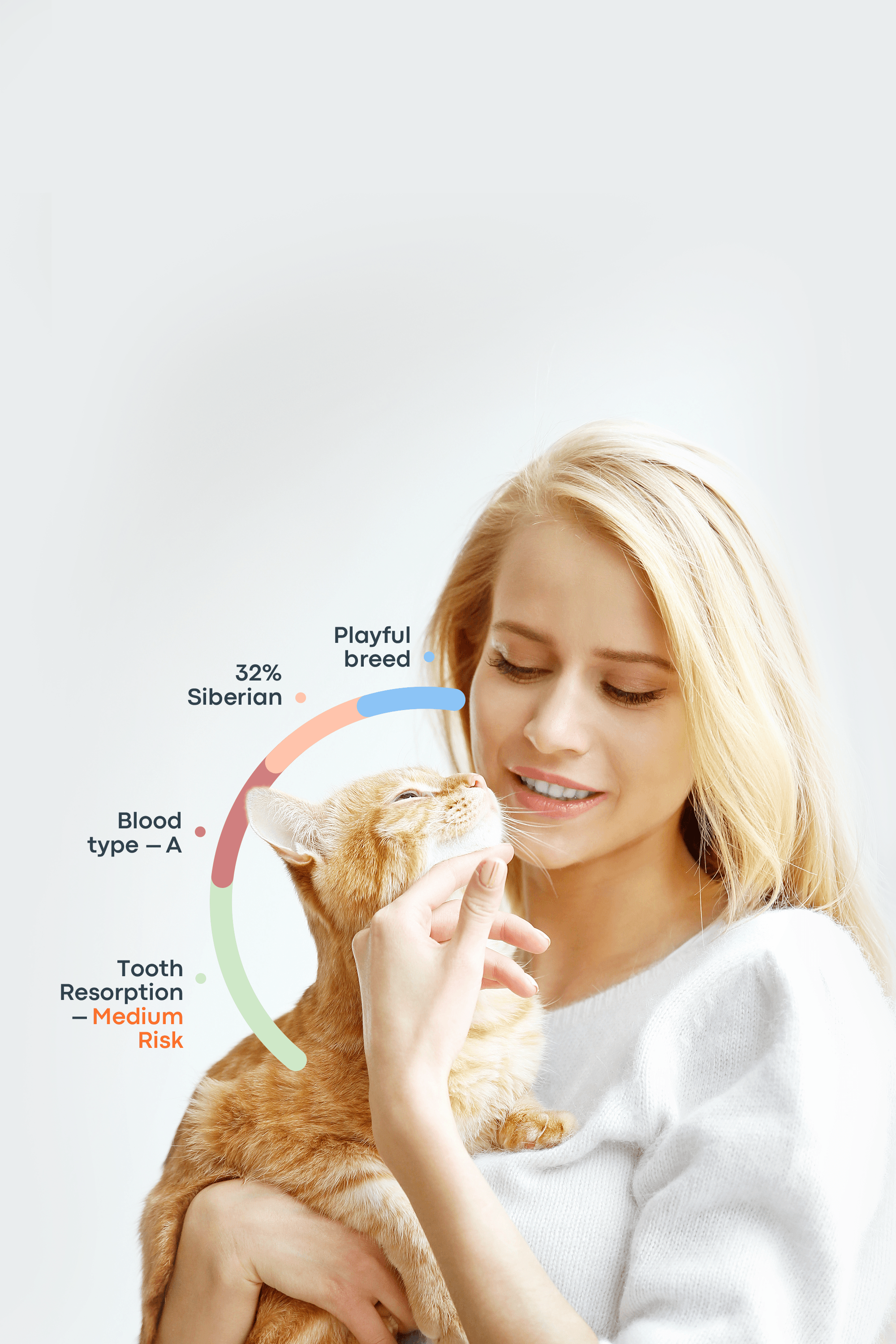
Basepaws provides pet parents like you with comprehensive DNA tests and informative resources to help your cat to live their best life. A quick and easy at-home swab of your kitty's mouth offers a world of valuable information about their unique breed mix, genetic predisposition to 43 health conditions, and genetic traits responsible for their fabulous appearance.

We love spoiling our furry friends, especially on holidays, but what happens when the holiday treats are too tempting, and they take something from the table? That’s when holiday joy turns to anxiety, and we wonder if we need to call the vets! Let’s save you some anxiety - this is our quick guide to holiday foods pets can eat.
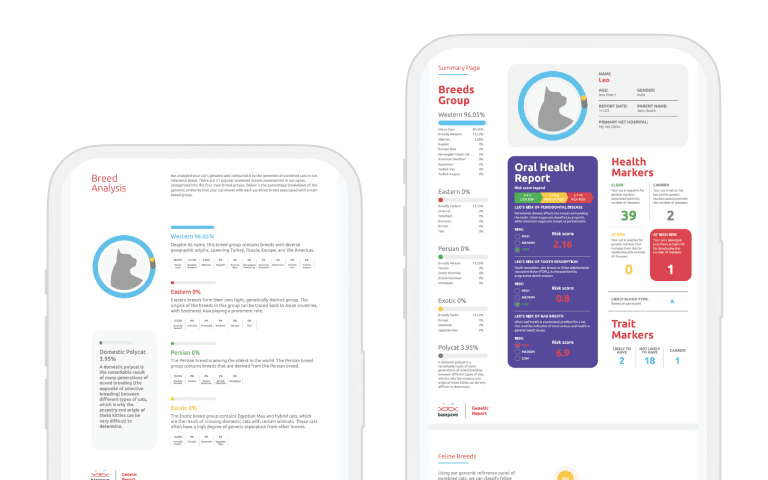
Enter your email to receive a sample cat report and preview the breed and health insights inside.