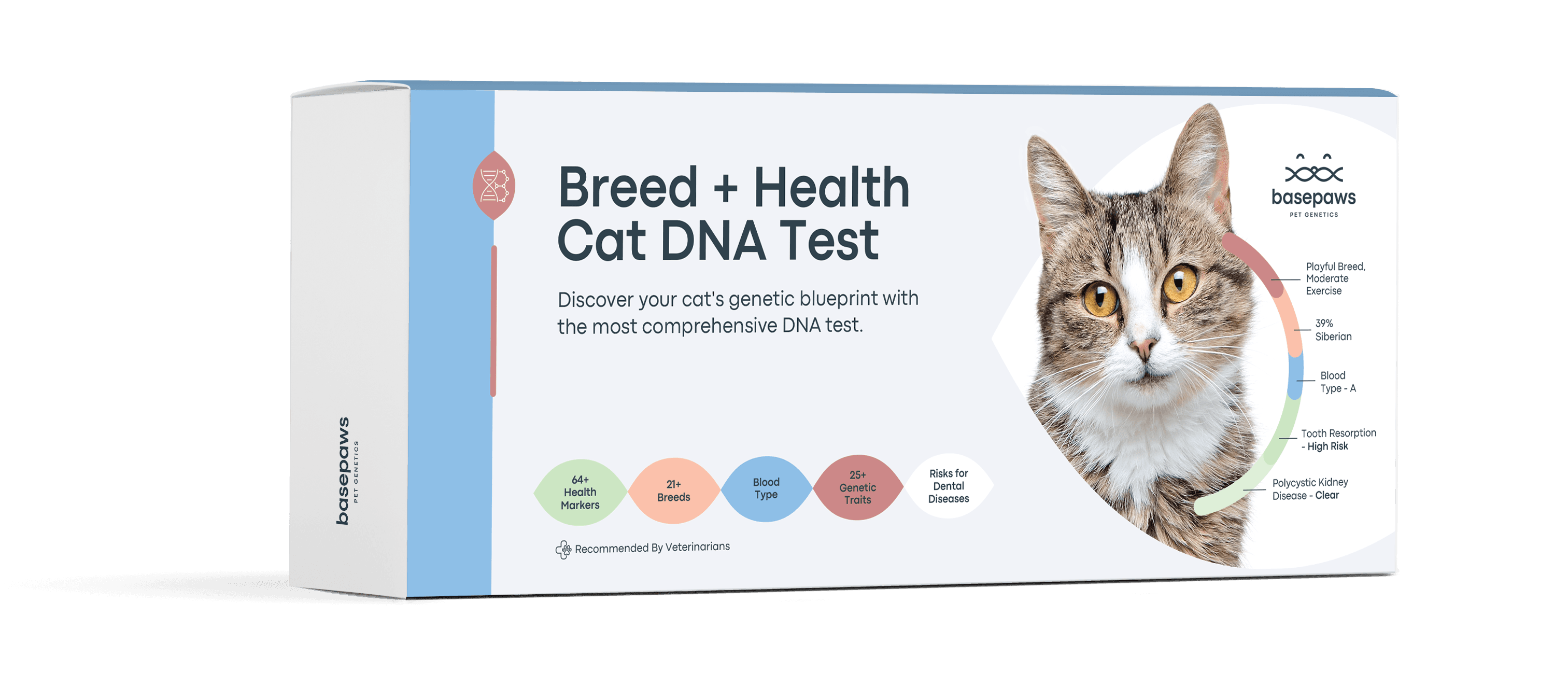
Don't know your cat's breed?
Get our DNA kit!
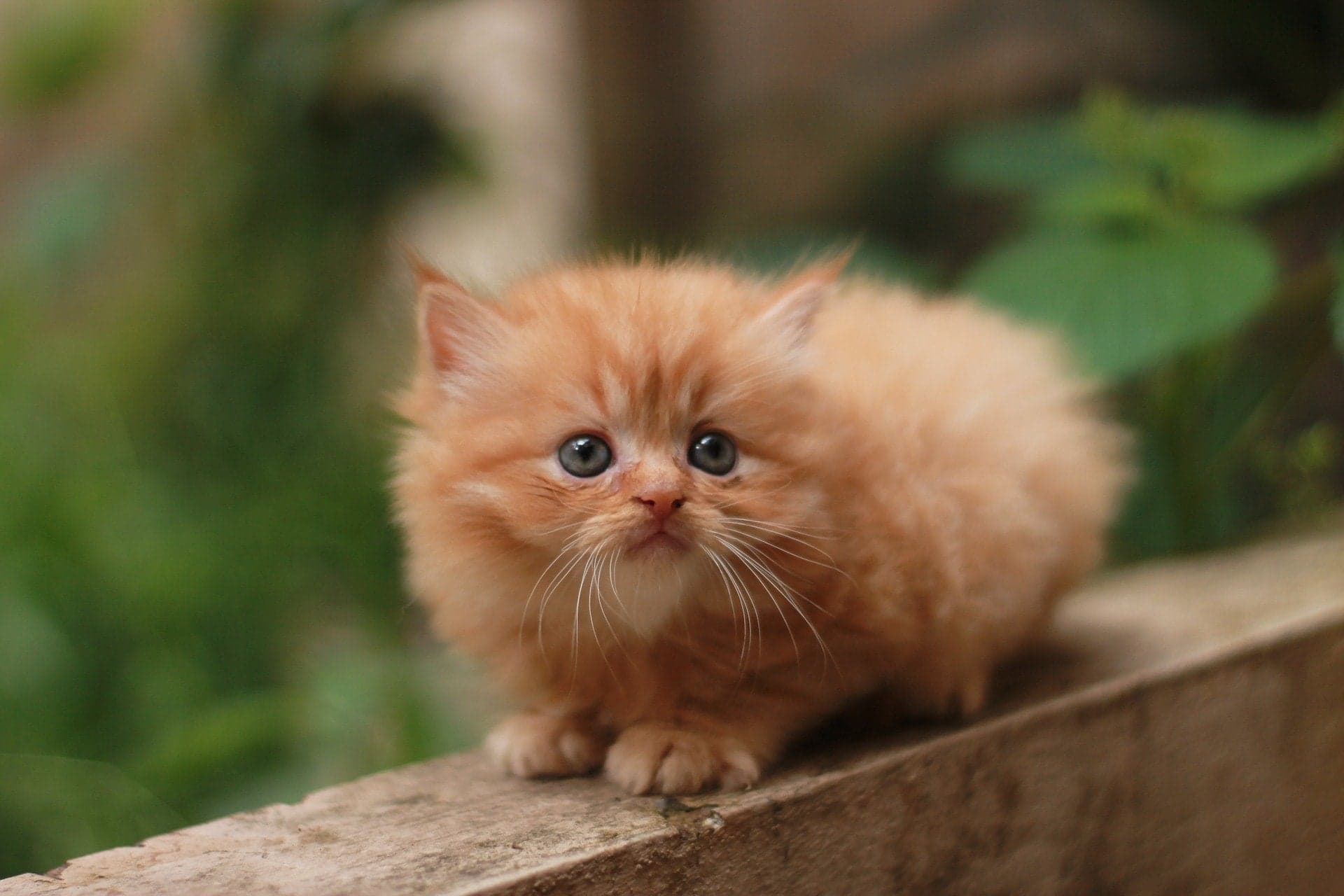
Polycystic kidney disease in cats (PKD) is one of the most common feline genetic diseases. Persian and related cat breeds are known to be at a higher risk.
Congenital myasthenic syndrome (CMS) is a genetic neuromuscular disorder caused by defects at the neuromuscular junction.
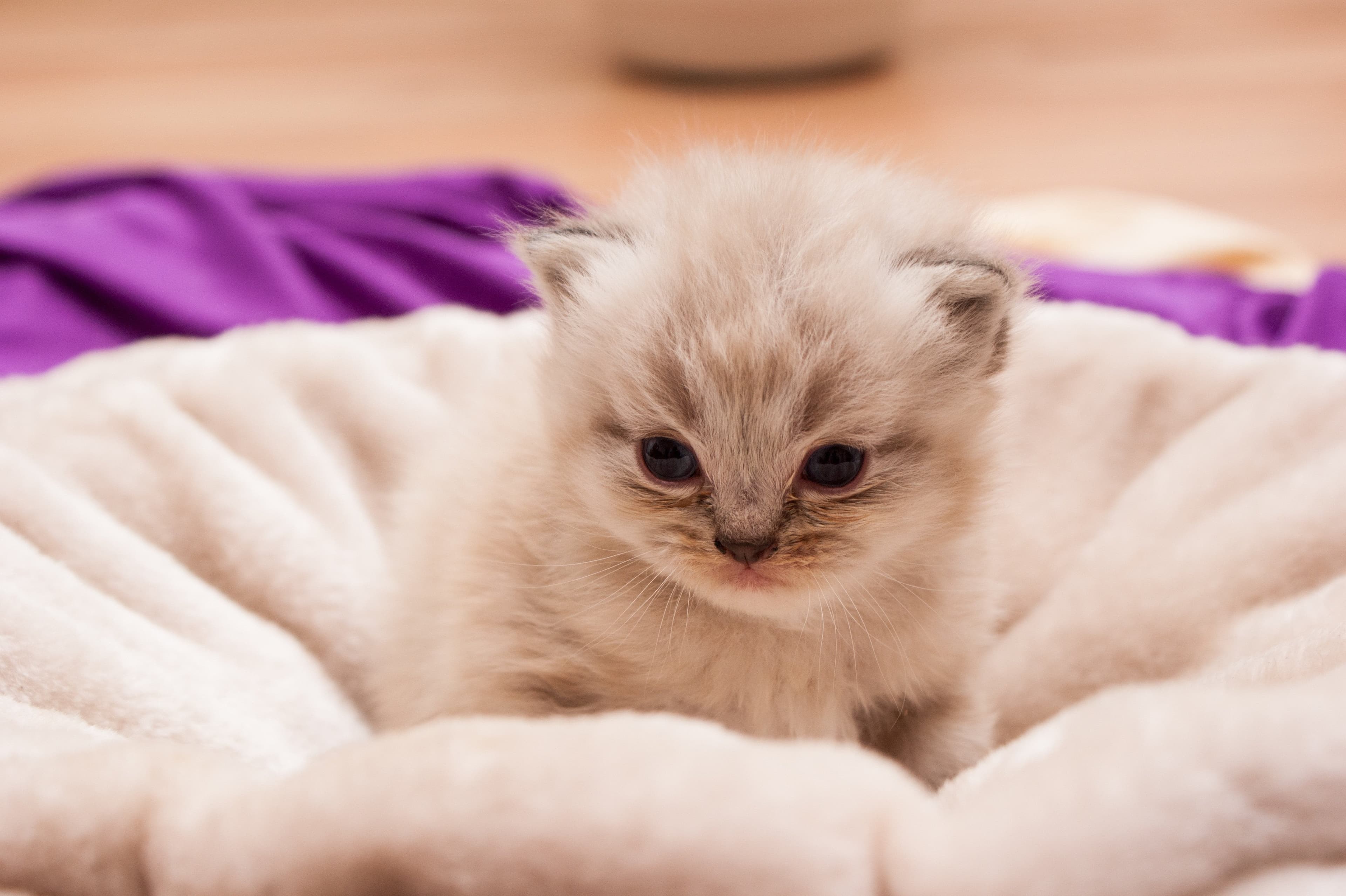
Hypertrophic cardiomyopathy causes thickening of the left ventricle of the heart (left ventricular outflow tract (LVOT) obstruction.
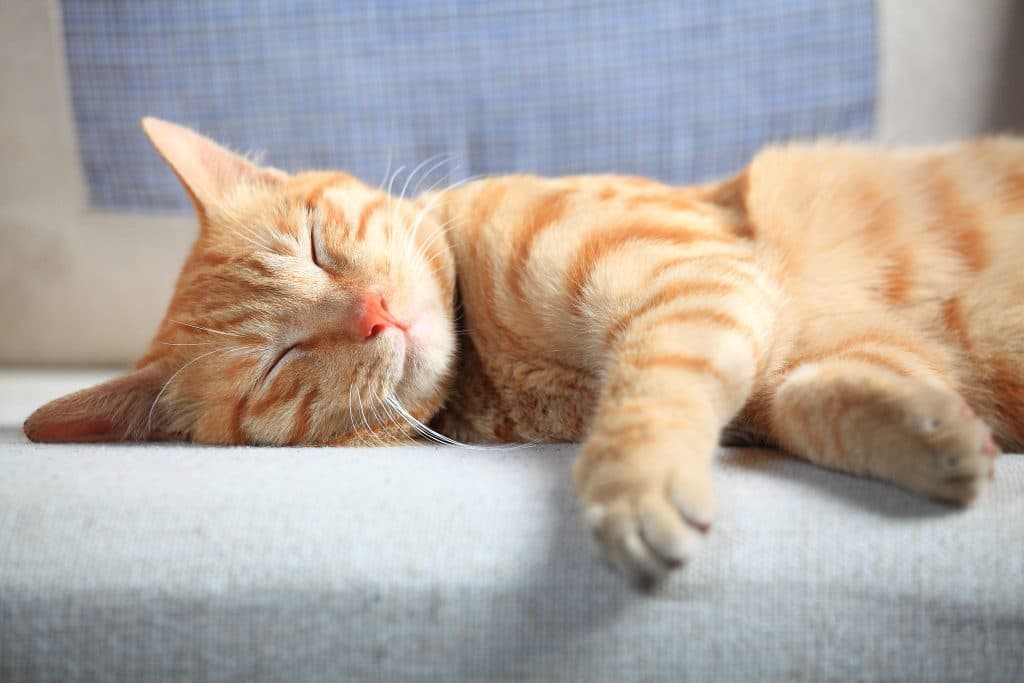
Feline lower urinary tract disease (FLUTD) affects about 0.5-1% of feline population. Here is what you need to know about this health concern in cats.
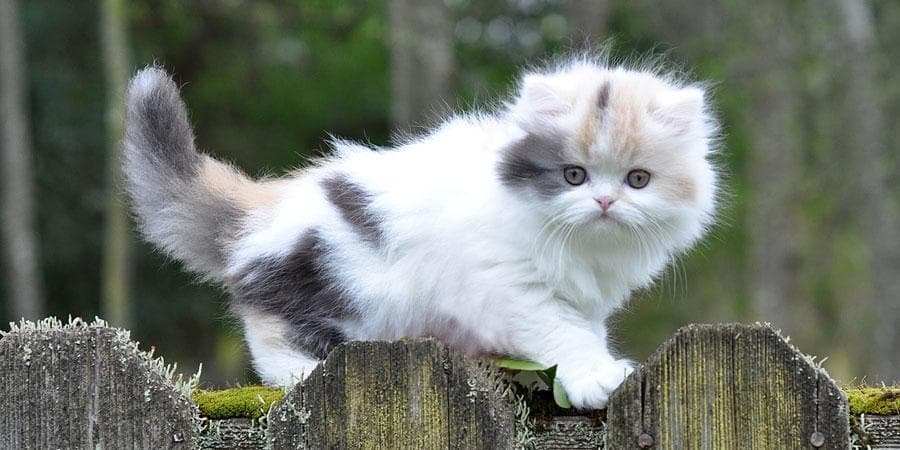
Feline dwarfism is a condition caused by genetic anomalies which lead to stunted growth and abnormal feline body proportions.
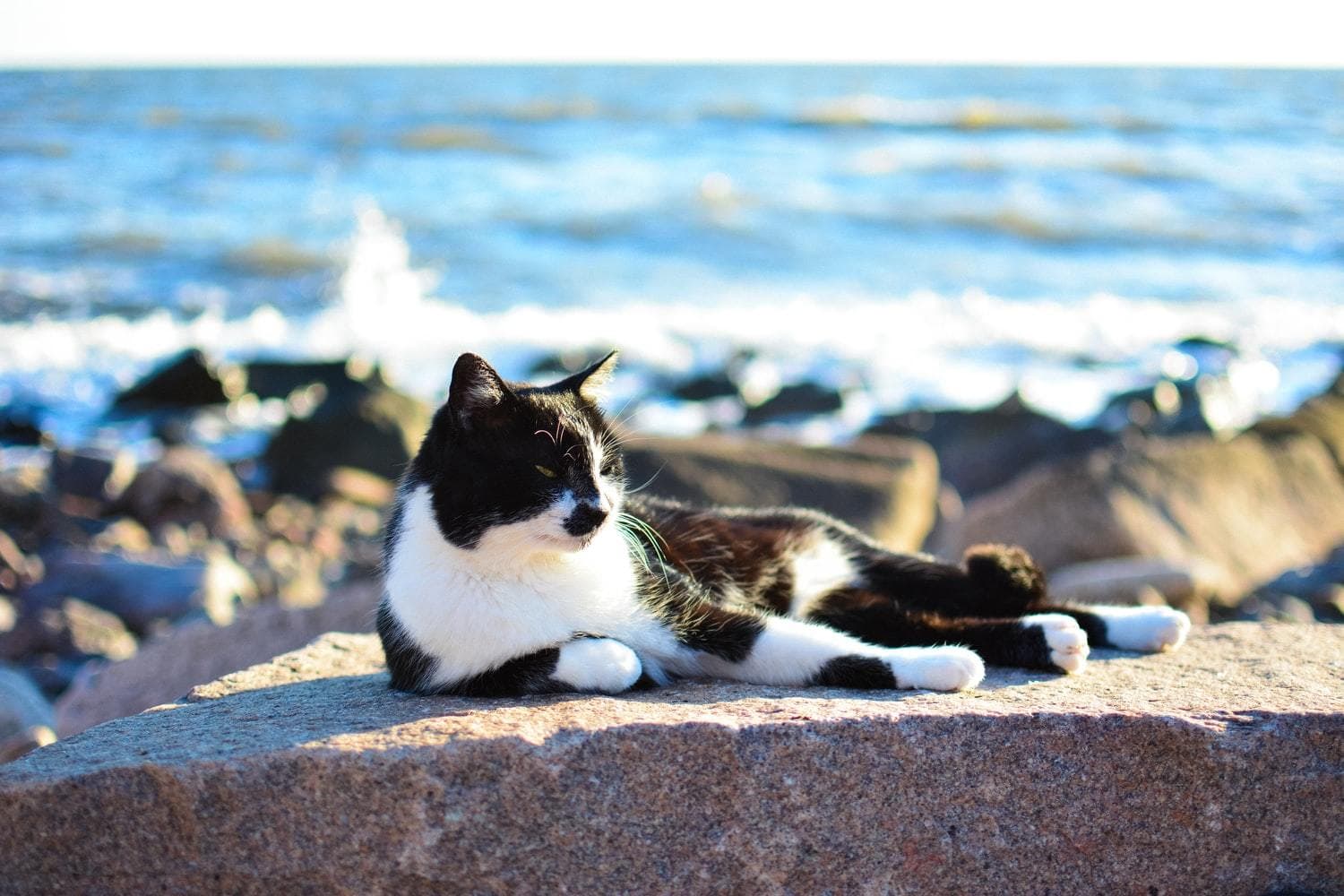
Feline Myotonia Congenita (MC) is a hereditary neuromuscular disorder characterized by persistent contraction, particularly during the muscle movement.
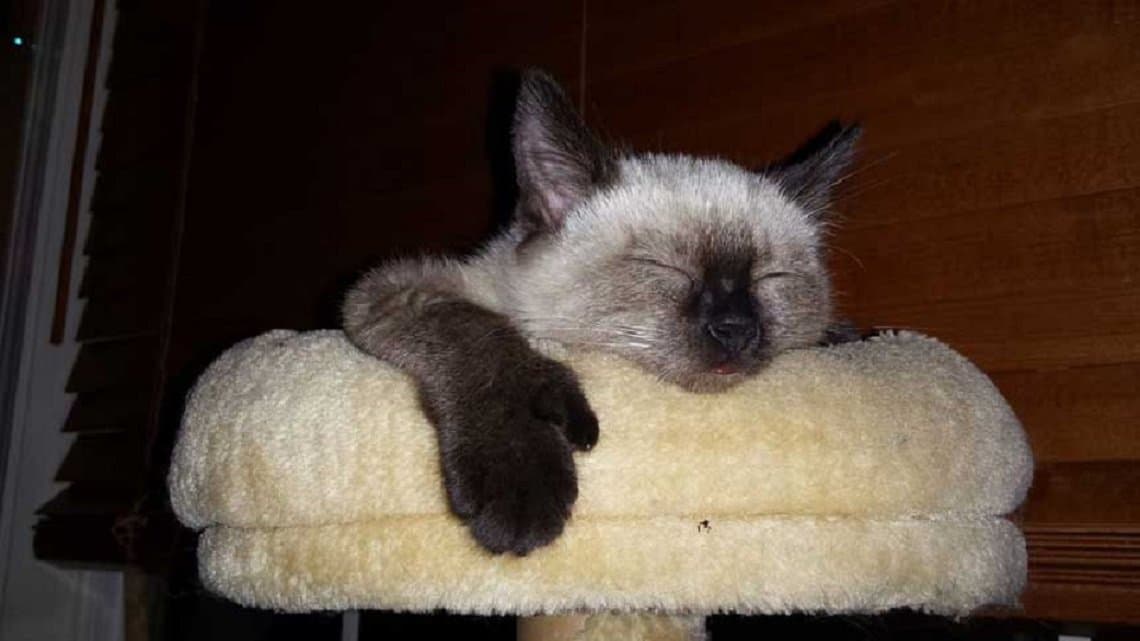
Paws are cute. And who has extra-adorable paws? Hemingway cats, of course! Hemingway cats are carriers of a genetic anomaly polydactyly.
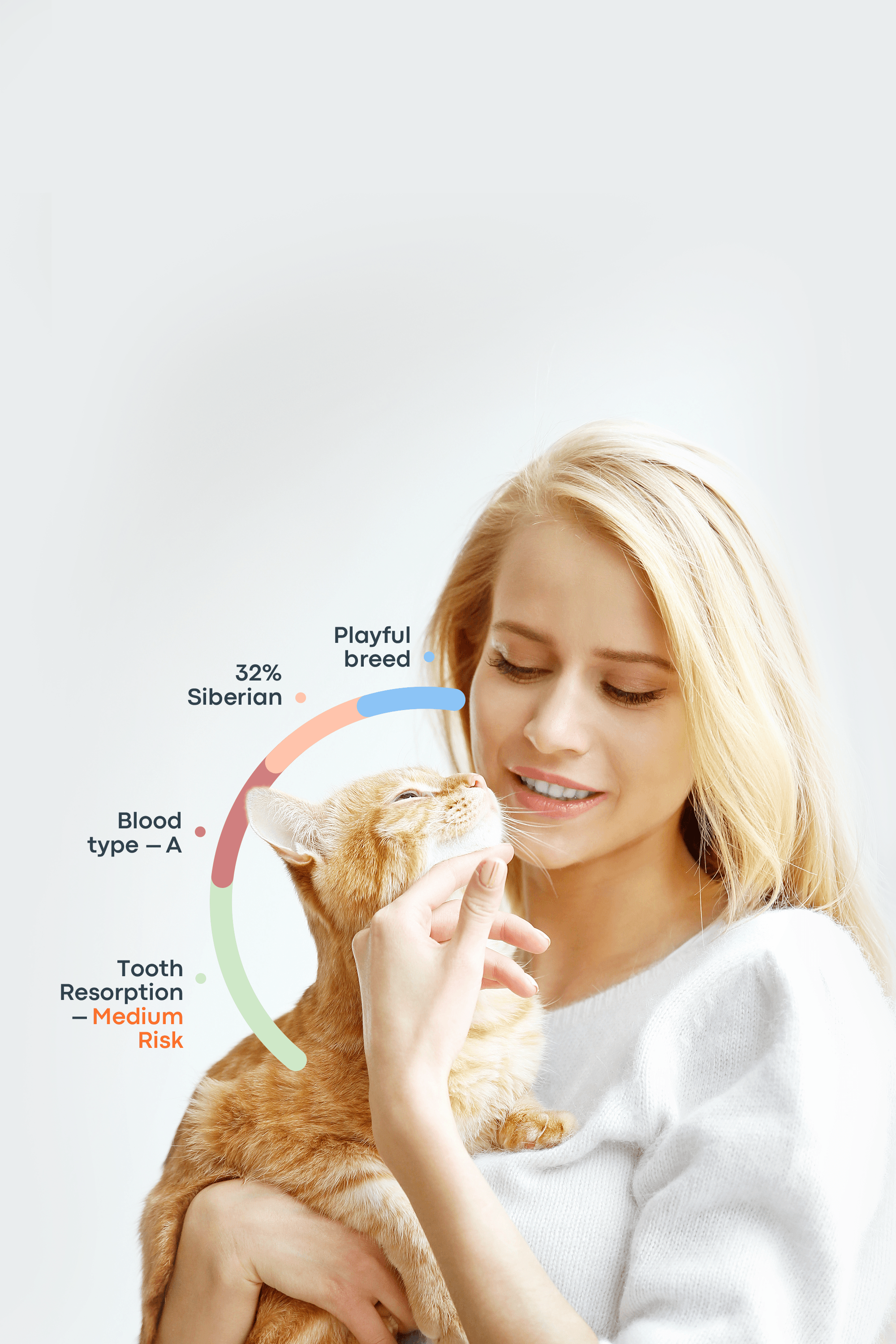
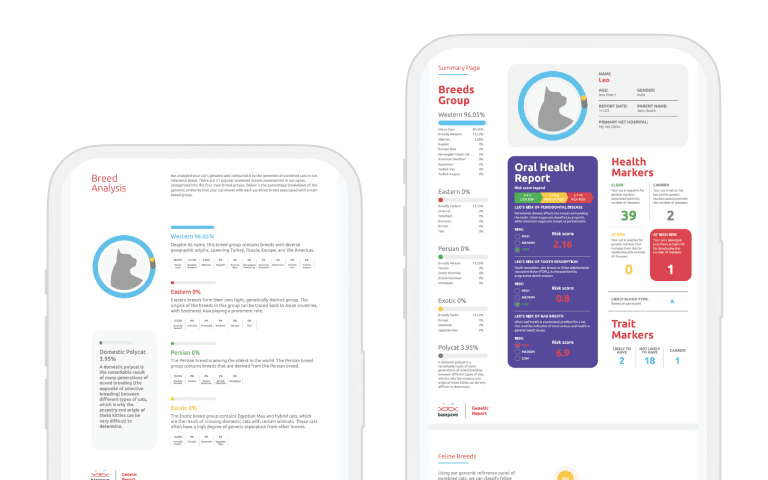
Enter your email to receive a sample cat report and preview the breed and health insights inside.