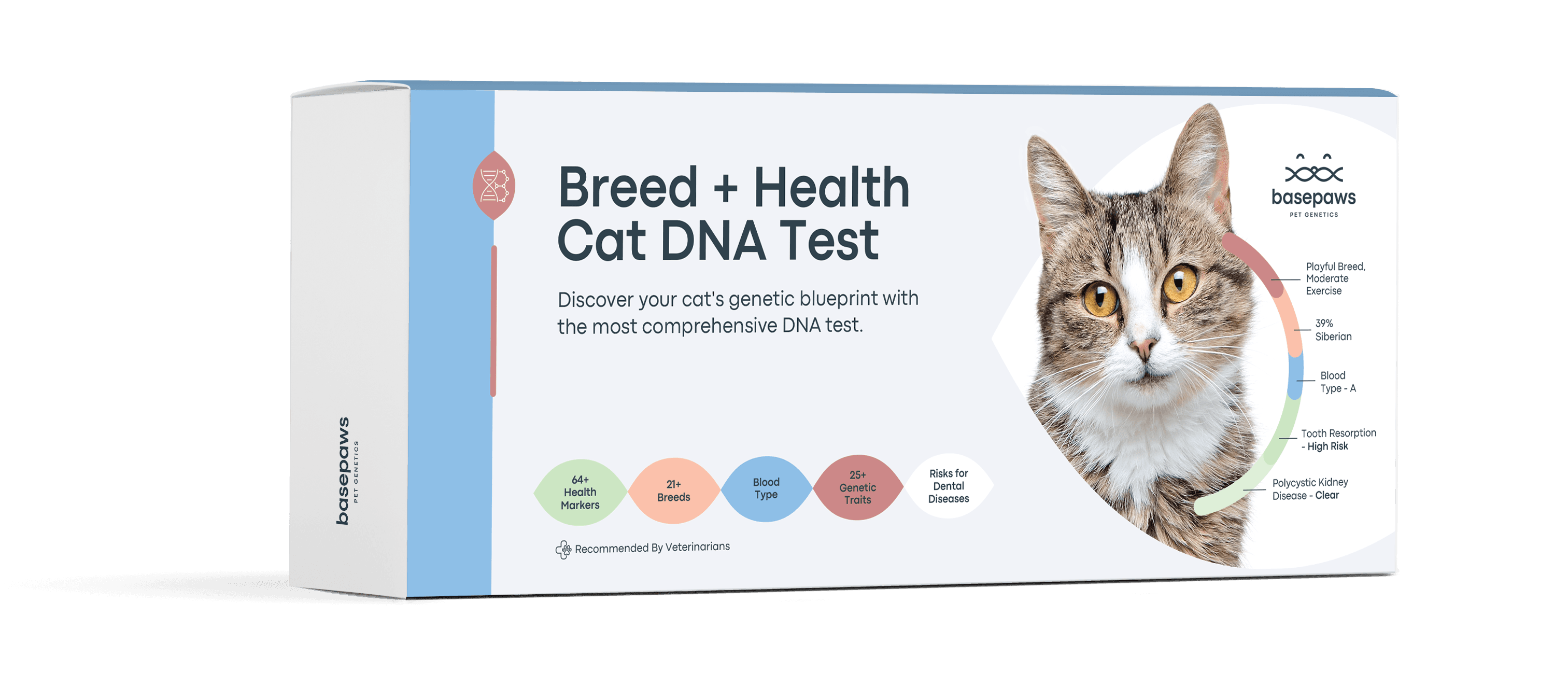
Don't know your cat's breed?
Get our DNA kit!

Many pet parents in the Basepaws community expressed an interest in learning more about what genes reside on each cat chromosome, and about the "Chromosome Map." In this blog, we share all that is currently known about feline chromosomes and genes associated with hereditary conditions and traits.

As of November 2020, the coronavirus pandemic is here to stay. The SARS-CoV-2 virus has had a devastating impact on public health and the economy. Recent months have also brought the news that pets too can get infected with the virus.
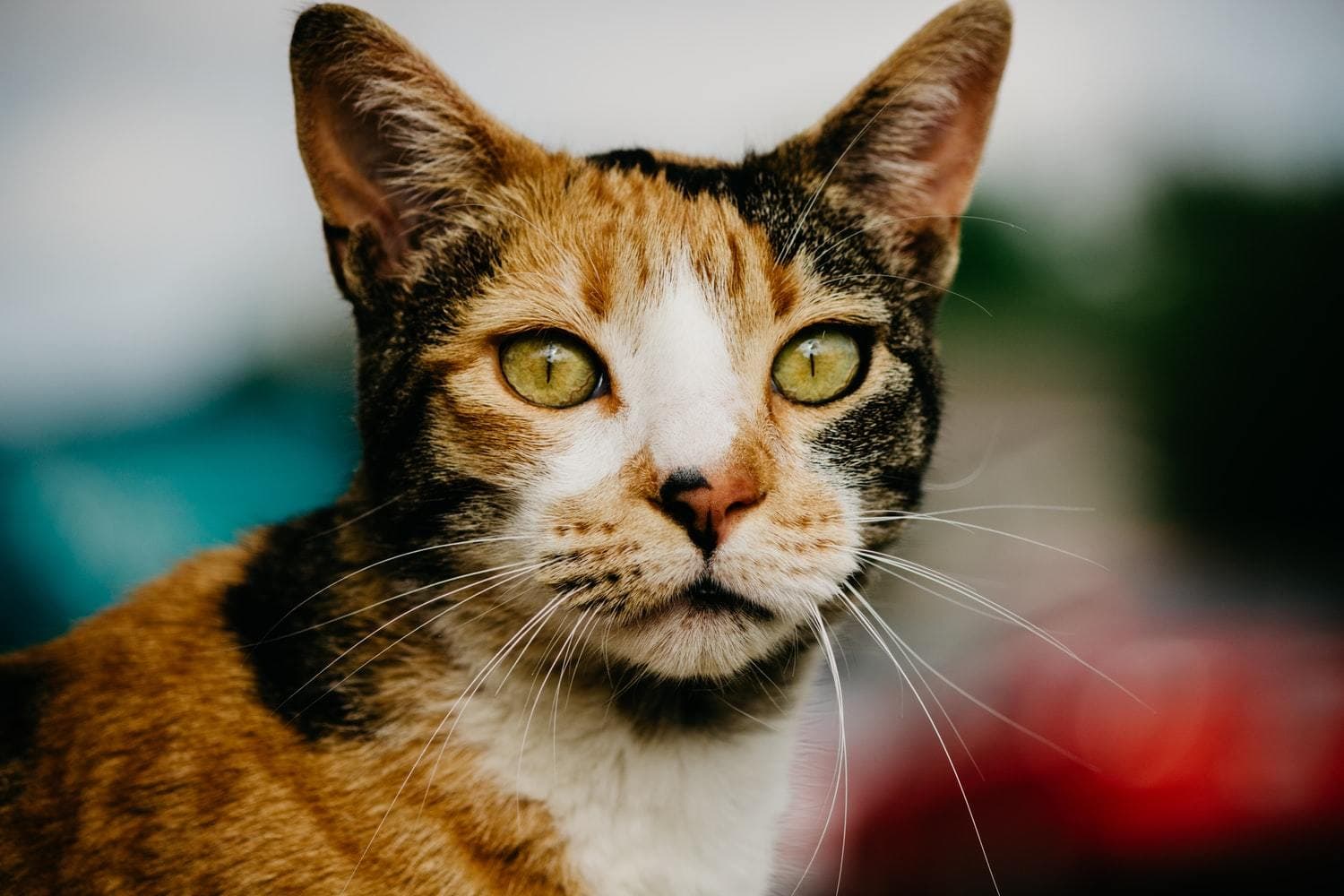
Have you ever been mesmerized by your kitties eyes? Here we briefly cover the science and genetics of cat eye colors. Read up!
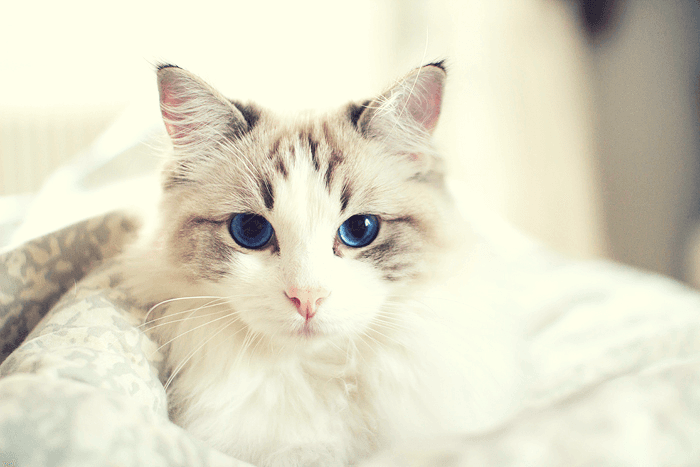
Have you ever wondered about the role of genetics in your cat’s captivating looks? Here is a short guide through the cat coat genetics.
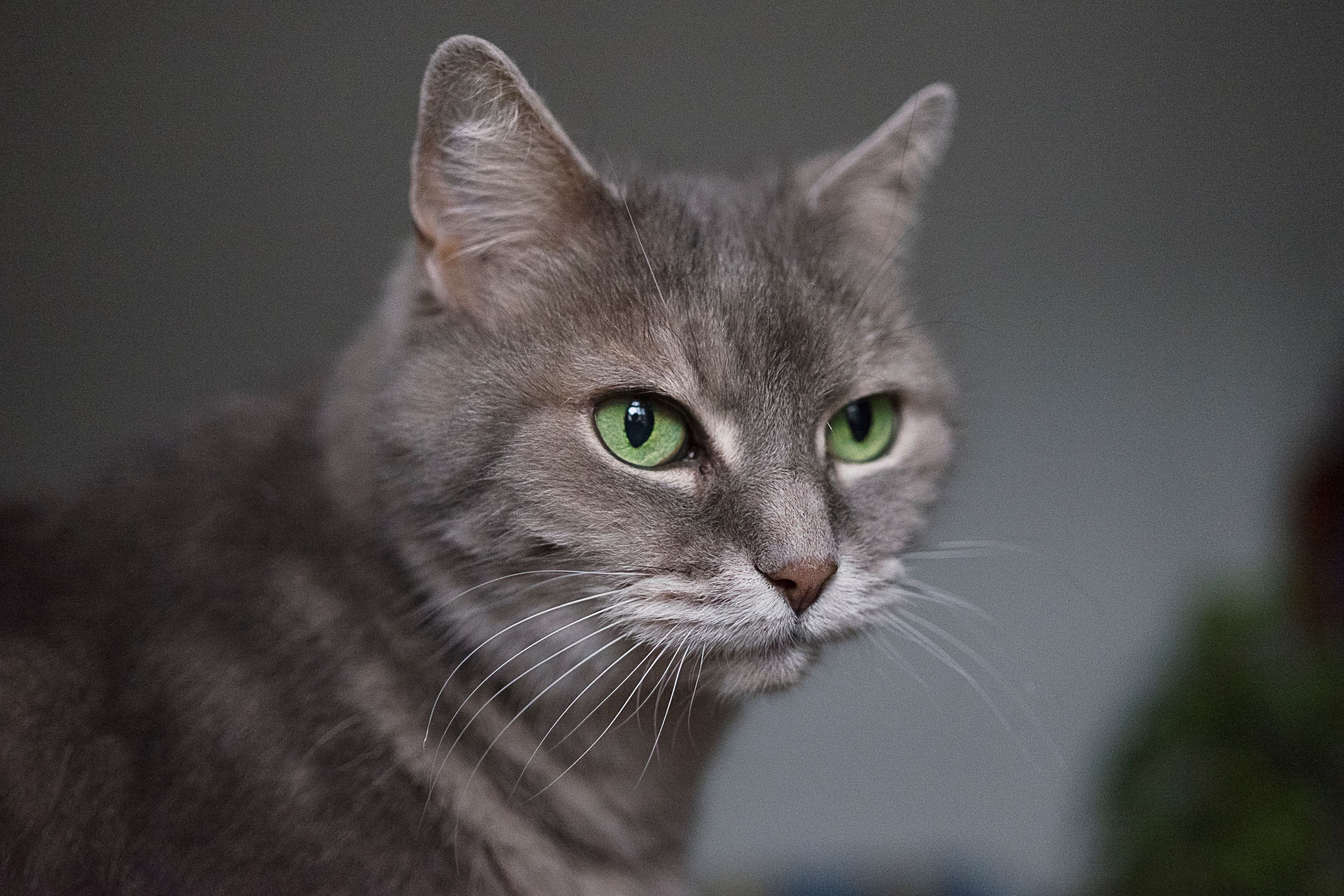
Basepaws has added new genetic health and trait markers to its flagship Breed + Health Cat DNA test. In the Health Marker section of your cat’s report, Basepaws provides their results related to 43 genetic disorders that are represented by 64 health markers.
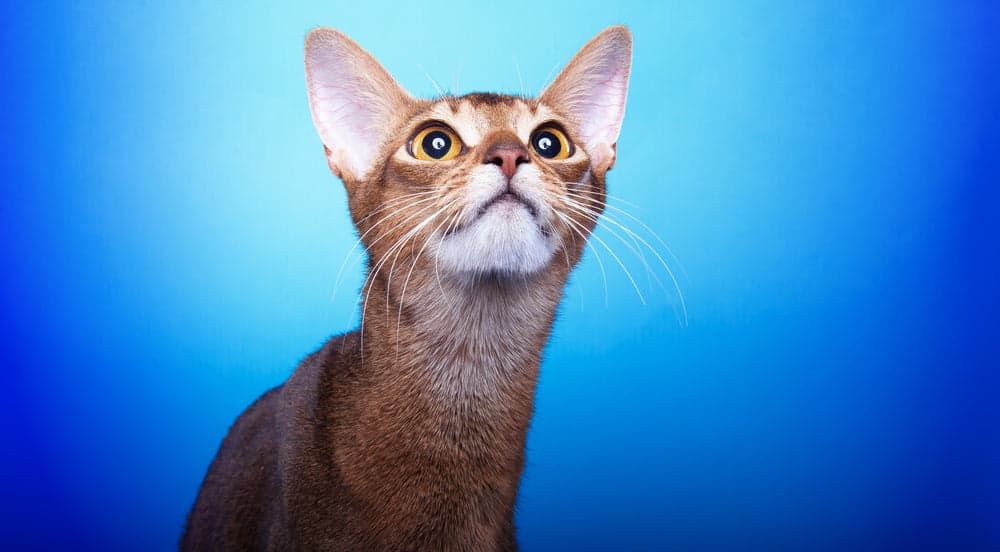
Black, white, brown, orange, or a bit of everything? Cats come in so many different colors and patterns that it’s simply too difficult to choose a favorite. The captivating colors of your special little kitty are written in its DNA, and some variations seem to be particularly beautiful and rare. Here are the top 10 rarest coat colors and patterns in cats. Do you have a favorite?
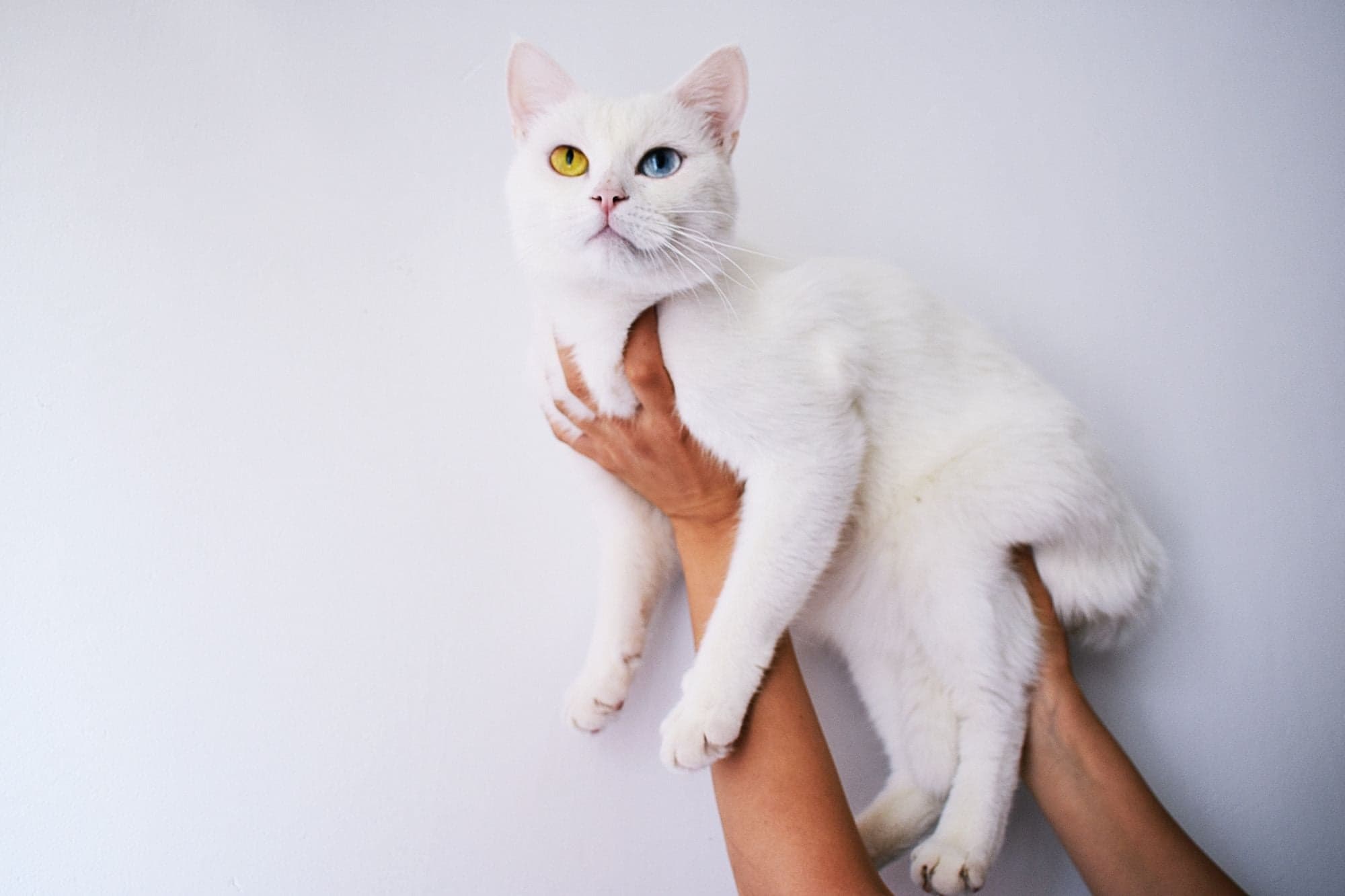
If your beautiful feline’s eyes are two different colors – yellow and blue perhaps – then you’ve got yourself an odd-eyed kitten! These captivating little creatures are carriers of a feline form of a condition known as complete heterochromia. Heterochromia in cats is a captivating genetic anomaly most commonly observed in white kitties.
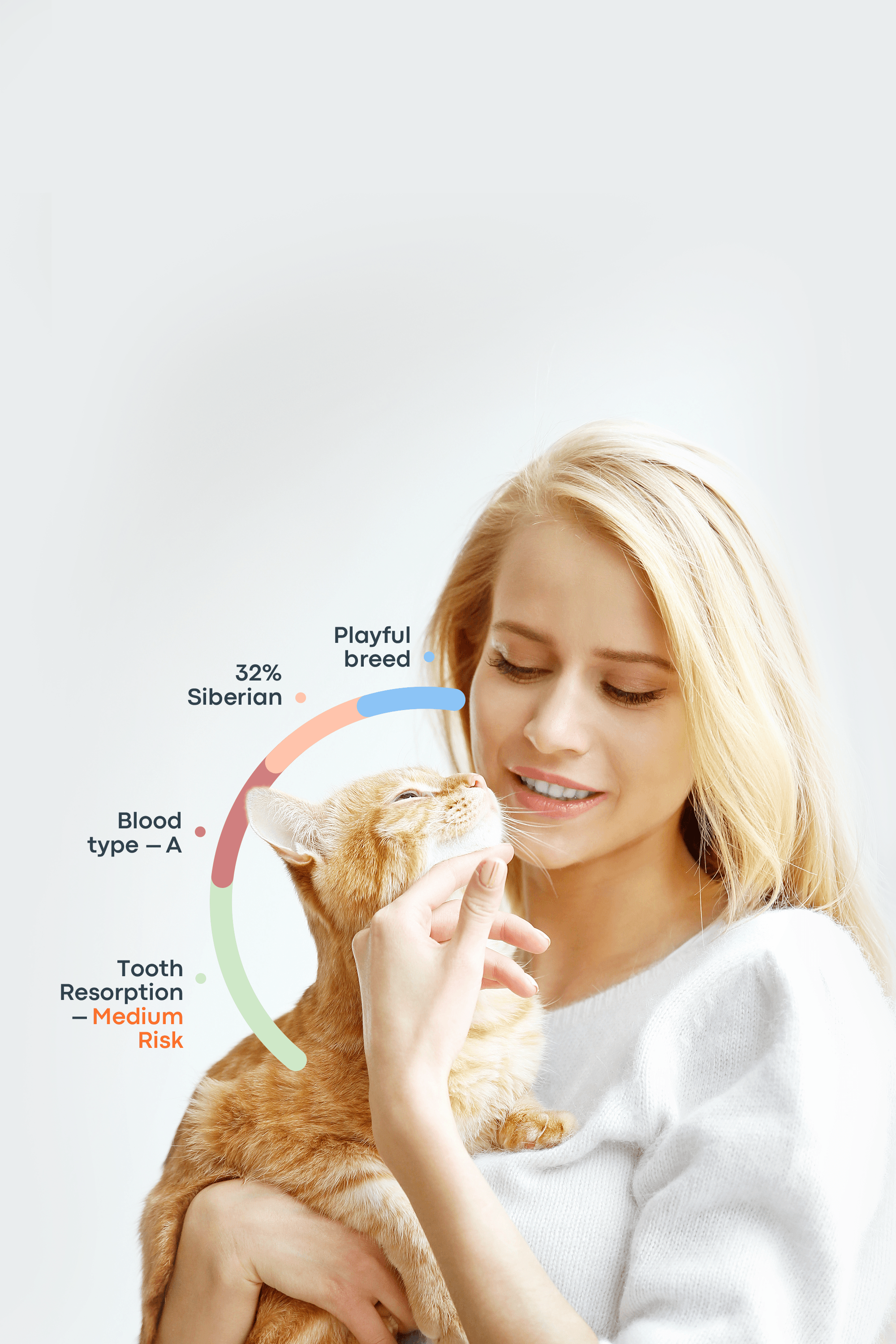
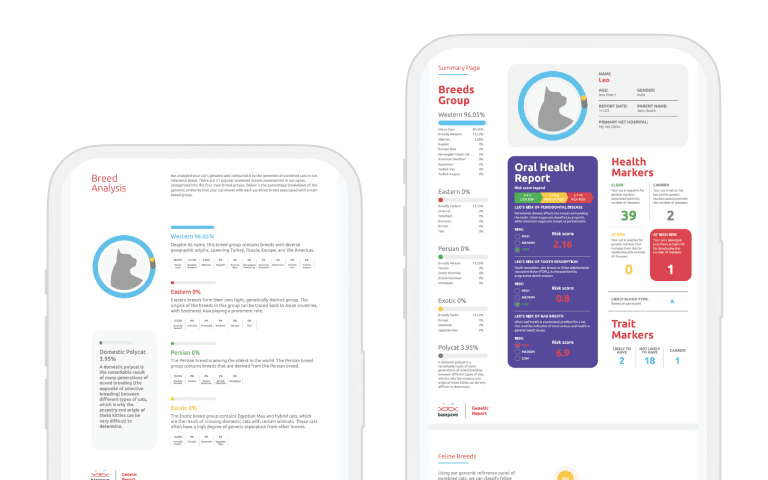
Enter your email to receive a sample cat report and preview the breed and health insights inside.