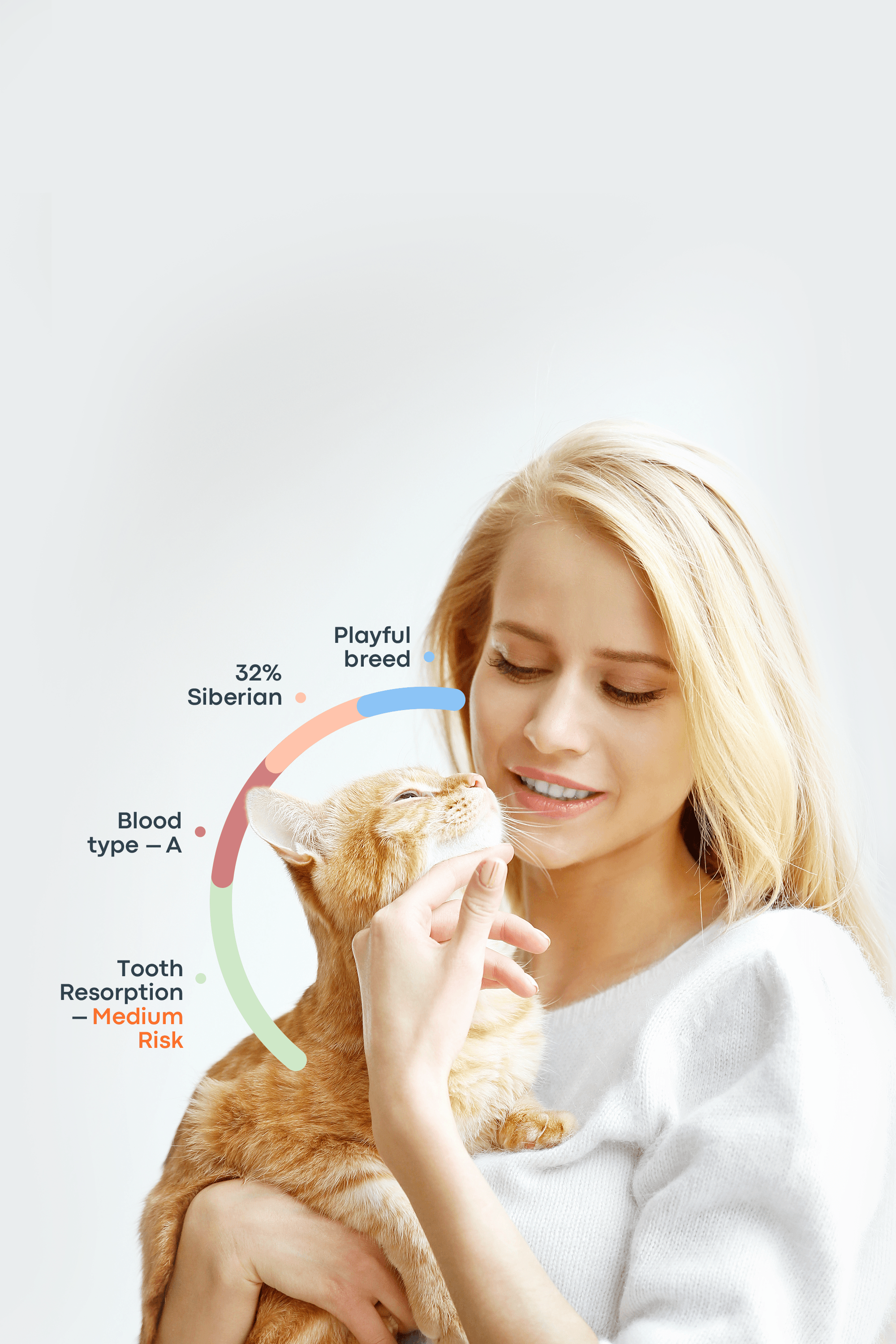
Don't know your cat's breed?
Get our DNA kit!

Cat hiccups may be cute, but is there ever cause for concern? While the occasional bout of hiccups can generally be equated to eating too quickly or even being a kitten, frequent episodes can also indicate other conditions.

Do cats have knees? Although it can be confusing to differentiate between the ankle of a cat and the knee, yes, cats have knees, and it is called the stifle. Interestingly, just like humans, cats have a protective covering over their knees called the patella, also known as the kneecap.

From understanding what foods may be harmful to learning how to prevent injury and illness due to encounters with decorations, this article offers insights into winter holiday pet safety.

Are Christmas Trees poisonous to your pet? Learn the best ways to protect your companions this Christmas season as we explore the dangers and how to keep them safe!

Explore the causes, symptoms, and treatments of hyperthyroidism in cats. Your complete guide to understanding what hyperthyroidism is and how you can help your cat.

Why are vaccinations crucial for cat health? It's important for pet parents to understand the importance of cat vaccination, and how to ensure their kitty receives their needed vaccinations in a safe and timely manner.

Learn what to do if your cat is not eating their meals. From changing their food to monitoring their other behavior, discover whether it's a case of feline dramatics or when it's time to call the vet.

How to best care for your cat’s teeth and support their oral health can feel like a complicated subject, but it doesn’t have to be! It’s an important topic to discuss, since your cat’s oral health directly impacts their overall health and well-being. Today, we’ll discuss your cat’s teeth and their growth timelines, dental conditions to be aware of, and how you can provide your beloved cat with the best oral health care possible!