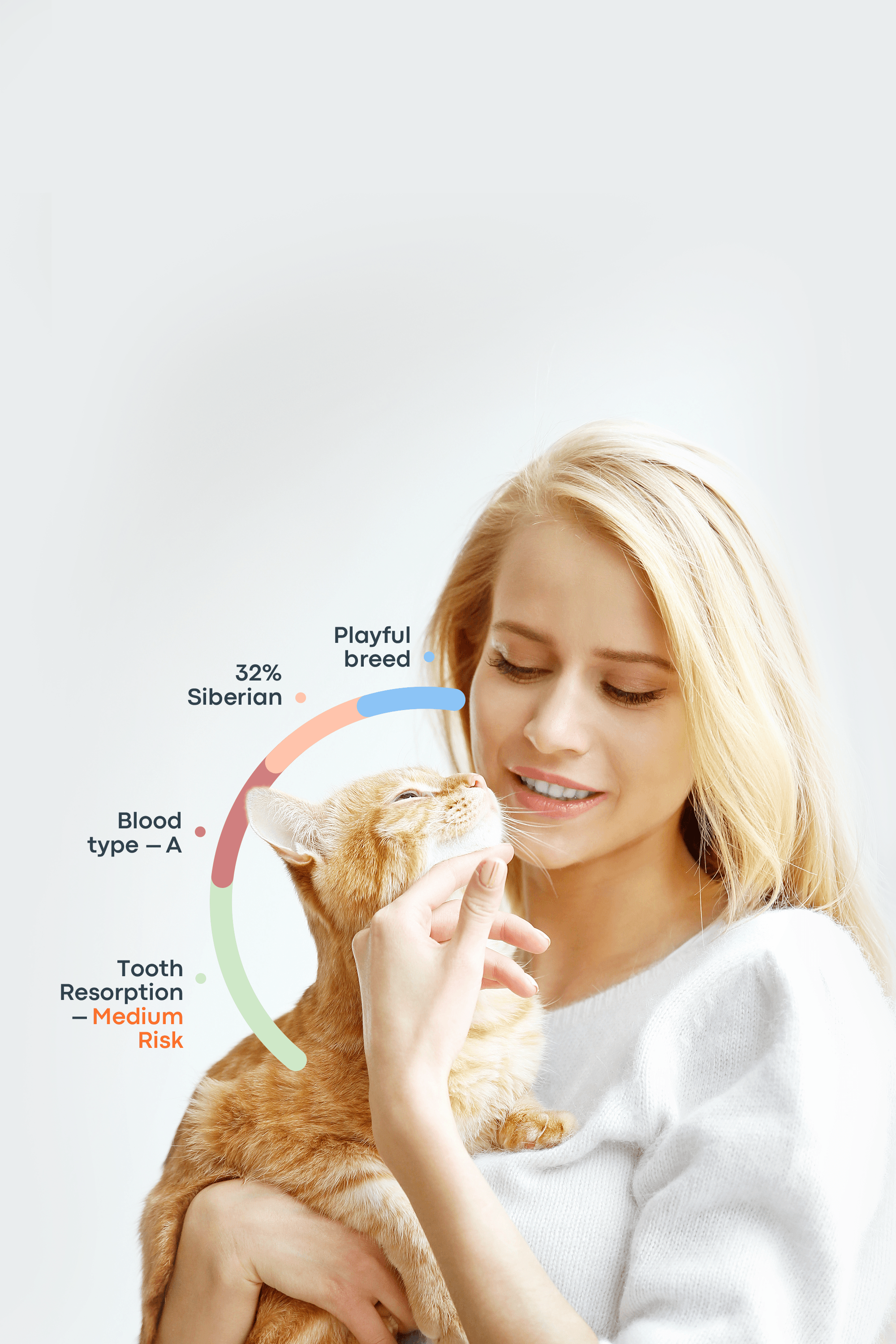
Don't know your cat's breed?
Get our DNA kit!
Cats can become infected with the virus that causes COVID-19, but this happens rarely and symptoms are usually mild or absent. Most reported cases occur after close contact with an infected person, meaning transmission is typically from humans to cats rather than the other way around. This article explains how COVID-19 affects cats and how to protect your pet safely.
Ever wondered how old your cat really is in human years? This guide to converting cat years to human years makes it easy to understand. It includes a clear age chart, a simple kitten development timeline, and a practical formula commonly used by veterinarians. You’ll also learn why cats age much faster during their early years and how this faster aging affects their health, behavior, and care needs as they grow.
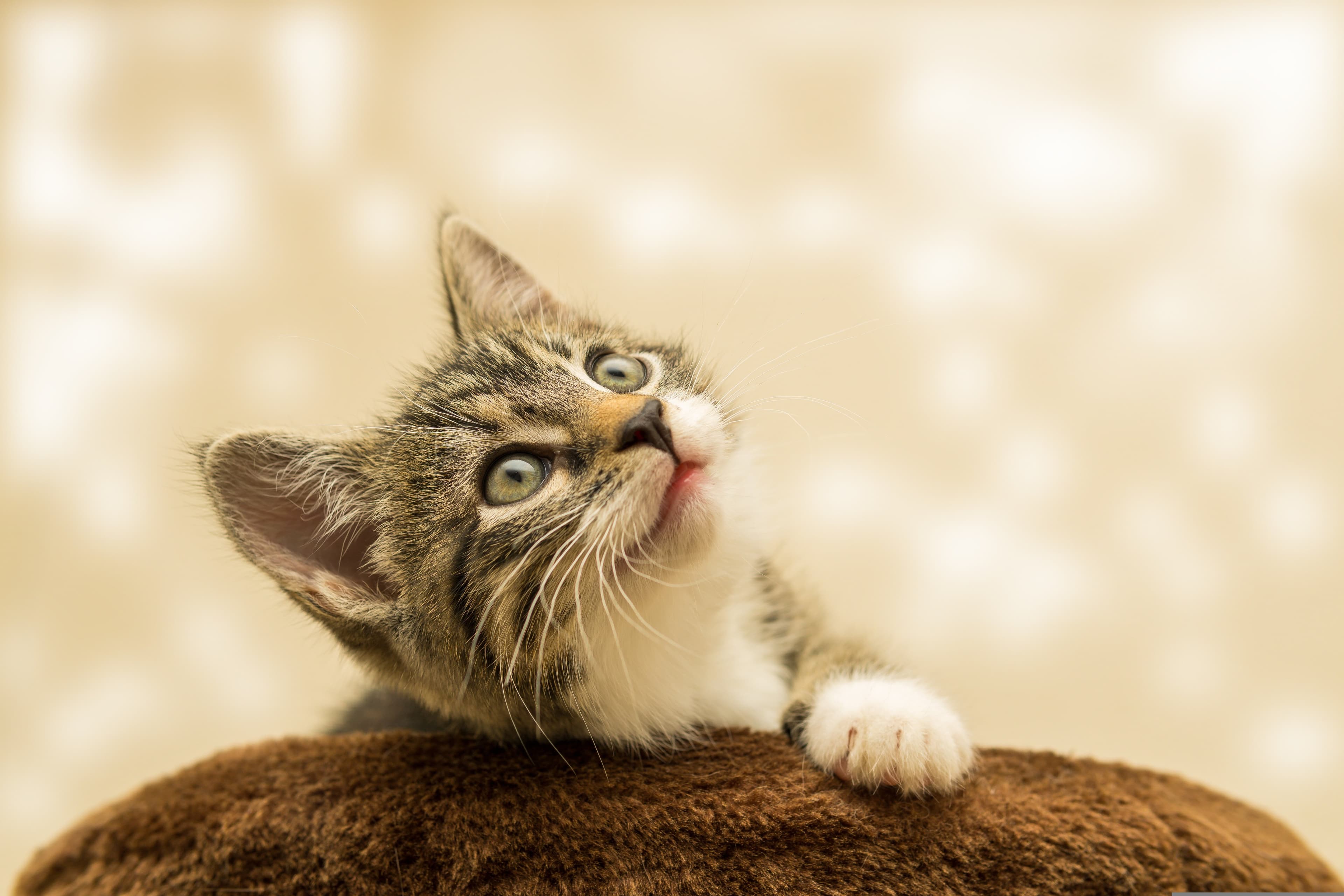
Cat strokes are sudden, serious, and often misunderstood. Recognizing the early signs can make a crucial difference. In this guide, you’ll learn how to identify stroke symptoms in cats, what can cause them, how veterinarians diagnose and treat strokes, and what recovery may look like. Acting quickly is vital—knowing the right steps can help protect your cat and improve their chances of recovery.
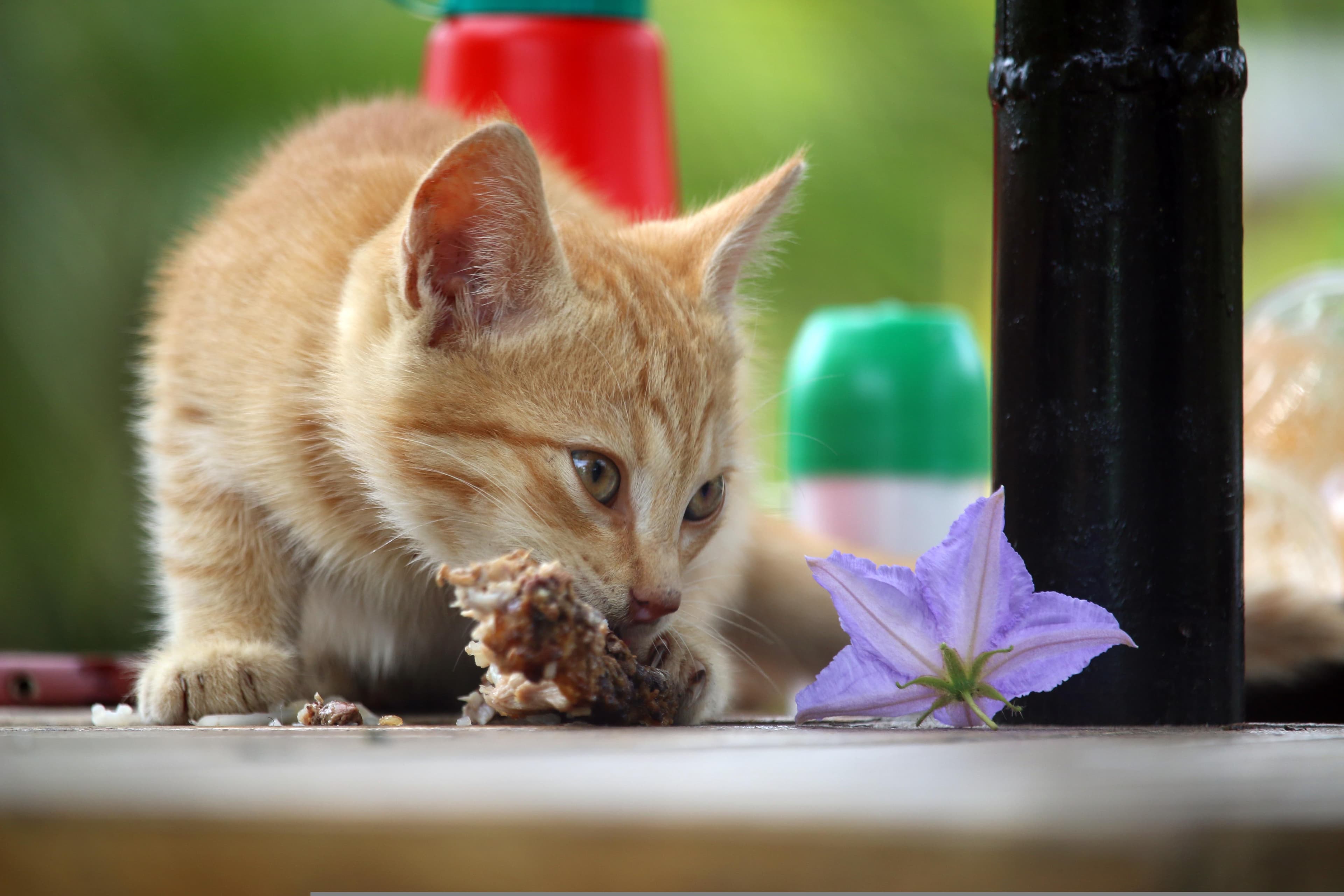
Feline infectious peritonitis (FIP) is a rare but serious disease in cats caused by a mutation of the feline coronavirus. It most often affects kittens and young cats, and its symptoms can be subtle or confusing in the early stages, which makes diagnosis challenging. In this article, you’ll learn how FIP develops, the early warning signs to watch for, and the key differences between wet (effusive) and dry (non-effusive) FIP.

Do male cats have nipples? Yes—male cats do have nipples, just like female cats. It might sound surprising, but it’s completely normal. Male cats develop nipples in the womb before their sex is fully determined, so both sexes end up with them.
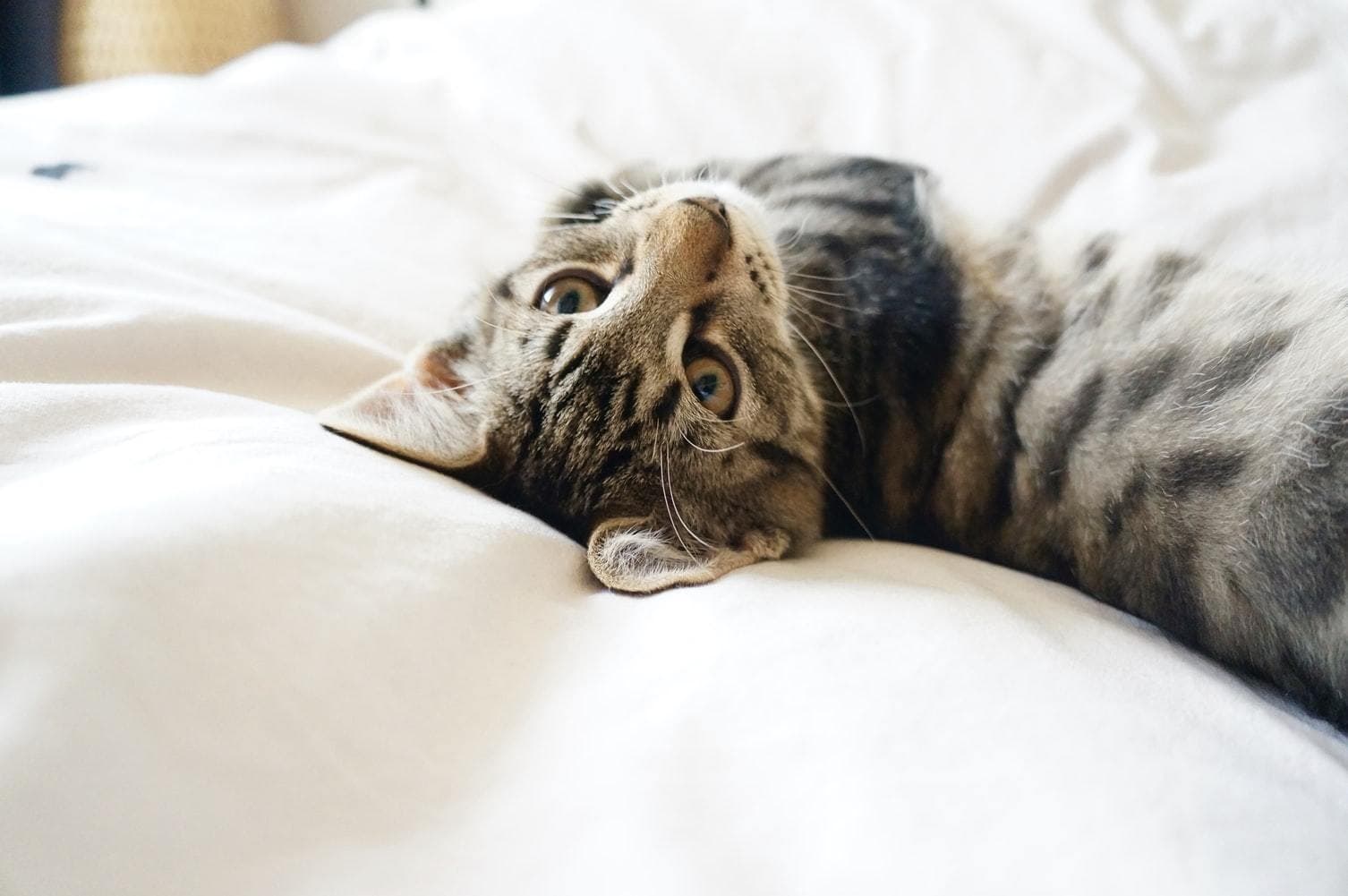
Hernias aren’t very common in cats, but they can occur. This article explains the key signs that may indicate a cat has a hernia, the different treatment options available, and what guardians can do to support a good prognosis. By understanding the symptoms and knowing when to seek veterinary care, you can help ensure your cat receives timely treatment and the best possible outcome.
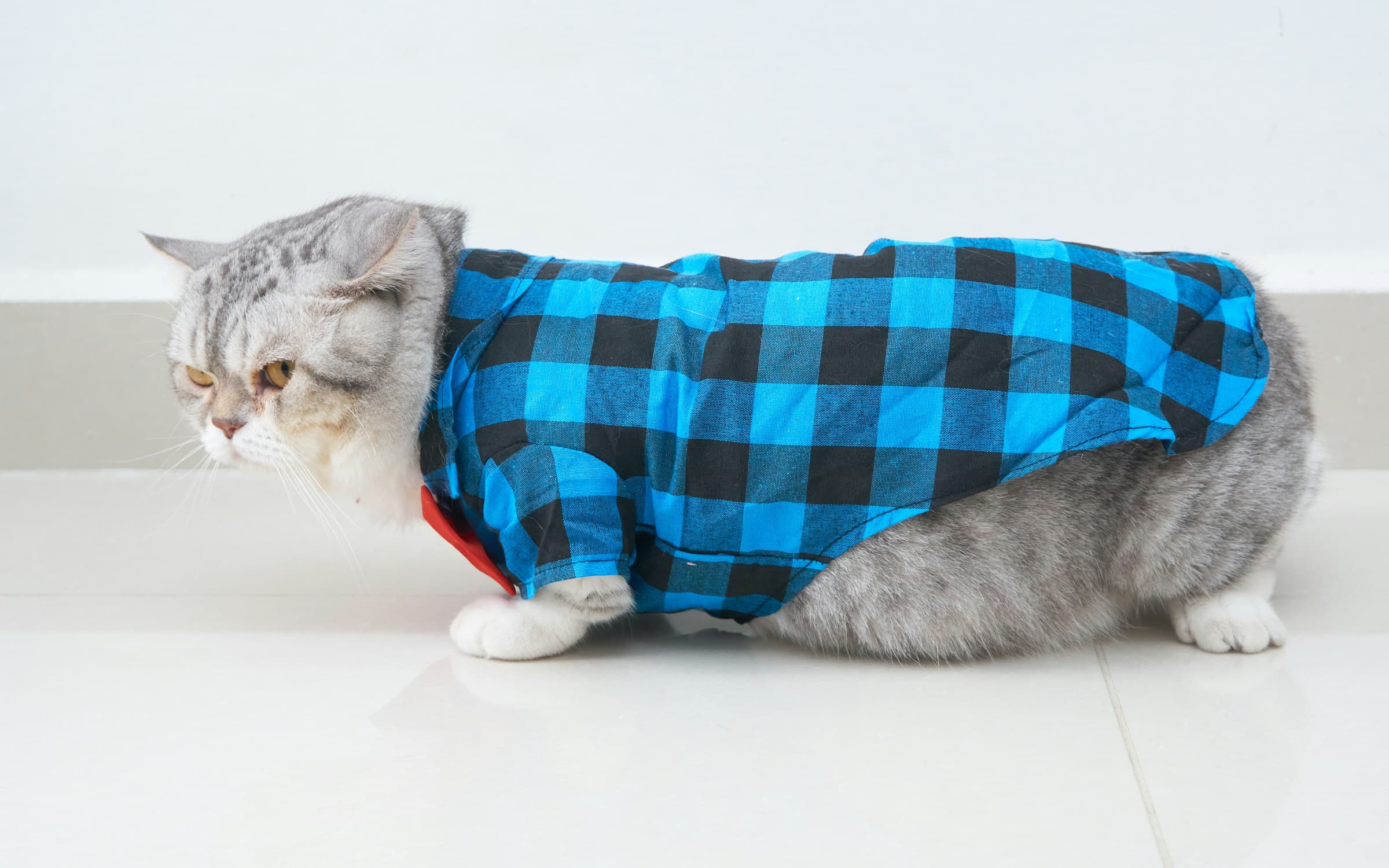
Dwarfism in cats, like in humans, results from a specific gene mutation. Dwarf cats differ from miniature cats in genes and traits. This article explains dwarf and Munchkin cats and their care.
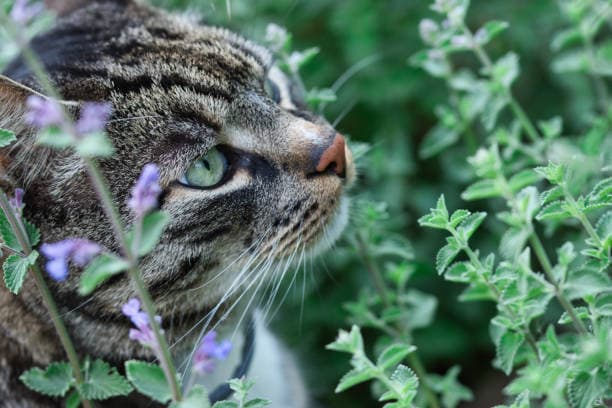
Catnip is famous for turning even the most relaxed cats into energetic, playful companions—but can it also help calm your furry friend? The answer depends on the cat and how catnip is used. In this article, we’ll explore how catnip affects cats, why some cats respond differently than others, the various ways to offer catnip, and when it may (or may not) help promote relaxation.