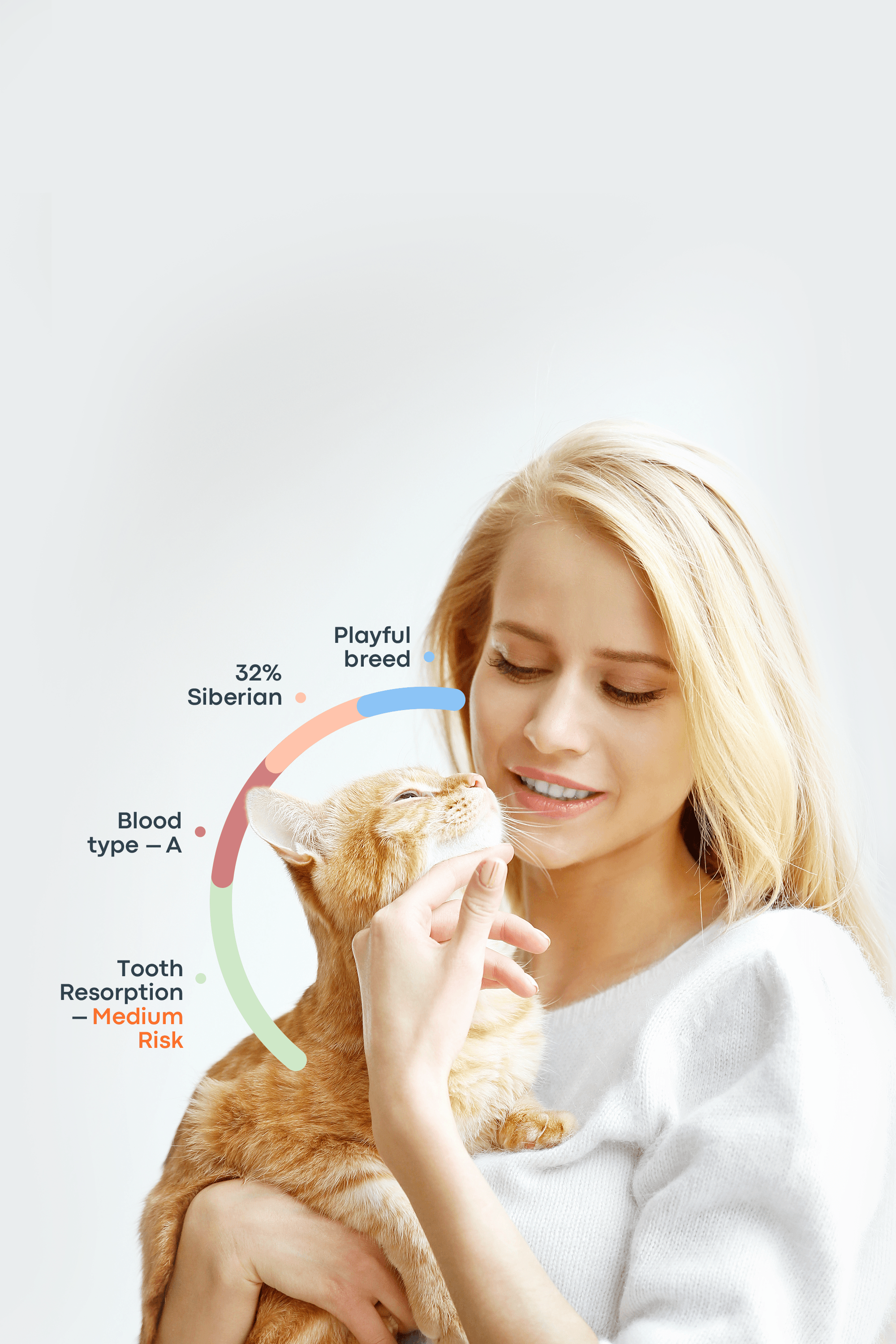
Don't know your cat's breed?
Get our DNA kit!

We love spoiling our furry friends, especially on holidays, but what happens when the holiday treats are too tempting, and they take something from the table? That’s when holiday joy turns to anxiety, and we wonder if we need to call the vets! Let’s save you some anxiety - this is our quick guide to holiday foods pets can eat.
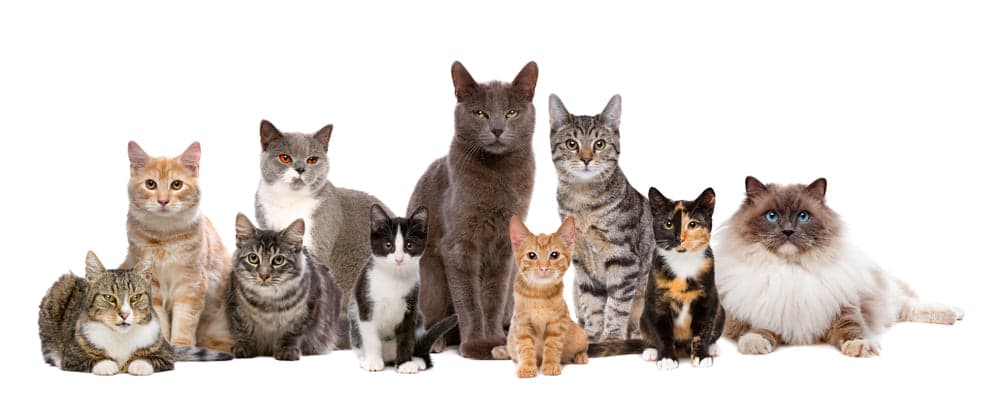
How can you tell if your cat is fully grown? Learn about cat life stages and developmental milestones that can help you find out whether or not your cat has grown to full maturity. Know when to make important decisions that will help you best support their health and well-being, such as whether your cat is ready for adult cat food or at what age they should be spayed or neutered.
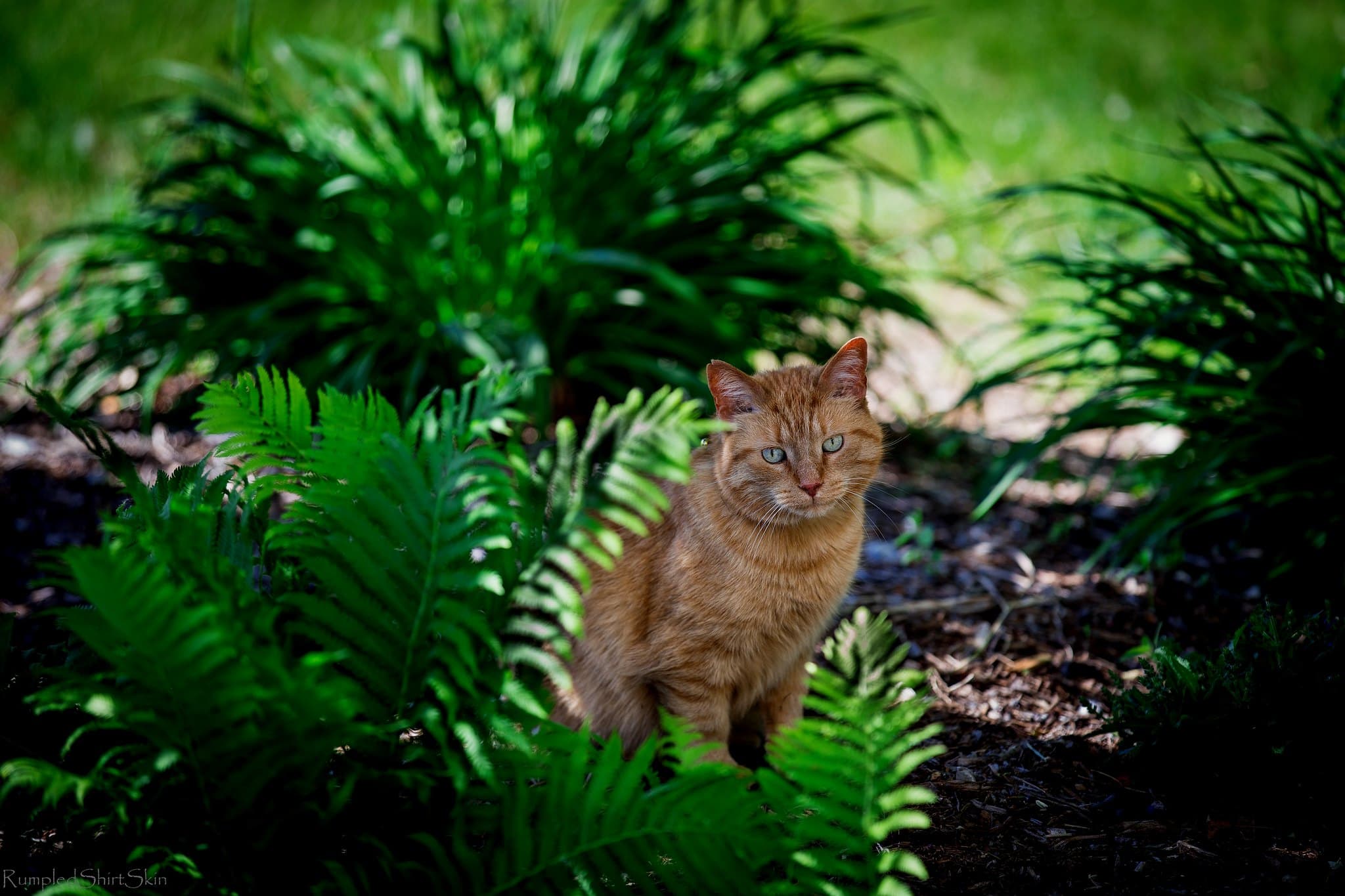
Cats' natural curiosity and tendency to explore can sometimes lead them to investigate and potentially nibble on plants, which can result in various health issues. For ferns, there may be concerns about their toxicity to cats and the appropriate response if a cat consumes their leaves. This article aims to safeguard your feline companion from harmful plants and provide guidance on addressing fern ingestion by your cat.
Are peace lilies poisonous to cats? The short answer is yes. Peace lily poisoning in cats is rarely fatal, but a traumatic experience for your feline nonetheless. The symptoms of peace lily toxicity in cats are excruciating and frightening, so it's every pet parent’s duty to shield their kitties from this possible hazard.
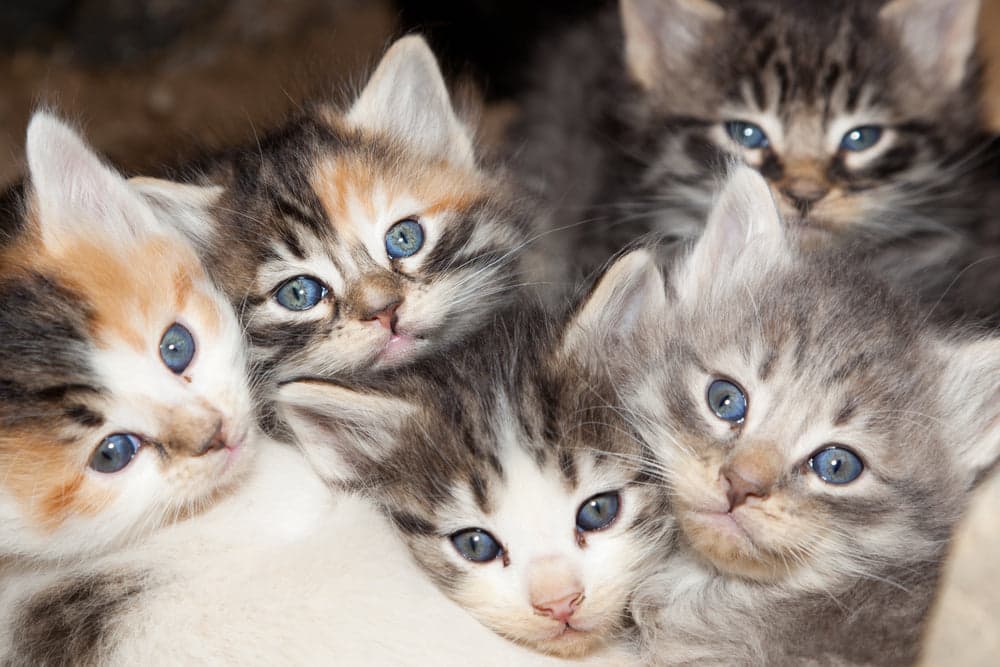
During the early weeks of kittenhood, cat siblings form strong bonds and become prized companions to one another. However, the relationships between cat siblings can be quite puzzling! Read on to discover interesting facts about cat sibling littermates.
Need to find the purr-fect gift for a cat lover this season? You’re in luck as our top 8 list has everything you need from beloved classics to gifts that are more unexpected!
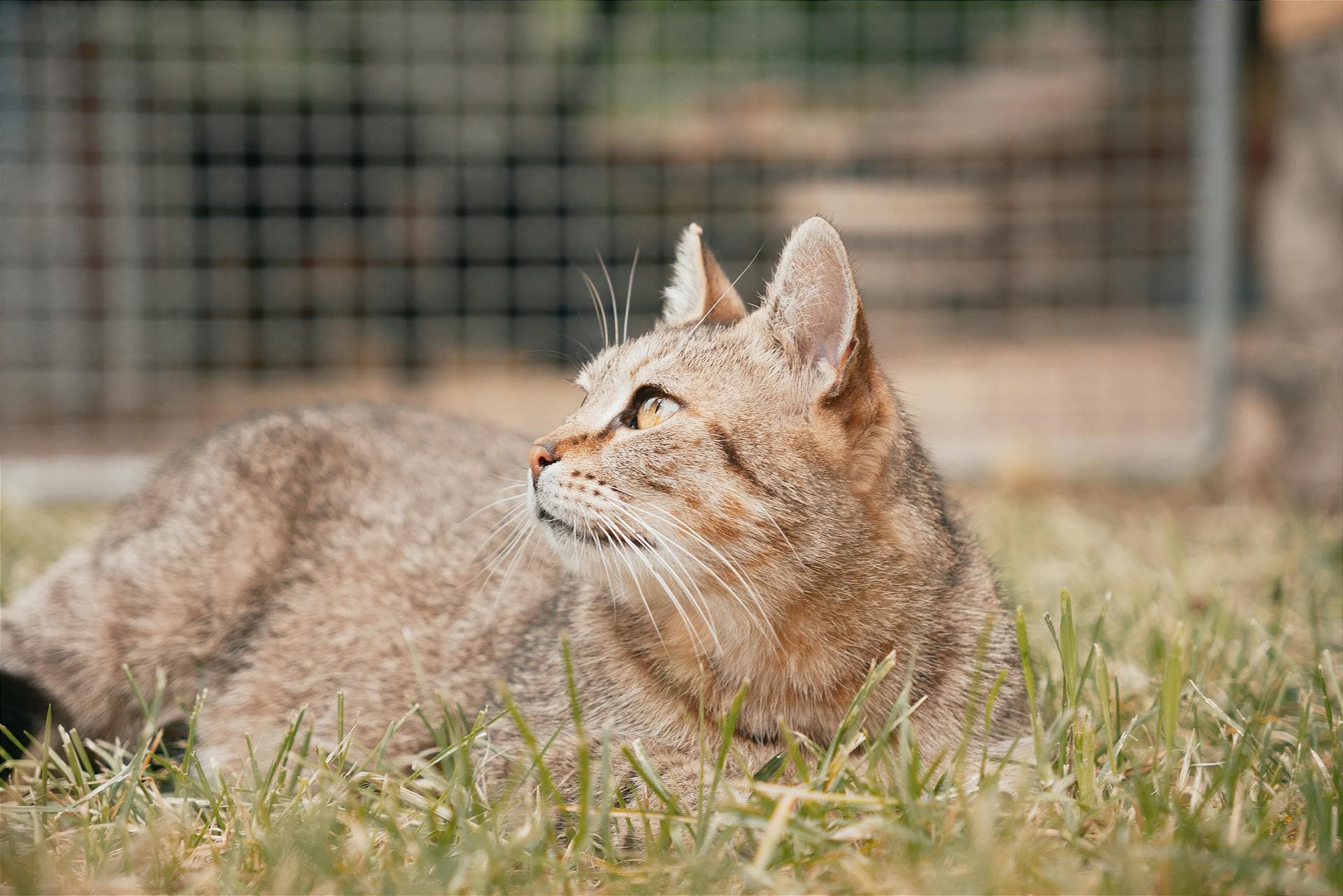
Is your cat scratching a lot or losing hair? You may be dealing with ringworm, a common fungal infection that affects a cat’s skin, fur, and nails. Learn how it spreads and what you can do to protect your pet—and your home.
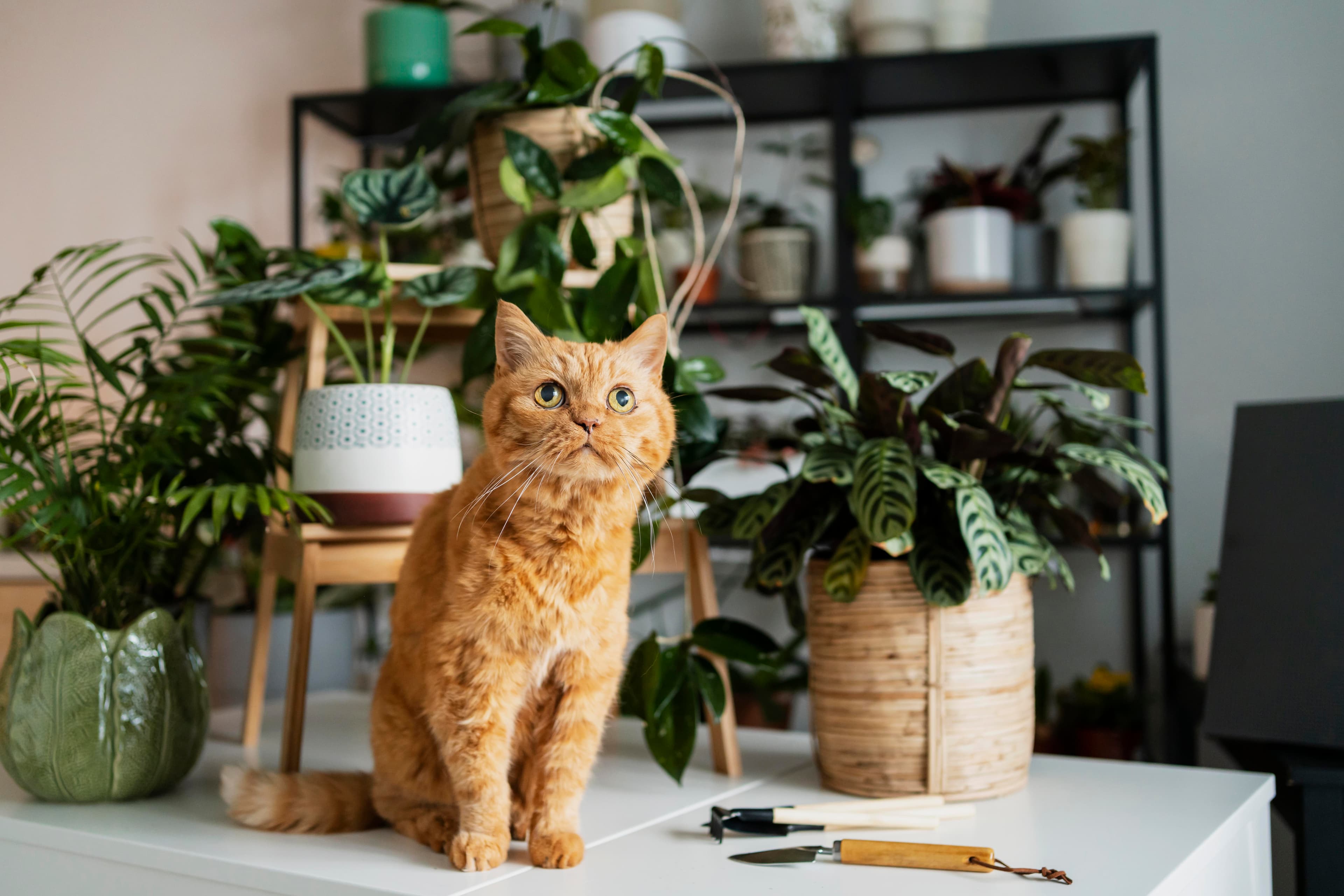
Cats, with their innate curiosity, often find themselves in close contact with various houseplants and garden vegetation. However, not all plants are safe for pets, and some can be downright dangerous. Cats can get sick from eating just a little bit of these plants, showing symptoms like throwing up, acting tired, or drooling a lot.
It's important for pet owners to know which plants are dangerous and keep them away from pets to keep them safe. Making sure pets can't get to toxic plants might take some work, but the health of your cat companions is the main goal.