Is this breed part of your cat’s ancestry?
Discover your cat's connection to this breed and 20 others



Discover your cat's connection to this breed and 20 others
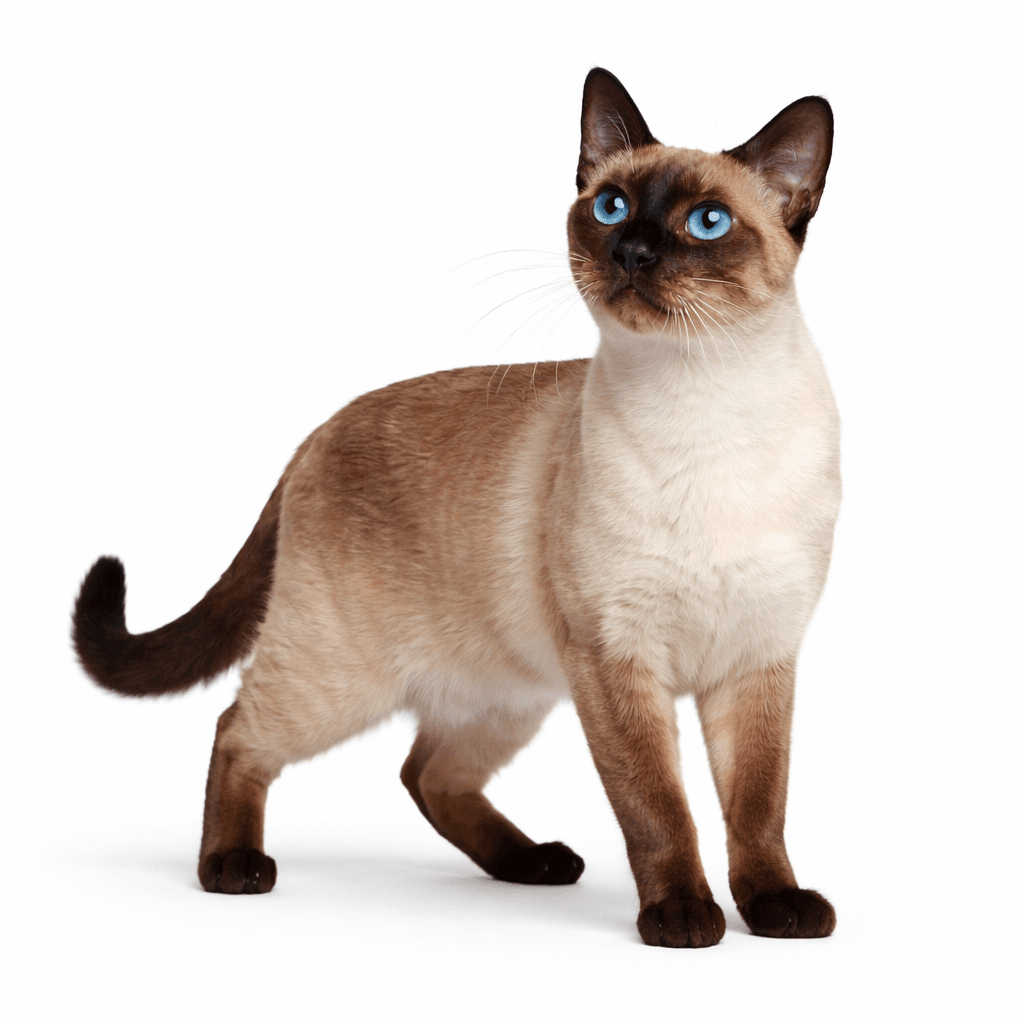
The ancient Thai cat breed shares a long history with the Siamese cat and is believed to have originated in ancient Siam, now Thailand, centuries ago. These cats were highly valued and often kept in royal courts and Buddhist temples. Thai cats are medium-sized cats with short, silky coats and striking blue eyes. They are affectionate, social, and strongly attached to their people. Their low-maintenance coats are easy to care for, but their intelligent and active nature means they benefit from regular play and mental stimulation.
The Thailand cat is a recently recognized breed that closely resembles the modern Siamese while preserving the classic look of the original cats from ancient Siam, now Thailand. Also known as the Wichienmaat or Old-Style Siamese, the breed descends from ancient Thai cats described in historical manuscripts and traditional cat poems dating back centuries.
The Thai cat is officially recognized by The International Cat Association (TICA) and received full Championship status on May 1, 2010.
Thai cats are not truly hypoallergenic, but some people with mild cat allergies may tolerate them better than other breeds. Like Siamese cats, they may produce lower levels of the Fel d 1 protein, the allergen most commonly linked to cat allergies. However, no cat breed is completely allergy-free.
Disclaimer: The term "hypoallergenic" refers to cat breeds that are less likely to trigger allergic reactions, not breeds that are completely allergy-free. These cats may shed less, have hair instead of fur, or produce lower levels of dander—all factors that can reduce, but not eliminate, allergic responses in sensitive individuals.
The Thai cat is a medium-sized, muscular breed with a balanced and elegant body type. More rounded and sturdy than the modern Siamese, the Thai cat retains a graceful, athletic appearance with expressive features and a naturally agile build.
Thai Cat Size
Weighs 8–15 lbs (3.6–6.8 kg)
Stands 10–12 in (25–30 cm) tall
Thai cats have short, smooth coats that lie close to the body and feel soft and silky to the touch. Their minimal undercoat makes grooming fairly simple, and occasional brushing is usually enough to keep the coat healthy and glossy.
Thai cat breeds are known for their classic colorpoint pattern, with a lighter-colored body and darker points on the ears, face, paws, and tail. Common point colors include seal, blue, lilac, and chocolate. Like other colorpoint breeds, Thai cats have striking blue eyes caused by the same gene responsible for their distinctive coat pattern.
A Thai cat’s adult size can be influenced by genetics, breeding lines, diet, and activity level. Cats that stay active and receive balanced nutrition are more likely to maintain a lean, muscular body condition. Indoor Thai cats may be slightly heavier than highly active cats, while overall health also plays a role in growth, weight, and muscle tone.
Caring for a Thai cat is relatively simple, but these intelligent and affectionate cats need plenty of social interaction and daily activity. Thai cats form strong bonds with their families and usually do not enjoy being left alone for long periods. They thrive in homes where they receive regular attention, companionship, and playtime.
Because Thai cats are active and curious, they benefit from puzzle toys, cat trees, climbing spaces, and interactive games that provide both mental and physical stimulation. Many Thai cats are also highly trainable and often respond well to clicker training, making it possible to teach them simple tricks and routines.
Their short, sleek coat is low maintenance and typically only requires weekly brushing to remove loose hair and keep it shiny. Regular dental care, nail trimming, and routine veterinary checkups are also important for supporting a Thai cat’s long-term health and comfort.
Dental Diseases (Gingivitis, Periodontal Disease)
The Thai cat breed can develop dental diseases such as gingivitis and periodontal disease due to plaque and tartar buildup. Common signs include bad breath, red or swollen gums, drooling, and difficulty eating. Professional dental cleanings, regular tooth brushing, and routine veterinary care can help prevent these problems and support long-term oral health.
Obesity
Obesity may develop in the Thai cat breed when cats consume too many calories and do not get enough physical activity. Excess weight can lead to reduced mobility, lethargy, joint strain, and a higher risk of other health conditions. A balanced diet, portion control, and daily interactive play are important for helping Thai cats stay active and maintain a healthy weight.
Stress-Related Anxiety
The Thai cat breed is highly social and may become anxious when left alone for long periods or exposed to sudden environmental changes. Stress-related anxiety can cause excessive vocalization, hiding, overgrooming, reduced appetite, or destructive behavior. Consistent routines, daily interaction, enrichment toys, and a calm environment can help Thai cats feel secure and emotionally balanced.
Respiratory Sensitivity
Some cats in the Thai cat breed may be sensitive to dust, smoke, strong fragrances, or poor air quality. Respiratory irritation can cause sneezing, watery eyes, coughing, or noisy breathing. Keeping the home clean, reducing exposure to harsh chemicals, and scheduling regular veterinary checkups may help support healthy breathing and reduce irritation.
Gastrointestinal Sensitivity
The Thai cat breed can sometimes have a sensitive digestive system and may react poorly to sudden diet changes, certain foods, or stress. Symptoms may include vomiting, diarrhea, gas, or decreased appetite. Feeding a consistent, high-quality diet and introducing new foods gradually can help reduce digestive upset, while ongoing symptoms should be evaluated by a veterinarian.
Thai cats maintain good health on high-quality cat food that meets the nutritional standards established by the Association of American Feed Control Officials (AAFCO). Their athletic build and active nature benefit from protein-rich diets that help support muscle development and daily energy needs.
Both wet and dry food can be included in a Thai cat’s diet, though wet food may help support hydration and urinary health. Kittens, adults, and senior cats all have different nutritional requirements, so portion sizes and feeding plans should be adjusted based on age, activity level, and overall health. Regular veterinary guidance can also help ensure Thai cats maintain a healthy weight and balanced diet.
A Thai cat’s caloric needs can vary depending on their life stage, activity level, metabolism, and overall health. Since these factors differ from one cat to another, consulting a veterinarian is the most reliable way to determine the appropriate daily feeding amount. A vet can provide tailored advice to help maintain a healthy weight and support long-term health.
Feed Thai cats a high-protein diet with real animal protein listed as the first ingredient.
Provide fresh, clean water at all times to support hydration and overall health.
Monitor body condition regularly to help prevent unhealthy weight gain or weight loss.
Limit treats and avoid constant free feeding to reduce the risk of obesity.
Use puzzle feeders and interactive feeding toys to encourage mental stimulation and natural hunting behaviors.
Introduce new foods gradually to help prevent digestive upset and stomach sensitivity.
Thai cats are affectionate, intelligent, and highly people-oriented companions that enjoy being involved in everyday family life. They often form strong bonds with their owners and may follow them from room to room looking for attention and interaction.
While they are vocal like Siamese cats, Thai cat characteristics typically include a softer, more conversational style of communication. Their social and affectionate nature means they thrive best in calm, interactive households where they receive plenty of companionship, playtime, and engagement.
Thai cat personality is naturally curious and highly interactive, so these cats are often found exploring cabinets, countertops, and whatever their owners are doing. They enjoy being involved in household activities and may become bored or anxious if left alone too often.
Some Thai cats adapt well to travel and enjoy staying close to familiar people and routines. Puzzle feeders, rotating toys, climbing spaces, and interactive play sessions can help keep Thai cats mentally stimulated and reduce the risk of destructive or attention-seeking behavior.
Interactive Wand Games: Help a Thai cat kitten stay active while encouraging chasing and bonding through play.
Puzzle Toys: Provide mental stimulation and reward problem-solving behaviors for a curious Thai cat.
Fetch: Many Thai cats enjoy chasing and retrieving lightweight toys.
Food-Dispensing Toys: Encourage movement and natural hunting instincts while making mealtime more engaging.
Cat Trees and Wall Shelves: Give a Thai cat safe spaces to climb, explore, and observe their surroundings.
Clicker Training: Help reinforce house rules, teach simple tricks, and provide positive mental stimulation from an early age.
Supervised Catio Time: Allow a Thai cat kitten to safely experience new sights, sounds, and smells outdoors.
Thai cats generally have low-maintenance skin care needs due to their short, sleek coats, but regular skin and coat checks are still important. Owners should watch for signs of dryness, irritation, parasites, dandruff, or unusual skin changes that could indicate allergies or health problems. Changes in grooming habits, such as excessive licking or reduced grooming, may also be a sign of stress, discomfort, or an underlying medical condition.
Thai cats have short, silky coats that shed moderately but rarely become matted or tangled. Brushing them once or twice a week with a soft brush or grooming glove is usually enough to keep the coat smooth, healthy, and shiny. Regular grooming sessions also help reduce loose hair, strengthen the bond between cats and their owners, and provide an opportunity to check for skin irritation, parasites, or other coat changes.
Your Thai cat’s bright blue eyes should look clear, bright, and free from discharge. Redness, excessive tearing, cloudiness, swelling, or frequent squinting may be signs of irritation, infection, or an underlying eye condition. If you notice any of these symptoms, contact a veterinarian promptly to help prevent discomfort and possible complications.
Regular ear checks can help keep your Thai cat healthy and comfortable. Healthy ears should appear pale pink, clean, and free from strong odors or excessive wax. Redness, debris, irritation, swelling, or dark discharge may be signs of infection, ear mites, or other ear problems. If cleaning is needed, use only cat-safe, veterinarian-approved ear-cleaning products and avoid inserting anything deep into the ear canal.
Trim your cat’s nails only when necessary, such as if the claws become too long, start snagging on fabrics, or cause discomfort during movement or scratching. To check, gently press the paw: if the tip looks sharp like a needle, it’s time. Only trim the very tip, avoiding the pink quick. Provide scratching posts or pads to support natural nail wear and healthy scratching behavior. Check paws for debris or minor injuries, especially in active cats.
Dental disease is one of the more common health concerns in Thai cats. Brushing their teeth several times a week with cat-safe toothpaste can help reduce plaque buildup and support healthier gums. Regular dental care may also help prevent bad breath, tooth loss, and discomfort while eating. As Thai cats age, professional dental cleanings performed by a veterinarian can help manage tartar and reduce the risk of more serious oral health problems.
Living Space: Apartment-friendly, provided they receive enough daily activity, climbing opportunities, and social interaction.
Activity Needs: High-energy breed that benefits from 1–2 hours of daily play, training, and mental stimulation.
Grooming: Low-maintenance coat with light to moderate shedding and simple weekly brushing needs.
Temperament: Affectionate, intelligent, vocal, curious, and highly people-oriented.
Best For: Interactive families, singles, or first-time cat owners who can provide regular attention, companionship, and engagement.
Thai cats thrive in homes where they receive daily attention, companionship, and mental stimulation. Because they form strong bonds with their owners, they often do best with people who spend plenty of time at home. Their emotional needs can be more demanding than their physical care requirements, and they may become anxious or lonely if left alone too often.
While grooming costs for a Thailand cat are fairly low, owners should still budget for high-quality food, enrichment toys, dental care, and regular veterinary visits. Adoption fees for a Thailand cat are usually around $100–$300 depending on the cat’s age and location, while purchasing one from a reputable breeder typically costs about $800–$2,000. Most experts recommend keeping Thai cats indoors or in secure outdoor enclosures, as their trusting personality, curiosity, and striking appearance can place them at greater risk outdoors.
How big does a Thai сat get?
Thai cats are medium-sized cats with a strong, balanced build. Most weigh between 8–15 pounds (3.6–6.8 kg) and stand about 10–12 inches (25–30 cm) tall.
Is a Thai сat hypoallergenic?
Thai cats are not considered hypoallergenic, although some people with mild allergies may tolerate them better than certain other cat breeds.
How long do Thai сats live?
With proper nutrition, routine veterinary care, and a healthy lifestyle, Thai cats commonly live between 12–18 years and sometimes even longer.
How much do Thai сats cost?
Adoption fees for Thai cats typically range from $100–$300, while purchasing a Thai cat from a reputable breeder usually costs between $800–$2,000. The final price often depends on factors such as pedigree, bloodline, breeder reputation, and geographic location.
What is the difference between Thai сats vs. Siamese cats?
Thai cats have a more traditional appearance, with rounder features and a sturdier body shape than modern Siamese cats. Siamese cats are typically leaner, more angular, and often more vocal and intense in personality.
Are Thai сats high maintenance?
Thai cats are fairly low-maintenance when it comes to grooming because of their short coats. However, they do require regular attention, interactive play, and mental stimulation to stay happy and emotionally healthy.
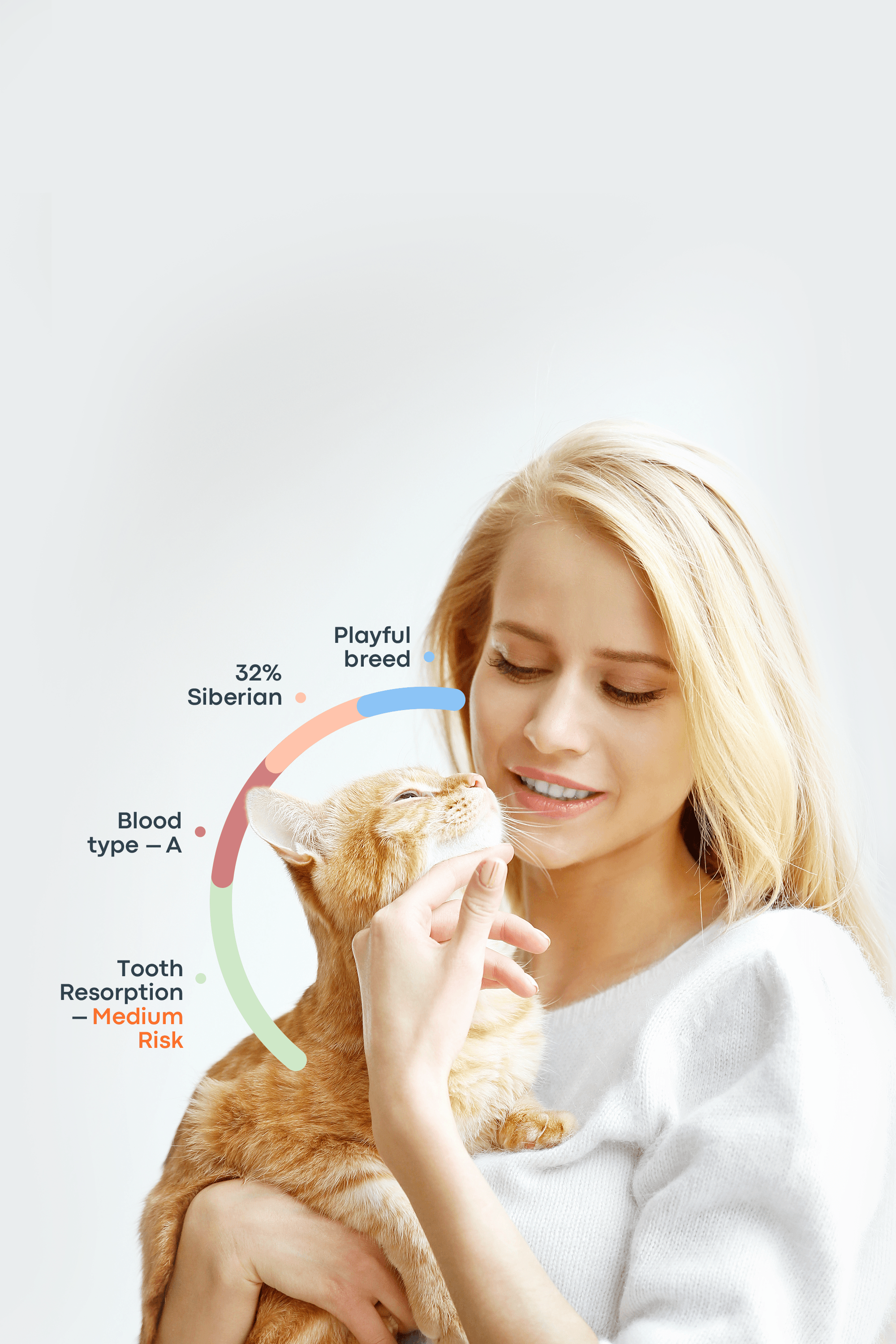
Recommended by top vets with decades of experience
21 breeds
64 genetic health markers
50 genetic trait markers

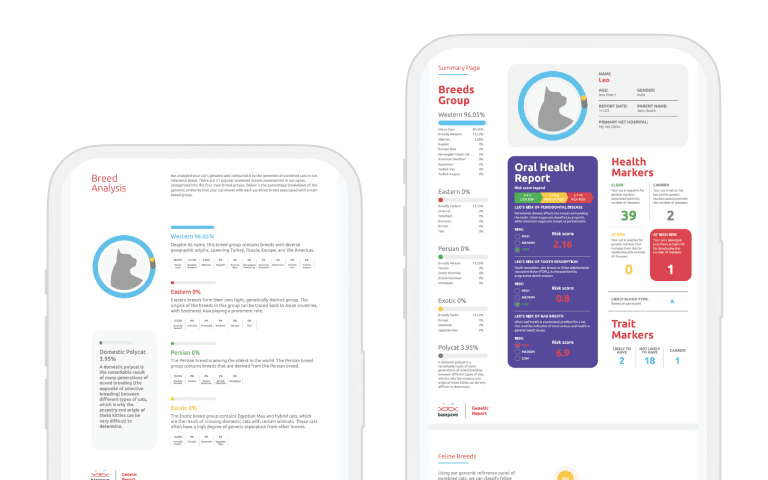
Enter your email to receive a sample cat report and preview the breed and health insights inside.