Is this breed part of your dog’s ancestry?
Discover your dog's connection to this breed and 200+ others



Discover your dog's connection to this breed and 200+ others
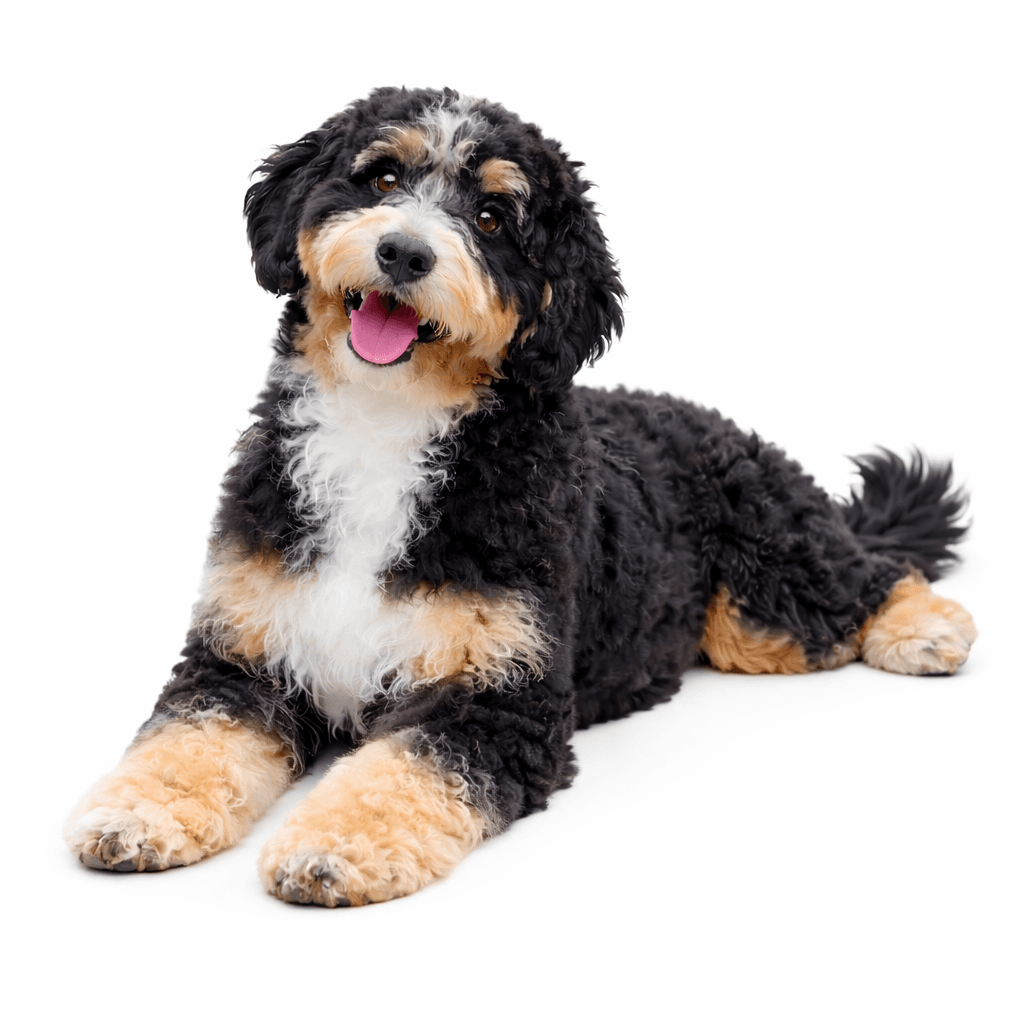
As the name suggests, Bernedoodle dogs—also known as the Bernese Mountain Doodle—is a playful mix between the Bernese Mountain Dog and the Poodle. This crossbreed combines the best of both worlds: the gentle, loyal nature of the Bernese and the intelligence and low-shedding coat of the Poodle. Originally bred to create a family-friendly, affectionate companion with fewer shedding issues, Bernedoodles have quickly gained popularity worldwide. They are known for their fun-loving temperament, adaptability, and striking appearance, often featuring the signature tri-color pattern of the Bernese Mountain Dog.
Although Bernedoodles are hugely popular today, they are a relatively new designer breed. The first Bernedoodle was purposefully bred in 2003 by Canadian breeder Sherry Rupke of SwissRidge Kennels.
Her goal was to combine the friendly, loyal temperament of the Bernese Mountain Dog with the intelligence, low-shedding coat, and overall good health of the Poodle. The result was a lovable, intelligent, and hypoallergenic family dog that quickly gained recognition worldwide.
While the Bernedoodle breed is not recognized by the American Kennel Club (AKC), Bernedoodles have earned a devoted following among dog lovers for their charm, intelligence, and companionship. Unlike many mixed breeds that appeared by chance, the Bernedoodle was carefully developed to be a companion dog—not for show or work, but to offer families the best of both parent breeds in one affectionate, adaptable pet.
Disclaimer: The term "hypoallergenic" refers to dog breeds that are less likely to trigger allergic reactions, not breeds that are completely allergy-free. These dogs may shed less, have hair instead of fur, or produce lower levels of dander—all factors that can reduce, but not eliminate, allergic responses in sensitive individuals.
Bernedoodles come in three main sizes — toy, miniature, and standard — depending on the size of the Poodle parent used in breeding.
Toy Bernedoodle
Weighs 10–24 lb (4.5–10.8 kg)
Stands 12–17 in (30.5–43 cm) tall
Ideal for smaller homes or apartments; easy to handle but energetic
Miniature Bernedoodle
Weighs 25–49 lb (11–22 kg)
Stands 18–22 in (45.7–56 cm) tall
Manageable size with enough strength and energy for outdoor activities
Standard Bernedoodle
Weighs 70–90 lb (31.7–41 kg)
Stands 23–29 in (58.4–73.6 cm) tall
Needs more space and regular exercise to stay healthy and content
Bernedoodles typically inherit the wavy or curly coat of the Poodle, which helps reduce shedding. Their coat colors often reflect the Bernese Mountain Dog’s iconic tri-color pattern (black, white, and rust), though they can also be bi-colored or solid. Regular grooming is important to prevent tangles and maintain a healthy coat.
A Bernedoodle’s appearance, coat type, and shedding level can also vary by generation.
F1 Bernedoodle: A first-generation cross between a Bernese Mountain Dog and a Poodle. These dogs often have a looser, wavy coat and may shed more than later generations.
F1b Bernedoodle: Bred by crossing an F1 Bernedoodle with a Poodle. This generation typically has curlier coats and lower shedding, making them more suitable for allergy-sensitive households.
F2 and Multigenerational Bernedoodles: Produced by breeding two Bernedoodles together. These generations tend to have more predictable traits in size and coat texture, though variation is still possible depending on the breeding lines.
Bernedoodles are generally easy to care for, but they do have some specific needs to keep them healthy, happy, and well-behaved. Like their parent breeds, they thrive on regular exercise, mental stimulation, and companionship.
These dogs are very social and form strong bonds with their families. They don’t do well when left alone for long periods, as loneliness can lead to anxiety or unwanted behaviors. Bernedoodles are happiest when they’re included in daily activities and spend plenty of time with their people.
Because of their intelligence, Bernedoodles need mental enrichment just as much as physical activity. Interactive toys, puzzle feeders, and consistent training sessions help keep their minds sharp and prevent boredom.
When it comes to living arrangements, toy and miniature Bernedoodles can adapt well to apartment life, provided they get their daily walks and playtime. A standard Bernedoodle, however, are larger and more energetic, so they do best in homes with a yard or access to outdoor space where they can stretch their legs.
Like all dogs, Bernedoodles can experience certain health problems — some common across all breeds and others more specific to their size or genetic background. Understanding these risks can help owners detect issues early and ensure their dog lives a long, healthy life.
Joint and Skeletal Issues
Conditions such as hip and elbow dysplasia or Legg-Calvé-Perthes disease (a hip joint disorder seen more often in smaller dogs) can affect mobility and comfort.
Vision Problems
Cataracts and Progressive Retinal Atrophy (PRA) may develop over time, potentially leading to impaired vision or blindness.
Digestive Conditions
Gastric dilatation-volvulus (bloat) is a serious concern, particularly for larger Bernedoodles. It causes the stomach to twist and fill with gas, requiring immediate veterinary care.
Immune and Hormonal Disorders
Hypothyroidism, which affects metabolism, and allergies (skin or food-related) are also seen in the breed.
Early warning signs may include limping, stiffness, cloudy eyes, excessive scratching, retching or bloating, unexplained fatigue, or weight changes not linked to diet. Prompt veterinary attention is crucial if any of these symptoms appear.
To keep your Bernedoodle in good shape, schedule annual veterinary exams and additional checkups as needed. Regular health screenings, joint supplements (if recommended), and maintaining a healthy weight through diet and exercise can all help prevent or manage these conditions.
The Bernedoodle lifespan often depends on the dog’s size rather than specific health conditions:
Standard Bernedoodles: Live about 12–15 years on average.
Miniature and Toy Bernedoodles: Tend to live longer, often reaching 16–18 years.
Despite the common misconception that hybrid dogs are automatically healthier, this isn’t always true. It is, in fact, just a myth. The overall health over your Bernedoodle will depend largely on their genetics, which come from where/how they were bred.
Bernedoodle puppies are undeniably adorable — and they often seem to have endless appetites! Feeding your Bernedoodle a balanced, high-quality diet is one of the best ways to support their long-term health and energy levels. Look for dog foods that meet the Association of American Feed Control Officials (AAFCO) nutritional standards. This ensures the food provides complete and balanced nutrition for your dog’s specific life stage — puppy, adult, or senior.
According to PetMD, a Bernese Mountain & Doodle puppy should be fed 3–4 small meals per day, spaced evenly throughout the day. Smaller, frequent meals help prevent overeating and keep their energy levels stable. Once your dog reaches adulthood (around 12 months for smaller Bernedoodles and up to 18 months for standards), you can transition to two meals per day — typically one in the morning and one in the evening. A consistent schedule, such as 7 a.m. and 7 p.m., helps regulate your dog’s digestion and reduces begging or anxiety around food.
The Bernedoodle breed is known for its love of food — and for being highly trainable when treats are involved! However, portion control is key to keeping them healthy and preventing weight gain, which can lead to joint and digestive problems over time.
The amount of food your Bernedoodle needs depends on their size, age, activity level, and overall health. Smaller dogs naturally require fewer calories than larger ones, but it’s always best to confirm your dog’s exact feeding needs with your veterinarian, who can tailor recommendations to your pet’s lifestyle and condition.
As a general guideline, here’s an approximate breakdown:
Weight range: 10–24 lb (4.5–11 kg)
Food per meal: 0.75 cup
Weight range: 25–49 lb (11–22 kg)
Food per meal: 0.75–1 cup
Weight range: 50–90 lb (23–41 kg)
Food per meal: 1.5–2 cups
Choose a food that matches your dog’s size and life stage. Standard Bernedoodle puppies do best on large-breed puppy formulas that promote steady growth and support long-term joint health.
Focus on balanced growth during puppyhood. Avoid overfeeding, as rapid weight gain can put extra strain on developing joints.
Consider joint-support nutrients with veterinary guidance. Omega-3 fatty acids (such as fish oil) and glucosamine may help maintain healthy joints, especially in larger or highly active Bernedoodles.
Keep treats limited. Treats should make up no more than 10% of your dog’s total daily calorie intake to help prevent unnecessary weight gain.
Feed two smaller meals per day rather than one large meal. This can aid digestion and may reduce the risk of bloat, particularly in standard-sized Bernedoodles.
Provide constant access to fresh, clean water and monitor your dog’s weight regularly, adjusting portions as needed.
Bernedoodles are intelligent, eager-to-please dogs, which makes them highly trainable. However, like all dogs, they benefit from consistent, patient training and positive reinforcement techniques. They are loyal, affectionate, and ready for a challenge. Their remarkable trainability comes largely from their Poodle ancestry, while the occasional streak of stubbornness can be attributed to their Bernese Mountain Dog parentage. Overall, the Bernedoodle personality combines warmth, playfulness, and intelligence, making them wonderful family companions.
Bernedoodles love being active and engaged. Providing physical exercise and mental stimulation is key to keeping them happy and well-behaved. Popular activities include:
Swimming: Many Bernedoodles enjoy water, making lake outings or supervised swimming sessions a favorite activity.
Agility training and hiking: These activities challenge both mind and body, keeping your dog fit and stimulated.
Games and tricks: Teaching your Bernedoodle to play fetch, hide-and-seek, or puzzle games provides hours of fun for both dog and owner. These activities are great ways for families, including children, to bond with their pet.
Begin training with simple commands such as “sit,” “stay,” and “no” before moving on to more advanced tricks or activities. Consistency and patience are key to helping your Bernedoodle learn effectively.
Because of their sweet and loyal nature, Bernedoodles also make excellent candidates for emotional support animal training. While not as physically exciting as swimming or agility, this training allows them to provide comfort and companionship to those in need.
Bernedoodles are robust dogs with a love of water, but that doesn’t mean that their skin loves the water! Unfortunately, overbathing can quickly cause dry skin, as it causes the natural oils in the dog’s skin to dry up and have a hard time replenishing itself.
They should only need to be bathed every 4-6 weeks, unless they get into something particularly stinky and require an extra bath. While bathing your dog, be sure to check for allergic reactions and signs of fleas.
Brushing your Bernedoodle’s coat is just as important as bathing. Regular brushing removes tangles, distributes natural oils, and keeps the coat soft and shiny.
Frequency:
Wavy or straight coats: 2–3 times per week.
Curly coats: Daily brushing is recommended to prevent knots and mats.
Professional grooming: A haircut every 6–8 weeks helps maintain a neat coat and manage shedding.
Keep the hair around your Bernedoodle’s eyes trimmed carefully to prevent irritation or accidental scratching. Monitor for cloudiness, discharge, or redness, as these can indicate infections or other eye issues. Consult your veterinarian if any of these signs appear.
Ears should be cleaned gently after bathing, use a clean cloth to wipe the inside of the ears and dislodge debris. Your veterinarian may also provide an ear wash.
Your dog’s nails should be clipped every 2-3 weeks to ensure that they don’t get overgrown. You can tell if they are too long, when your dog begins to make a clacking sound when they walk on hard floors.
Living Space: Best suited for a house with a yard, though Mini Bernedoodles can adapt to apartment living with sufficient exercise
Activity Needs: 45–90 minutes of daily exercise
Grooming: Brushing several times per week + professional grooming every 6–8 weeks
Temperament: Loyal, affectionate, intelligent, and family-oriented
Best For: Active families or owners who can provide time, training, and companionship
These dogs are ideal for singles and families alike. They are great with children, the elderly, and everyone in between, making them a versatile addition to any family structure. They fit well into families that like to be active, and also those who prefer to hangout at home playing board games and having movie nights.
Bernedoodles can tolerate the cold better than they can heat. They need access to shade and cooler locations (such as a home with AC) during the hot summer months.
Another thing to consider is the cost of owning a Bernedoodle.
Purchase price: $2,000–$5,000 when buying from a registered, reputable breeder.
Monthly expenses: Around $100 for food, grooming, and basic supplies.
Veterinary care: Costs can vary widely, so it’s wise to set aside funds for routine checkups, vaccinations, and unexpected medical needs.
How big does a Bernedoodle get?
A full grown Bernedoodle can range in weight from 70–90 lb (31.7–41 kg) for standards, 25–49 lb (11–22 kg) for miniatures, and 10–24 lb (4.5–10.8 kg) for toys.
Is a Bernedoodle hypoallergenic?
Bernedoodles are sometimes considered to be hypoallergenic because they shed less than other breeds. However, they are not hypoallergenic as they do still give off a small amount of hair.
How long do Bernedoodles live?
Bernedoodles live for 12-18 years, with standard Bernedoodles living closer to 12 years and toys and miniatures averaging 18.
How much do Bernedoodles cost?
The cost for a Bernedoodle depends largely on where you get them from. From a reputable breeder, your Bernedoodle can be between $2,000 and $5,000, whereas they may be a few hundred from a rescue shelter.
What is the difference between Bernedoodles vs. Goldendoodles?
Bernedoodles are a Bernese Mountain Dog Poodle mix, while a Goldendoodle is a Golden Labrador Retriever Poodle mix.
Are Bernedoodles high maintenance?
No — with basic care, grooming, and attention, Bernedoodles are generally considered low to moderate maintenance.
What is the most popular Bernedoodle size?
While all sizes of Bernedoodles are cute, the miniature and standard Bernedoodle are the most popular.
Do Bernedoodles shed?
Yes. They shed less than many other breeds, but do still shed during shedding season.
How often should a Bernedoodle be groomed?
They should be bathed every 4-6 weeks, but brushed a few times a week.
Are Bernedoodles good family pets?
Yes, they are affectionate, gentle, and excellent with children and other pets.
Are Bernedoodles good dogs?
Yes, they are known for their gentle disposition and fun-loving personalities.
Are Bernedoodles hyper?
Toy and miniature Bernedoodles are known for their high energy levels. Standard Bernedoodles can be hyper, too, when given the space and stimulation needed for play.
Recommended by top vets with decades of experience
21 breeds
64 genetic health markers
50 genetic trait markers
