Is this breed part of your dog’s ancestry?
Discover your dog's connection to this breed and 200+ others



Discover your dog's connection to this breed and 200+ others
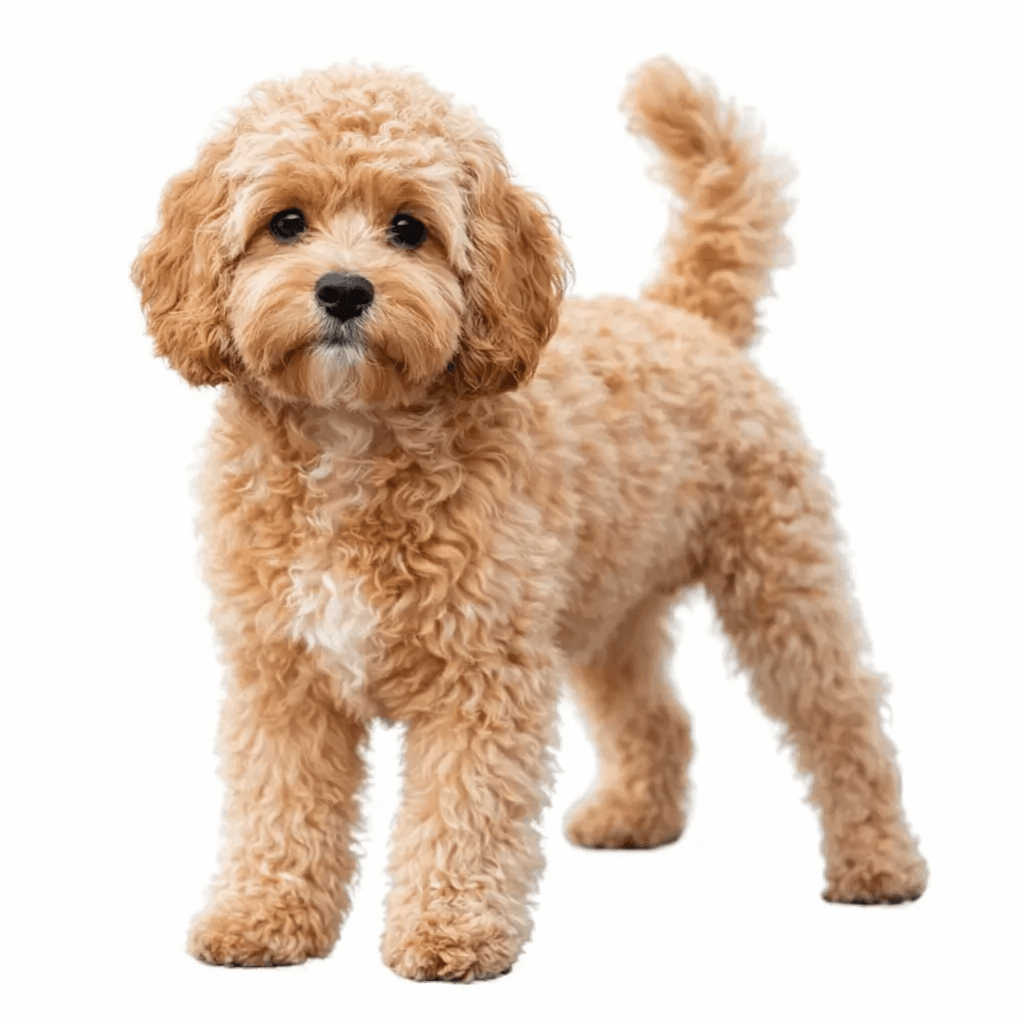
What is a Cavapoo dog? A Cavapoo is a popular mixed-breed dog created by crossing a Cavalier King Charles Spaniel with a Poodle (usually a Miniature or Toy Poodle). This combination results in friendly, affectionate, and intelligent companions known for their gentle nature and adaptability. Cavapoos are highly social dogs that thrive on human interaction, making them great family pets or companions for singles and seniors alike. They typically have a soft, wavy coat that may be low-shedding—ideal for people with mild allergies. With proper care, nutrition, and regular exercise, a healthy Cavapoo dog can live 12–15 years. Understanding their needs, such as regular grooming, early training, and mental stimulation, helps ensure they stay happy and well-adjusted throughout their life.
The Cavapoo, also known as the Cavoodle, is a cross between the Cavalier King Charles Spaniel and the Poodle (usually Miniature or Toy). This adorable hybrid was first bred in the 1950s in the United States, with the goal of combining the Cavalier’s gentle temperament with the Poodle’s intelligence and low-shedding coat.
Cavapoos gained significant popularity in Australia and the United Kingdom during the 1990s, as part of the growing trend of “designer dogs.” This term describes intentionally crossbred dogs that combine desirable traits from two purebred parents—such as improved health, temperament, or coat qualities. While “designer dog” can sometimes carry a negative connotation, the intent behind these crosses is often to create more well-balanced, resilient companions.
Because Cavapoos are a hybrid of the Cavalier King Charles Spaniel and the Poodle rather than a standardized purebred breed, they are not officially recognized by the American Kennel Club (AKC). However, they are widely recognized by various designer dog registries and continue to grow in popularity as companion pets worldwide.
The Cavapoo is generally considered a healthy and stable breed, thanks to the genetic diversity of its parent breeds. Poodles originated in Germany as water retrievers and are celebrated for their intelligence, trainability, and hypoallergenic coats. Cavalier King Charles Spaniels were bred in Britain as affectionate companion dogs, admired for their silky coats, expressive eyes, and loving personalities.
Disclaimer: The term "hypoallergenic" refers to dog breeds that are less likely to trigger allergic reactions, not breeds that are completely allergy-free. These dogs may shed less, have hair instead of fur, or produce lower levels of dander—all factors that can reduce, but not eliminate, allergic responses in sensitive individuals.
What does a Cavapoo look like? They are small, fluffy dogs often described as teddy bear-like, with soft, wavy, or curly fur. Their coats come in a range of colors, including red, apricot, black, cream, and white, and may display beautiful patterns like Blenheim, tricolor, phantom, or sable.
Because Cavapoos inherit traits from both parent breeds, their size and appearance can vary quite a bit. The size of the Poodle parent—toy or miniature—usually determines how big a Cavapoo will grow.
Toy Cavapoo
Weighs 8–13 lb (3.6–6 kg)
Stands 9–11 in (23–28 cm) tall
Mini Cavapoo
Weighs 13–20 lb (6–9 kg)
Stands 11–14 in (28–35.5 cm) tall
Their coat is one of their most distinctive features. It can range from soft, wavy fur to tighter curls, often combining the silky texture of the Cavalier with the Poodle’s low-shedding qualities. Regular grooming is essential to keep the coat healthy and free of tangles.
Their build may resemble either parent—some Cavapoos have the lean, elegant frame of the Poodle, while others take after the rounder, more compact shape of the Cavalier King Charles Spaniel. Regardless of the variation, Cavapoos are known for their expressive faces, large round eyes, and soft, floppy ears, giving them an irresistibly sweet appearance.
Because Cavapoos are a mixed breed, their coat type, shedding, and appearance can also vary by generation:
F1 Cavapoo: A first-generation cross between a Cavalier King Charles Spaniel and a Poodle. Coats are often wavy to slightly curly, with moderate shedding and balanced traits from both parents.
F1B Cavapoo: A cross between an F1 Cavapoo and a Poodle. Typically has curlier, lower-shedding fur and is often preferred by people with allergies or sensitivities.
F2 Cavapoo: Bred from two Cavapoos. Coat type, shedding, and appearance can vary more widely, making traits less predictable than F1 or F1B generations.
Cavapoos are energetic and playful. Because of the friendly Cavapoo personality, they love spending time with their families and crave plenty of attention and interaction.
Adult Cavapoos typically need 45–60 minutes of exercise each day. This can include daily walks, play sessions, agility training, or even swimming—just don’t forget their life jacket! For puppies, a good rule of thumb is five minutes of exercise per month of age to prevent overexertion or injury.
Because of their Poodle heritage, the Cavapoo characteristics include high intelligence and curiosity. This makes them quick learners, but also prone to mischief if they get bored. Keep their minds active with scent games, puzzle toys, or a snuffle mat to provide mental stimulation.
The affectionate Cavapoo temperament means they love to be close to their people. Setting up a cozy crate or bed gives them a safe space to relax when you or they need some downtime. Cavapoos also need regular grooming, as their coats can become tangled or matted without consistent brushing. It’s best to desensitize them to grooming tools early, making the process easier and more enjoyable for both of you.
Cavapoos are excellent family dogs, getting along well with children and other pets. However, they don’t do well being left alone for long periods, as they can develop separation anxiety.
So, are Cavapoos good dogs? Absolutely! With daily exercise, plenty of playtime, and lots of love, they make loyal, affectionate, and joyful companions.
Like all dog breeds, Cavapoos can be prone to certain health problems, many of which they may inherit from their parent breeds—the Cavalier King Charles Spaniel and the Poodle. Being aware of these potential Cavapoo health issues can help owners take preventive steps and keep their pets healthy for years to come.
Heart Disease
Cavapoos may be predisposed to mitral valve disease (MVD), a common heart condition in Cavaliers. Maintaining a healthy weight, providing regular exercise, and feeding a balanced diet can help reduce risk. Symptoms may include lethargy, coughing, reduced stamina, or difficulty breathing. Early detection through routine veterinary checkups is key to effective management.
Joint Problems
Patellar luxation (dislocating kneecaps) and hip dysplasia are joint issues occasionally seen in Cavapoos. These can cause limping, reluctance to move, or discomfort when touched. In severe cases, surgery and physical therapy may be required. Preventive care includes joint supplements, controlled exercise, and maintaining a healthy body weight.
Ear Infections
Due to their floppy ears, Cavapoos are prone to ear infections. Weekly ear cleaning with a vet-approved solution can help prevent buildup of wax and moisture. Signs of infection include head shaking, pawing at the ears, foul odor, and yellow, brown, or green discharge. Infections often require antibiotic treatment prescribed by a vet.
Eye Conditions
Cavapoos can develop eye issues such as tear staining, conjunctivitis, or progressive retinal atrophy (PRA)—a degenerative disease that can lead to vision loss. To help prevent irritation, keep the hair around their eyes trimmed and the area clean. If redness, swelling, or discharge appears, seek veterinary care promptly.
Dental Disease
Like many small breeds, Cavapoos are at risk of periodontal (gum) disease. Signs include bad breath, drooling, or reluctance to eat hard food. Preventive measures include daily brushing with dog-safe toothpaste and annual professional dental cleanings. Untreated dental disease can cause pain and lead to infections that affect other organs.
Allergies
Cavapoos may have food or environmental allergies, often reacting to grains or certain proteins such as chicken or beef. Symptoms can include itching, hair loss, vomiting, diarrhea, or swelling of the face and gums. Working with a vet to conduct an elimination diet can help identify and manage triggers.
Neurological Conditions
Some Cavapoos may inherit epilepsy or other neurological disorders. Signs include sudden behavioral changes, collapse, or seizures. Responsible breeding and genetic testing can reduce—but not eliminate—these risks. Vets can prescribe medication to manage symptoms and improve quality of life.
Regular veterinary checkups, a balanced diet, and consistent grooming are essential for maintaining good Cavapoo health. Watch for any changes in behavior, appetite, energy, or appearance, and seek veterinary advice early. Genetic screening can also help identify potential hereditary Cavapoo health problems before they become serious.
With proper care, most Cavapoos enjoy long, happy lives—often 12 to 15 years—filled with affection, play, and companionship.
A Cavapoo should be fed a high-quality, nutritionally balanced dog food that suits their age, size, and activity level. Look for formulas that list real meat (such as chicken, turkey, lamb, or salmon) as the first ingredient and meet the Association of American Feed Control Officials (AAFCO) nutritional standards for complete and balanced diets. Cavapoo adult dogs usually eat 2–3 meals a day, while a Cavapoo puppy needs 3–4 smaller meals to support their growth.
Because Cavapoos often have long, floppy ears, using a slanted or raised bowl can help keep their ears clean and dry during meals.
Vets often recommend adding joint supplements like glucosamine or chondroitin to support healthy joints and prevent issues such as hip dysplasia.
Most Cavapoos eat 2–3% of their body weight daily, divided into meals. These are general feeding guidelines for an adult Cavapoo. Always adjust portions based on activity level and body condition after consulting your veterinarian.
Weight range: 8–11 lb (3.6–5 kg)
Food per meal: 0.5–0.75 cup
Weight range: 12–17 lb (5.4–7.7 kg)
Food per meal: 1 cup
Weight range: 18–25 lb (8.1–11.3 kg)
Food per meal: 1.5 cups
What are Cavapoo puppies meant to eat? Puppies should stay on a high-calorie puppy diet and a consistent feeding schedule to prevent low blood sugar (hypoglycemia).
Cavapoos can be prone to food sensitivities, especially to chicken, beef, grains, dairy, or soy. Watch for signs like itching, ear infections, vomiting, or diarrhea.
When changing your dog’s food, transition gradually over 7–10 days to help prevent digestive upset.
If sensitivities develop, speak with your vet about trying a limited-ingredient diet or a novel protein such as duck, salmon, lamb, or venison.
Measure portions carefully. Cavapoos are small dogs and can gain weight quickly if overfed. Adjust amounts based on their size and activity level.
Use small, low-calorie treats for training. Dog-safe vegetables like carrots or green beans can also work well.
Foods containing omega-3 and omega-6 fatty acids can help support healthy skin and a soft coat.
Always provide fresh water, especially after exercise or in warm weather.
The Cavapoo temperament is best described as loving, gentle, and highly social, making them one of the most family-friendly hybrid breeds. They form strong bonds with their owners and get along well with children and other pets. Because they thrive on attention and companionship, Cavapoos can become anxious if left alone for long periods. Early socialization and positive training help them grow into confident, well-mannered dogs.
Like all dogs, Cavapoos benefit from consistent structure and training. They respond exceptionally well to positive reinforcement, such as treats or praise, when learning new behaviors. Training should start early — ideally with primary socialization between 3–5 weeks and secondary socialization between 5–12 weeks of age.
Some Cavapoos may show signs of separation anxiety, especially if they’re overly attached to their owners. If this happens, consulting a qualified dog behaviorist can help teach them coping skills and independence.
Cavapoos love interactive and mentally stimulating games. Enrichment activities such as scent tracking, puzzle toys, or hide-and-seek with treats keep their minds sharp and prevent boredom. Are Cavapoos good dogs for scent tracking? While they may not be top-tier scent trackers like hounds, they enjoy using their noses and exploring new environments.
Regular playtime, short training sessions, and daily walks help maintain their confidence, obedience, and good manners—making them happy, well-rounded companions.
Healthy skin starts with a good bathing routine. Bathe your Cavapoo every 4–6 weeks using a dog-specific shampoo and conditioner to avoid dryness or irritation. Always brush their coat before bathing to remove tangles and prevent matting.
After the bath, dry them with a blow dryer on a low setting and ensure the skin underneath the fur is completely dry to prevent moisture buildup, which can cause irritation or infections.
Cavapoos need daily brushing with a slicker brush to keep their coat smooth and mat-free. Their fur can easily tangle, especially around the legs, chest, and ears.
A professional grooming session every 6–8 weeks helps maintain their coat’s shape and cleanliness. If you prefer to groom at home, a dog-safe shaver can be handy, though not essential. Regular coat maintenance keeps your Cavapoo looking neat and prevents discomfort from knots and mats.
Cavapoos are prone to tear staining and eye irritation, so gentle daily cleaning is important. Wipe the area around the eyes with a warm, damp cloth or a pet-safe wipe. If there’s crust buildup, use a vet-approved saline solution to soften it before wiping.
Keep the fur around the eyes trimmed short to reduce irritation. Watch for signs such as redness, discharge, or cloudiness, which should be checked by a vet promptly.
Their floppy ears can trap moisture and dirt, leading to infections. Clean your Cavapoo’s ears once a week using a vet-recommended ear cleaning solution. Gently wipe the outer ear with cotton wool — never use cotton swabs, as these can damage the ear canal.
Avoid over-cleaning, which may cause irritation. Regular ear checks can help catch problems early.
Trim your Cavapoo’s nails every 4–6 weeks to keep them at a comfortable length. Overgrown nails can cause pain or affect their gait. You can trim them at home with dog nail clippers or schedule a session with a professional groomer.
Living Space: Apartment-friendly with regular walks
Activity Needs: 30–45 minutes daily
Grooming: Daily brushing + grooming every 4–6 weeks
Temperament: Affectionate and people-focused
Best For: First-time owners
Before bringing a Cavapoo home, it’s essential to make sure your lifestyle suits their needs. Cavapoos adapt well to most climates but are sensitive to extreme cold due to their small size and fine coat. They thrive in apartments or houses, provided they get daily walks and outdoor playtime. Some apartment owners may opt for a Mini Cavapoo as a Mini Cavapoo full-grown is only 7–13 lbs (3–6 kg) and stands 9–12 inches (23–30 cm) tall. While they love human companionship, Cavapoos can develop separation anxiety, so even well-trained adults shouldn’t be left alone for more than 5–6 hours.
With proper early socialization, Cavapoos usually get along well with children, other dogs, and even cats, making them great additions to multi-pet homes. Although often labeled hypoallergenic, no breed is completely allergy-free — Cavapoos are simply low-shedding and low-dander, which can help reduce reactions. Their monthly care costs generally range from $50 to $150, including food, grooming, insurance, and vet care. Overall, Cavapoos make wonderful companions for singles, couples, and families who can provide plenty of affection, moderate exercise, and consistent grooming.
How big does a Cavapoo get?
Cavapoos are small to medium-sized dogs, usually standing 9–14 inches (23–35.5 cm) tall and weighing 8–20 lbs (3.5–9 kg). Their final size depends on whether the Poodle parent was a Toy or Miniature variety.
Is a Cavapoo hypoallergenic?
No dog is truly hypoallergenic, but Cavapoos are often better tolerated by allergy sufferers. Thanks to their Poodle lineage, they are low-shedding and produce less dander, which can help reduce allergic reactions.
How long do Cavapoos live?
A healthy Cavapoo typically lives 12–15 years, though some can live even longer with proper care. In fact, the oldest recorded Cavapoo lived beyond 20 years. Generally, smaller Cavapoos tend to live longer, but diet, exercise, and overall health care are more important factors than size.
How much do Cavapoos cost?
Cavapoos usually cost between $1,000 and $4,000, depending on the breeder’s reputation, location, and the puppy’s lineage. Well-bred, health-tested puppies from reputable breeders are typically priced around $2,500–$4,000.
What is the difference between Cavapoos vs. Cockapoos?
A Cavapoo is a mix between a Cavalier King Charles Spaniel and a Poodle, while a Cockapoo combines a Cocker Spaniel and a Poodle. Both breeds are affectionate and intelligent, but Cavapoos tend to be slightly calmer and more people-oriented, while Cockapoos are often more energetic.
Are Cavapoos high maintenance?
Cavapoos require regular grooming to keep their coats clean and mat-free, which makes them moderately high-maintenance. Establishing a consistent grooming routine and working with a professional groomer can make care easier and keep your Cavapoo looking and feeling their best.
Recommended by top vets with decades of experience
21 breeds
64 genetic health markers
50 genetic trait markers

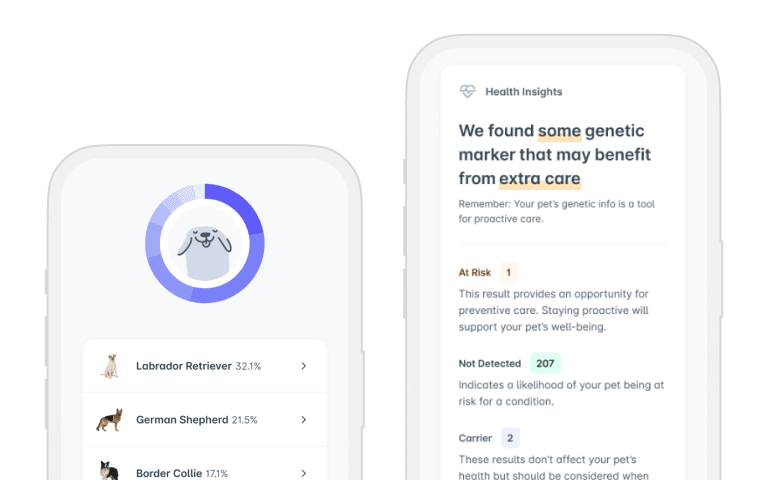
Enter your email to receive a sample dog report and preview the breed and health insights inside.