Is this breed part of your dog’s ancestry?
Discover your dog's connection to this breed and 200+ others



Discover your dog's connection to this breed and 200+ others
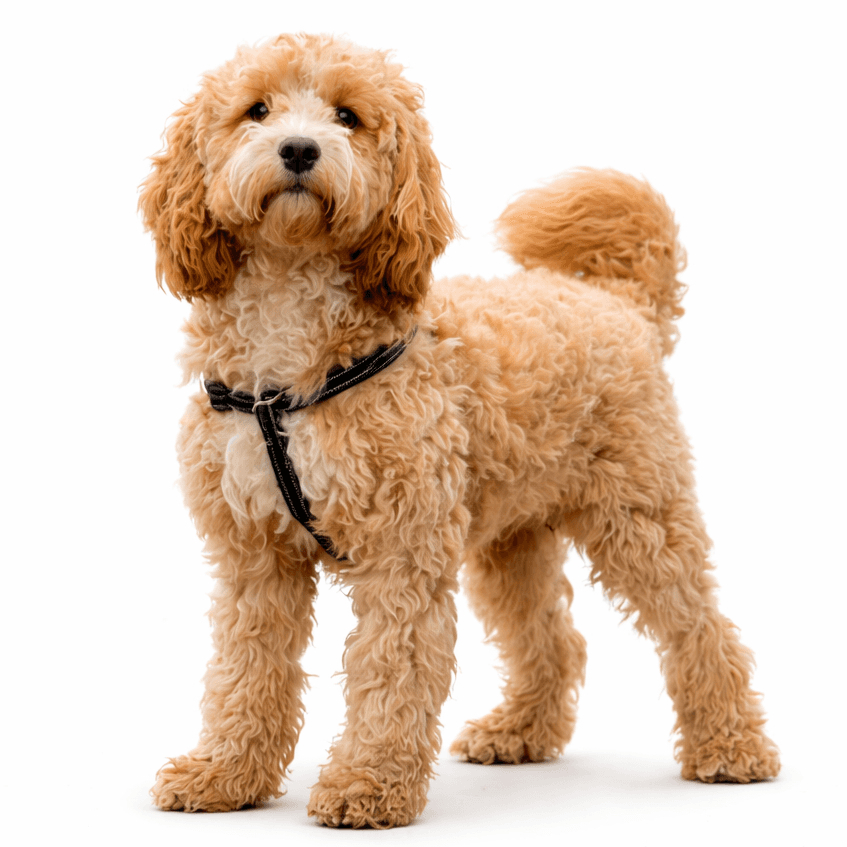
What is a Cockapoo? With their joyful personality and teddy bear-like face, it’s no wonder the Cockapoo dog is a popular breed. One of the first “designer dog” breeds, the Cockapoo is a Cocker Spaniel Poodle mix, intentionally bred to combine the Poodle’s intelligence and lower-shedding coat with the Cocker Spaniel’s sweet and gentle temperament. Cockapoos are known for being affectionate, playful, and highly social. They tend to form strong bonds with their family and usually enjoy being involved in daily activities. Because they are intelligent and eager to please, they often respond well to positive reinforcement training.
The Cockapoo first appeared in the United States in the 1950s and 1960s. Early litters were reportedly the result of accidental crossings between a Poodle and a Cocker Spaniel. Breeders soon noticed that the puppies were intelligent, affectionate, and often shed less than many other dogs. Because of these desirable traits, intentional breeding programs began.
For this reason, the Cockapoo is often called the “original doodle.” Their popularity later inspired other Poodle mixes, including the Labradoodle and the Goldendoodle.
Opinions vary, and enthusiasts can feel strongly about their preferences. Organizations such as the American Cockapoo Club and the Cockapoo Club of GB promote responsible breeding and celebrate the breed’s qualities.
The American Kennel Club (AKC) does not officially recognize the Cockapoo as a breed because they are a hybrid (mixed-breed) dog rather than a standardized purebred.
The Cockapoo is often considered hypoallergenic because of its Poodle heritage and typically low-shedding coat. Coat types vary, and some Cockapoos may still trigger allergies, so it’s best to spend time with the individual dog before deciding.
Disclaimer: The term "hypoallergenic" refers to dog breeds that are less likely to trigger allergic reactions, not breeds that are completely allergy-free. These dogs may shed less, have hair instead of fur, or produce lower levels of dander—all factors that can reduce, but not eliminate, allergic responses in sensitive individuals.
Spoodle vs. Cockapoo
You may also hear the term “Spoodle.” In many cases, the names are used interchangeably. However, in countries like Australia and New Zealand, “Spoodle” more commonly refers to a cross between an English Cocker Spaniel and a Poodle. Regardless of the name, these dogs share similar traits: intelligence, sociability, and a strong desire to be close to their people.
How big do Cockapoos get? The Cockapoo typically comes in three size categories, largely depending on the size of their Poodle parent.
Toy Cockapoo
Weighs 6–12 lb (2.7–5.4 kg)
Stands 9–10 in (23–25.4 cm) tall
Mini Cockapoo
Weighs 13–18 lb (6–8 kg)
Stands 11–14 in (28–35.5 cm) tall
Standard (Maxi) Cockapoo
Weighs 19–30 lb (8.6–13.6 kg)
Stands 14–16 in (35.5–40.6 cm) tall
A Cockapoo’s adult size depends mainly on the Poodle parent’s size (Toy, Miniature, or Standard), as well as their sex and generation. Because Cockapoos are a mixed breed, some variation in height and weight is normal.
What do Cockapoos look like? The stereotype might be the Cockapoo small black curly dog, but their coat can be silky, wavy, or curly. The dogs with straighter coat textures may be more likely to shed. They can come in cream, buff, red, black, or chocolate with roan or parti patterns. There are also some merle patterns, but the ethics of breeding this coat pattern can vary from breeder to breeder.
Because the Cockapoo is a mixed breed, their coat type, shedding level, and overall appearance can vary depending on generation:
F1 Cockapoo: A first-generation cross between a Poodle and a Cocker Spaniel. Coats are often wavy to loosely curly, with light to moderate shedding. Traits are typically a balanced mix of both parents.
F1B Cockapoo: A cross between an F1 Cockapoo and a Poodle (the Cockapoo Poodle). These dogs usually have curlier, lower-shedding coats and are often chosen by people with allergies or sensitivities (although no dog is completely hypoallergenic).
F2 Cockapoo: Bred from two Cockapoos. Coat texture, shedding, size, and appearance can vary more widely, making traits less predictable compared to F1 or F1B generations.
The Cockapoo is adaptable and can live in both apartments and houses, as long as they receive enough attention and daily activity. They are very people-focused and usually do best in homes where they are not left alone for long periods.
Cockapoos need about 30–60 minutes of exercise per day, along with mental stimulation such as puzzle toys, trick training, fetch, or agility games. The main Cockapoo traits are intelligence and trainability with positive reinforcement.
Grooming is also important. Their coat should be brushed several times a week to prevent tangles, and professional grooming every 6–8 weeks is often recommended. Regular ear checks help reduce the risk of infections.
If a Cockapoo starts chewing, digging, or barking excessively, they may be bored or experiencing separation anxiety. Increasing exercise and enrichment — and seeking professional advice if needed — can help prevent behavior problems.
The Cockapoo typically lives 12–16 years, though lifespan depends on genetics, diet, exercise, and preventive care. Because they are a cross between a Cocker Spaniel and a Poodle, they can inherit health conditions seen in either parent breed. Regular veterinary checkups and responsible breeding practices play a major role in keeping them healthy.
Below are some of the more common health concerns:
Eye Problems
Cockapoos may be prone to cataracts, glaucoma, and Progressive Retinal Atrophy (PRA). Signs to watch for include cloudy eyes, redness, sensitivity to light, or bumping into objects. Early diagnosis can help slow progression in some cases.
Joint Issues
Hip dysplasia and patellar luxation (slipping kneecap) are seen in some dogs. Reputable breeders often screen breeding dogs through organizations such as the Orthopedic Foundation for Animals (OFA) or PennHIP evaluations. Maintaining a healthy weight and discussing joint-support supplements like glucosamine with a veterinarian may help support mobility.
Ear Infections
Because Cockapoos often have floppy ears that trap moisture, they can be prone to ear infections. Watch for a bad odor, discharge, redness, or frequent scratching. Regular ear checks and gentle cleaning (as advised by a veterinarian) can help prevent problems.
Allergies and Skin Conditions
Some Cockapoos develop environmental or food-related allergies. Symptoms may include itching, redness, dry skin, ear infections, or digestive upset. Identifying triggers with a veterinarian can improve comfort and quality of life.
Hypothyroidism
This condition occurs when the thyroid gland produces too few hormones. Signs may include lethargy, weight gain, hair thinning, and skin issues. It is usually manageable with lifelong medication once diagnosed.
Gastric Dilatation-Volvulus (Bloat)
Although more common in large, deep-chested breeds, standard-size Cockapoos may have a small risk. Bloat happens when the stomach fills with gas and twists, cutting off blood supply. Symptoms include a swollen abdomen, restlessness, drooling, and unsuccessful attempts to vomit. This is a medical emergency and requires immediate veterinary care.
Obesity
Cockapoos can gain weight easily, especially if overfed or under-exercised. Excess weight increases the risk of joint problems, heart disease, and diabetes. Feeding measured portions and maintaining regular exercise are key preventive steps.
Good breeders perform health and genetic testing on parent dogs before breeding. Always ask what screenings have been completed and request documentation. Taking the time to research before choosing a Cockapoo puppy can greatly reduce the risk of inherited health problems.
With proper care, routine veterinary visits, and a balanced lifestyle, many Cockapoos live long, active, and happy lives.
The Cockapoo does best on a high-quality, complete, and balanced diet that meets the Association of American Feed Control Officials (AAFCO) nutritional standards for their specific life stage. Look for dog food with real animal protein as a main ingredient, appropriate calorie content for their size, and beneficial nutrients such as omega-3 fatty acids for skin and coat health and glucosamine for joint support. Choosing a formula designed for small or medium breeds can also help ensure the kibble size and nutrient levels are suitable.
Feeding needs vary by age. Puppies typically require 3–4 small meals per day to support steady growth and stable blood sugar levels. Adult Cockapoos usually do well on two balanced meals per day, with careful portion control to prevent weight gain. Seniors may benefit from slightly lower-calorie diets with added joint support. When in doubt, consult a veterinarian to tailor the diet to your dog’s weight, activity level, and overall health.
The amount a Cockapoo should eat depends on their weight, activity level, metabolism, and the calorie content of their food, so it’s different for a Toy Cockapoo and a Miniature Cockapoo. The guidelines below are general estimates for a healthy adult dog eating twice per day. Always adjust portions based on body condition and your veterinarian’s advice.
Weight range: 6–12 lb (2.7–5.4 kg)
Food per meal: 0.25–0.5 cup
Weight range: 13–18 lb (5.9–8 kg)
Food per meal: 0.5–0.75 cup
Weight range: 19–30+ lb (8.6–13.6+ kg)
Food per meal: 0.75–1 cup
Keep in mind that calorie needs vary. Highly active Cockapoos may require slightly more food, while less active or senior dogs may need smaller portions to prevent weight gain. Regular weight checks and body condition assessments help ensure you are feeding the right amount.
Follow a consistent feeding schedule. Most adult Cockapoos do best with two meals per day at the same time.
Measure every portion. Avoid free-feeding, as it can quickly lead to overeating and weight gain.
Watch their body condition. You should be able to feel (but not clearly see) their ribs. Adjust portions if they start gaining or losing weight.
Keep treats limited. Treats should make up no more than 10% of their daily calorie intake. Choose small, healthy options when possible.
Avoid table scraps. Many human foods — including chocolate, grapes, raisins, onions, garlic, and products containing xylitol — are toxic to dogs. Fatty leftovers can also upset their stomach and contribute to obesity.
Support joint health early. Because some Cockapoos may develop joint issues, maintaining a healthy weight and using vet-recommended joint supplements can help long term.
Provide fresh water at all times. Clean, fresh water should always be available, especially after exercise.
The Cockapoo is typically affectionate, outgoing, and intelligent. They combine the quick learning ability of the Poodle with the gentle, people-focused nature of the Cocker Spaniel.
As for the Cockapoo temperament, they usually love attention and form strong bonds with their family. They are highly trainable and eager to please, which makes them a good match for first-time dog owners. Their energy level is generally moderate — they enjoy playtime and walks but can relax indoors afterward. While they are not typically excessive barkers, they may alert their family to unfamiliar sounds or visitors.
These dogs thrive on companionship and often struggle if left alone for long periods. Without enough interaction, they may develop separation anxiety. Early Cockapoo training to build independence — such as short, positive alone-time sessions during puppyhood — is important. If signs of separation anxiety appear (destructive behavior, excessive barking, house soiling when alone), working with a qualified trainer or behavior professional can make a big difference.
Cockapoos benefit from early and ongoing socialization. Introducing them to different people, environments, and friendly animals helps prevent shyness or anxiety later in life. With proper supervision and training, they usually get along well with other pets.
Cockapoos enjoy both physical and mental challenges. Great activities include:
Agility or basic obedience training
Trick training
Fetch and interactive games
Scent or “search” games around the house
Supervised swimming (with proper ear care afterward)
They often have playful bursts of energy — sometimes called “zoomies” — followed by calm periods. Keeping them mentally stimulated is key, as boredom can lead to chewing or other unwanted behaviors.
With consistent training, social interaction, and enrichment, a Cockapoo usually grows into a well-mannered, loving, and adaptable companion.
The Cockapoo usually has moderate to high grooming needs, especially if they inherit a curlier coat from their Poodle parent. Without regular care, their coat can quickly become tangled and matted, which may cause discomfort and skin problems.
Investing in the right tools makes grooming much easier. A slicker brush and a metal comb are often essential for curly or wavy coats, while some dogs with straighter coats may also benefit from a bristle brush.
Cockapoos can be prone to skin sensitivities, including allergies and conditions like seborrheic dermatitis. Regular baths with a mild, dog-specific shampoo can help keep their skin clean and healthy. However, over-bathing can strip natural oils and lead to dryness or irritation. For most dogs, bathing every 4–6 weeks (or as advised by a veterinarian) is sufficient.
Daily brushing is ideal for curlier coats, while wavier coats may need brushing several times a week. This prevents mats, especially behind the ears, under the legs, and around the collar area. Professional grooming every 4–6 weeks helps maintain coat health and manage length.
Many owners choose a simple “puppy cut,” which keeps the coat short and easier to maintain. After walks, check for leaves, burrs, or debris — curly coats can trap dirt easily, which can lead to matting.
Watch for redness, swelling, cloudiness, or unusual discharge. If you notice these signs, consult a veterinarian. Gently wiping away tear stains or discharge with a dog-safe wipe can help keep the area clean. Keeping the fur trimmed around the eyes improves visibility and reduces irritation.
Floppy ears can trap moisture, increasing the risk of infection. Check the ears weekly for redness, odor, discharge, or head shaking. Always dry the ears carefully after baths or swimming. Light trimming of excess inner ear hair (done professionally if needed) may improve airflow and reduce infection risk.
Nails should typically be trimmed every 4–6 weeks, or sooner if you hear them clicking on hard floors. You can use nail clippers or a grinder, depending on what the dog tolerates best. Introducing nail care gradually during puppyhood helps them become comfortable with the process.
With consistent grooming and early positive experiences, most Cockapoos learn to tolerate — and sometimes even enjoy — their grooming routine.
Living Space: Apartment-friendly (especially Toy and Mini sizes) with daily walks and mental stimulation
Activity Needs: 30–60 minutes of exercise daily, plus play and enrichment
Grooming: Brushing several times a week (often daily for curly coats) + professional grooming every 4–6 weeks
Temperament: Affectionate, intelligent, and highly people-focused
Best For: Families, retirees, and first-time owners who can provide companionship and consistency
The Cockapoo can be a wonderful companion for families, retirees, or first-time dog owners — as long as they are ready to provide consistent attention and companionship. Cockapoos have moderate exercise needs but higher grooming requirements, and they generally do not enjoy being left alone for long periods. Smaller Cockapoos can adapt well to apartment living, provided they receive enough daily walks, playtime, and mental stimulation.
The cost of a Cockapoo puppy typically ranges from $1,000 to $3,500, depending on location, breeder reputation, and health testing. However, the purchase price is only part of the financial commitment. Ongoing expenses include veterinary care, quality food, grooming every 4–6 weeks, training, toys, and pet insurance if chosen. Speaking with members of a local breed club, such as the American Cockapoo Club or the Cockapoo Club of GB, can help you find reputable breeders, experienced veterinarians, and qualified trainers in your area.
How big does a Cockapoo get?
Cockapoos come in three sizes. Toy Cockapoos weigh 6–12 lb (2.7–5.4 kg) and stand about 9–10 in (23–25.4 cm) tall. Mini Cockapoos weigh 13–18 lb (6–8 kg) and stand 11–14 in (28–35.5 cm) tall. Standard or Maxi Cockapoos weigh 19–30 lb (8.6–13.6 kg) and stand 14–16 in (35.5–40.6 cm) tall.
Is a Cockapoo hypoallergenic?
No dog is completely hypoallergenic, but Cockapoos are low-shedding, which can make them a better choice for some allergy sufferers.
How long do Cockapoos live?
They typically live 12–16 years, depending on genetics, diet, and overall health.
How much do Cockapoos cost?
A Cockapoo puppy usually costs $1,000–$3,500, not including ongoing expenses like veterinary care, food, grooming, and training.
What is the difference between a Cockapoo vs. Cavapoo?
A Cockapoo is a cross between a Cocker Spaniel and a Poodle, while a Cavapoo is a cross between a Cavalier King Charles Spaniel and a Poodle.
Are Cockapoo high maintenance?
They require regular grooming, daily social interaction, and moderate mental and physical enrichment, making them moderately high maintenance.
Does Cockapoo shed?
They are generally a low-shedding breed, though coat type varies by generation and parentage.
Are Cockapoo easy to train?
Yes. Their intelligence and eagerness to please make them highly trainable with positive reinforcement techniques.
Are Cockapoo good with children?
Yes. They are affectionate and gentle, but interactions with young children should always be supervised.
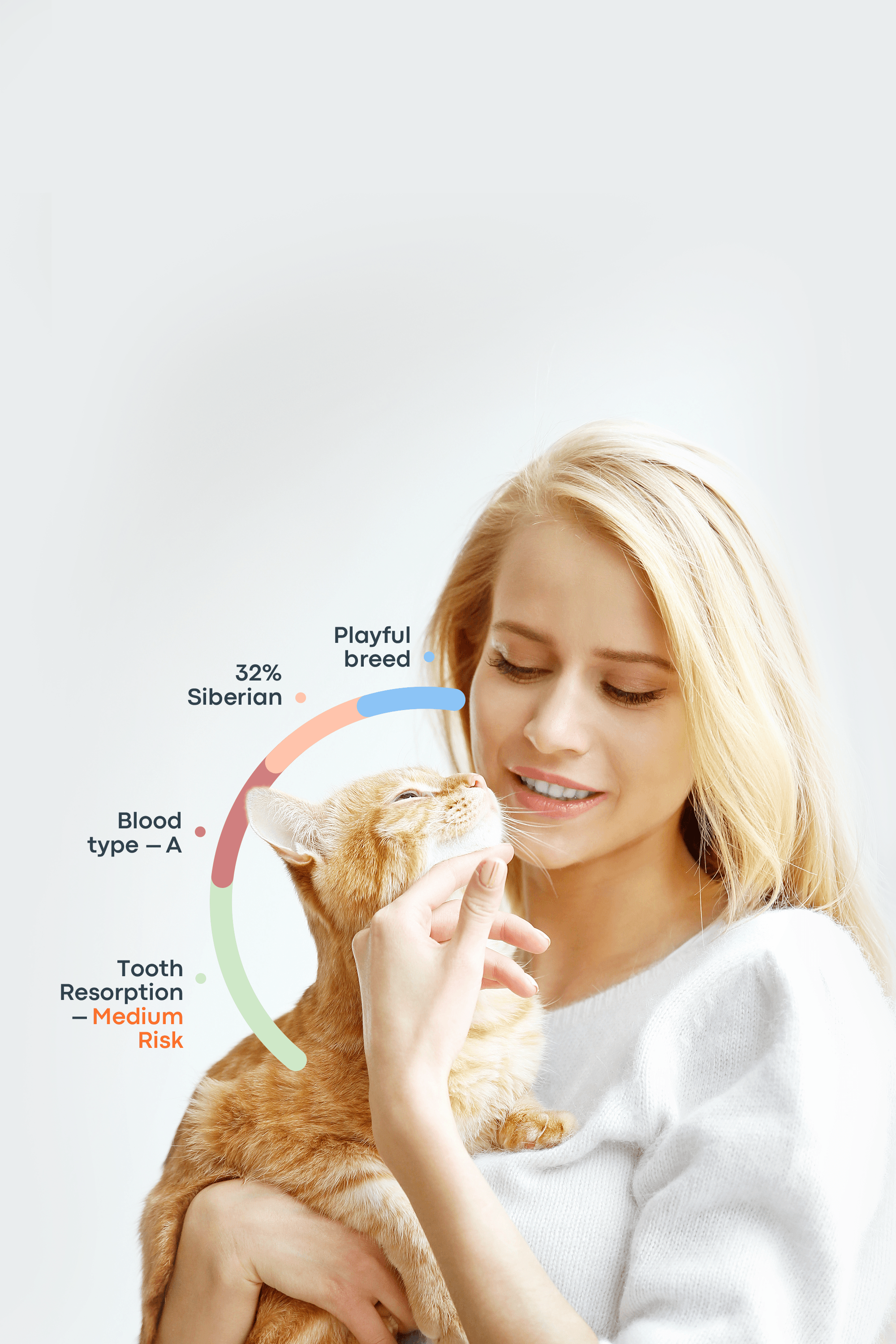
Recommended by top vets with decades of experience
21 breeds
64 genetic health markers
50 genetic trait markers

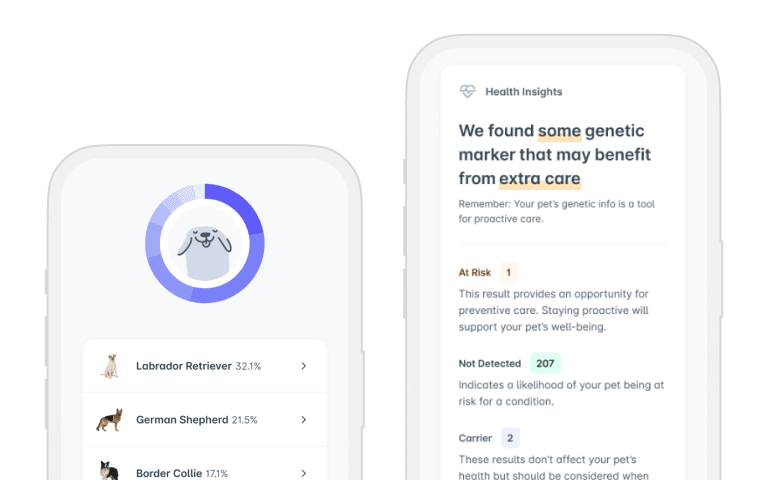
Enter your email to receive a sample dog report and preview the breed and health insights inside.