Is this breed part of your dog’s ancestry?
Discover your dog's connection to this breed and 200+ others



Discover your dog's connection to this breed and 200+ others
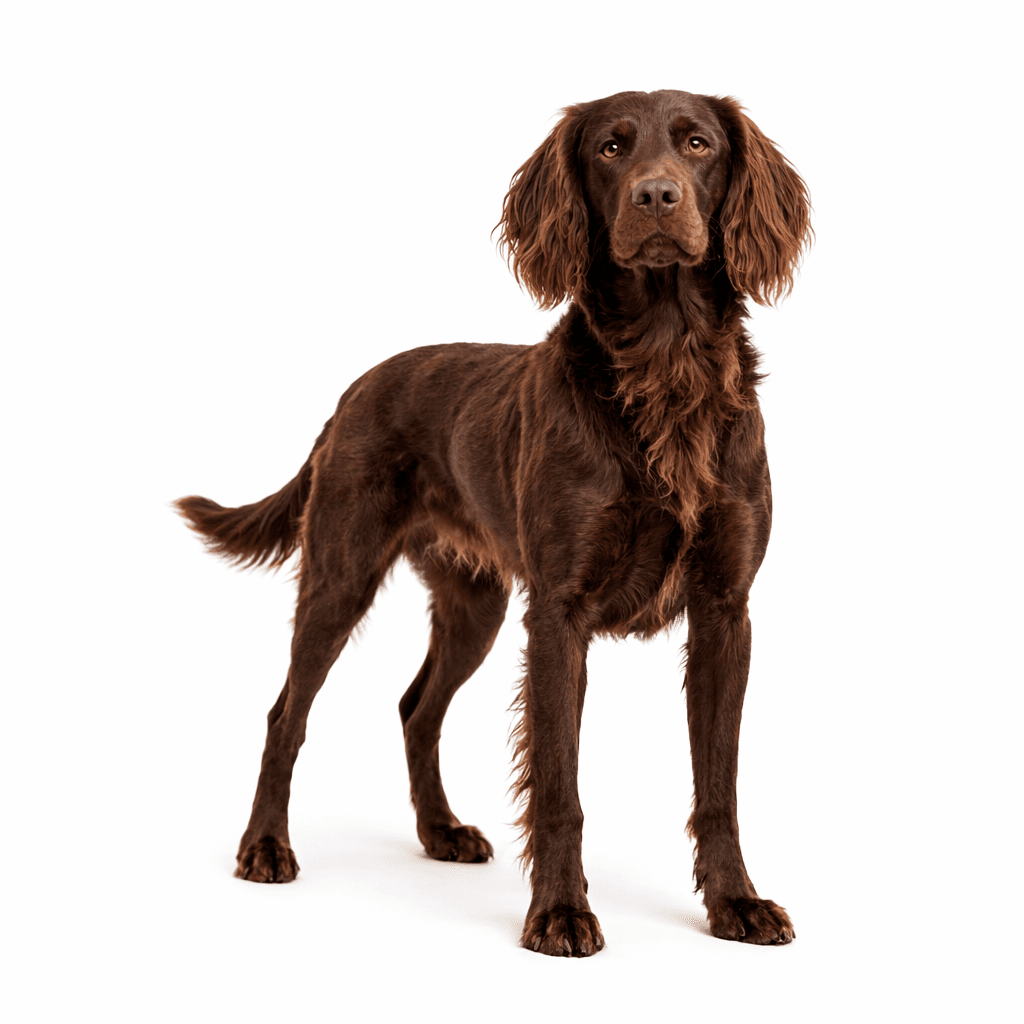
The German Longhaired Pointer (also known as Deutsch Langhaar) is a versatile gundog breed developed in Germany for hunting, pointing, and retrieving on both land and water. They are intelligent, energetic, and highly driven in the field, thriving when given purposeful work that engages both their body and mind. At home, they are typically calm, loyal, and affectionate, forming strong bonds with their family when properly trained and socialized. This breed needs daily exercise, mental stimulation, and an active lifestyle, making them best suited for owners who can provide consistent activity and structure.
The German Longhaired Pointer breed originated in Germany in the 1800s as a versatile HPR (hunt/point/retrieve) gundog, developed from breeds such as the German Shorthaired Pointer, German Wirehaired Pointer, English Pointer, and English Setter. Breeders aimed to create a faster, more adaptable hunting dog, combining strong scenting ability with reliable pointing and retrieving skills on both land and water. The breed was first exhibited at a German dog show in 1879, the same year its official standard was established, with later refinements linked to Baron von Schorlemer in 1897.
Black is not an accepted coat color in the breed, and black-coated lines were separated and later contributed to the development of the Large Munsterlander. Today, the German Longhaired Pointer breed remains relatively rare outside Europe and is not currently recognized by the American Kennel Club (AKC).
German Longhaired Pointers are medium- to large-sized, athletic gundogs with a strong, well-balanced build and an alert, intelligent expression. They have a slightly elongated body, a refined head, and a long, feathered coat that gives them an elegant, functional appearance suited for fieldwork.
German Longhaired Pointer Size
Weighs 55–80 lb (25–36.3 kg)
Stands 23–28 in (58.4–71 cm) tall
German Longhaired Pointer has a semi-long, dense, close-fitting coat that protects them in various weather conditions and terrain. The texture ranges from smooth to slightly wavy, with noticeable feathering on the ears, legs, tail, and underside, which helps shield them during work in water and brush.
The coat typically appears in brown, brown and white, brown roan, and white with brown ticking, often with patches or roaning across the body. Black is not permitted in the breed standard, and dogs with black coats were historically separated from the breed. Regular brushing is needed to prevent tangles and keep the feathering in good condition.
The adult size of a German Longhaired Pointer is influenced mainly by genetics, sex, nutrition, and activity level. Genetics sets the overall size range, while males are usually slightly larger than females. Proper nutrition during growth, along with regular exercise, supports healthy bone development, muscle strength, and overall condition.
The German Longhaired Pointer breed is best suited to rural or semi-rural homes where they have space to move, explore, and stay active. They thrive in energetic households and benefit from a large, securely fenced garden along with daily outdoor exercise and purposeful activities like long walks, tracking, or field play.
German Longhaired Pointers are intelligent and sensitive, so training should focus on consistent, positive reinforcement rather than harsh corrections. Early socialization and reliable recall training are especially important, as their strong hunting instincts can lead them to follow scents if not properly managed.
Their semi-long coat requires regular brushing—ideally several times a week or more often during shedding periods—to prevent tangles and matting. Owners should also routinely check the ears, coat, and feathering for debris after outdoor activities, and keep an eye on ear hygiene to help prevent infections.
The German Longhaired Pointer is generally a robust and healthy breed, but like many large sporting dogs, they may still be prone to a few common health concerns. Responsible breeders typically carry out health testing to help reduce these risks.
Hip and elbow dysplasia are developmental conditions where the joints do not form correctly, which can lead to discomfort, reduced mobility, and arthritis over time. Reputable breeders screen parent dogs before breeding to lower the risk of passing these conditions to German Longhaired Pointer puppies. Maintaining a healthy weight and providing appropriate exercise during growth can also help support joint health.
German Longhaired Pointers' long, floppy ears can trap moisture and debris, making them more prone to infections, especially after swimming or outdoor activity. Regular ear checks and gentle cleaning help reduce this risk. Keeping the ears dry and well-ventilated is also important for prevention.
Hereditary sensory neuropathy is a rare genetic disorder that affects the nerves responsible for sensing pain. Affected dogs may not feel injuries, which can lead to repeated wounds, excessive licking or chewing of the paws, and infections. Symptoms usually appear in young dogs, and while there is no cure, management focuses on preventing self-injury, treating wounds promptly, and providing supportive care.
The Long Hair Pointer breed does best on a high-quality dog food suited to their life stage, whether puppy, adult, or senior. As an active sporting breed, they require a balanced diet rich in protein and adequate calories to support strong muscles, endurance, and overall health.
Choose a food that meets the nutritional standards set by the Association of American Feed Control Officials (AAFCO) to ensure complete and balanced nutrition. Dogs that hunt or work regularly may need higher calorie intake, so it’s important to adjust portions based on activity level.
Most adult German Pointer Long Hair dogs typically eat about 2–3% of their body weight per day, divided into two meals. Exact portions can vary based on activity level, metabolism, age, and overall body condition, so adjustments may be needed to maintain a healthy weight.
Weight range: 55–65 lb (25–29 kg)
Food per meal: 2–2.5 cups
Weight range: 66–75 lb (30–34 kg)
Food per meal: 2.5–3 cups
Weight range: 76–80 lb (34–36 kg)
Food per meal: 3–3.5 cups
Highly active or working dogs may require slightly larger portions to meet their energy needs, while less active dogs may need smaller amounts. Regularly monitoring body condition and adjusting food intake helps prevent overfeeding or underfeeding.
Provide fresh water at all times, especially after exercise or field work.
Consider diets that support joint health (for example, those with glucosamine or omega-3 fatty acids), as this active, fairly large breed places regular stress on their joints.
Monitor body weight regularly to prevent excess weight, which can strain joints and reduce overall mobility.
Keep treats to no more than about 10% of daily calories to maintain balanced nutrition and avoid overfeeding.
The German Long Haired Pointer breed is known for a well-balanced temperament, combining calmness at home with intensity in the field. They are affectionate and loyal with their families, often forming strong bonds and enjoying close companionship.
Bred as a working gundog, they have a strong instinct to hunt, point, and retrieve, which gives them high energy, focus, and enthusiasm during outdoor activities. Like many hunting breeds, they may also have a strong prey drive and an independent streak, so consistent training, early socialization, and regular mental engagement are essential for keeping them well-behaved and balanced.
Longhaired Pointer dogs often show natural ranging behavior when off-lead, moving ahead to explore and follow scents, which is typical for hunting dogs. They benefit from clear structure, consistent training, and plenty of mental stimulation to stay focused and well-balanced.
Their strong hunting instincts can also lead them to chase small animals, so reliable recall training and supervised exercise are essential for keeping them safe and under control.
Long Haired Pointers are active, intelligent dogs that thrive on a mix of physical exercise and mental challenges. Providing a variety of structured, engaging activities helps keep them balanced, prevents boredom, and supports their natural hunting instincts.
Scent-Based Activities
Set up scent work games by hiding treats or toys and letting your dog track them using their nose
Create tracking trails outdoors and encourage them to follow the scent step by step
Try man-trailing or advanced scent games to fully engage their natural abilities
Physical Exercise & Agility
Use agility exercises like tunnels, low jumps, and weave poles to build coordination and confidence
Go on long walks or hikes in new environments to satisfy their stamina and curiosity
Include swimming sessions if possible, as many enjoy water-based activities
Retrieving & Interactive Games
Play structured fetch games to channel their natural retrieving drive
Practice retrieving drills with different objects to build focus and responsiveness
Play hide-and-seek by hiding a toy or yourself and encouraging them to find it
Training & Enrichment
Try rally obedience or advanced training exercises to keep their mind engaged
Incorporate regular training sessions to reinforce commands and improve recall
Rotate toys and introduce problem-solving games to prevent boredom and encourage thinking
Skin care for the Long Haired German Pointer breed is usually straightforward. Owners should regularly check the skin and coat for irritation, scratches, or parasites after fieldwork or outdoor activities, especially around feathered areas where debris can collect.
Coat care for German Longhair dogs includes regular brushing—ideally several times a week or more often if the coat is prone to tangling—to keep it smooth and free of mats. A more thorough grooming session once a week helps remove loose hair and maintain the feathering. After outdoor activities, check the coat for burrs, mud, or debris, particularly around the ears, legs, and tail.
Eye care for German Longhaired Pointers mainly involves routine checks after outdoor activity. Gently remove any dust, seeds, or small debris that may collect around the eyes during fieldwork, and watch for signs of redness or irritation.
Ear care for German Longhaired Pointers requires frequent checks and regular cleaning. Their long, floppy ears can trap moisture and debris, increasing the risk of infections if not properly maintained, so keeping them clean and dry is essential.
Regularly trim your pet’s nails to keep them at a comfortable length. This helps prevent overgrowth, splitting, or cracking, which is especially important for an active breed like German Longhaired Pointer.
Maintaining good oral hygiene is important for the German Longhaired Pointer breed. Brushing their teeth several times a week, along with periodic veterinary dental checkups, helps reduce plaque buildup and supports healthy gums and overall health.
Living Space: Large home with a securely fenced yard
Activity Needs: 45–60 minutes of daily exercise (often more for highly active individuals)
Grooming: Regular brushing (several times a week or daily) + bathing every 4–6 weeks
Temperament: Affectionate, intelligent, people-focused, eager to please
Best For: Experienced, active owners
The German Longhaired Pointer breed is best suited for experienced owners who can match their energy level and strong working instincts. This breed is generally not ideal for first-time dog owners, apartment living, or low-activity households. German Longhaired Pointers thrive when they have a clear purpose, consistent training, and regular outdoor activity, along with close interaction with their owner. For the right person, they can be a deeply loyal, responsive, and highly rewarding companion.
Owning a German Longhaired Pointer also comes with ongoing time and financial commitments. The initial cost of a puppy typically ranges from $600 to $2,500 USD, depending on the breeder, pedigree, and health testing, while adoption may be more affordable. Monthly expenses for food, grooming, veterinary care, and supplies can be moderate to high, especially given their size and activity level. They may also benefit from training classes or dog sports, which add to the overall cost but help keep them mentally engaged. Prospective owners should be prepared to invest both time and resources to ensure this active breed stays healthy, well-trained, and fulfilled.
How big does a German Longhaired Pointer get?
A German Longhaired Pointer typically stands 23–28 inches (58.4–71 cm) tall and weighs about 55–80 pounds (25–36.3 kg) as an adult. They are considered a medium- to large-sized sporting breed with a strong, athletic build.
Is a German Longhaired Pointer hypoallergenic?
The German Longhaired Pointer is not hypoallergenic. They shed and produce dander, which can trigger allergies in sensitive individuals.
How long do German Longhaired Pointers live?
The German Longhaired Pointer typically lives around 12–14 years. With proper care, balanced nutrition, and regular veterinary checkups, some individuals may live even longer.
How much do German Longhaired Pointers cost?
A German Longhaired Pointer puppy usually costs between $600 and $2,500 USD, depending on the breeder, pedigree, and health testing of the parents. Adoption is often a more affordable option and can also be a rewarding choice.
Are German Longhaired Pointers high maintenance?
German Longhaired Pointers are considered moderately high-maintenance. They require regular exercise, consistent training, and routine grooming to stay healthy, well-behaved, and mentally satisfied.
https://www.petmd.com/dog/conditions/musculoskeletal/hip-dysplasia-dogs
https://twinsburgvet.com/client-resources/breed-info/german-longhaired-pointer
https://www.aafco.org/consumers/understanding-pet-food/ingredient-standards/
https://rockinghamvet.com/client-resources/breed-info/german-longhaired-pointer/
https://www.akc.org/expert-advice/training/training-games-for-dogs/
Recommended by top vets with decades of experience
21 breeds
64 genetic health markers
50 genetic trait markers


Enter your email to receive a sample dog report and preview the breed and health insights inside.