Is this breed part of your dog’s ancestry?
Discover your dog's connection to this breed and 200+ others



Discover your dog's connection to this breed and 200+ others
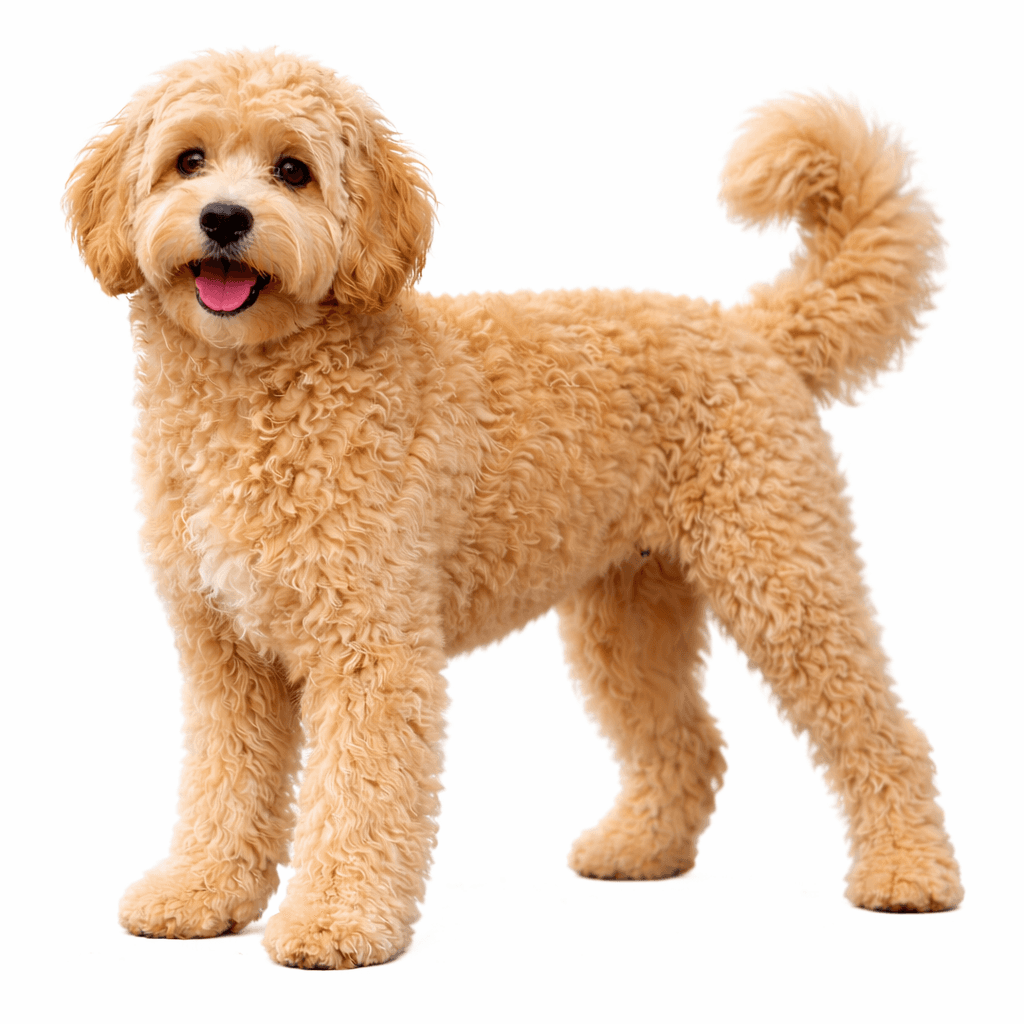
What is a Goldendoodle? The Goldendoodle is one of the most popular designer dog breeds in the world. This playful and intelligent crossbreed is a mix between a Golden Retriever and a Poodle. Known for their adorable, teddy bear–like appearance and friendly nature, Goldendoodles make wonderful companions for families and individuals alike. Thanks to its Poodle heritage, the Goldendoodle dog breed often has a low-shedding, wavy, or curly coat, making it a great choice for people with mild allergies. Goldendoodles are also easy to train, love being around people, and thrive on attention and activity.
The Goldendoodle’s story began in the 1960s, when breeders in Australia and Canada set out to create a guide dog suitable for people with allergies. By crossing the friendly, trainable Golden Retriever with the low-shedding hypoallergenic Poodle, they hoped to combine the best traits of both breeds.
The breed gained widespread popularity in the 1990s, especially in the United States, as families sought intelligent, affectionate, and low-shedding companions. Their rise paralleled that of other popular designer breeds like the Labradoodle and Bernedoodle.
Although Goldendoodles are not recognized as a distinct breed by the American Kennel Club (AKC), they are acknowledged by organizations such as the Designer Dogs Kennel Club (DDKC) and others.
Today, the Goldendoodle remains one of the most beloved hybrid dogs, cherished for its friendly personality, intelligence, and allergy-friendly coat.
Disclaimer: The term "hypoallergenic" refers to dog breeds that are less likely to trigger allergic reactions, not breeds that are completely allergy-free. These dogs may shed less, have hair instead of fur, or produce lower levels of dander—all factors that can reduce, but not eliminate, allergic responses in sensitive individuals.
Goldendoodles come in three main sizes—mini, medium, and standard—making them suitable for different lifestyles and living spaces.
Mini Goldendoodle
Weighs 15–30 lb (6.8–13.6 kg)
Stands 13–16 in (33–40 cm) tall
Medium Goldendoodle
Weighs 31–39 lb (14–17.6 kg)
Stands 17–20 in (43–50 cm) tall
Standard Goldendoodle
Weighs 40–90 lb (18–40.8 kg)
Stands 21–24 in (53–61 cm) tall
A Goldendoodle’s adult size depends on factors such as parent size, generation (F1, F1B, F2), and the breeder’s bloodlines.
F1 Goldendoodle: A 50/50 mix of Golden Retriever and Poodle; usually has a wavy or straight coat and sheds less than a purebred Golden Retriever, but is not fully hypoallergenic.
F1B Goldendoodle: A cross between a Goldendoodle and a Poodle; bred for a curlier, lower-shedding coat and is more allergy-friendly, making it popular with people who have sensitivities.
F2 Goldendoodle: Bred from two Goldendoodles (second generation); shows greater variation in coat type and shedding, with less predictable traits than earlier generations.
A Goldendoodle’s coat can be straight, wavy, or curly, often referred to as hair rather than fur, and shedding levels can vary accordingly. Many Goldendoodles inherit the Poodle’s low-shedding coat, which is why they’re often considered allergy-friendly.
Goldendoodles come in a wide range of beautiful colors, including cream, apricot, red, black, chocolate, and golden shades. Some have unique parti (two-tone) or abstract (patchy) coat patterns, adding to their distinctive charm.
Goldendoodles may be affectionate and adaptable, but they’re far from low-maintenance. This breed thrives on both physical activity and mental engagement.
They need about 1–2 hours of exercise each day, which can include walks, games of fetch, swimming, or playtime at the dog park. Because Goldendoodles are highly social, they do best in homes where someone is around for most of the day. When left alone too long, they can develop separation anxiety or resort to destructive behavior out of boredom. Pairing them with another pet doesn’t always solve this issue, as they primarily crave human companionship.
Mental stimulation is just as important as physical exercise. Training sessions, puzzle toys, or agility games help keep their intelligent minds busy and prevent unwanted mischief.
Grooming is another key part of Goldendoodle care. Their wavy or curly coats require regular brushing (at least several times a week) to prevent matting, along with professional grooming every 6–8 weeks to keep the coat healthy and comfortable.
The average lifespan of Goldendoodles is around 10–15 years, with the Mini Goldendoodle lifespan often being longer than larger varieties. With proper care, nutrition, and regular vet checkups, many can live even beyond this range.
Like all breeds, Goldendoodles are prone to certain hereditary and health conditions that owners should be aware of:
Hip Dysplasia
A common orthopedic issue where the hip joint doesn’t fit properly into the socket, causing pain, limping, or stiffness. Responsible breeders can reduce this risk by testing their breeding dogs through Orthopedic Foundation for Animals (OFA) or PennHIP screening. Maintaining a healthy weight and regular low-impact exercise also helps support joint health.
Heart Disease (SAS)
Subvalvular Aortic Stenosis (SAS) is a genetic heart defect that causes narrowing of the heart’s aortic valve, making it harder for blood to flow properly. Reputable breeders can screen for this condition, and veterinary cardiology exams can help catch it early.
Eye Disorders
Conditions like glaucoma, cataracts, and progressive retinal atrophy (PRA) are relatively common in Goldendoodles. Regular eye exams by a veterinary ophthalmologist can help detect and manage these problems before they affect vision.
Bloat (Gastric Dilatation-Volvulus or GDV)
This life-threatening condition occurs when the stomach fills with gas and twists, cutting off blood supply to vital organs. It’s most common in Standard Goldendoodles with deep chests. Warning signs include dry heaving, a tight or swollen abdomen, restlessness, drooling, rapid breathing, pale gums, or sudden weakness. Immediate emergency care is critical. Feeding smaller, more frequent meals and avoiding vigorous exercise right after eating may help lower the risk.
Cancer Risk
Some Golden Retriever bloodlines are genetically predisposed to certain types of cancer. If you’re getting a puppy, it’s important to ask your breeder about the health history of both parents. Regular vet checkups and early detection can make a significant difference in outcomes.
With responsible breeding practices, regular vet visits, and a healthy lifestyle, most Goldendoodles live long, happy, and active lives.
Because Goldendoodles—especially the larger ones—can be prone to bloat (gastric dilatation-volvulus), it’s important to avoid vigorous exercise for about 1–2 hours before and after meals. Feeding smaller portions and using slow-feeder bowls, snuffle mats, or puzzle feeders can also help prevent gulping and make mealtimes more mentally stimulating.
If you have a Mini Goldendoodle, monitor them closely for signs of hypoglycemia (low blood sugar), especially as puppies. Regular, evenly spaced meals can help prevent sudden drops in blood sugar. Goldendoodle puppies grow quickly and need nutrient-dense, high-calorie meals to support healthy development. Feed them 3–4 small meals per day using a high-quality puppy food that meets Association of American Feed Control Officials (AAFCO) standards. Look for options formulated for medium to large breeds—or small breeds for Mini Goldendoodles—to ensure the right nutrient balance.
Once your Goldendoodle reaches adulthood, reduce feedings to two meals per day. A full-grown Goldendoodle benefits from diets rich in lean protein, healthy fats, and digestible carbohydrates.
As Goldendoodles age, their metabolism slows down. Senior formulas are lower in calories but often higher in joint-supporting nutrients like glucosamine and omega-3 fatty acids. Smaller, more frequent meals can also be easier for older dogs to digest.
Because Goldendoodles can be prone to heart and joint issues, maintaining a healthy weight is essential for their long-term well-being. The right portion size depends on your dog’s age, size, activity level, and metabolism, so it’s important to adjust their diet accordingly.
As a general guideline:
A full-grown Standard Goldendoodle typically needs 1,200–1,800 kcal per day, depending on activity and age.
A Mini Goldendoodle usually requires 400–700 kcal per day.
Below is an approximate feeding chart for adult Goldendoodles eating a standard dry kibble diet (always check the label on your specific food, as calorie density varies by brand):
Weight range: 15–20 lb (6.8–9 kg)
Food per meal: 0.5–0.75 cup
Weight range: 21–30 lb (9.5–13.6 kg)
Food per meal: 0.75–1.25 cups
Weight range: 31–50 lb (14–22.6 kg)
Food per meal: 1.25–1.5 cups
Weight range: 51–75 lb (23–34 kg)
Food per meal: 1.5–1.75 cups
Your veterinarian can help determine the most accurate feeding plan for your dog. Bring your food’s packaging to appointments so your vet can calculate caloric needs, portion sizes, and any supplements that might benefit your pet.
Check with your veterinarian before adding supplements. Omega-3s may support skin and coat health, and glucosamine may help joints if recommended.
Make sure your dog always has access to fresh water. You can also offer safe, water-rich fruits and vegetables in moderation.
Measure meals carefully. Goldendoodles tend to overeat, so use slow feeders or food puzzles if needed.
Feed proper portions and split meals into two servings per day to help maintain a healthy weight and support digestion.
Goldendoodles combine the friendliness of a Golden Retriever with the intelligence of a Poodle. They are gentle, eager to please, and highly social, making them affectionate companions for children, seniors, and other pets. However, their social nature means a Goldendoodle dog can develop separation anxiety if left alone for long periods. Early socialization with people and other animals helps prevent overexcitement, jumping, and unwanted behaviors.
Why are Goldendoodles bad? Goldendoodles are not “bad” dogs, but without proper stimulation and guidance, they can develop behaviors like chewing, nipping, or boredom-related mischief. Learning to read their body language, using crate training to manage anxiety, and applying positive reinforcement are effective strategies to encourage good behavior.
While they may not excel as watchdogs or working dogs, Goldendoodles shine as emotional companions when properly trained. Consistency, structure, and engagement are key to preventing any Goldendoodle behavior problems.
Goldendoodles are active and love a variety of activities:
Fetch, frisbee, and agility training
Hiking, running, and swimming (thanks to their retriever instincts)
Dock diving, rally sports, and obedience classes
Puzzle toys and scent work for mental stimulation
Are Goldendoodles good dogs for sport? Absolutely! They are versatile dogs who can excel in sport and training, yet they equally love cuddles and family time. Offering a mix of physical, mental, and social activities keeps them happy and well-balanced, but they’ll always enjoy coming home to you.
Goldendoodles are high-maintenance when it comes to grooming, and regular care is essential to keep them healthy and comfortable.
Bathe your Goldendoodle only when they are dirty or after swimming, using dog-safe, pH-balanced shampoos. Regularly check their skin folds and paws for signs of irritation, redness, or allergic reactions, as early detection can prevent more serious issues.
Goldendoodles require brushing three to four times per week to prevent matting. Professional grooming every four to eight weeks is recommended, with popular trims including the puppy cut, teddy bear cut, and summer trim. Coat type affects both appearance and maintenance: straight coats tend to shed more but are less prone to matting, wavy coats have a medium texture with loose waves, and curly coats feature tight, non-shedding curls. Shorter cuts can reduce maintenance but still require consistent brushing to keep the coat healthy.
Keep the bangs trimmed to prevent vision obstruction and watch for signs of eye problems such as cloudiness, redness, or other indicators of glaucoma or cataracts.
Clean and dry your Goldendoodle’s ears regularly, especially after baths or swimming, using veterinarian-approved ear cleaners like Virbac or Epi-Otic to prevent infections.
Trim nails every three to four weeks, as overly long nails can alter their gait and cause discomfort. Introducing nail trimming early helps puppies become accustomed to the process, making it less stressful as they grow. Early desensitization to grooming in general can make brushing, bathing, and trimming faster and more comfortable for both dog and owner.
Living Space: Best suited for a house with a yard, though Mini Goldendoodles can adapt to apartment living with sufficient exercise
Activity Needs: 60–90 minutes of daily exercise, including walks, playtime, and mental stimulation
Grooming: Brushing several times per week + professional grooming every 6–8 weeks
Temperament: Friendly, intelligent, social, and eager to please
Best For: Active families, individuals who enjoy outdoor activities, and owners committed to training and regular grooming
Goldendoodles thrive in active, affectionate, and patient households. They are people-oriented dogs first and companions second, and they tend to mirror their owner’s mood and energy. Because of the Goldendoodle size and adaptability, they can fit a variety of living situations.
The cost of a Goldendoodle puppy generally ranges from $1,500 to $3,500, but you should also budget for vet care, high-quality food, grooming, and training.
If you’re considering a Goldendoodle, it can also be helpful to compare them with their more reserved, work-oriented cousin, the Labradoodle. Labradoodles are often more cautious with strangers but highly loyal to their families, and they tend to have a slightly longer lifespan of 12–15 years in comparison to the Goldendoodle life expectancy.
How big does a Goldendoodle get?
Goldendoodles range from the Mini, weighing 15–30 lb (6.8–13.6 kg) and standing 13–16 in (33–40 cm), to the Standard, which weighs 40–90 lb (18–40.8 kg) and stands 21–24 in (53–61 cm).
Is a Goldendoodle hypoallergenic?
No dog is completely hypoallergenic, but Goldendoodles are low-shedding, which can make them easier for people with mild allergies.
How long do Goldendoodles live?
The Goldendoodle lifespan is 10-15 years, and with proper care, some can live even longer.
How much do Goldendoodles cost?
A Goldendoodle puppy usually costs $1,500–$3,500, not including food, veterinary care, grooming, or training expenses.
What is the difference between Goldendoodles vs. Labradoodles?
Goldendoodles: A social, affectionate mix of Golden Retriever and Poodle.
Labradoodles: A slightly more reserved but loyal mix of Labrador and Poodle.
Are Goldendoodles high maintenance?
Yes, they require regular grooming, social interaction, and mental stimulation. Prospective owners should be prepared for this level of care.
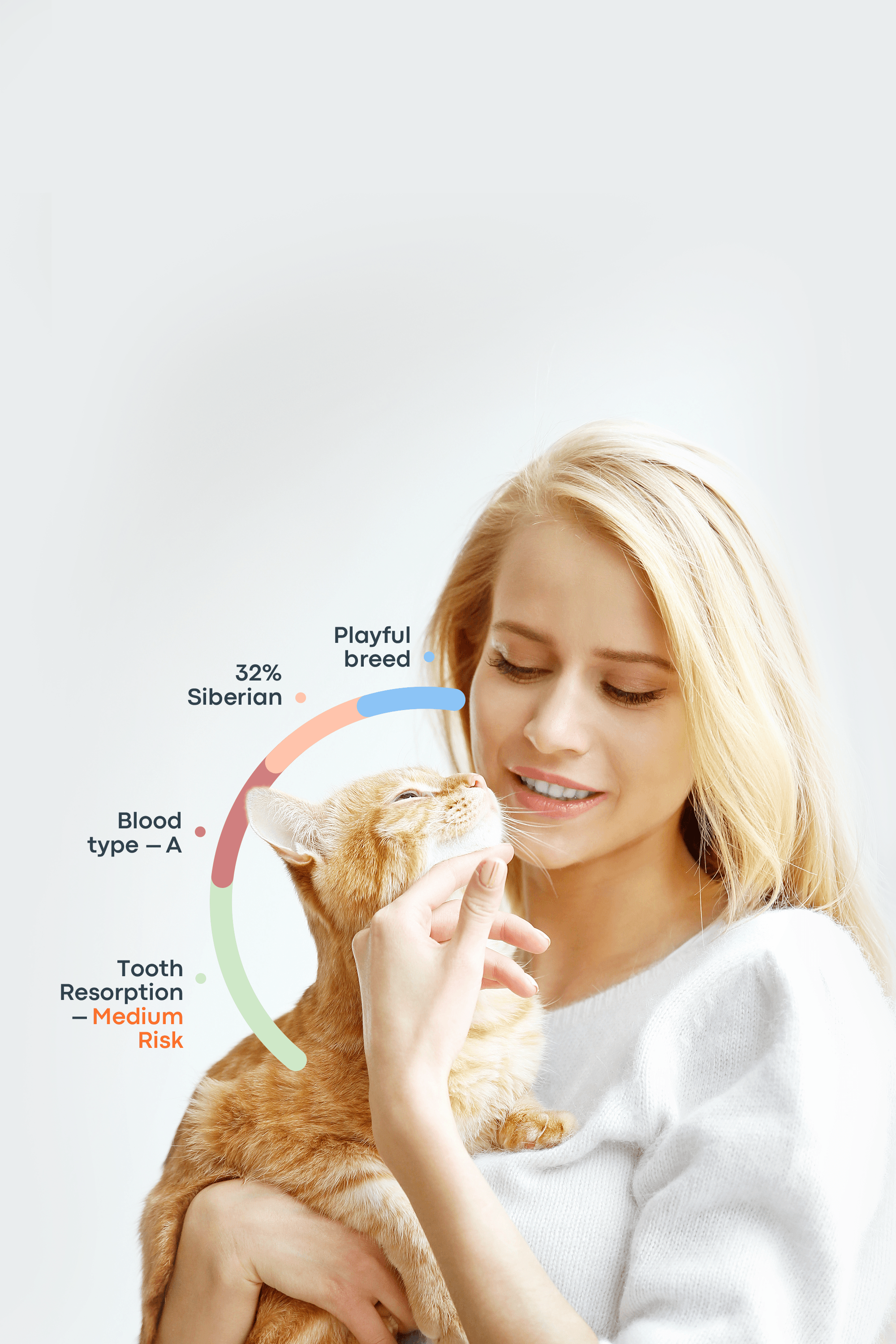
Recommended by top vets with decades of experience
21 breeds
64 genetic health markers
50 genetic trait markers

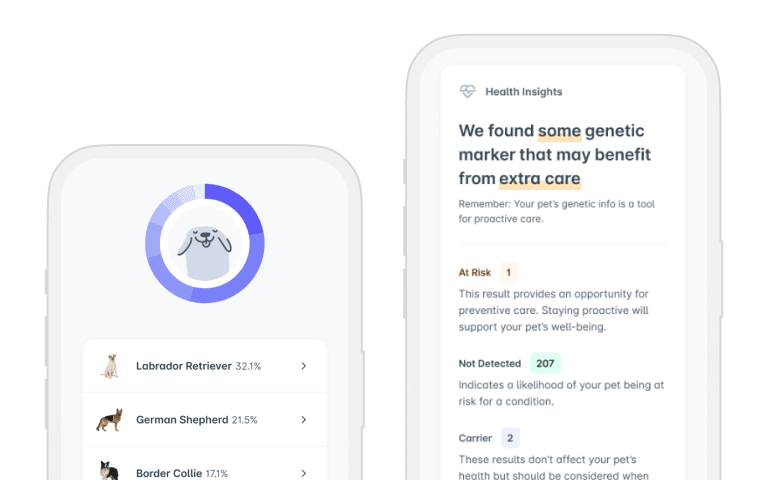
Enter your email to receive a sample dog report and preview the breed and health insights inside.