Is this breed part of your dog’s ancestry?
Discover your dog's connection to this breed and 200+ others



Discover your dog's connection to this breed and 200+ others
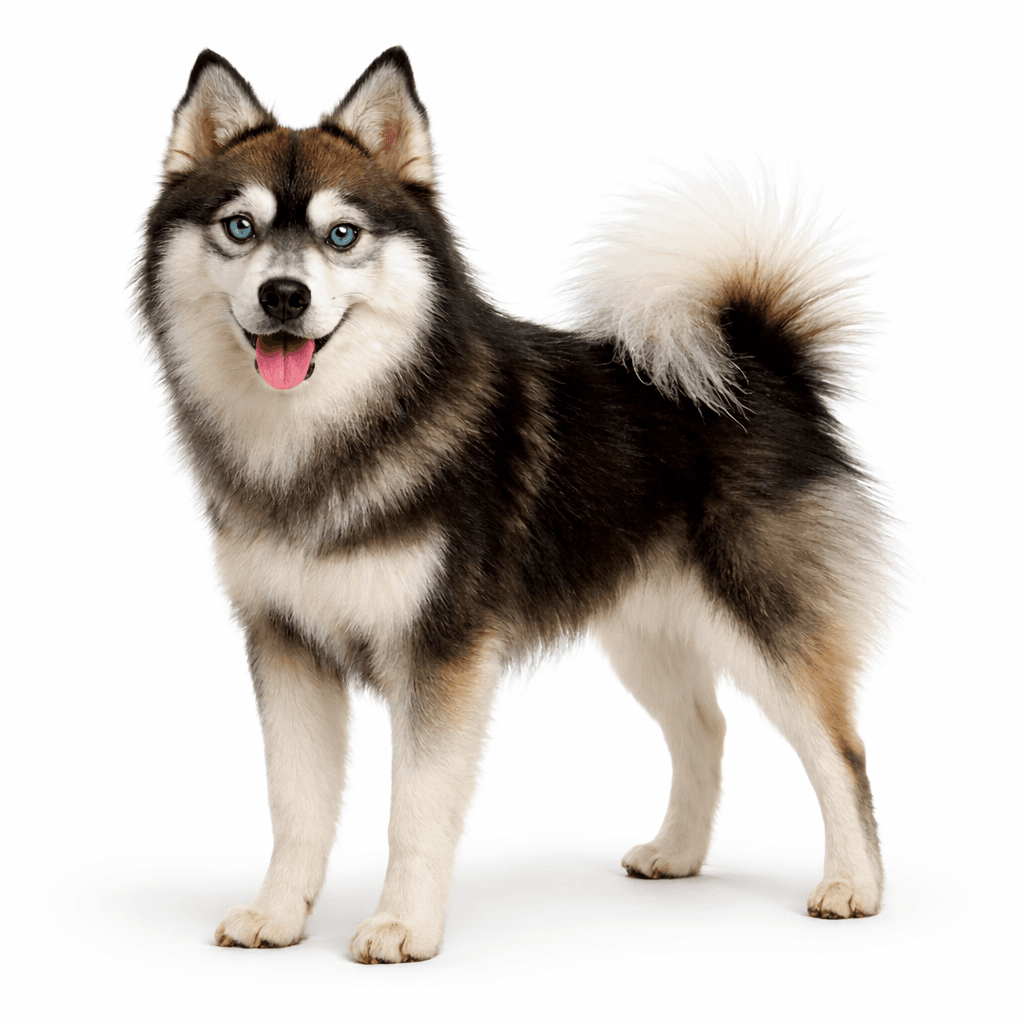
Pomsky – fluffy, fun, energetic and a great companion. This designer breed is a cross between the lively Pomeranian and the adventurous Siberian Husky. The result is a compact, intelligent, and spirited dog with a striking, wolf-like appearance and a bold personality. Despite their small to medium size, Pomskies are high-energy and thrive in active households. The Pomsky dog breed is typically playful, affectionate, and social, but they can also inherit a stubborn streak from either parent breed. Early training, consistent boundaries, and daily exercise are essential to help them grow into well-balanced companions.
The first intentional Pomsky litter was bred in 2012 using artificial insemination. Because of the significant size difference between the parent breeds, breeders used Siberian Husky females (dams) and Pomeranian males (sires). This approach helps reduce health risks that could occur if a much smaller female carried larger puppies.
The Pomsky breed quickly gained attention online thanks to their striking, wolf-like appearance in a smaller body. As demand increased, some irresponsible backyard breeders entered the market, prioritizing profit over health and proper breeding practices. In response, organizations such as the American Pomsky Kennel Club (APKC) were established to promote ethical breeding, improve health standards, and work toward developing consistent breed guidelines.
The Pomeranian Husky mix is not recognized by the American Kennel Club (AKC) because they are a hybrid cross between two purebred dogs rather than an established pure breed.
How big do Pomskies get? Pomskies usually fall into three general size categories, depending on the size of their Pomeranian parent and their generation.
Toy Pomsky
Weighs 10–15 lb (4.5–6.8 kg)
Stands 10–12 in (25.4–30.5 cm) tall
Standard Pomsky
Weighs 16–25 lb (7.2–11.3 kg)
Stands 12–14 in (30.5–35.5 cm) tall
Large Pomsky
Weighs 26–35 lb (11.7–15.8 kg)
Stands 14–15 in (35.5–38 cm) tall
If a breeder advertises “toy” or “teacup” Pomskies, it’s wise to be cautious. These labels are not officially recognized and are often used as marketing terms. Extremely small puppies may result from irresponsible breeding practices, including pairing undersized dogs without proper health screening. This can increase the risk of genetic issues, fragile bone structure, dental problems, and a shorter teacup Pomsky lifespan compared to a responsibly bred Pomsky.
Pomskies have a thick double coat, inherited from both the Siberian Husky and the Pomeranian. Common coat colors include black and white, gray and white, red and white, copper tones, agouti (a wolf-like banded pattern), solid colors, and masked facial markings.
The Pomsky size and appearance can vary widely depending on their parents’ proportions and genetics. Their traits may also differ depending on their generation:
F1 Pomsky: First-generation cross (Pomeranian + Husky)
F1B Pomsky: Backcrossed to one parent breed (often Pomeranian for smaller size)
F2 Pomsky: Pomsky bred to Pomsky for more consistent traits
Because this is still a relatively new designer mix, there can be significant variation in size, coat type, and temperament. Anyone considering a Pomsky dog should look for a reputable breeder who performs genetic health testing on both parent dogs and prioritizes overall well-being over extreme size or appearance.
Pomskies are energetic, intelligent, and very people-oriented. They form strong bonds with their family and need daily interaction, exercise, and mental stimulation. Because they can be vocal and high-energy, they are not ideal for quiet apartments or for owners who are away all day.
They learn quickly and enjoy training, but they can also be stubborn and dramatic. Consistent, reward-based training works best. Early socialization, clear boundaries, and activities like puzzle toys, trick training, or scent games help prevent boredom and excessive barking.
Pomskies have a thick double coat and shed heavily, especially during seasonal changes. They need brushing several times a week (daily during heavy shedding), along with regular ear checks, nail trims, dental care, and occasional professional grooming. With proper structure and care, they can be loyal, playful, and devoted companions.
The average Pomsky lifespan is around 12–15 years, and many can live even longer with proper nutrition, regular exercise, and routine veterinary care. Like all mixed breeds, they may inherit health conditions from either parent breed.
Some conditions to be aware of include:
Patellar Luxation
This condition happens when the kneecap slips out of place. It is more commonly linked to the Pomeranian side of the family. Responsible breeders should screen parent dogs for joint issues. Certifications from organizations like OFA or PennHIP help evaluate hip and joint health.
Hip and Elbow Dysplasia
These conditions involve abnormal joint development, which can lead to pain, stiffness, and arthritis over time. Keeping your Pomsky at a healthy weight, providing appropriate exercise (not excessive jumping during puppyhood), and discussing joint support with a veterinarian can help protect their mobility.
Progressive Retinal Atrophy (PRA) and Cataracts
These eye conditions can gradually affect vision and may lead to blindness. Watch for signs such as cloudy eyes, redness, difficulty seeing in low light, or bumping into furniture.
Allergies
Pomskies may develop skin or food allergies. Common signs include itching, redness, frequent ear infections, paw licking, or digestive upset. Regular ear checks are important, since allergies often contribute to recurring ear problems.
Heart Disease and Bloat (Gastric Dilatation-Volvulus)
Although less common, these are serious conditions. Bloat occurs when the stomach fills with gas and twists, cutting off blood flow. It is a medical emergency. Signs include a swollen or tight abdomen, restlessness, excessive drooling, and attempts to vomit without producing anything. Immediate veterinary care is critical.
Reputable breeders should perform genetic testing and health screenings on parent dogs and provide documentation. Organizations such as the American Pomsky Kennel Club (APKC) encourage health testing and transparency to support healthier puppies.
Regular veterinary checkups and early detection play a key role in helping a Pomsky live a long, healthy life.
Pomskies do best on a high-quality, balanced diet appropriate for their age, size, and activity level.
A Pomsky puppy usually needs 3–4 small meals per day to support steady energy and healthy growth. Choose a puppy formula with complete nutrition for developing bones and brain health.
A full grown Pomsky typically eats two meals per day. Portion size should match their weight and activity level to prevent obesity, which can strain their joints.
Always transition to a new food gradually over 7–10 days to avoid digestive upset. Choose food that meets AAFCO standards, provide fresh water at all times, and keep treats to no more than 10% of daily calories.
The amount a Pomsky should eat depends on their weight, activity level, metabolism, and the calorie density of their food. The guidelines below are general estimates for a healthy adult Pomsky eating two meals per day. Always adjust portions based on body condition and your veterinarian’s advice.
Weight range: 10–20 lb (4.5–9 kg)
Food per meal: 0.25–0.65 cup
Weight range: 21–35 lb (9.5–15.9 kg)
Food per meal: 0.65–1 cup
Keep in mind that calorie needs vary. Highly active Pomskies may need slightly more food, while less active or indoor dogs may require smaller portions to prevent weight gain. Maintaining a healthy weight is especially important for protecting their joints and long-term mobility. Regular weigh-ins and body condition checks help ensure you are feeding the right amount.
Pomskies need a balanced mix of protein, healthy fats, and complex carbohydrates to support steady energy levels and keep them feeling full
Vitamins and omega-3 fatty acids are important for maintaining healthy skin and a shiny coat
Avoid overfeeding treats, as excess weight can put strain on their joints and increase the risk of health problems
Pomskies are often very food-motivated, which helps with training but can make weight management more challenging
Older Pomskies may benefit from joint-support nutrients and, depending on their activity level, a lower-fat diet
Pomskies are affectionate, confident, and very clever. Despite their wolf-like appearance, they are playful and often a bit clownish. They form strong bonds with their family and are highly people-oriented, which means they may develop separation anxiety if left alone too often.
They are also naturally vocal. Many “talk” or howl like a Husky and may alert bark like a Pomeranian. Early training is important to prevent excessive noise and encourage calm behavior.
Are Pomskies aggressive? Generally, no. They are not naturally aggressive, but frequent barking can make them seem intimidating. With proper socialization and consistent training, they are friendly, lively companions who thrive on interaction.
Pomskies often have a strong prey drive, so they may not be the best fit for homes with small pets unless they are carefully socialized from an early age. When bored, they can develop habits like excessive barking, nipping, or chewing.
Training should focus on consistency and positive reinforcement methods, such as reward-based or clicker training. Maintaining a calm, structured environment helps them stay attentive and look to their owner for guidance.
Pomskies need both physical exercise and mental stimulation to stay happy and well-behaved. Physically, they often enjoy activities like agility courses, obstacle games, hiking, running, swimming, and even dock diving if they are comfortable around water. Daily walks alone are usually not enough for this energetic mix.
Mentally, they thrive on nose work, scent games, obedience training, trick practice, and interactive puzzle toys. Keeping their mind engaged helps prevent boredom-related behaviors like barking or chewing.
Pomskies can develop sensitive skin or allergy-related irritation. Keeping their coat clean and well-maintained helps reduce flare-ups. If needed, vet-approved moisturizing sprays or wipes can soothe dry skin. If you notice persistent itching, redness, or hot spots, consult a veterinarian.
Never shave a Pomsky’s coat. Their double coat helps regulate body temperature and protects their skin from sun damage. Shaving can damage the coat and affect how it grows back.
Pomskies may have a standard, plush, or woolly coat texture. Brushing needs depend on coat type:
Standard coat: about once a week
Plush coat: 2–3 times per week
Woolly coat: daily brushing
They shed moderately year-round and heavily twice a year during seasonal shedding (“blowing their coat”). An undercoat rake and slicker brush are helpful tools. Professional de-shedding treatments in spring and fall can make shedding more manageable.
Pomskies are not hypoallergenic. In fact, they can shed heavily, which may trigger allergies in sensitive individuals.
Check their eyes regularly for redness, cloudiness, or excessive tearing. Tear stains can be gently cleaned with vet-approved wipes. Some Pomskies have heterochromia (two different eye colors), which is harmless and purely cosmetic.
Inspect their ears monthly for redness, odor, or debris. Clean the outer ear gently with a veterinarian-approved solution—never insert cotton swabs into the ear canal. Although their erect ears allow good airflow, wax buildup can still occur.
Trim or grind their nails every 4–6 weeks, or sooner if you hear them clicking on hard floors. Introduce nail care early to help them feel comfortable with the process. For smaller Pomskies, a nail grinder can offer better control and safety.
Living Space: Best suited for homes with space to move; can adapt to apartments only with substantial daily exercise and noise management
Activity Needs: 60+ minutes of exercise daily, plus mental stimulation such as training, scent games, or puzzle toys
Grooming: Brushing several times per week (daily during heavy shedding seasons) + regular nail trims and routine coat maintenance
Temperament: Energetic, intelligent, vocal, and highly people-oriented
Best For: Active individuals or families who can provide structure, training, and consistent interaction
Pomskies thrive on attention, structure, and consistent training. They are a high-maintenance breed, but many owners find them incredibly rewarding. The most common challenges are excessive barking and heavy shedding. Because of their energy level and need for guidance, they may not be the best choice for first-time owners or households with babies or toddlers.
Pomskies can also be expensive. Puppies often cost between $2,500 and $5,000, not including ongoing expenses such as quality food, grooming, enrichment toys, training, and veterinary care. It’s important to work with reputable, health-testing breeders or consider ethical adoption so you understand the dog’s background and needs.
This breed generally does well in colder climates thanks to their thick double coat. In warmer weather, they need shade, fresh water, and limited activity during peak heat to prevent overheating.
Adoption is always worth exploring. Shelters and breed-specific rescues sometimes have Pomskies available. Their intelligence, energy, and strong personalities can overwhelm unprepared owners, which unfortunately leads to some being surrendered. Adoption can be a responsible and fulfilling option—but only if you are ready to meet their daily exercise, mental stimulation, training, and companionship needs.
How big does a Pomskie get?
A Pomsky typically weighs 10–35 pounds (4.5–15.8 kg) and stands 10–15 inches (25.4–38.1 cm) tall, depending on their genetics and generation.
Is a Pomskie hypoallergenic?
No. Pomskies have a thick double coat and shed year-round, with heavier seasonal shedding twice a year. They are not suitable for most people with dog allergies.
How long do Pomskies live?
Their average lifespan is 12–15 years, and some may live longer with proper care.
How much do Pomskies cost?
Puppies often cost between $2,500 and $5,000, not including ongoing expenses such as food, grooming, training, enrichment, and veterinary care.
What is the difference between a Pomskie vs. Miniature Husky?
A Pomsky is a cross between a Pomeranian and a Siberian Husky. A “mini Husky” may refer to a smaller purebred Siberian Husky or a separate breed like the Alaskan Klee Kai, which is not a mix.
Are Pomskies high maintenance?
Yes. They require regular grooming, consistent training, daily exercise, and mental stimulation. With the right owner, they can be very rewarding.
Does Pomskie shed?
Yes. They shed moderately year-round and heavily during seasonal coat changes.
Are Pomskies easy to train?
They are intelligent and capable learners, but they can also be stubborn. Consistent, reward-based training works best.
Are Pomskies good with children?
They can do well with older children who understand boundaries. However, their high energy and excitement may be too much for toddlers.
Are Pomskies smart?
Very. Their intelligence makes them quick learners—but without proper structure, they may use that cleverness for mischief.
https://ofa.org/diseases/hip-dysplasia/hip-screening-procedures/
https://americanpomskykennelclub.org/choosing-breeding-prospects-and-the-perfect-stud
https://www.aafco.org/consumers/understanding-pet-food/ingredient-standards/
https://vcahospitals.com/know-your-pet/bloat-gastric-dilatation-and-volvulus-in-dogs
Recommended by top vets with decades of experience
21 breeds
64 genetic health markers
50 genetic trait markers
