Is this breed part of your dog’s ancestry?
Discover your dog's connection to this breed and 200+ others



Discover your dog's connection to this breed and 200+ others
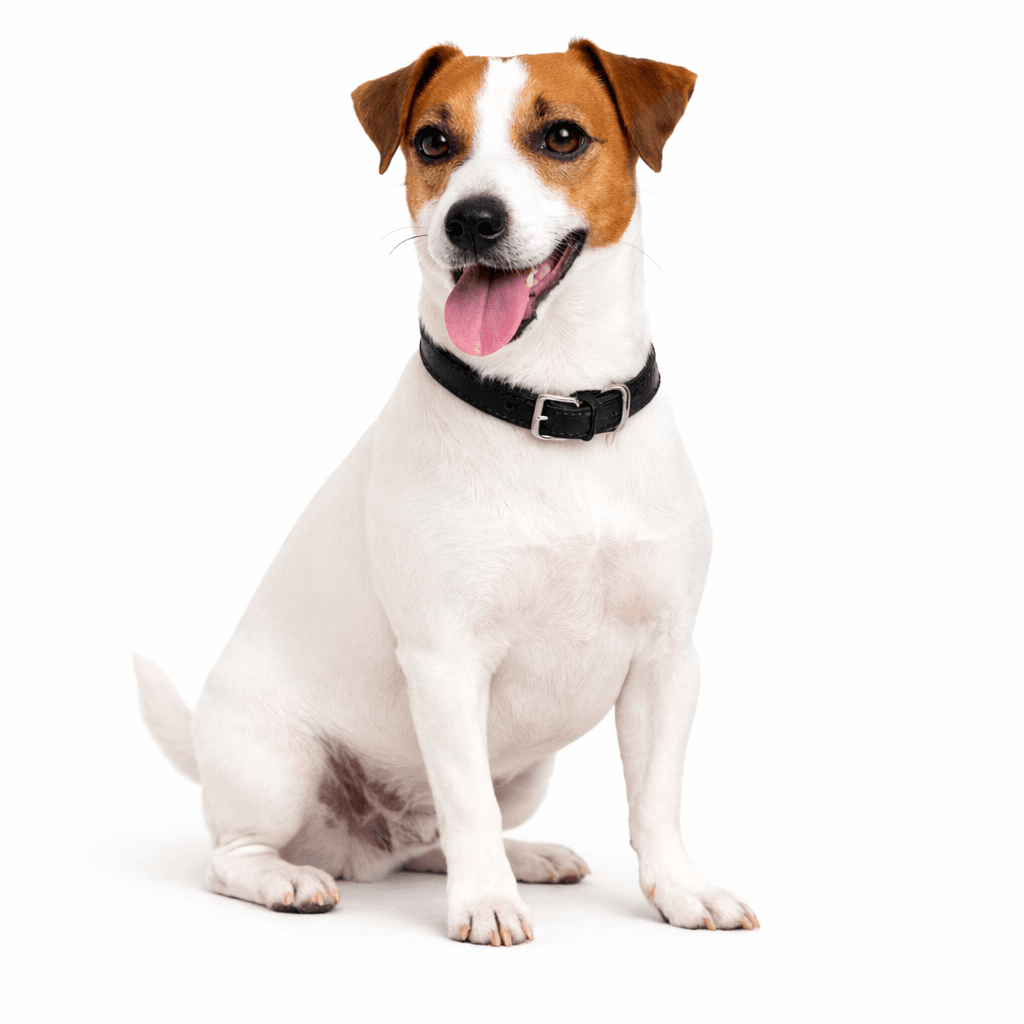
The Russell Terrier is a small, energetic purebred dog that was originally developed for fox hunting. Despite their compact size, they are bold, confident, and highly intelligent, with a strong drive to explore and work. These dogs thrive in active households where they can stay busy, both physically and mentally. The Russell Terrier shares its origins with the Parson Russell Terrier, and both breeds are named after Reverend John Russell, who played a key role in their development. While they have similar backgrounds, the Russell Terrier is typically shorter and more compact, bred to work underground in tight spaces, whereas the Parson Russell Terrier is taller and more suited for above-ground hunting.
What is a Russell Terrier? Russell Terriers are small, energetic dogs developed in 19th-century England from Terrier breeds, particularly the Fox Terrier types, by Reverend John Russell. They were bred to be compact, agile, and determined, with the ability to pursue foxes into burrows without harming them—making them highly skilled working dogs.
Over time, breeders—especially in Australia—refined Russell Terriers into a shorter, more rectangular shape, ideal for navigating tight underground spaces. Today, the Russell Terrier breeds are closely related to the Parson Russell Terrier, which is taller and more square in build. The American Kennel Club (AKC) officially recognized the Russell Terrier as a distinct breed in 2012, following the Parson Russell Terrier’s recognition in 2001.
The Russell dog is a compact, well-muscled little dog with a distinctly rectangular body shape, meaning they are slightly longer than they are tall. This structure supports their original purpose as a working terrier, allowing them to move efficiently through tight spaces.
Russell Terrier Size
Weighs 12–18 lb (5.4–8.2 kg)
Stands 10–14 in (25–35.6 cm) tall
A Russell Terrier dog can have one of three coat types: smooth, broken, or rough. The smooth coat lies flat and close to the body with a dense, sleek texture. The broken coat is a mix of smooth and rough fur, often with light facial furnishings such as eyebrows or a small beard. The rough coat is longer and more wiry throughout, giving a shaggier overall appearance and typically requiring more grooming.
Russell Terriers are predominantly white, usually with tan, black, or brown markings. Tri-colour patterns (black, tan, and white) are also common and add to their distinctive look.
A Russell Terrier’s adult size and overall build are mainly determined by genetics and the lineage of the breeding pair. Dogs from working lines may be slightly more athletic and functional in build, while those bred for show may appear more uniform and refined.
As a dog breed, Russell Terriers are energetic and driven, requiring consistent physical exercise and mental stimulation to stay balanced and happy. They thrive in active households where they have regular opportunities to run, explore, and engage in structured activities like games or training.
Because of their strong prey drive, they should be kept on a leash in open areas or allowed to roam only in securely fenced spaces. They can get along well with respectful children, but their speed and intensity may be overwhelming for very young kids. Caution is also recommended in homes with cats or small pets, as their natural hunting instincts can be triggered.
Early socialization—ideally before 16 weeks of age—is essential to help them develop into well-adjusted adults. Positive reinforcement training works best, as they are intelligent but can become bored with repetitive tasks. Keeping training sessions varied, short, and engaging will lead to better results.
Grooming needs depend on coat type, but most Russell Terriers benefit from weekly brushing to remove loose hair and keep the coat healthy. Regular dental care is important to help prevent periodontal disease, along with routine nail trimming and ear checks to maintain overall hygiene and health.
The Russell Terrier life span is typically 12–14 years. Like many purebred dogs, they may have a higher risk of certain inherited health conditions. This information is not a substitute for professional advice—always consult a veterinarian for diagnosis, treatment, and screening recommendations.
A common condition in small breeds where the kneecap slips out of place, causing intermittent limping or an unusual gait. Severity can range from mild to cases that require surgery. Veterinarians can perform patella evaluations to assess this risk.
Deafness present from birth has been documented in the breed, particularly in dogs with a high amount of white pigmentation. Brainstem Auditory Evoked Response (BAER) testing is recommended, especially for breeding dogs.
Primary Lens Luxation (PLL)
A painful and potentially blinding eye condition in which the lens becomes displaced. It has a known genetic basis in many terrier breeds. DNA testing is available, and it’s advisable to ask breeders or vets about screening.
Periodontal disease
Small breeds are more prone to dental disease due to crowded teeth. Without proper care, this can lead to pain, tooth loss, and infection. Regular brushing, dental chews, and professional cleanings help reduce the risk.
Hyperuricosuria (HUU)
A genetic condition that affects how uric acid is processed, increasing the risk of bladder and kidney stones. A DNA test can identify carriers and affected dogs.
Congenital Myasthenic Syndrome (CMS)
A rare inherited neuromuscular disorder that causes muscle weakness and fatigue, especially after exercise. Symptoms often appear early in life.
Spinocerebellar Ataxia (LOA/SAMS)
A progressive neurological condition that affects coordination and balance. Late Onset Ataxia (LOA) and Spinocerebellar Ataxia with Myokymia and Seizures (SAMS) are both linked to this breed. Genetic testing is available for early detection.
Responsible breeders will screen their dogs for these conditions before breeding, helping to reduce the risk of passing them on to puppies.
Russell Terriers should be fed a complete and balanced diet that matches their life stage: puppy, adult, or senior. A Russell Terrier puppy needs higher levels of protein and fat to support healthy growth and development, while adult dogs do best on a balanced maintenance formula that supports energy and overall health. Senior dogs may benefit from diets with adjusted calorie levels, along with added support for joints, digestion, and dental health.
Small-breed formulas are often a good choice, as they typically include smaller kibble sizes that are easier for a Russell Terrier’s compact jaw to handle. These formulas are also designed to meet the higher metabolic needs common in small, active dogs.
When choosing a food, look for products that meet the standards set by the Association of American Feed Control Officials (AAFCO). This ensures the food is nutritionally complete and balanced for the specific life stage listed on the label.
Feeding amounts will vary based on the individual dog’s weight, activity level, metabolism, and the caloric density of the food. The guidelines below are a general reference—always consult your vet for precise recommendations:
Weight range: 9–12 lb (4–5.5 kg)
Food per meal: 0.25–0.5 cup
Weight range: 12–15 lb (5.5–7 kg)
Food per meal: 0.5–0.75 cup
Always monitor your dog’s body condition score rather than relying on weight alone, as this gives a more accurate picture of their overall health. Treats should make up no more than 10% of daily caloric intake to help prevent unintentional weight gain.
Monitor weight closely, as small dogs can gain weight quickly if portions are not adjusted.
Divide a puppy’s meals into 3–4 small servings per day to support steady energy levels and healthy digestion.
Ensure fresh, clean water is always available.
Consult your veterinarian before adding any supplements to your dog’s diet to avoid unnecessary or unsafe additions.
The Russell Terrier temperament is alert, curious, and full of energy. The Russell Terrier dog breed is known for its confidence, intelligence, and strong bonds with their family. They are quick learners and often eager to engage, but they can also test boundaries if training is not consistent, making clear structure and routine essential.
With a strong prey drive, they may struggle with reliable recall and can be inclined to chase smaller animals. This can make off-leash time challenging unless they are well-trained and in a secure area. Early training and socialization help manage these instincts.
They can also be prone to what is often called “small dog syndrome”. This is not a medical condition, but rather a pattern of behaviors such as excessive barking, pushiness, and demanding attention. These behaviors usually develop when boundaries are unclear or inconsistent. Russell Terriers do best with experienced owners who provide firm, fair guidance and consistent training to encourage balanced, well-mannered behavior.
Russell Terriers have strong natural instincts for digging, barking, and chasing—traits that once made them excellent hunting dogs. In a home environment, these behaviors need appropriate outlets to stay manageable. Without enough physical exercise and mental stimulation, they can quickly turn into problem behaviors.
Providing structured activities—such as scent games, interactive toys, or agility-style exercises—helps channel their energy in a positive way. Establishing clear boundaries and maintaining a consistent daily routine can also reduce stress and prevent unwanted habits from forming.
Redirecting their energy is far more effective than punishment. With calm, consistent guidance, owners will find the Russell Terrier to be an intelligent, responsive, and highly rewarding companion.
Russell Terriers are high-energy, intelligent dogs that need more than just basic walks to stay happy. They do best when their daily routine includes a mix of physical exercise, mental challenges, and purposeful activities that tap into their natural instincts.
Scent games: Hide treats or toys and let them search using their nose; try simple tracking exercises outdoors
Agility and movement: Use tunnels, jumps, or obstacle courses to build coordination and burn energy
Fast-paced play: Engage them with fetch or flirt poles to safely channel their chasing drive
Exploration walks: Take them on varied routes to keep their environment interesting and stimulating
Training sessions: Keep lessons short, consistent, and engaging to maintain focus and reinforce good behavior
Puzzle and enrichment toys: Rotate interactive toys to challenge their thinking and prevent boredom
The Russell Terrier’s coat provides good natural protection for their skin. Bathing should be done only as needed—usually when they are visibly dirty or develop an odor. Overbathing can strip natural oils and lead to dry skin, so it’s best to keep it occasional and use a gentle dog-specific shampoo.
Grooming needs vary depending on coat type. Smooth-coated dogs are low-maintenance and typically need a weekly brush with a soft-bristle brush to remove loose hair. Broken and rough-coated dogs require more regular brushing to prevent matting and may need hand-stripping two or three times a year to maintain proper coat texture and remove dead fur.
Check your Russell Terrier’s eyes regularly for signs of redness, cloudiness, squinting, or excessive discharge. Keeping the eye area clean can help prevent irritation. If you notice anything unusual, contact your veterinarian promptly.
Inspect the ears weekly for redness, unusual odor, or discharge. Clean them gently with a vet-recommended ear solution when needed. Dogs that spend more time outdoors or in dusty environments may require more frequent checks to prevent buildup or infection.
Trim your Russell Terrier’s nails about once a month, or as needed. The exact frequency depends on how quickly their nails grow and how much natural wear they get from walking on hard surfaces. Nails should be kept short to support proper posture and prevent discomfort while walking.
Dental care is essential, as small breeds are more prone to plaque buildup and periodontal disease. Brush your dog’s teeth several times a week using a dog-safe toothpaste, and consider dental chews or toys to help reduce tartar. Regular veterinary dental check-ups and cleanings can help maintain healthy teeth and gums over the long term.
Living Space: Adaptable to apartment living, provided daily exercise needs are met; a fenced garden is a bonus.
Activity Needs: Minimum 30–60 minutes of vigorous daily exercise, along with mental stimulation.
Grooming: Weekly brushing at home; rough/broken coats may need professional grooming or hand-stripping several times a year.
Temperament: Bold, affectionate, and fiercely loyal, but requires consistent leadership and structure.
Best For: Active individuals or families with older children; experienced owners preferred, though motivated first-timers can succeed with proper preparation.
Owning a Russell Terrier is a rewarding commitment. Prospective owners should evaluate how much time they can dedicate to training, exercise, and socialization. Their strong prey drive requires ongoing management, especially in multi-pet households. It’s also important to consider veterinary costs and the long-term responsibility of caring for a dog that may live 12–14 years. When matched with the right lifestyle, they become devoted, entertaining, and highly engaging companions.
The price of a Russell Terrier puppy typically ranges from $1,000 to $2,500, depending on the breeder, lineage, and location. Dogs from health-tested lines or show-quality backgrounds may cost more. In addition to the initial purchase price, owners should budget for ongoing expenses such as food, grooming, training, routine vet care, and potential medical costs. Adoption is also an option and may be more affordable, while giving a dog a second home.
The Russell Terrier size is typically between 12–18 lb (5.4–8.2 kg), standing about 10–14 in (25–35.6 cm) tall at the shoulder. They are small but sturdy dogs with a compact, athletic build.
No, the Russell Terrier is not considered hypoallergenic. They shed moderately and produce dander that may trigger reactions in allergy-prone individuals.
Russell Terriers have a life expectancy of approximately 12–14 years, making them a relatively long-lived small breed with proper care.
The price of a Russell Terrier from a reputable breeder typically ranges from $1,000 to $2,\500 USD. This does not include ongoing costs such as veterinary care, grooming, food, training, and supplies.
The main difference is physical: the Russell Terrier is shorter and more rectangular in shape, while the Parson Russell Terrier is taller and more square. They were also developed for slightly different working roles.
Russell Terriers are considered a medium-maintenance breed. While grooming needs are moderate, they have high energy levels and require regular exercise, training, and mental stimulation to stay well-behaved and happy.
Recommended by top vets with decades of experience
21 breeds
64 genetic health markers
50 genetic trait markers

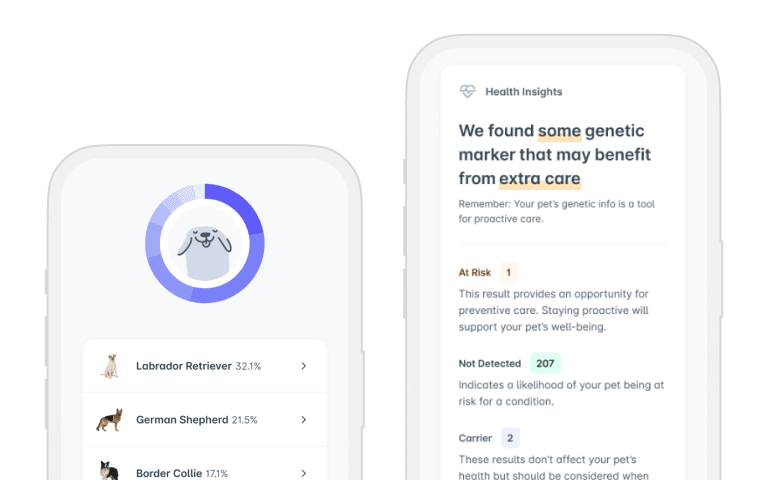
Enter your email to receive a sample dog report and preview the breed and health insights inside.