Is this breed part of your dog’s ancestry?
Discover your dog's connection to this breed and 200+ others



Discover your dog's connection to this breed and 200+ others
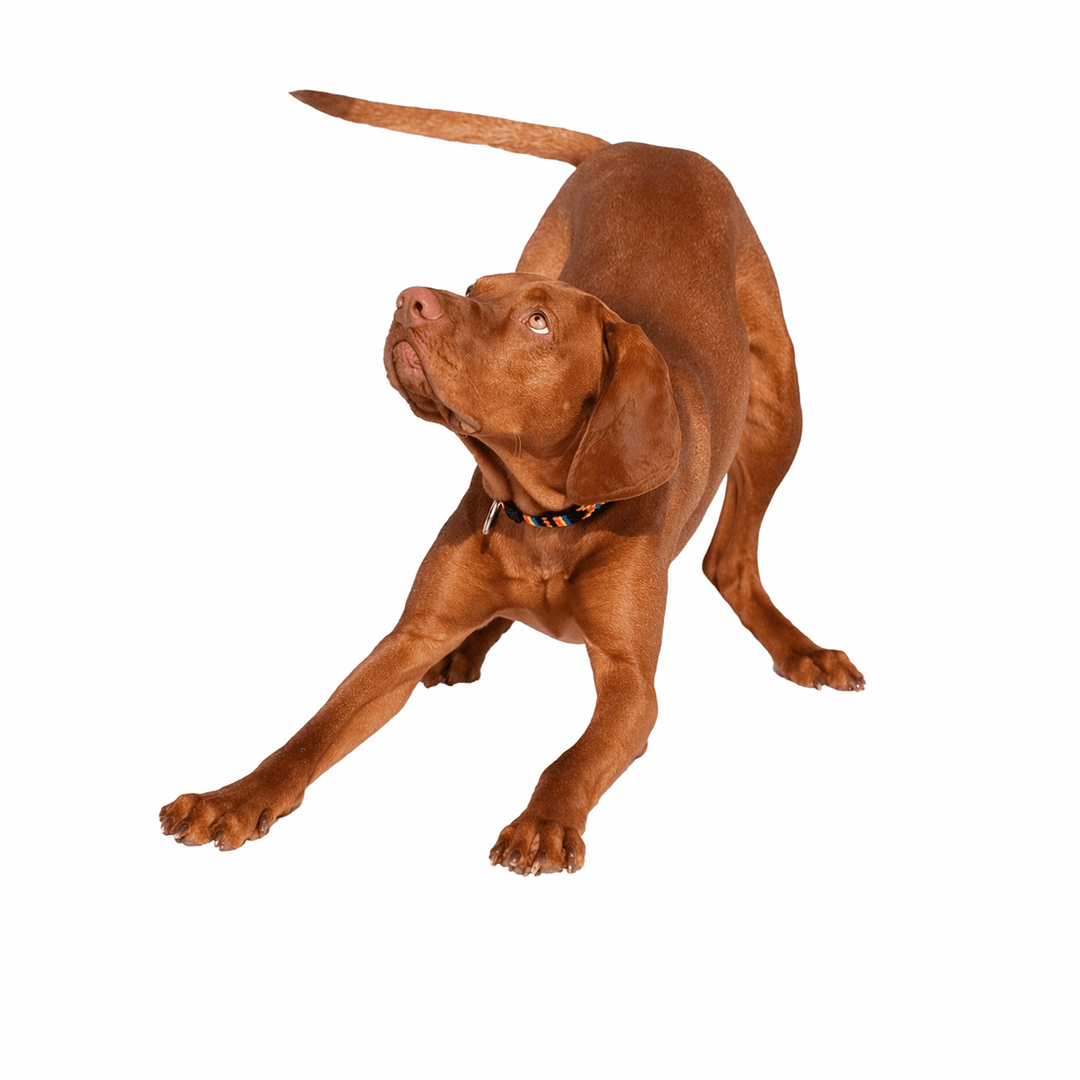
The Wire Haired Vizsla is a medium-sized sporting dog from Hungary, known for their rugged appearance and practical working traits. They have a dense, wiry coat that helps protect them in rough weather, along with a distinctive beard and expressive eyebrows that give them a thoughtful, alert look. Wirehaired Vizslas form strong bonds with their people and thrive on companionship. Because of this, they don’t do well when left alone for long periods and may become bored or restless without enough attention and activity.
Hungarian breeders developed the Wirehaired Vizsla breed in the 1930s by crossing the Vizsla with the German Wirehaired Pointer to create a tougher, more cold-tolerant hunting dog. Their goal was to produce a dog that could handle harsh terrain and icy water while still working closely alongside hunters.
The breed demonstrated its resilience during World War II, when its numbers declined sharply and it came close to disappearing. Thanks to the efforts of dedicated breeders, the Wirehaired Vizsla was carefully preserved and rebuilt after the war.
Today, the American Kennel Club (AKC) officially recognizes the Wirehaired Vizsla as a distinct and versatile sporting breed.
The Wirehaired Vizsla is a medium-sized sporting dog with a well-balanced, muscular build, strong legs, and a harsh, weather-resistant coat. Their golden-rust coloring, expressive eyes, distinct beard, and prominent eyebrows give them a rugged yet gentle appearance.
Wirehaired Vizsla Height and Weight
Weighs 45–65 lb (20.4–29.5 kg)
Stands 21.5–25 in (54.6–63.5 cm) tall
The Wirehaired Vizsla has a dense, wiry coat—typically up to 4 cm long—that lies close to the body and offers protection in rough weather. A defined beard and pronounced eyebrows enhance their characteristic look, while a seasonal undercoat provides added insulation in colder months. Accepted colors range from golden sand to deep russet. Small white markings on the chest or feet may appear but are limited under the breed standard; any other colors are not accepted.
Note that the Long Hair Vizsla is the result of a recessive variation of the FGF5 gene, which affects coat length, and should not be confused with the Wirehaired Vizsla. Likewise, the Short Haired Hungarian Vizsla and the Wirehaired Vizsla are recognized as separate breeds, each with distinct coat types and breed standards.
Adult size can vary based on genetics, gender, diet, and activity level. Males are generally larger and more solidly built, while females tend to be slightly smaller and more refined in appearance.
Living with a Hungarian Wirehaired Vizsla means keeping up with their high energy and strong prey drive. They need plenty of daily exercise—such as long walks, runs, or active play—and do best in homes with a securely fenced yard where they can move freely and safely.
They are intelligent and sensitive dogs that respond best to consistent, positive reinforcement training. Early socialization is important to help them grow into well-mannered, confident adults, especially around other animals and new environments.
Grooming is relatively low-maintenance. Their wiry coat sheds moderately and usually only needs weekly brushing to remove loose hair and dirt. Some dogs may also benefit from occasional hand-stripping to keep the coat healthy and maintain its proper texture.
Wirehaired Vizslas are generally healthy dogs, but like all breeds, they are prone to certain hereditary and health conditions. Being aware of these issues, choosing a responsible breeder, and providing regular veterinary care can help keep your dog healthy and happy.
Hyperuricosuria
Hyperuricosuria (HUU) is a genetic condition in Wirehaired Vizslas that affects how they process uric acid. It can lead to urinary stones, which may cause pain, difficulty urinating, or blockages. Responsible breeders test for HUU to reduce the risk. Management includes proper diet, plenty of water, and regular veterinary care.
Hip/Elbow Dysplasia
Hip and elbow dysplasia are inherited joint conditions that can affect mobility and cause pain. Symptoms include stiffness, limping, and reduced activity over time. Responsible breeders screen dogs using X-rays and certified programs like OFA or PennHIP before breeding. Early management, maintaining a healthy weight, and veterinary care can help improve quality of life.
Subaortic Stenosis
Subaortic stenosis (SAS) is a hereditary heart condition that narrows blood flow from the heart. It can cause fatigue, fainting, or even sudden death. Breeders should screen dogs with cardiac evaluations to reduce the risk of passing this condition to puppies.
Progressive Retinal Atrophy
Progressive retinal atrophy (PRA) is an inherited eye disorder that leads to gradual vision loss and can result in blindness. Genetic testing by responsible breeders helps reduce the likelihood of affected puppies.
Glaucoma
Glaucoma is a painful eye condition caused by increased pressure within the eye. It can lead to redness, cloudiness, and rapid vision loss if not treated promptly. Regular eye exams help detect and manage the condition early.
Cataracts
Cataracts cause cloudy eyes and blurry vision, which can progress to significant vision loss. In many cases, cataracts can be successfully treated with surgery to restore sight.
Feed your Vizsla dog a balanced, high-quality diet that meets Association of American Feed Control Officials (AAFCO) standards for complete and balanced nutrition. Active or working Vizsla dogs may require more nutrient-dense formulas during periods of hunting, training, or high exercise, while less active dogs do well on maintenance diets tailored to their energy needs.
Adult Wirehaired Vizsla dogs generally need to eat about 2–3% of their body weight per day, divided into two meals. Exact portions depend on activity level, metabolism, and overall body condition.
Weight range: 45–55 lb (20–25 kg)
Food per meal: 2–2.5 cups
Weight range: 56–60 lb (25–27 kg)
Food per meal: 2.5–3 cups
Weight range: 61–65 lb (27–29 kg)
Food per meal: 3–3.5 cups
Highly active or working Vizslas may require more nutrient-dense food or slightly larger portions during periods of heavy activity, while less active dogs may need smaller portions to maintain a healthy weight.
Monitor your Vizsla dog’s weight closely, as they can be very food-motivated.
Limit treats to no more than 10% of their daily calorie intake.
Consider joint supplements if recommended by a veterinarian.
Provide constant access to fresh, clean water.
The Wirehaired Vizsla temperament can be described as loyal, affectionate, and highly intelligent. These dogs form strong bonds with their families and thrive on close companionship, often following their owners from room to room. Sensitive and eager to please, they are highly trainable but benefit from clear structure, consistent guidance, and positive reinforcement. With high energy levels and a strong prey drive, Wirehaired Vizslas do best in active homes where they have a clear purpose, such as hunting, agility, or obedience work. Originally bred for hunting on land and in water, they require plenty of daily exercise—such as long walks, runs, swimming, or interactive play—along with mental stimulation like puzzle toys or scent games to stay balanced, happy, and well-behaved.
Wirehaired Vizslas can develop separation anxiety and destructive behaviors if left alone for long periods or not given enough stimulation. They thrive when provided with regular mental enrichment—such as puzzle toys, training sessions, or scent games—alongside ample physical exercise. Keeping them engaged helps prevent boredom, reduces anxiety, and ensures they remain balanced, well-behaved, and happy companions.
Wirehaired Vizslas thrive on activity and variety, making long hikes and steady jogging sessions ideal for their stamina.
Many enjoy swimming, especially in safe, open water.
Their hunting instincts shine through in fieldwork and nose work, where they can track, search, and follow scents.
Obedience training helps keep their intelligent minds engaged and reinforces good behavior.
Agility exercises provide a fun, fast-paced challenge that builds focus, coordination, and confidence.
Check your Vizsla’s skin after outdoor activities for ticks, burrs, or any signs of irritation. Regular inspections help catch issues early and prevent them from becoming more serious.
Brush their coat weekly to remove debris and manage loose hair, especially during seasonal shedding of the undercoat. Some dogs may benefit from occasional hand-stripping to maintain the coat’s proper texture. Avoid overbathing, as it can strip the natural oils that protect their skin and coat.
Wirehaired Vizslas are prone to eye conditions such as PRA, cataracts, and glaucoma, so regular eye checks are essential. Seek prompt veterinary attention if you notice redness, discharge, or cloudiness. Vizslas with bushy eyebrows may need occasional trimming to keep hair from irritating the eyes.
Ear care for a Wirehaired Vizsla is simple but important. Check ears weekly for dirt, redness, or odor, especially after outdoor activity, like swimming or fetch games. Clean gently with a vet-approved solution and keep ears dry to help prevent infections.
Trim your Vizsla’s nails regularly to support healthy posture and prevent pain, broken nails, gait issues, joint problems, and nail infections.
Daily dental care is important for your Vizsla’s overall health. Brush their teeth every day to reduce plaque buildup, prevent tartar formation, and maintain healthy gums.
Living Space: Best suited to country living or homes with large, securely fenced yards.
Activity Needs: 45–60 minutes of daily exercise, plus additional mental stimulation.
Grooming: Weekly brushing, with occasional hand-stripping 1–3 times per year to remove dead hair and maintain coat texture.
Temperament: Loyal, gentle, and eager to please their families.
Best For: Not ideal for first-time dog owners unless they lead a very active, outdoorsy lifestyle and can dedicate consistent time to training and companionship.
Wirehaired Vizslas thrive with committed, active owners who can meet their physical and mental needs. Consider whether you can provide 1.5 to 2+ hours each day for exercise, training, and social interaction, along with ongoing responsibilities like quality food, grooming, and veterinary care. Owning a Wirehaired Vizsla is a long-term commitment, typically 12–14+ years, to a highly energetic, affectionate, and people-focused companion.
In addition to daily care, prospective owners should consider the financial and time commitments involved. Wirehaired Vizslas may cost anywhere from $1,500 to $3,500 from reputable breeders, with ongoing expenses including quality dog food, routine veterinary care, grooming, training classes, and pet insurance. They also benefit from enrichment items such as puzzle toys, agility equipment, and outdoor gear for hunting or running. Planning ahead for these needs helps ensure a healthy, happy life for this energetic, devoted breed.
How big does a Wirehaired Vizsla get?
A Wirehaired Vizsla typically stands 21.5–25 in (54.6–63.5 cm) tall and weighs 45–65 lb (20.4–29.5 kg). A miniature Wirehaired Vizsla does not exist.
Is a Wirehaired Vizsla hypoallergenic? Do Vizslas shed?
Wirehaired Vizslas are not hypoallergenic. They shed moderately and produce dander, which can trigger allergies in sensitive individuals.
How long do Wirehaired Vizslas live?
Wirehaired Vizslas typically have a lifespan of 12–14 years.
How much do Wirehaired Vizslas cost?
Wirehaired Vizslas usually cost between $1,500 and $3,500, depending on breeder, pedigree, and location, though some may range from around $1,000 to $3,000.
What is the difference between Wirehaired Vizslas vs. Pudelpointers?
Wirehaired Vizslas are generally more sensitive, people-focused, and lighter in build. Pudelpointers tend to be more independent, sturdier, and built for tougher terrain and dense cover.
Are Wirehaired Vizslas high maintenance?
Yes, the dog breed Vizsla can be high maintenance due to their high energy, need for daily exercise, training, and strong desire for close human companionship.
Recommended by top vets with decades of experience
21 breeds
64 genetic health markers
50 genetic trait markers


Enter your email to receive a sample dog report and preview the breed and health insights inside.