Is this breed part of your dog’s ancestry?
Discover your dog's connection to this breed and 200+ others

Discover your dog's connection to this breed and 200+ others
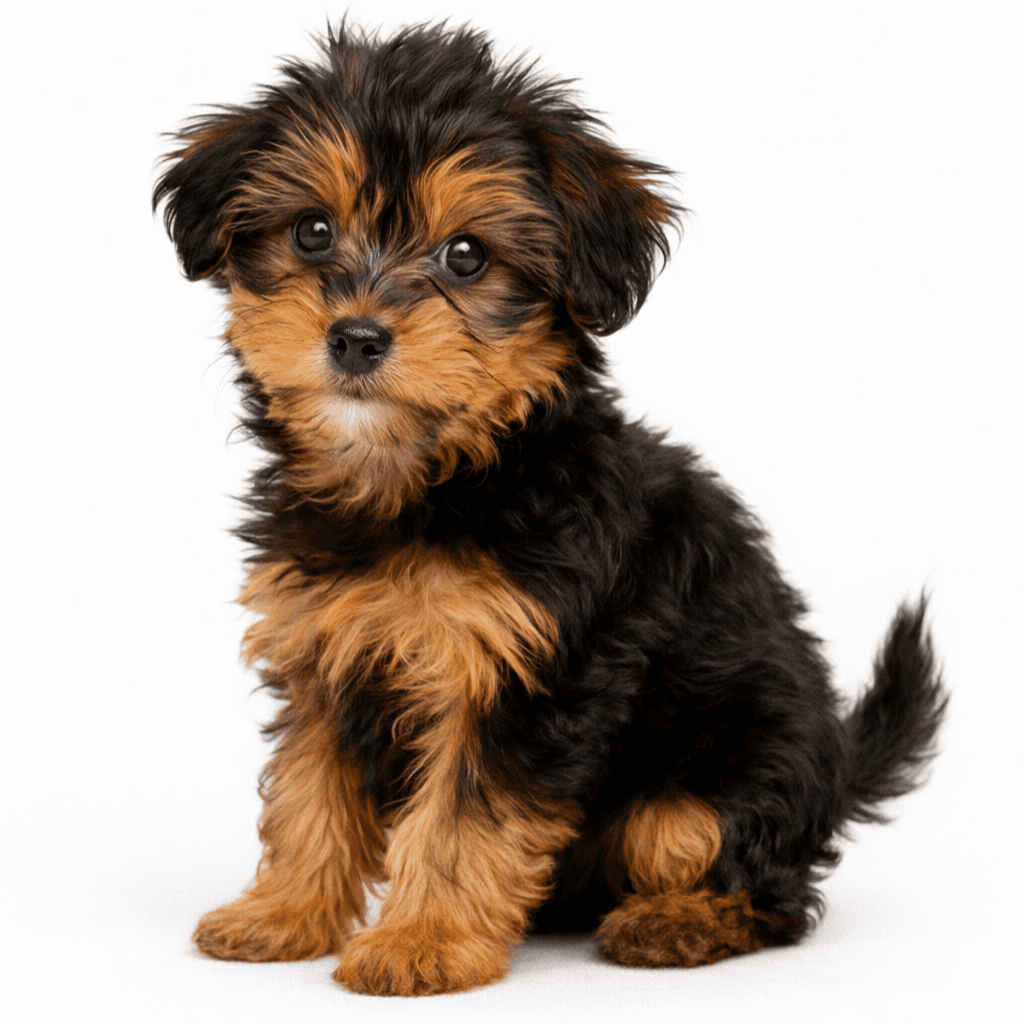
What is a Yorki Poo? A Yorkipoo (also spelled Yorkiepoo or Yorkie Poo) is a small designer dog created by crossing a Yorkshire Terrier with a Toy or Miniature Poodle. This hybrid combines the Yorkie’s lively personality with the Poodle’s intelligence and often lower-shedding coat.
The Yorkie Poo dog, a cross between the Yorkshire Terrier and the Toy or Miniature Poodle, is a small, low-shedding designer breed developed in the United States over the past 20–30 years. It blends the Yorkshire Terrier’s bold, determined nature—shaped by its history as a ratting dog in England and Scotland—with the Poodle’s intelligence and strong trainability. Their compact size and adaptable temperament make them well suited to apartment living and urban lifestyles.
Although the Yorkie Poo dog is sometimes listed in designer dog registries, they are not recognized by the American Kennel Club (AKC) because they are not a purebred breed. Some Yorkiepoos end up in shelters due to behavioral issues, frequent barking, lifestyle changes, or misunderstandings about common Yorkie Poo facts, including their care needs.
Yorkiepoos are often considered hypoallergenic because of their Poodle heritage and typically low-shedding coat. However, coat types can vary, and some Yorkipoos may still trigger allergies, so it is best to spend time with the individual dog before deciding if they are a good fit.
Disclaimer: The term "hypoallergenic" refers to dog breeds that are less likely to trigger allergic reactions, not breeds that are completely allergy-free. These dogs may shed less, have hair instead of fur, or produce lower levels of dander—all factors that can reduce, but not eliminate, allergic responses in sensitive individuals.
What are Yorkie Poodles like? Yorkie Poodles are a hybrid rather than a standardized breed, their appearance can vary depending on which parent’s traits are more dominant. Most Yorkiepoos have a compact body, a fine-boned build, expressive eyes, and a medium-length muzzle.
Yorkiepoo Size
Yorkiepoo weight: typically 3–14 pounds (1.4–6.4 kg)
Yorkiepoo size: about 7–15 inches (17.8–38 cm) tall at the shoulder
Some individuals from very small breeding lines may fall at the lower end of this range. Final size depends largely on genetics, especially whether the Poodle parent was a Toy or Miniature Poodle, as well as the Yorkshire Terrier line used and proper nutrition during growth.
Because of their mixed heritage, Yorkiepoo colors vary widely. Common colors include black, white, cream, apricot, red, sable, and chocolate, along with various bi-color or tricolor patterns. Their coat may be straight and silky like a Yorkshire Terrier or wavy to curly like a Poodle, and the texture can change as the puppy matures into adulthood. Many Yorkipoos are low-shedding, but grooming is still needed to prevent tangles.
Breeders often describe Yorkipoos by generation, which can influence how predictable their size, coat type, and temperament will be.
F1 Yorkipoo: Yorkshire Terrier × Poodle, a first-generation cross that typically shows a balanced mix of traits from both parent breeds.
F1B Yorkipoo: A Yorkipoo crossed back with one of the parent breeds, often a Poodle Yorkie mix bred back to a Poodle or Yorkshire Terrier. This is sometimes done to emphasize certain traits, such as coat type or size.
F2 Yorkipoo: Yorkipoo × Yorkipoo pairings across several generations. These dogs may show more consistency in appearance but can still vary because the breed is not standardized.
Since Yorkie Poodles are a hybrid, traits such as coat texture, color, and Yorkiepoo weight can vary widely—even among puppies from the same litter. Reputable breeders should explain which generation their puppies are and why that breeding combination was chosen.
Yorkipoos are affectionate companion dogs that thrive on close interaction with their humans and typically do not do well when left alone for long periods. They are adaptable and can live comfortably in apartments or condos if they receive daily walks and regular indoor play. Intelligent and eager to please, they often learn quickly, though they may sometimes be stubborn or vocal.
Early socialization and positive-reinforcement training help manage barking, separation anxiety, and behaviors often linked to “small dog syndrome.” Their low-shedding coat requires regular brushing and occasional professional grooming to prevent tangles, along with routine ear cleaning, dental care, and nail trimming.
Dental Disease
Small breeds are prone to periodontal disease. Signs include bad breath, red or bleeding gums, and dropping food while eating. Prevention includes regular tooth brushing, dental chews, and annual veterinary dental checkups.
Orthopedic Problems
Yorkipoos may develop luxating patella, which can cause a skipping or “bunny-hopping” gait or occasional limping. Another possible condition is Legg-Calvé-Perthes disease, which affects the hip joint and can lead to pain and lameness.
This endocrine disorder can cause weight gain, lethargy, and coat changes such as thinning hair or dry skin. It is usually managed with lifelong medication prescribed by a veterinarian.
Diabetes
Diabetes may lead to increased thirst, frequent urination, and unexplained weight loss. Treatment typically involves insulin therapy and a carefully managed diet.
More common in older dogs, Cushing’s disease can cause increased drinking and urination, a pot-bellied appearance, thinning skin, and hair loss. Veterinary treatment is usually required to manage the condition.
Low blood sugar can occur in small or young dogs, especially if meals are skipped. Signs may include weakness, shaking, or lethargy. Feeding small, regular meals helps reduce the risk.
Skin Allergies
Some Yorkipoos develop allergies that cause itching, redness, or skin infections. Identifying triggers and following a vet-recommended treatment plan can help manage symptoms.
Eye Problems
Age-related eye conditions such as cataracts or progressive retinal atrophy (PRA) may affect vision over time. Regular veterinary checkups can help detect these issues early.
With proper care, Yorkipoos typically live 10–15 years. Their health can be supported by regular veterinary visits, maintaining a healthy weight, and choosing breeders who perform appropriate health testing.
When choosing dog food, look for formulas designed for small breeds and matched to your dog’s life stage—puppy, adult, or senior. In the United States, checking that the food meets AAFCO standards helps ensure it provides complete and balanced nutrition. A consistent feeding schedule also supports your dog’s energy levels and overall health.
Yorkipoo puppies under 12 months should usually eat three to four small meals per day, which helps prevent hypoglycemia, a condition small breeds can be prone to. Yorkiepoo adults can typically transition to two meals daily, ideally morning and evening.
Always provide fresh water, and if you are considering a home-cooked or raw diet, consult a veterinarian to make sure the meals are properly balanced and meet all nutritional needs.
The amount a Yorkipoo should eat depends on their weight, age, activity level, metabolism, and the calorie density of the food. For example, a full-size black Yorkie Poo or any other color may need different portions depending on whether they come from a Toy or Miniature Yorkie Poo line. A good starting point is to follow the feeding guidelines on your dog food packaging, then adjust based on your dog’s body condition and energy needs.
Weight range: 3–5 lb (1.4–2.3 kg)
Food per meal: about 0.25 cup
Weight range: 6–10 lb (2.7–4.5 kg)
Food per meal: about 0.33–0.5 cup
Weight range: 11–15 lb (5–7 kg)
Food per meal: about 0.5–0.67 cup
These amounts are general estimates. More active Yorkipoos may need slightly larger portions, while less active dogs may require smaller meals to maintain a healthy weight. Your veterinarian can help determine the ideal portion size for your individual Yorkipoo.
Keep your Yorkipoo at a healthy weight to support long-term health.
Avoid overfeeding and limit treats to no more than 10% of daily calories.
Choose dental-friendly treats, as small breeds are prone to dental disease.
Feed very small Yorkipoos on a regular schedule to help stabilize blood sugar.
Consult a veterinarian before adding supplements such as omega-3s or joint support.
Maintaining a lean body condition reduces stress on joints and may lower risks like diabetes.
Schedule regular vet weigh-ins and body condition checks to help keep your dog healthy.
Yorkie Poo characteristics include playfulness, intelligence, and strong affection for their people. They are confident little dogs and can sometimes act a bit bossy despite their small size. Yorkipoos are very loyal and usually form close bonds with their families, enjoying attention and regular interaction.
With proper socialization, they can live well with other dogs and even cats. They tend to do best with older children who understand how to handle small dogs gently. Yorkipoos also thrive when included in family activities rather than being treated like decorative pets.
The Yorkipoo breed is often vocal and quick to bark at unfamiliar sounds, visitors, boredom, or loneliness. Despite their small size, they can act as alert watchdogs. Yorkipoos usually prefer being around their people and may develop separation anxiety if left alone for long periods.
When alone, they may bark, whine, or develop unwanted behaviors such as chewing or scratching. Gradual training and getting them used to short periods alone can help prevent this. Because of their Terrier heritage, they may also chase small animals like squirrels or rodents. Some Yorkipoos can show signs of “small dog syndrome,” a term used to describe behaviors such as pushiness, resource guarding, or excessive barking.
Daily walks to provide regular physical exercise and allow them to explore their environment.
Indoor games such as fetch or tug to burn energy and keep them active, especially in smaller living spaces.
Trick training to engage their intelligence, reinforce good behavior, and strengthen the bond with their owner.
Puzzle feeders to encourage problem-solving, add mental stimulation, and slow down fast eaters.
Hide-and-seek with treats to make training fun while stimulating their natural curiosity and scent-tracking skills.
Low-impact agility or obedience classes to build confidence, improve focus, and provide structured mental and physical activity.
Cuddle time and attention to meet their strong need for companionship, since Yorkipoos thrive on close interaction with their people.
Bathe every 4–6 weeks or when dirty using a gentle, dog-specific shampoo. Conditioner may help with curly or dry coats. Watch for flaking, hot spots, or excessive scratching and consult a vet if these appear.
Brush daily or 2–3 times per week to prevent mats, especially around the ears, collar area, and armpits. A slicker brush and metal comb work best. Many owners choose trims like the puppy cut or teddy bear cut, with grooming appointments every 4–6 weeks.
Yorkie Poodles mix may develop tear staining or watery eyes. Wipe the area gently each day. See a veterinarian if you notice cloudiness, heavy discharge, or signs of discomfort.
Hair may grow inside the ear canal due to Poodle heritage. Follow grooming or veterinary advice on trimming or plucking. Check ears weekly and clean with dog-safe ear cleaner and cotton pads. Redness, odor, or frequent scratching can signal infection.
Trim nails every 3–4 weeks depending on growth and activity level. Overgrown nails can cause discomfort or affect posture. Some owners use a nail grinder for a smoother finish if the dog tolerates it.
Brush teeth several times per week using dog-safe toothpaste. Dental chews and regular veterinary dental checkups help prevent periodontal disease, which is common in small breeds.
Living Space: Apartment-friendly if they receive daily walks and attention
Activity Needs: About 30 minutes of walks and play daily
Grooming: Regular brushing + professional grooming every 4–6 weeks
Yorkiepoo Temperament: Affectionate, intelligent, people-focused, and often vocal
Best For: First-time owners who spend a lot of time at home
Yorkipoos thrive in homes where people are around most of the day, such as remote workers, retirees, or stay-at-home parents. Regular interaction, training, and mental stimulation help prevent boredom-related behaviors like barking or chewing. With consistent companionship and care, they become loyal, lively companions who enjoy being involved in everyday family life.
However, they may not be the best fit for households that prefer a very quiet dog or people who are away from home for long hours. Families with very young children should also supervise interactions carefully because of the dog’s small size. Yorkipoo from breeders often cost $1,000–$3,500, while adoption fees from shelters or rescues are usually $100–$400. Prospective owners should also budget for ongoing costs such as grooming, veterinary care, food, training, and supplies.
How big does a Yorkipoo get?
The Yorkie Poo average weight is 3–14 lb (1.4–6.4 kg), and they typically stand 7–15 inches (17.8–38 cm) tall at the shoulder.
Is a Yorkipoo hypoallergenic?
No dog is completely hypoallergenic, but Yorkipoos are generally considered low-shedding, which may make them easier for some allergy-sensitive people to live with.
How long do Yorkipoos live?
The Yorkie Poo lifespan is usually 10–15 years with proper care, nutrition, and regular veterinary checkups.
How much do Yorkipoos cost?
Yorkipoo puppies from reputable breeders usually cost $1,000–$3,500, depending on factors like breeder reputation, location, and parent lineage.
What is the difference between Yorkipoos vs. Maltipoos?
Both are Poodle mixes. Yorkipoos are a cross between a Yorkshire Terrier and a Poodle, while Maltipoos are a mix of a Maltese and a Poodle.
Are Yorkipoos high maintenance?
Yorkipoos need regular grooming (brushing several times a week and professional grooming every 6–8 weeks) along with consistent training, as they are intelligent and sometimes stubborn.
Recommended by top vets with decades of experience
21 breeds
64 genetic health markers
50 genetic trait markers
