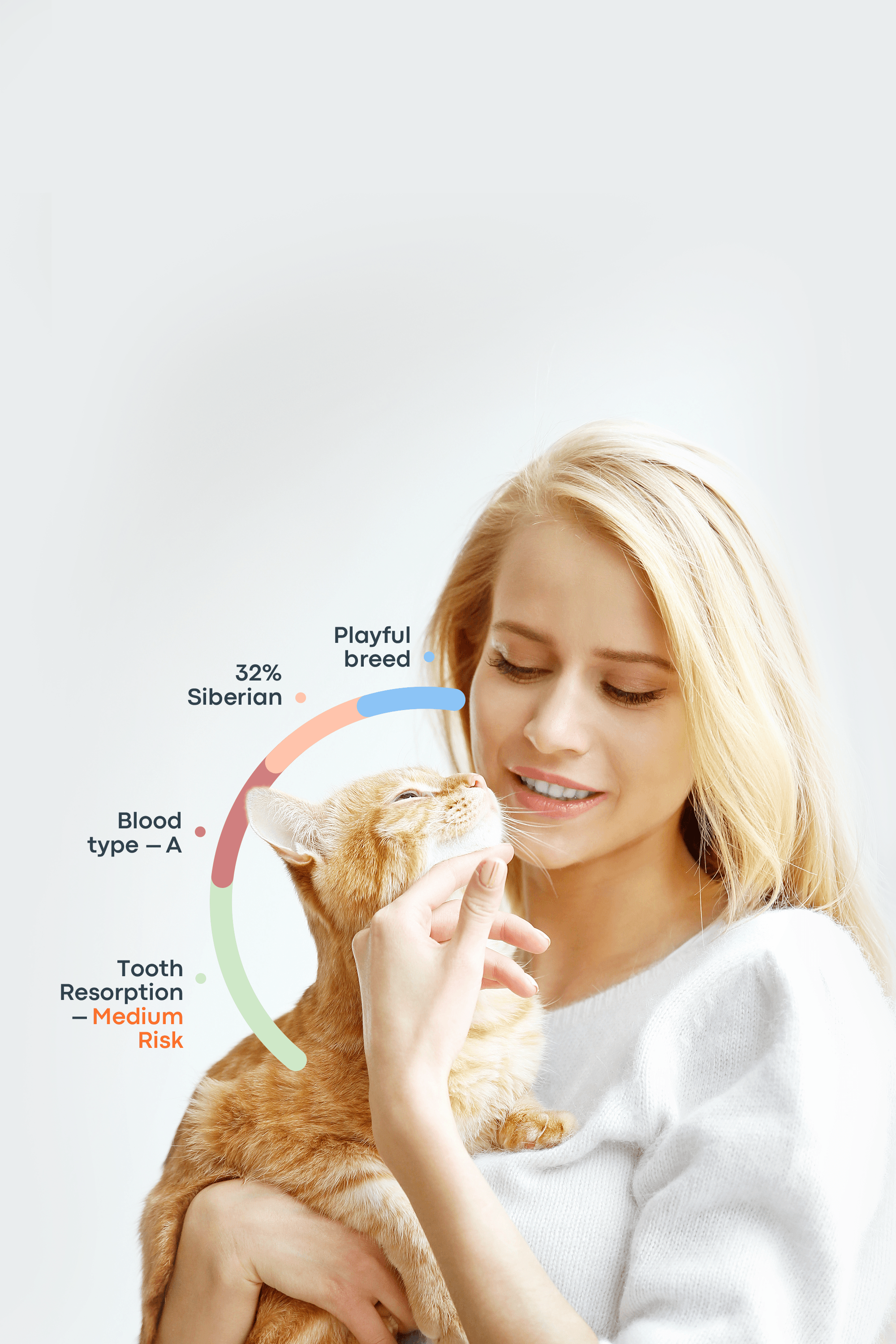
Don't know your cat's breed?
Get our DNA kit!
If your cat is overweight, you CAN help your cat achieve a healthy weight before it’s too late. Here are top 6 reasons your cat is overweight.
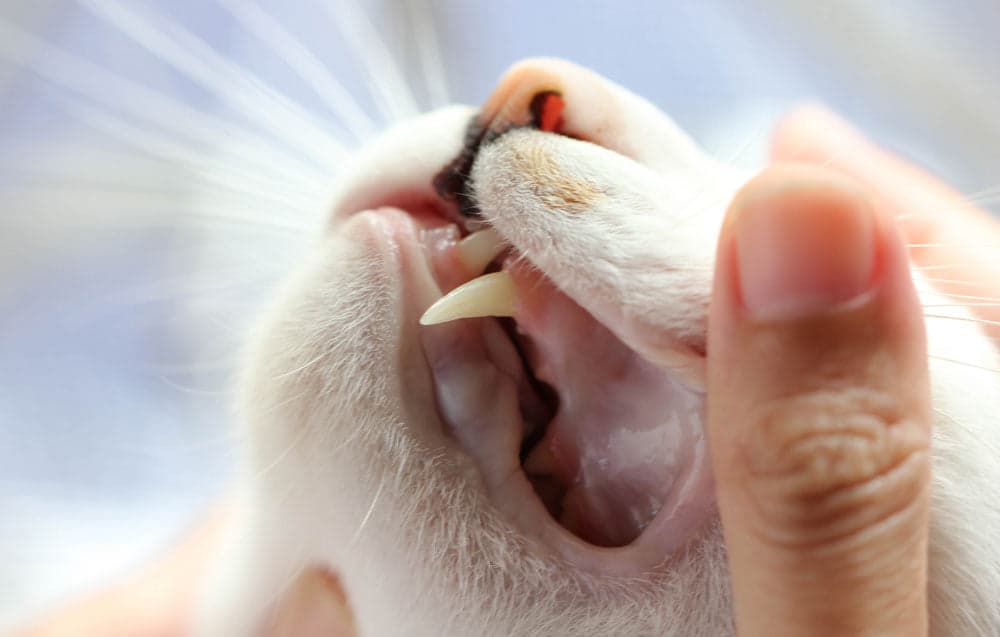
Dental disease can be painful, expensive, and even life-threatening. Since cats don’t brush their teeth everyday like we do, many of them will develop dental disease as early as when they are just 3 years old!
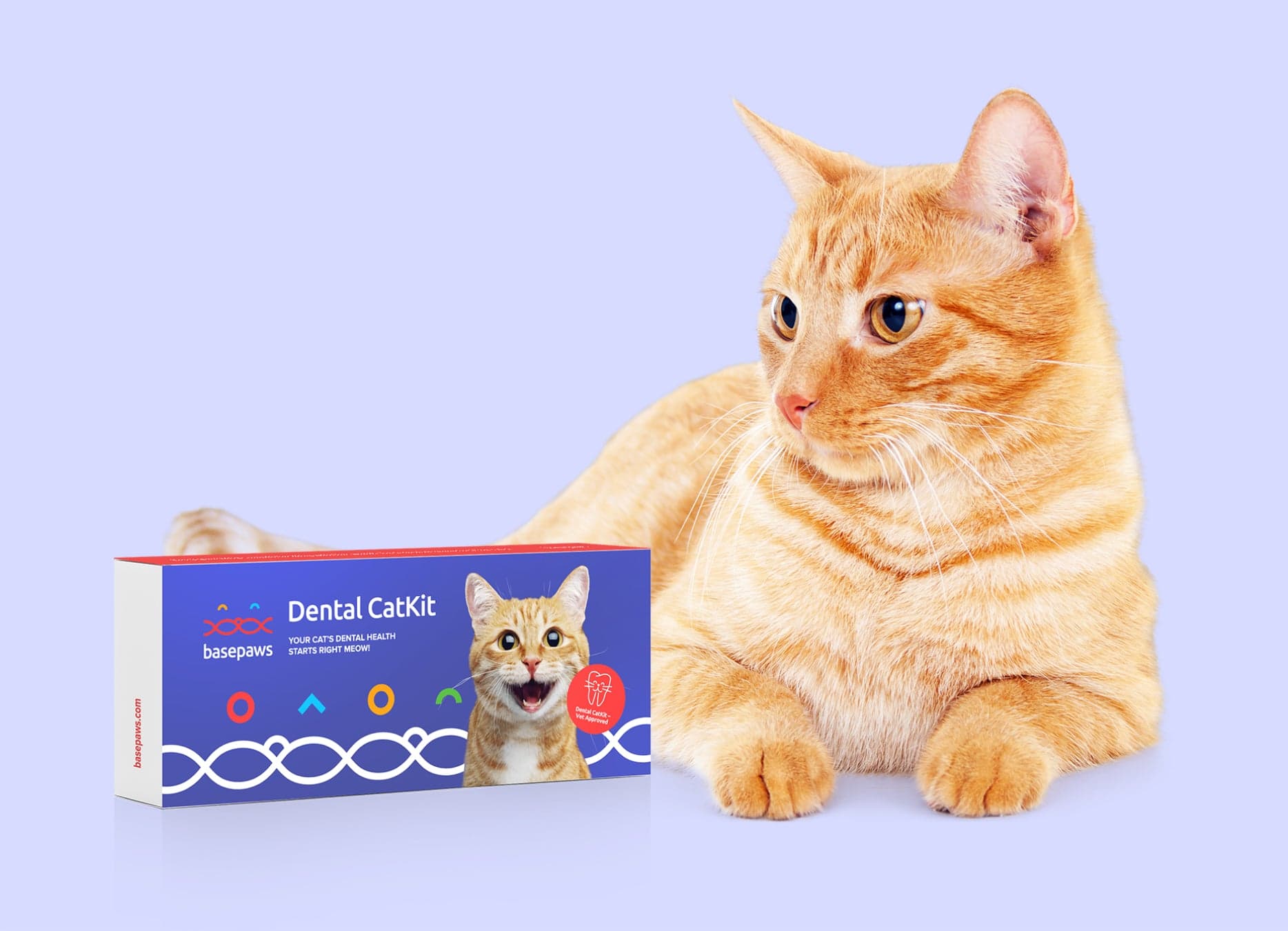
Did you know that dental disease is the #1 condition affecting cats? 70% of cats have developed some form of dental disease by the time they are 3 years old. I don’t want to scare you, but periodontal disease affects up to 80% of ALL adult cats. Gum disease affects 70% of all cats. Tooth resorption affects up to 60% of all cats, and over 70% of cats over the age of five. These statistics are appalling, made even worse by the fact that our cats can’t talk, and thus suffer until it’s too late.

Tooth resorption – also known as feline odontoclastic resorptive lesion (FORL) – is a dental disease characterized by progressive erosion of dentin and tooth destruction. This is a common feline dental disease affecting between 20 and 60% of all cats. Here is what you, as a cat parent, need to know about this commonly underdiagnosed dental health concern.
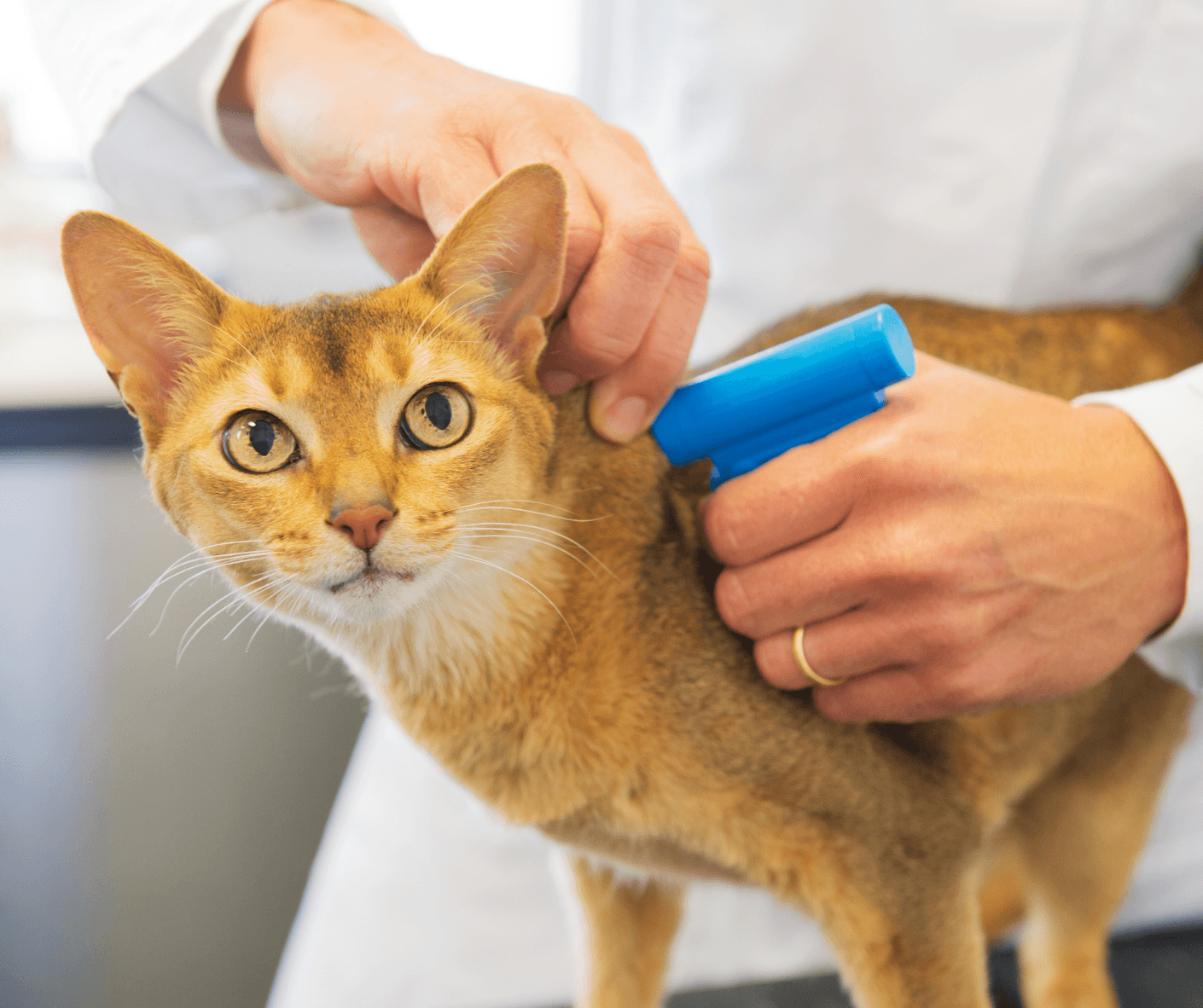
In this blog, learn all you need to know about pet microchips. The importance of microchipping, cost, and registration, as well as how, where, and when to microchip your pet.
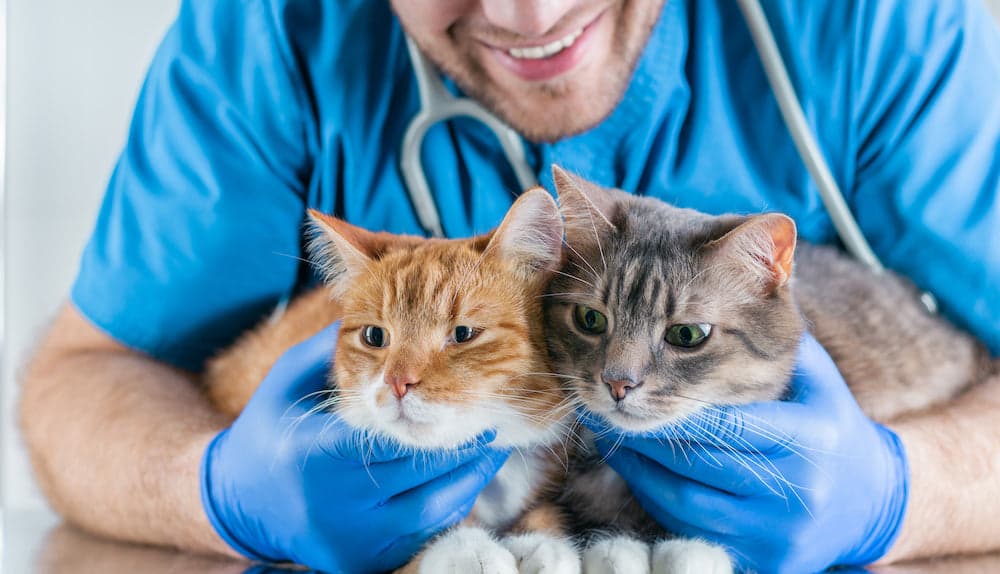
In collaboration with an amazing community of citizen scientists and veterinary partners, Basepaws is advancing its work to uncover the genetic and dental health factors associated with chronic feline diseases.

The short answer to this question is, yes—snake plants (Sansevieria trifasciata) are indeed toxic to cats. Why are snake plants toxic to cats, and what are signs of snake plant toxicity in cats? Keep reading for the answers to these questions and more. You won’t want to miss out on important information to help keep your cat safe and healthy.

Pyruvate kinase is an enzyme involved in the metabolism of red blood cells. When mutations in the PKLR gene occur, it reduces the functionality of this enzyme and subsequently affects the ability of red blood cells to survive and function properly. Learn about pyruvate kinase deficiency in cats, symptoms and treatment, and the cat breeds that are known to be at a higher risk for this condition.