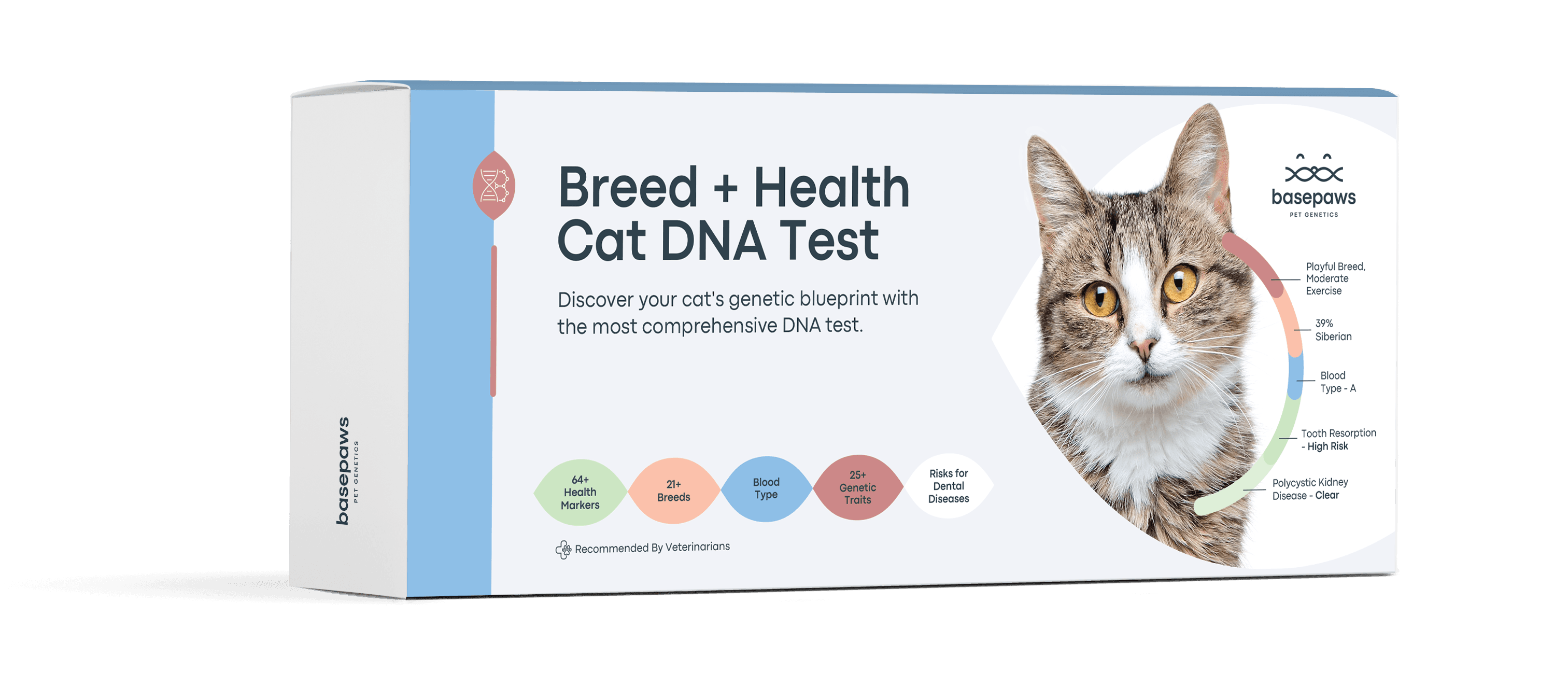
Don't know your cat's breed?
Get our DNA kit!
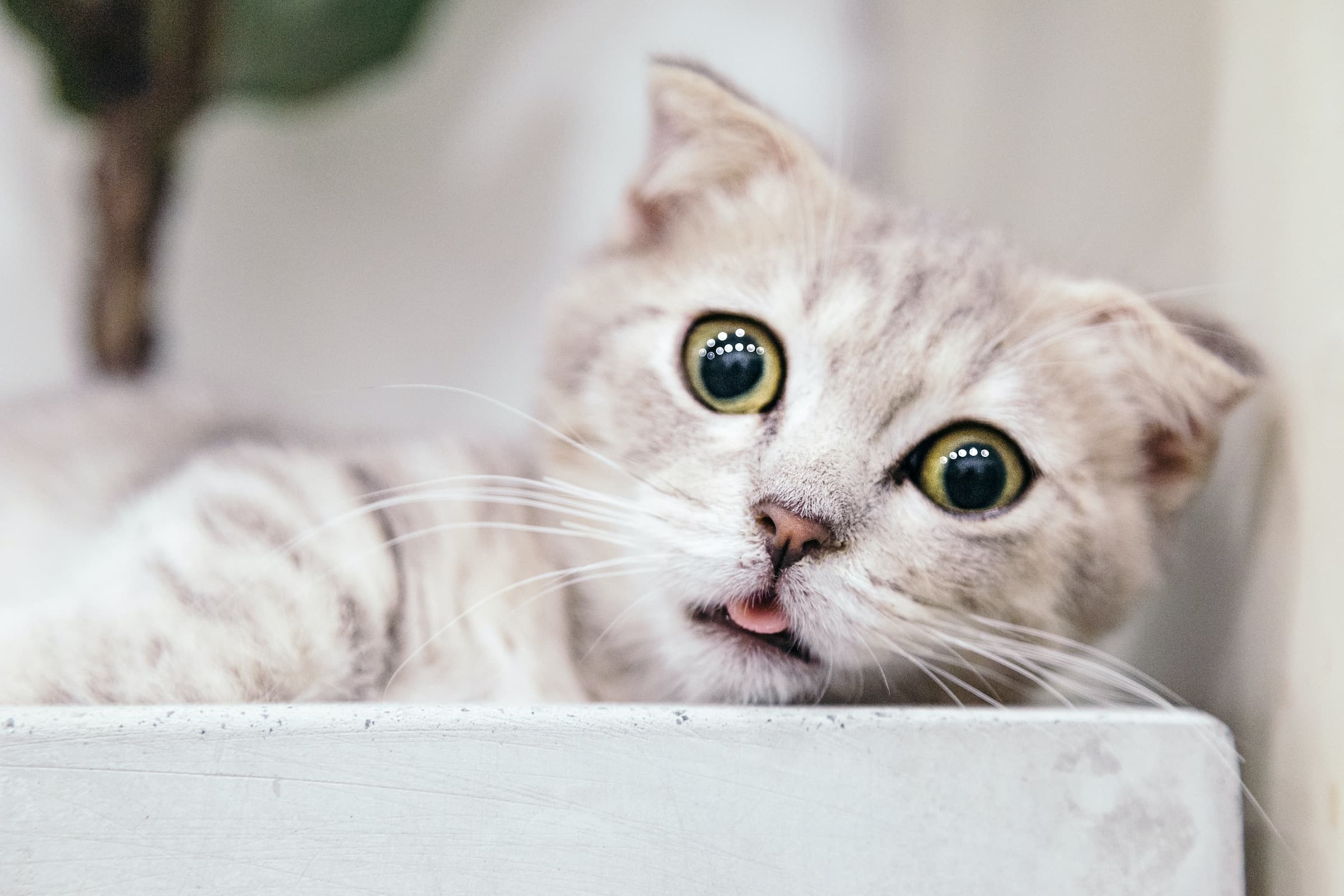
Cat owners understand how much their feline companions love a good game of chase. Anything from a dust particle to the hairy tip of their tail may be used for fun paw play. As a result, many cat owners turn to flashing a laser pointer on the floor, tempting their pet into a game of "chase" with a bright light. These laser pointers are cheap, widely accessible, easy to operate, and can provide bonding time for you and your cat. However, laser pointers emit a strong beam of light, which begs the question: Are lasers bad for cats? Let’s talk about the science behind a laser pointer for cats. Consequently, in this post, we will explore why lasers can be bad for cats and how to make laser pointer play fun and beneficial to your feline companion.
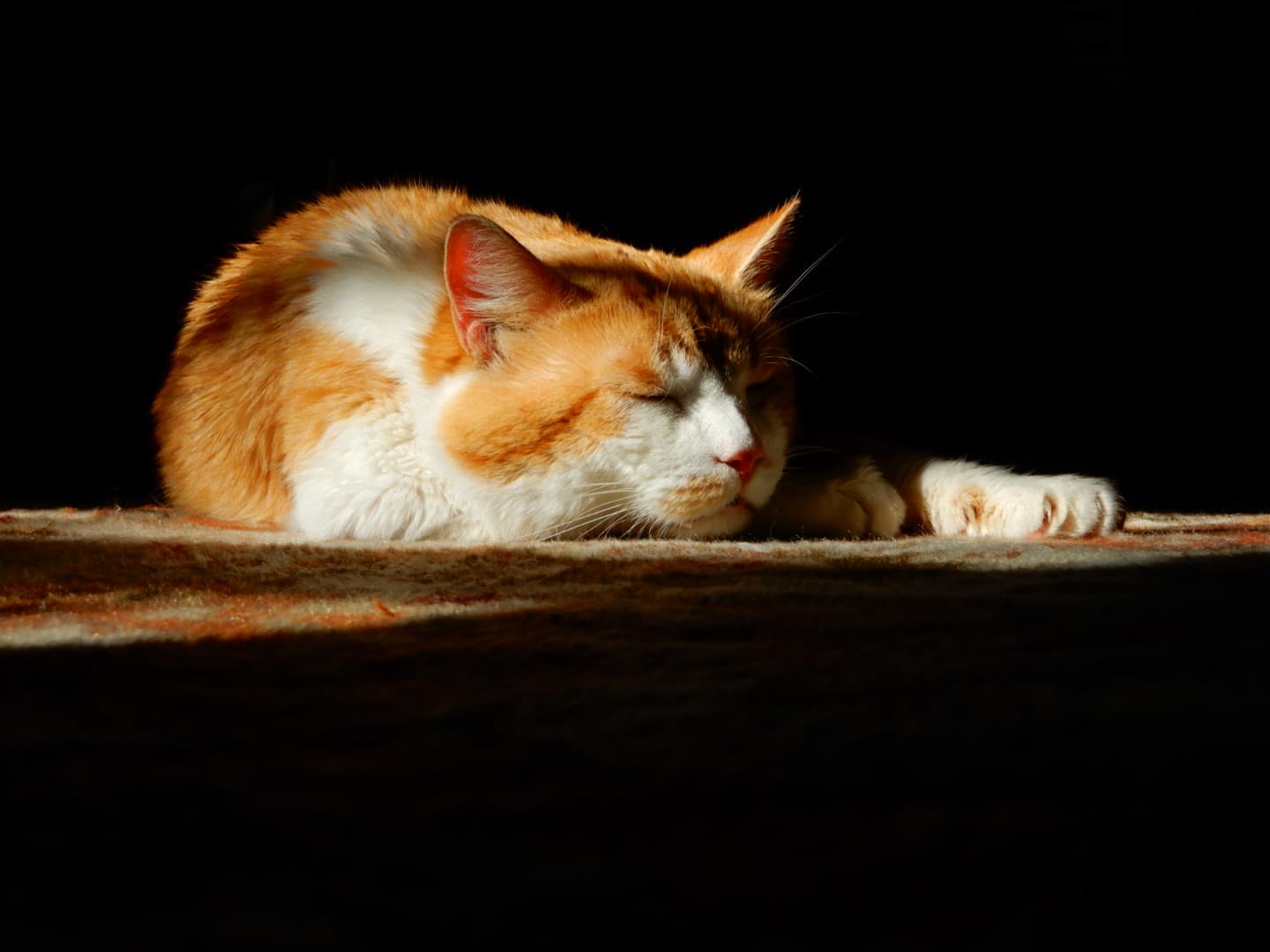
When it comes to the health and well-being of any living companion, sleep is an essential part of their daily lives. Just like humans, cats also experience disruption in their sleep patterns due to various factors, in turnn leading pet owners search for some potential solutions. One solution that has gained popularity is melatonin. Now, the question arises: Can you give melatonin to cats? Read this article to explore the world of melatonin in cats. It will also briefly explain the uses, safety considerations, and proper cat melatonin administration.
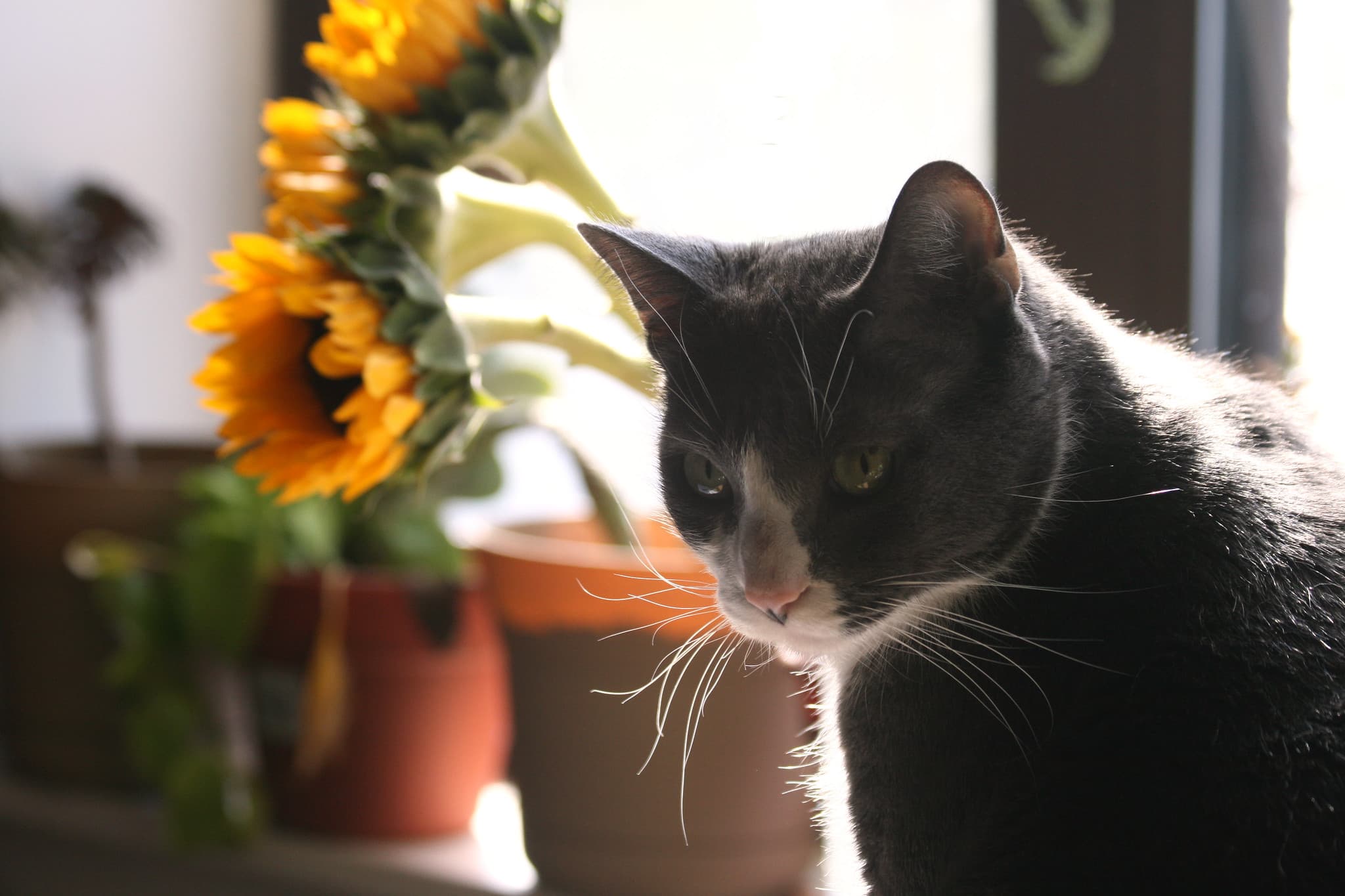
Sunflowers are majestic and striking plants that enhance any living space as they look as cheery in a vase as they do in your garden. These flowers boast large, attention-grabbing blooms that are also irresistible to your cat. In fact, your feline companion might see your glorious sunflowers as a convenient snack.
Carnations are a common flower in areas such as Europe, North Africa, and certain parts of North America. Their typical bloom time is in late July to early August, and they generally go to seed in September. Maybe people enjoy their cheerful blooms in their gardens and as colorful bouquets indoors. But, if you are a cat parent, you may wonder if carnations are toxic to your furry little friend. So, are carnations safe for cats or maybe cats and carnations aren’t a good mix?

Understanding which types of plants are harmful to your pets is an important part of pet parenthood. Christmas Cactuses may look beautiful (and are perfectly safe for humans) can be dangerous and potentially deadly if consumed by our furry friends.
Whether they're playful kittens or wise old cats, their unique personalities never cease to amaze. In this article, we'll embark on a journey through the world of cats, exploring the most adorable breeds and specific felines that have stolen hearts worldwide.
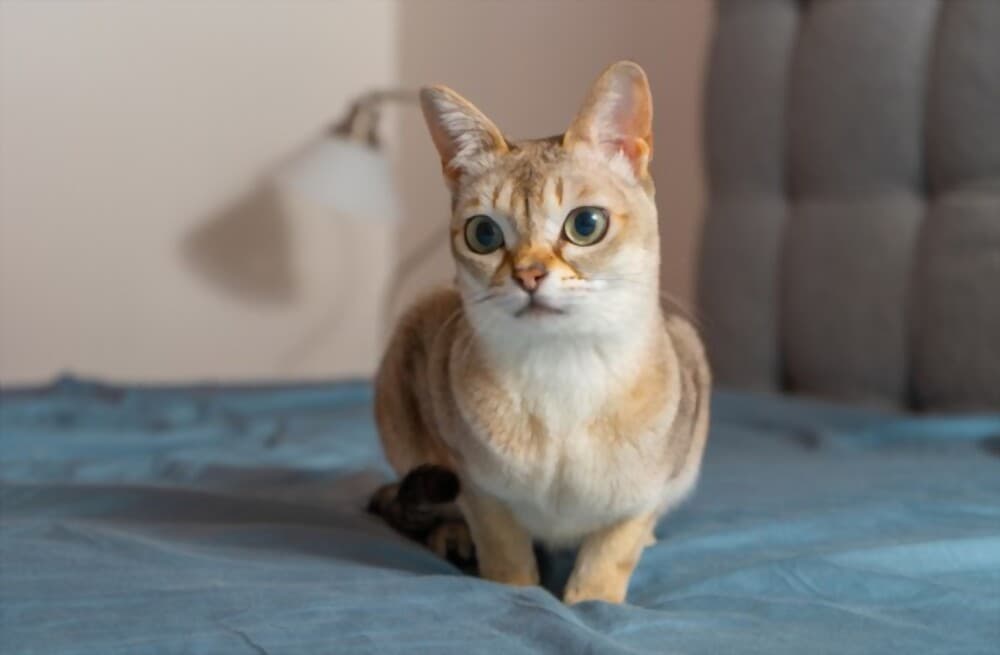
Cats are remarkable animals with a wide range of sizes and personalities. They come in all shapes and sizes, from the massive Maine Coon to the small Ragdoll Cats. With so many breeds out there, it can be difficult to narrow down your choices- especially if you live in a small space. While you may be drawn to a large breed, you may be better off choosing a cat that stays small.
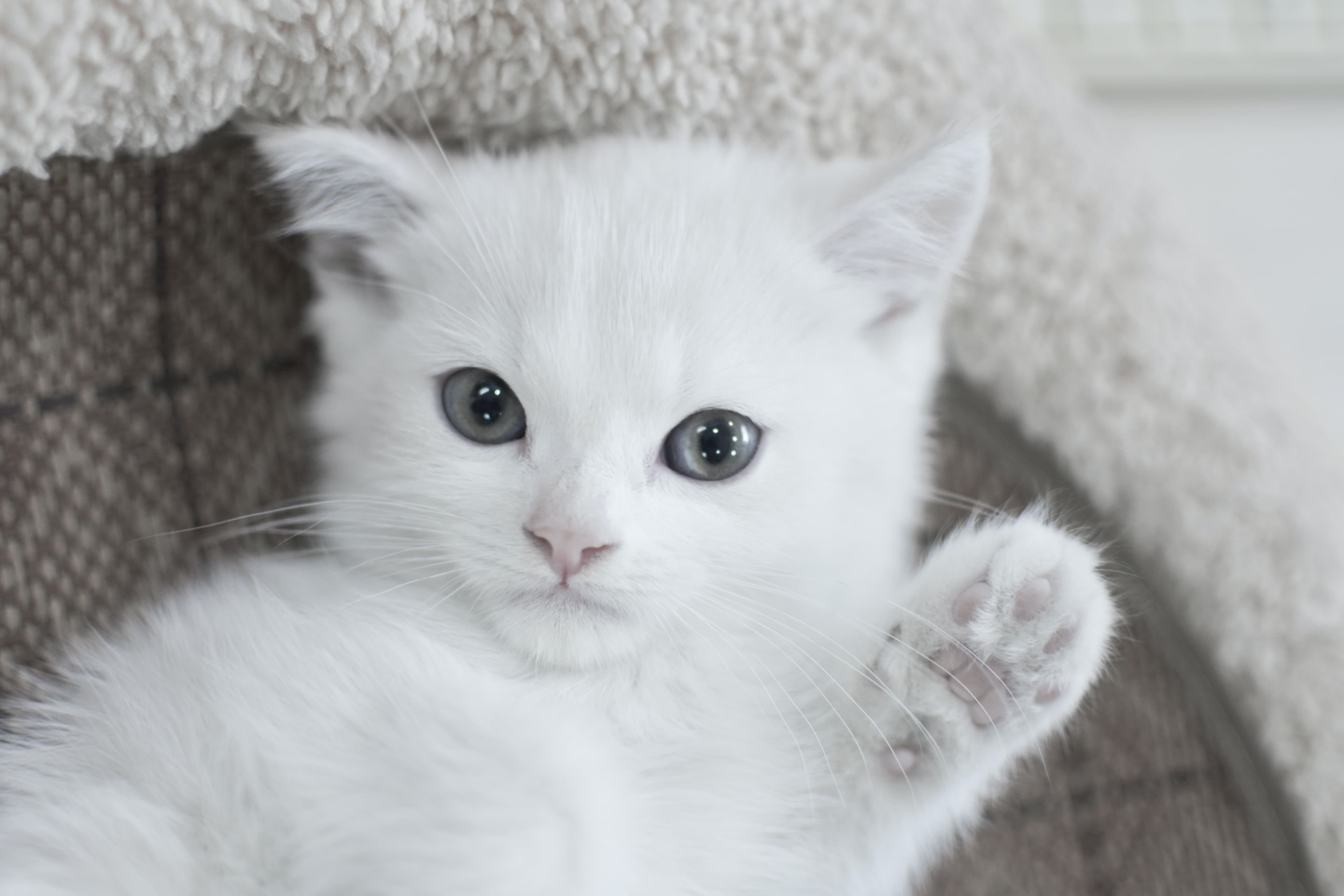
Pets are an important part of our families and our lives. Some people refer to their pets as ‘fur babies,” and some feel their pets are like their children. When our pets look at us, or as we watch them play or go through their days, we are sometimes enchanted by their appearance or their actions.
Cats are one of the most frequent types of pets and their owners are unanimous in proclaiming their cuteness. When they chase their tails, play with beams of light, or stare at us with their wide, imploring eyes, we fall in love with our cats a thousand times a day.
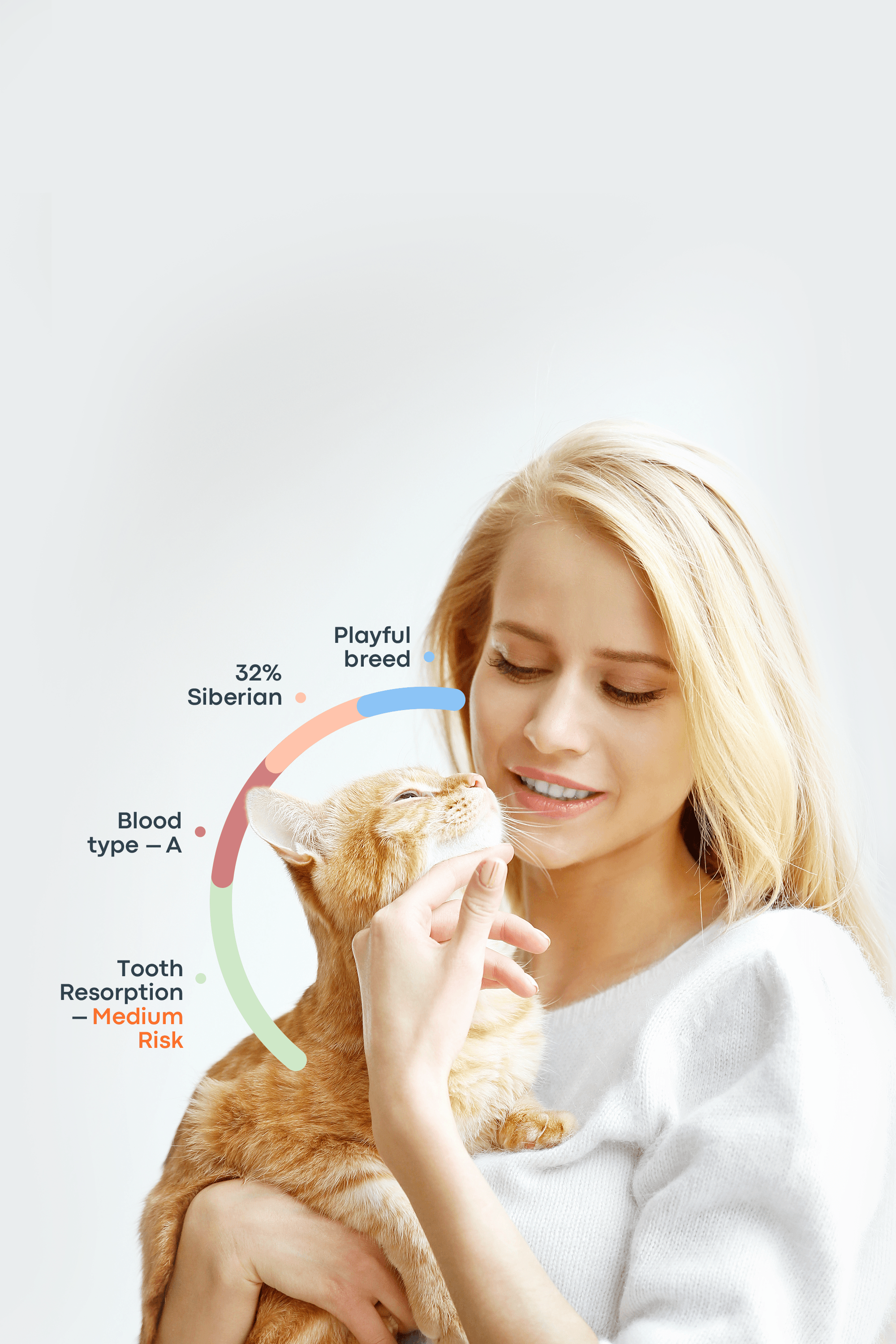
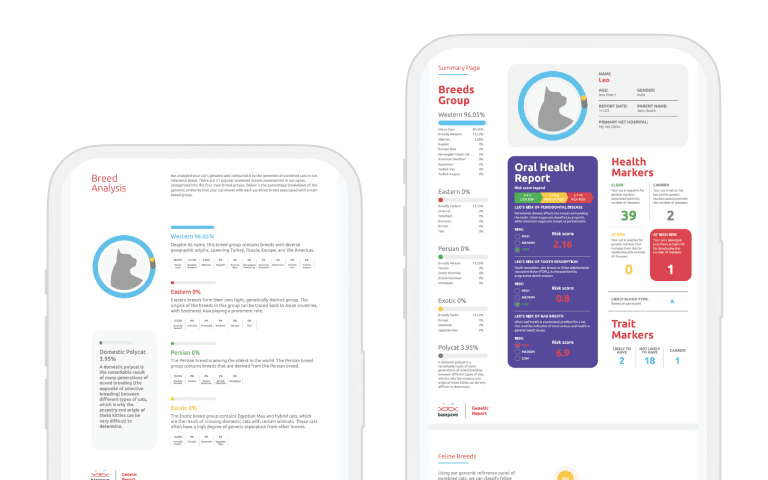
Enter your email to receive a sample cat report and preview the breed and health insights inside.