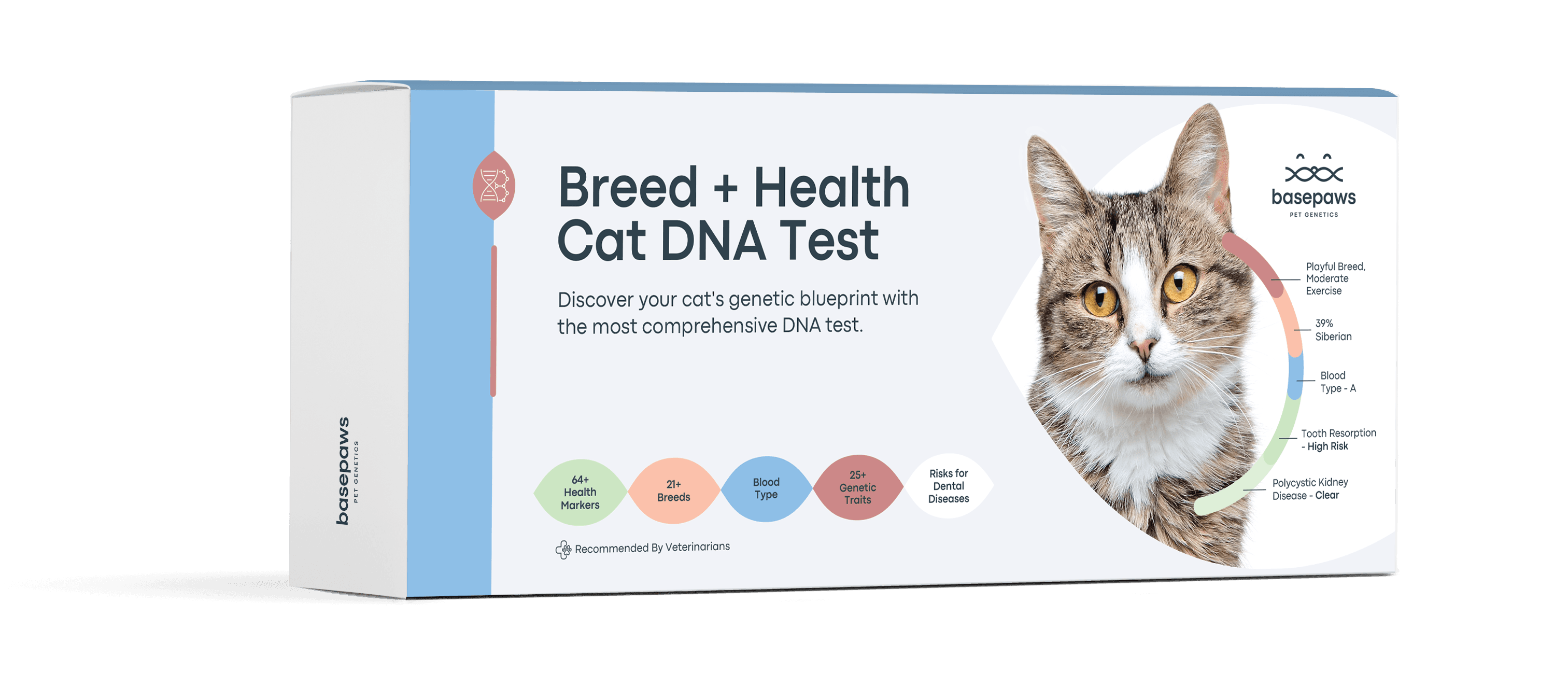
Don't know your cat's breed?
Get our DNA kit!
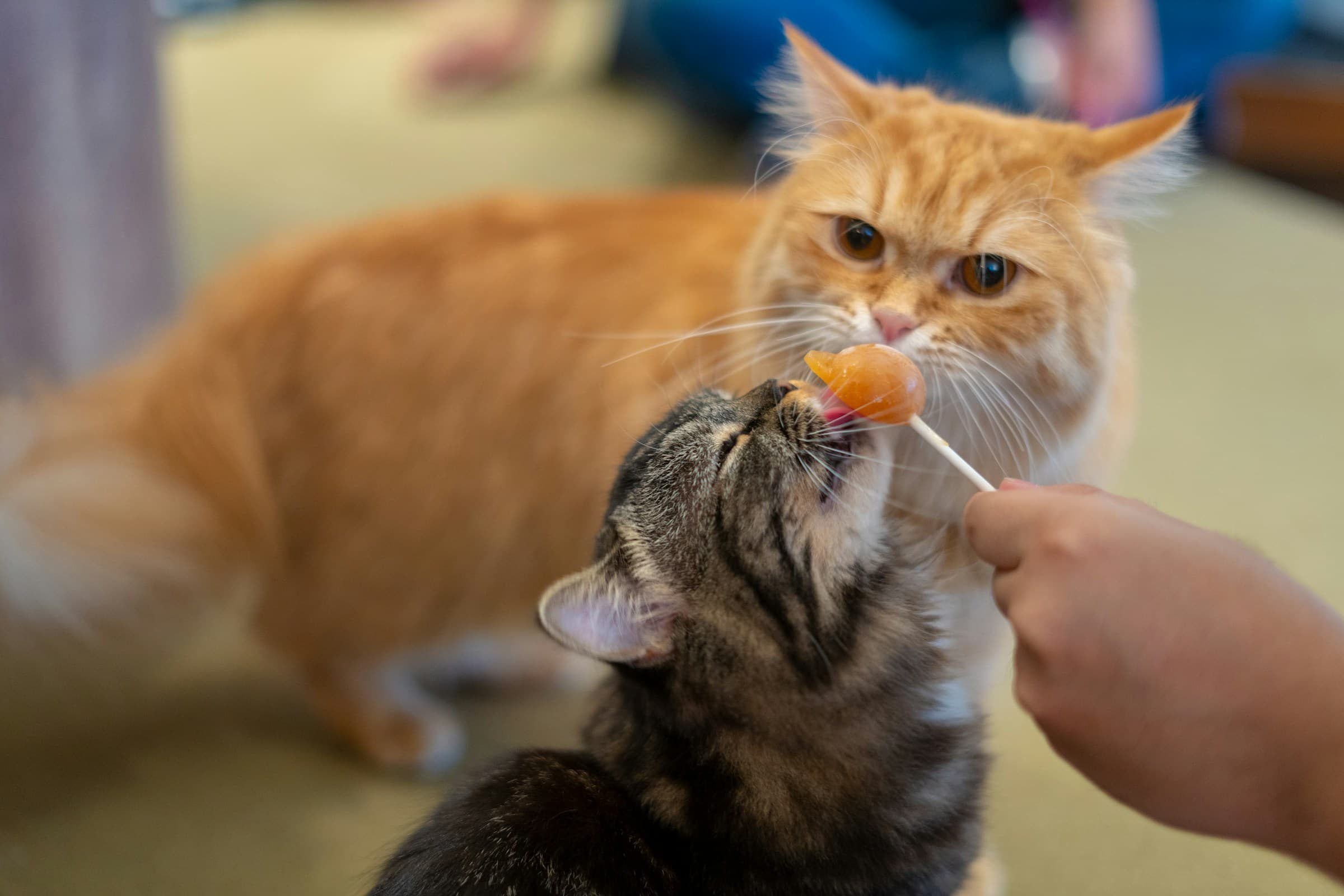
Pampering your cat with homemade treats is a blessing not many cats have. Learn how to make these special treats your cat will certainly enjoy and look forward to.
The nutritional needs of cats go through many changes as they age. They need food that is easier to chew and softer. It should also be high in nutrients. This comprehensive article explains which cat food is best for your senior cat and how to choose the finest product on the market.
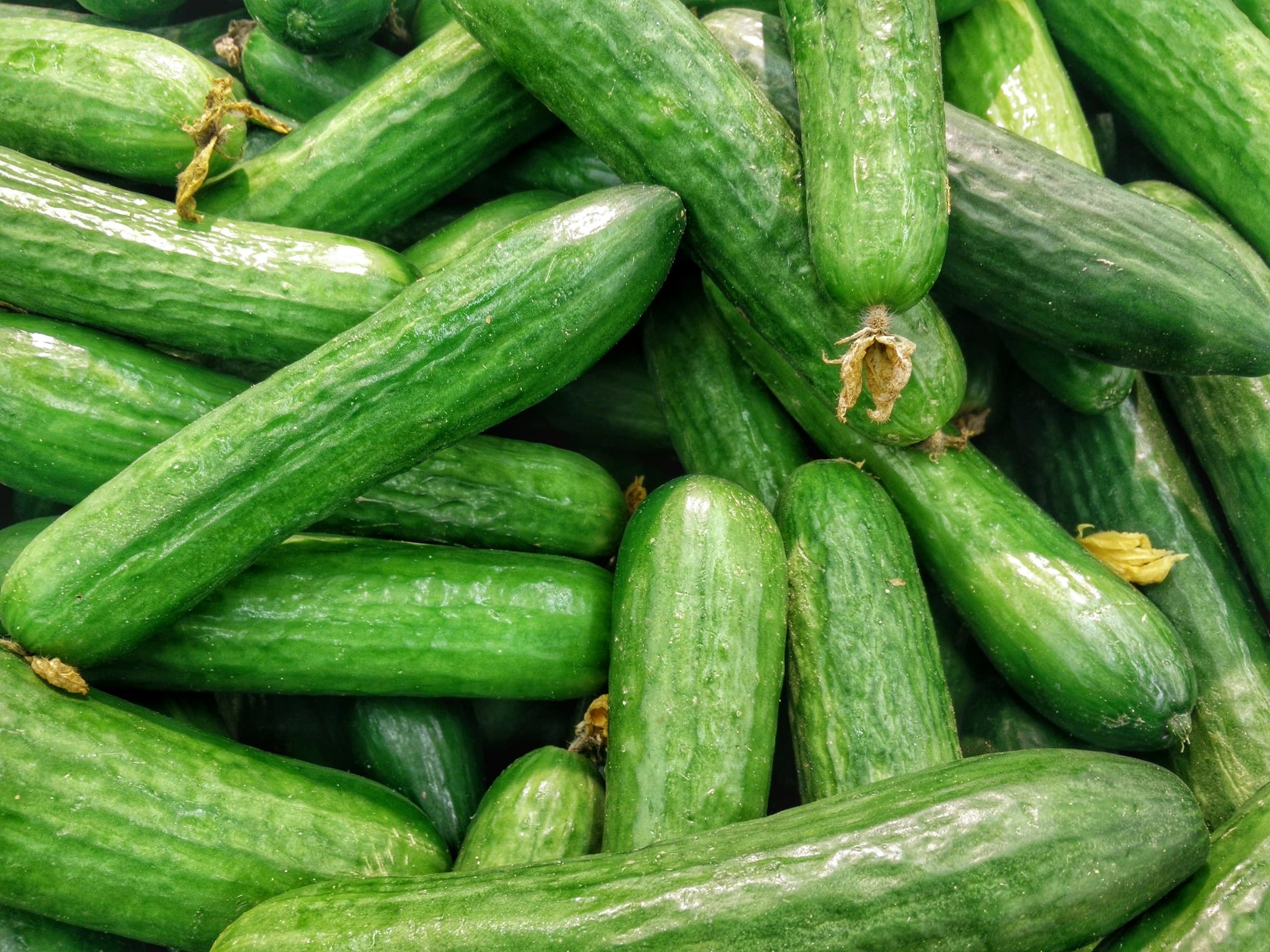
Cucumbers are richly packed with antioxidants, and minerals beneficial to humans. But, can cats have cucumbers? In this article, we tell you the benefits and risks of feeding your cat cucumber.
Cat owners may commonly feel unsure about giving their feline friends a little bit of turkey. This article provides all the necessary details about feeding your cat turkey, including advantages, safety measures, and guidelines. Keep reading to discover all the information necessary for safely giving your cat a treat of turkey.
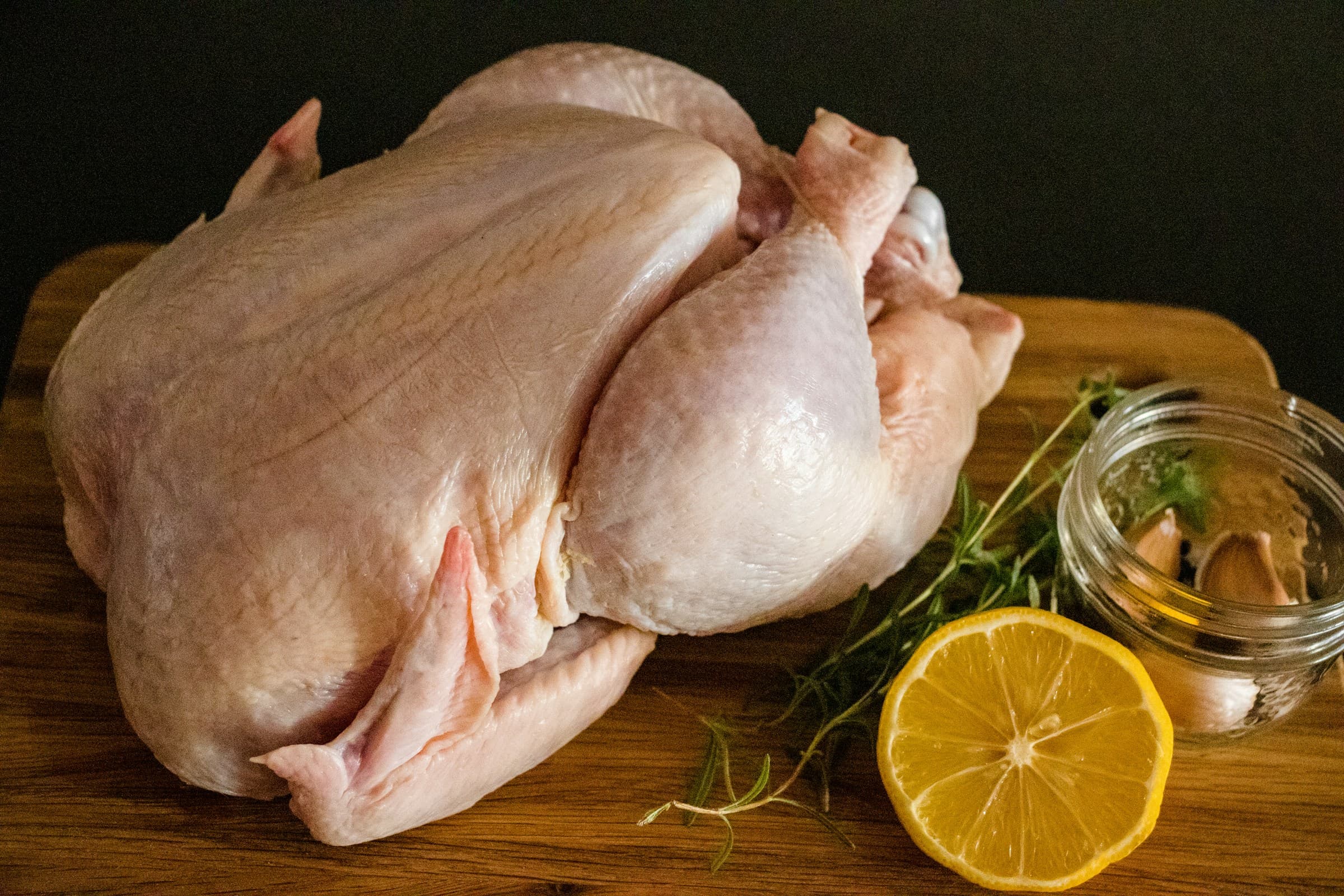
Are you looking for a substitute for that salmon? If so, you could try chicken instead. Eating raw chicken could be beneficial for your cat. Chicken has a lot of protein and taurine (which helps the heart and digestion). However, feeding your cat raw chicken can be dangerous. Therefore, raw chicken eaten by your cat should only be given as part of a balanced diet and follow the guidelines below to avoid choking and illnesses.
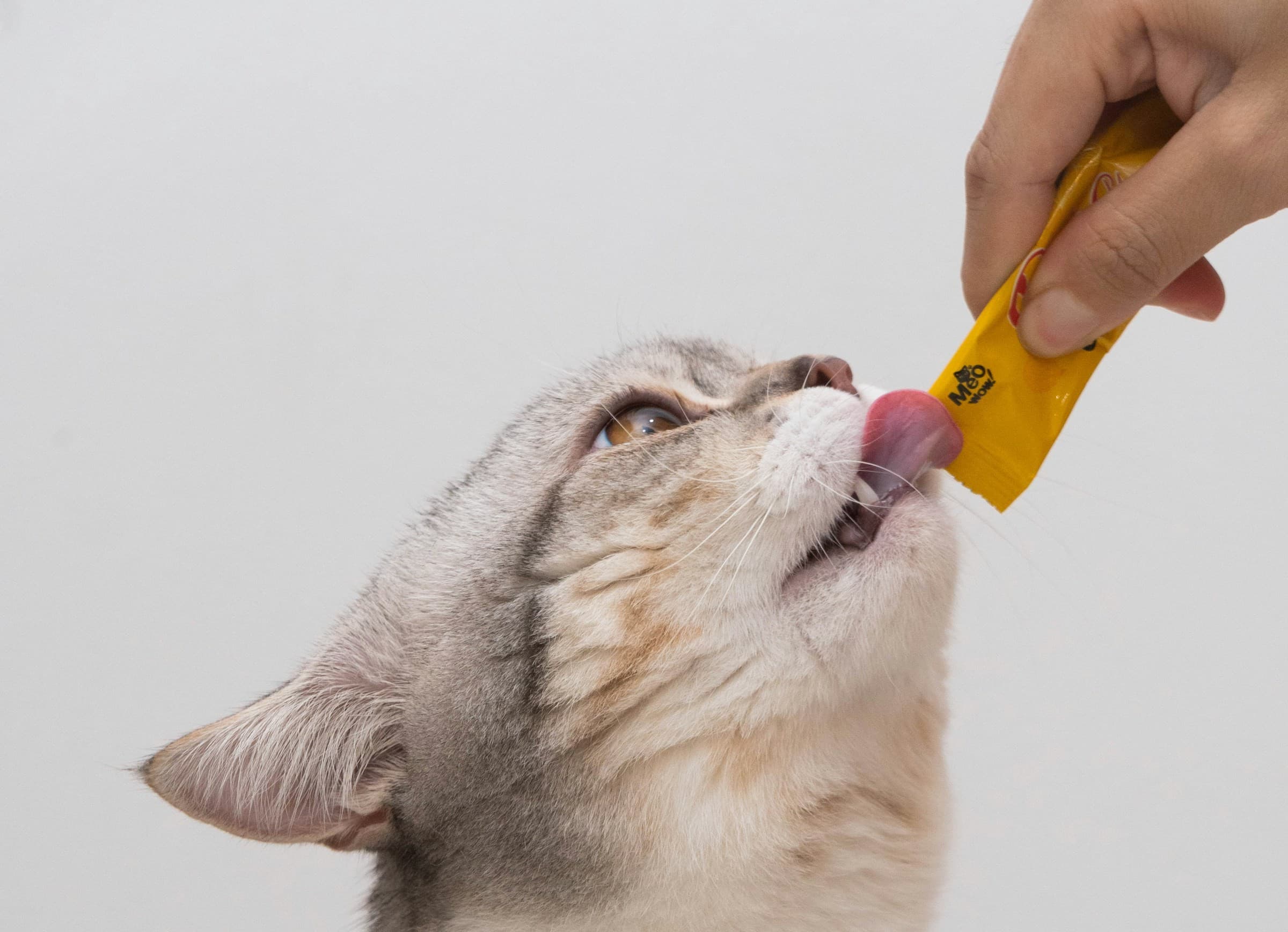
Cats bring comfort and joy to our lives; so it’s important to provide them with love and treats. This article will help you become confident when choosing treats for cats and ensuring the best treat for your companion.
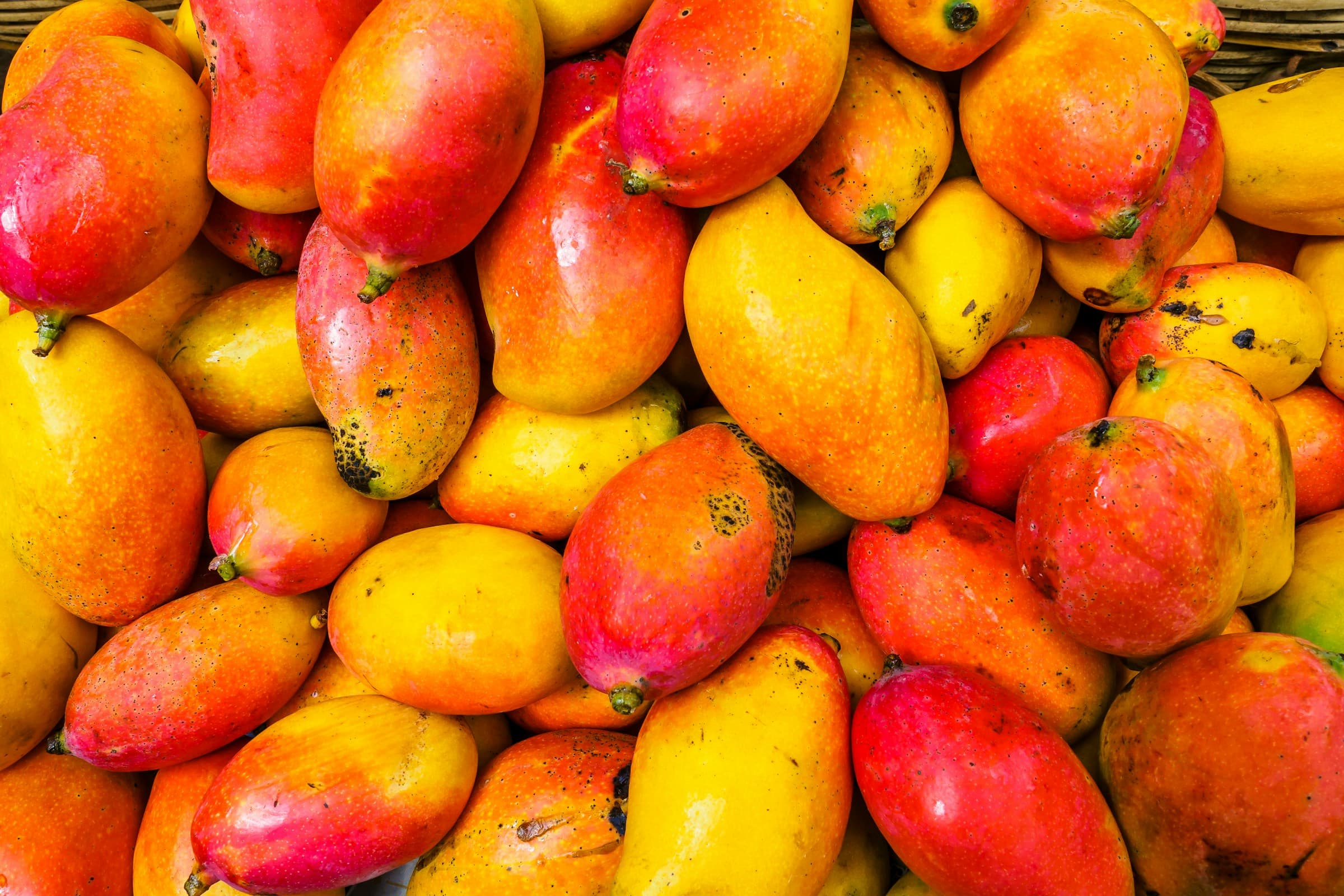
Mangoes are one of the popular tropical fruits loved by humans. But, as a cat owner, can you share this juicy fruit with your feline friend? We show you whether mangoes can be safely consumed by cats.