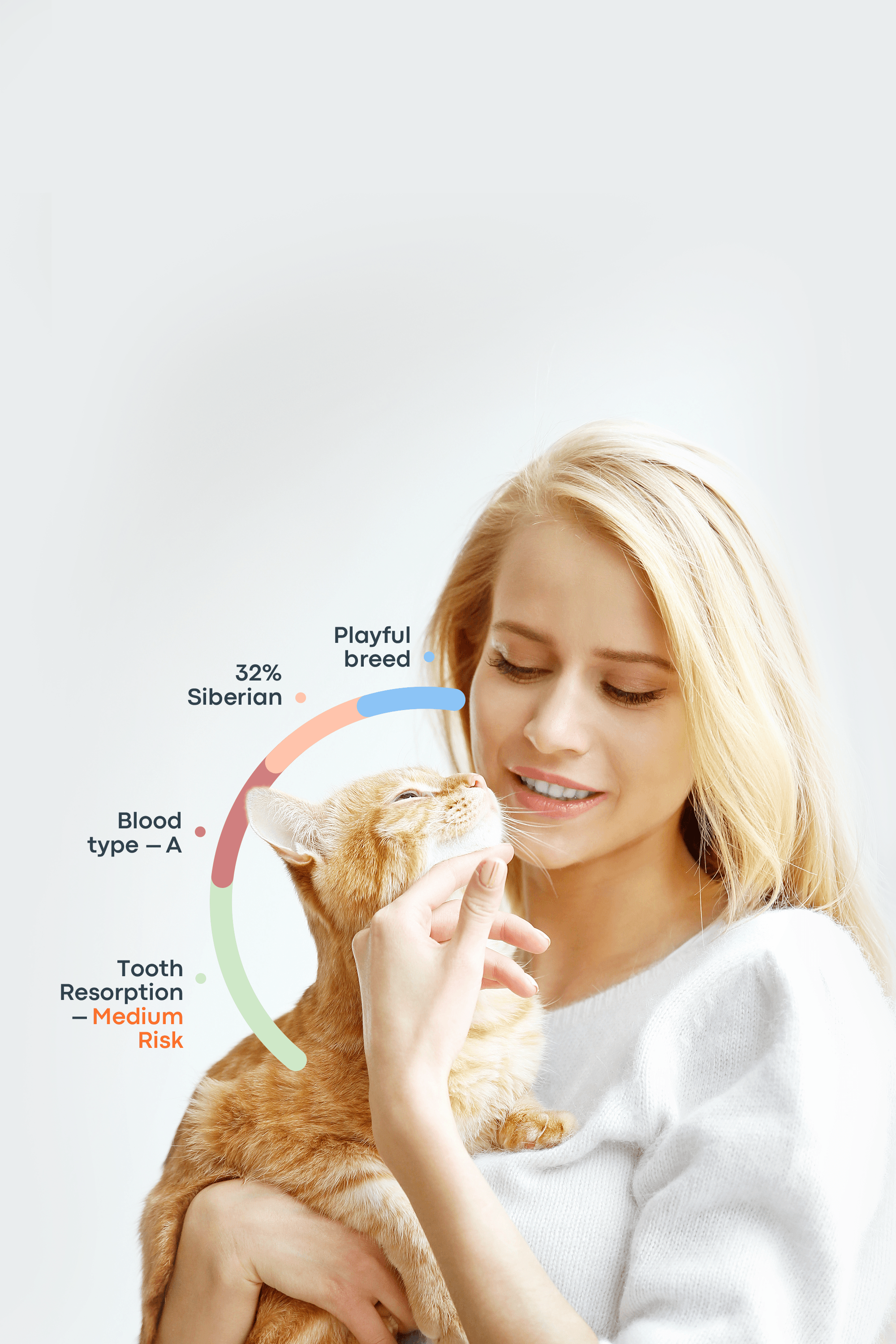
Don't know your cat's breed?
Get our DNA kit!

Cats are famously known for their independent nature and curious personalities, but how are they really? It turns out cats possess sophisticated brains that rival those of many mammals. In fact, cats have been found to be like some primates — making them one of the smartest domesticated animals in existence.

Cats are mysterious creatures and often can seem to want to keep us guessing. One of their many mysteries is the question, why do cats have tails? It is widely known that cats have tails, and not all animals do. It's even harder to comprehend how they are unique to cats and their purpose in a cat's life.

Weight is one of the most important indicators of a cat's health. If a cat becomes too heavy or too thin in its adult years, this can signal a malfunction in the body or indicate the need for a change of lifestyle and diet.
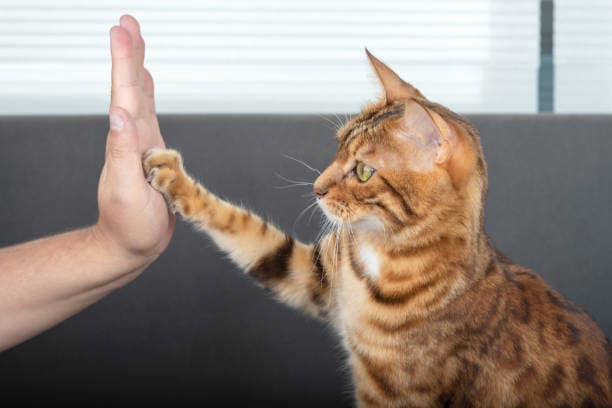
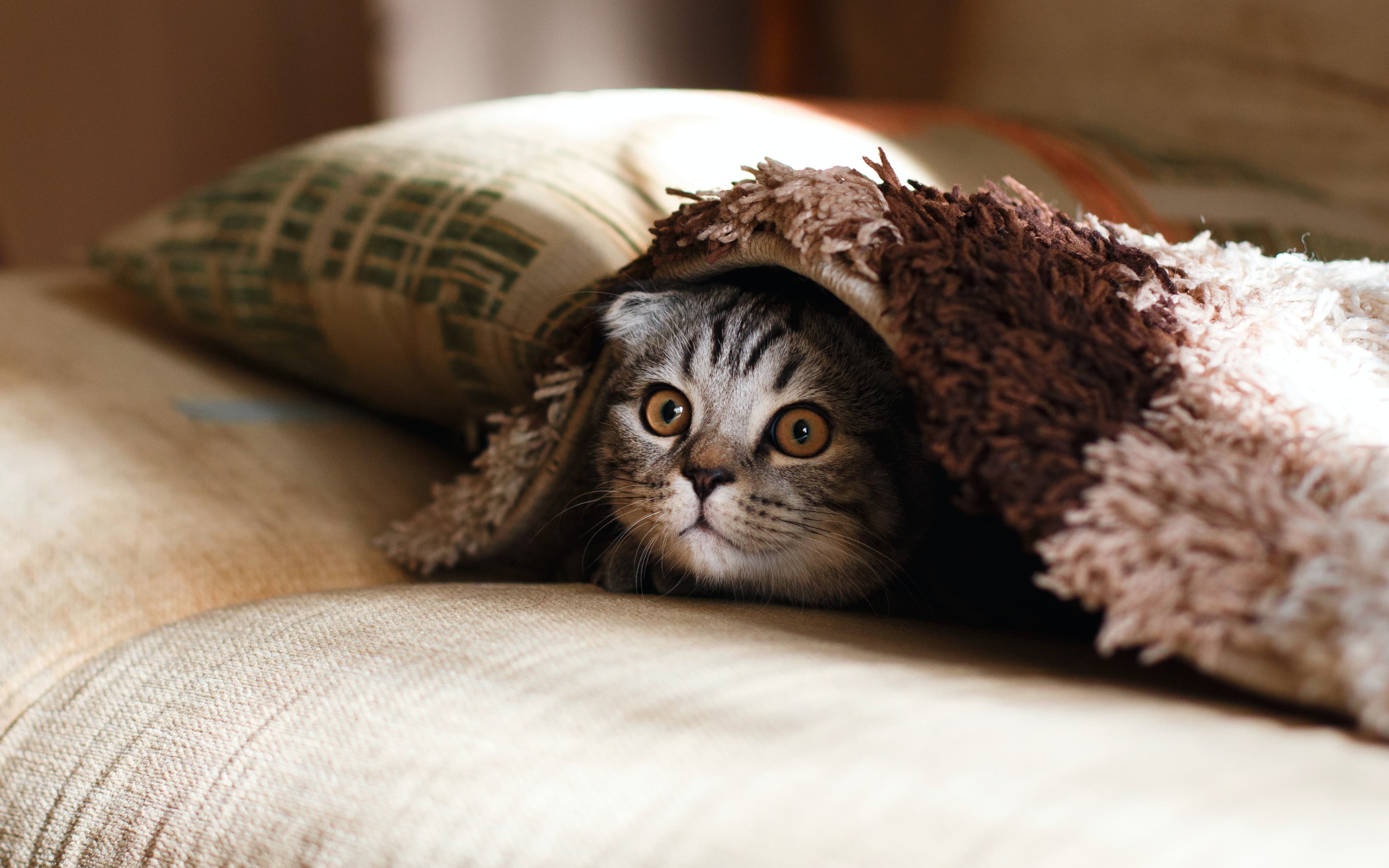
Cats communicate through a variety of body language cues such as tail position, ear movement, eye gaze, and fur texture. Understanding these cues can help us better interpret a cat's mood and intentions. For example, a relaxed cat may have a loose tail and relaxed ears, while a dominant cat may have a straight, upright tail and forward-facing ears. Additionally, a cat's behavior such as lying down or sitting can also indicate their state of mind. Understanding cat body language can improve communication and strengthen the bond between cat and owner.
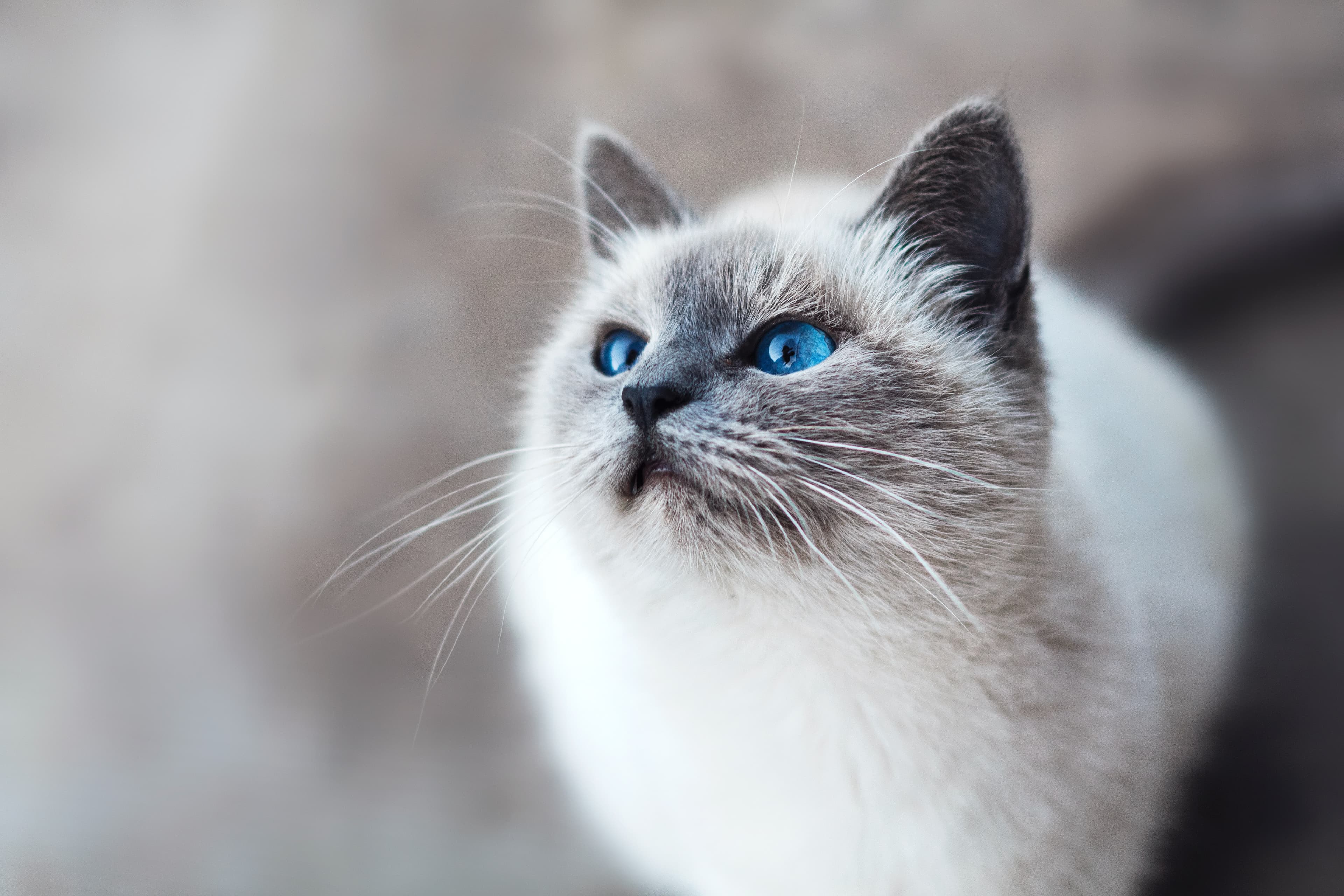
Some time ago it was considered that felines do not really distinguish colors. Scientists back in time thought that cats can only perceive black-and-white gradients.
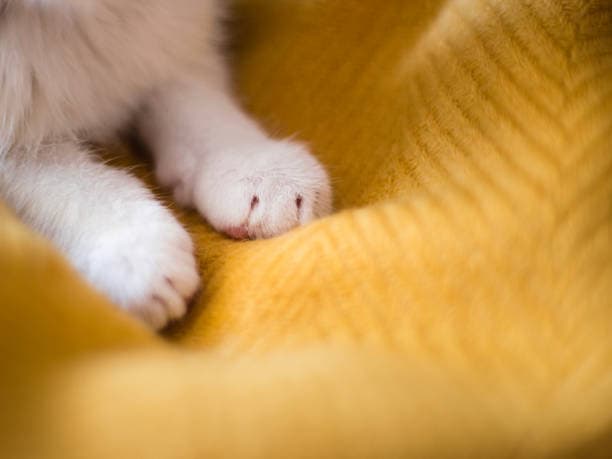
Have you ever wondered why your feline friend pushes its paws against your lap or a soft blanket? It's a behavior known as kneading, and it's a sign of love and affection.
A cat purring is a distinct vibrating sound of varying duration, often in a low pitch, that is generated by vibrations in the range of 20 to 50 hertz (according to Elisabeth von Muggenthaler, a bioacoustic specialist at the Fauna Communication Institute in North Carolina). This mode is pleasant to the human ear, it does not cause anxiety and irritation. This article will help answer two main questions. “Why do cats purr?” and “How do cats purr?”

Discover how much sleep cats need, why they sleep so much, and the impact of their sleeping patterns on their overall health and well-being.