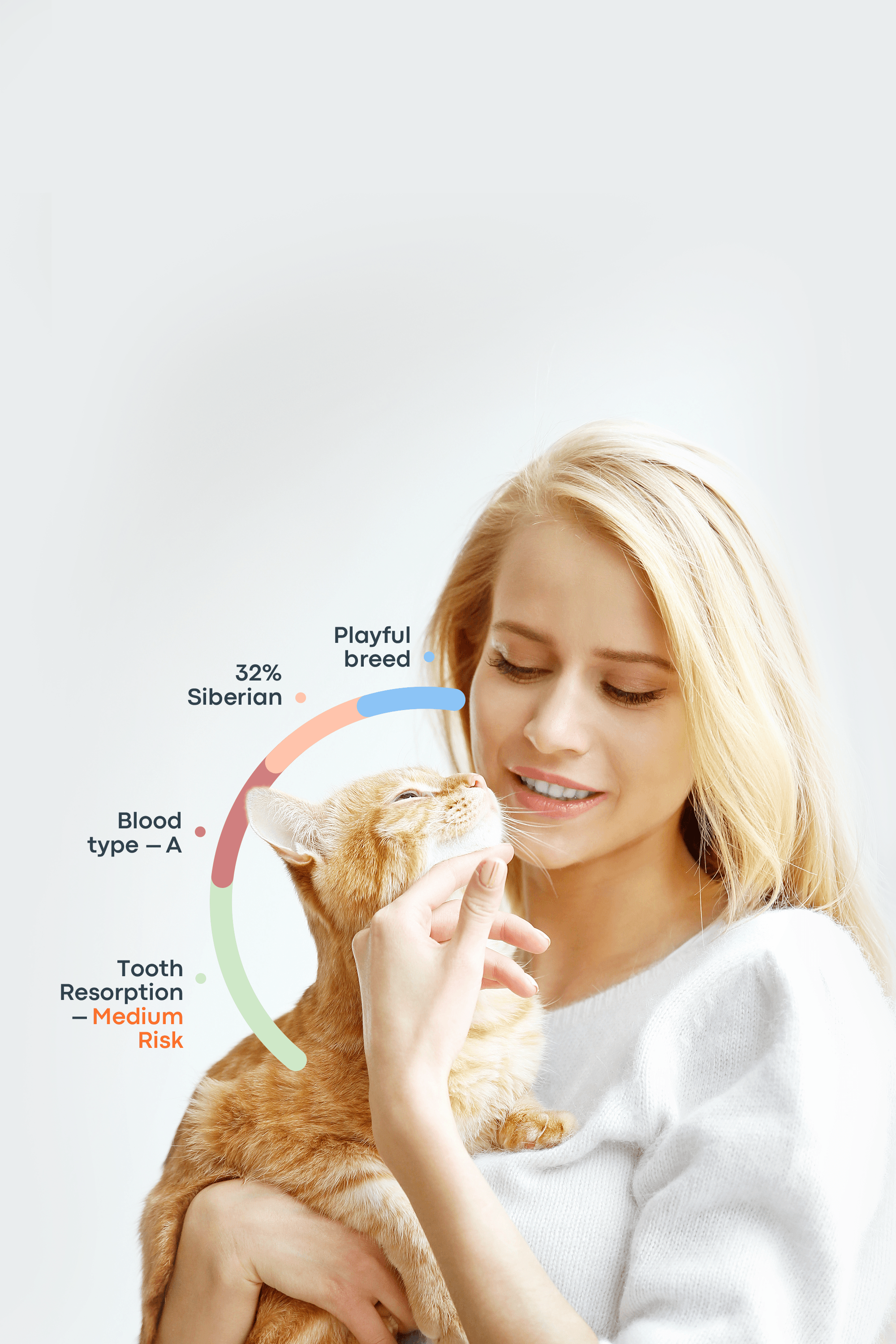
Don't know your cat's breed?
Get our DNA kit!
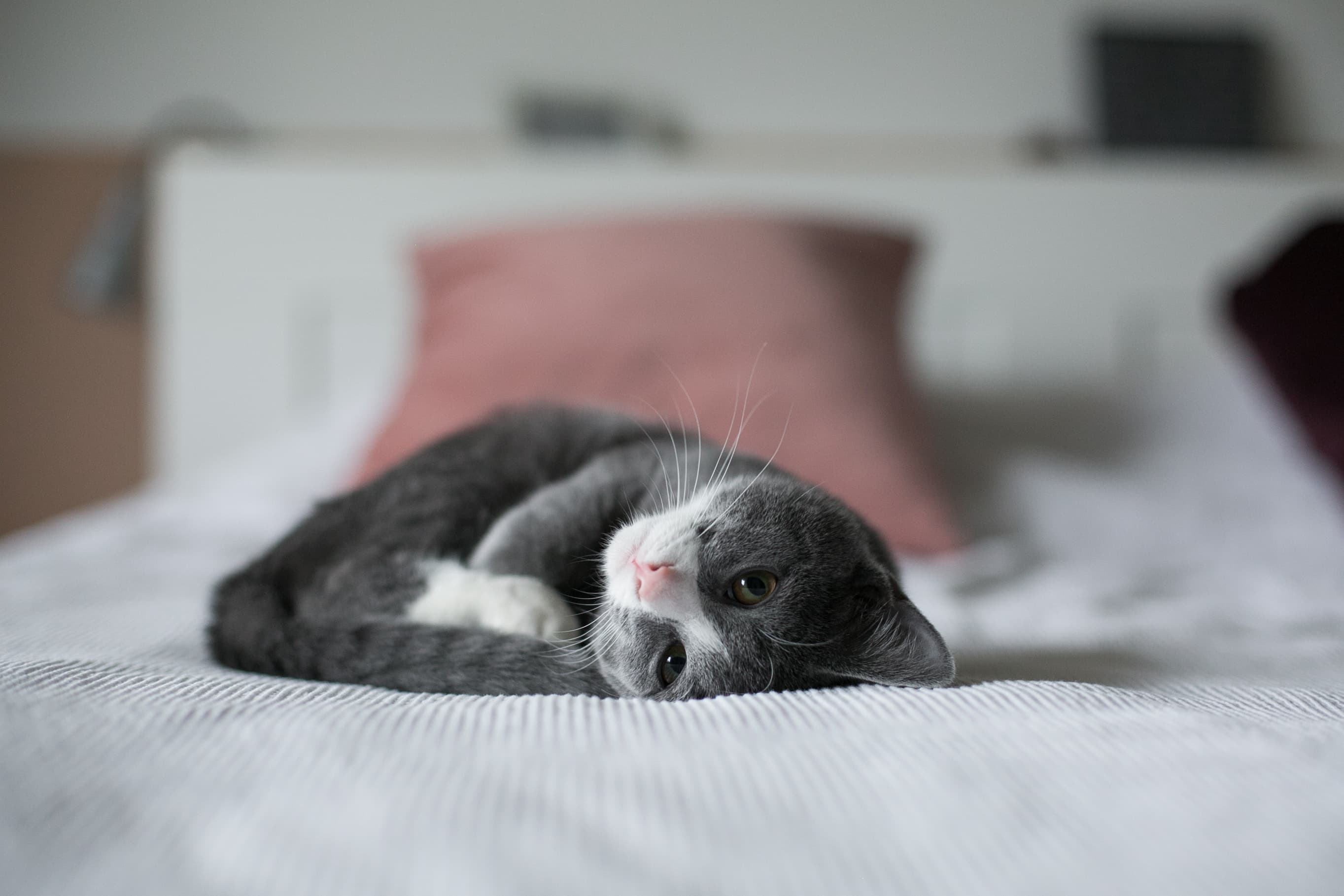
Creating the perfect sleeping environment for your kitten is not just about comfort, but also about safety and adjusting to their unique needs. Whether it's the first night or any night thereafter, the goal is to provide a space where your kitten feels secure, loved, and part of the family.
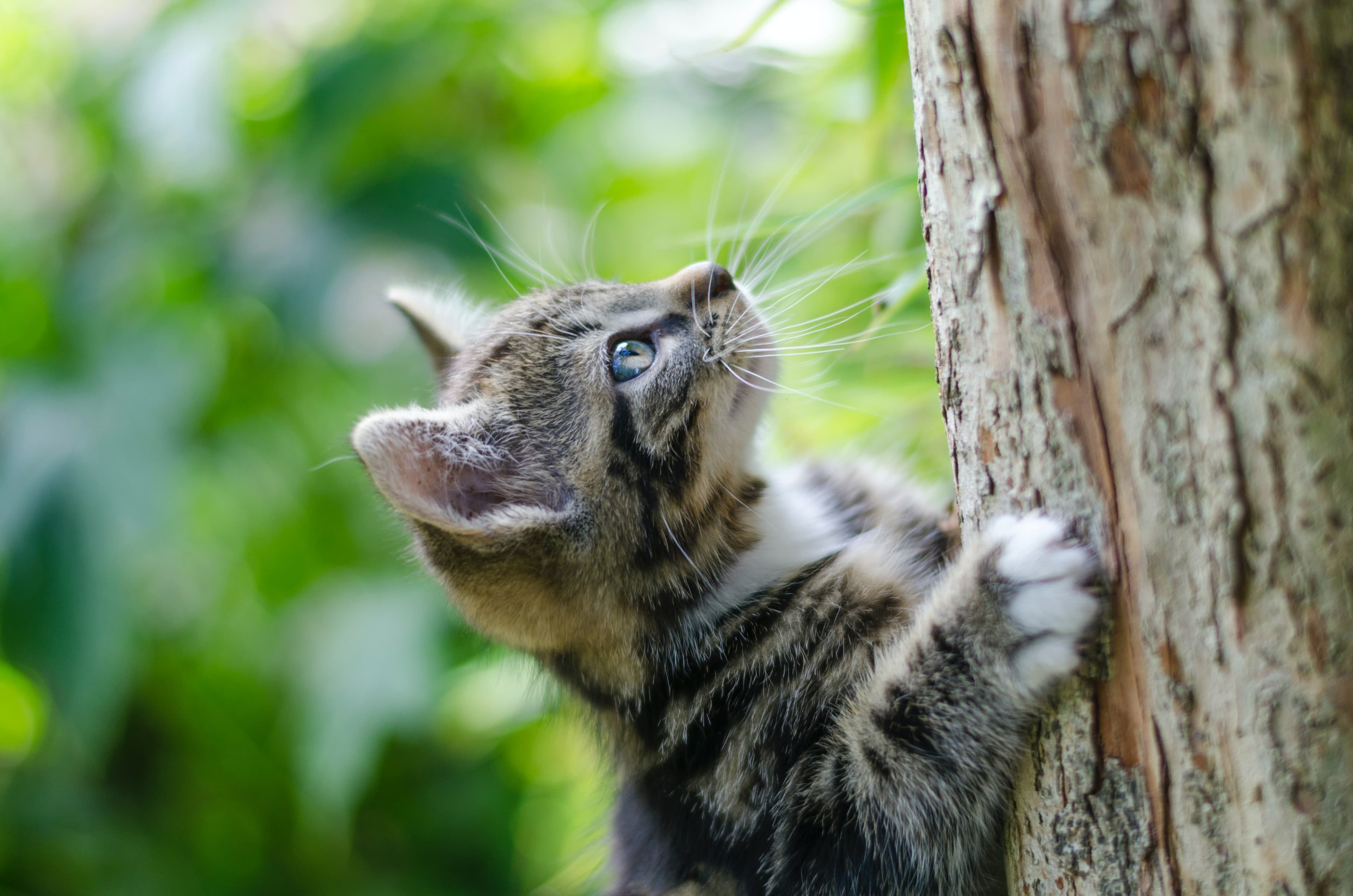
Cats are natural hunters, and their bodies are designed for bursts of energy followed by periods of rest. This pattern aligns with their crepuscular nature, being most active at dawn and dusk. Regular physical activity helps in managing their weight, keeping their joints healthy, and reducing the risk of diseases like diabetes and heart conditions.
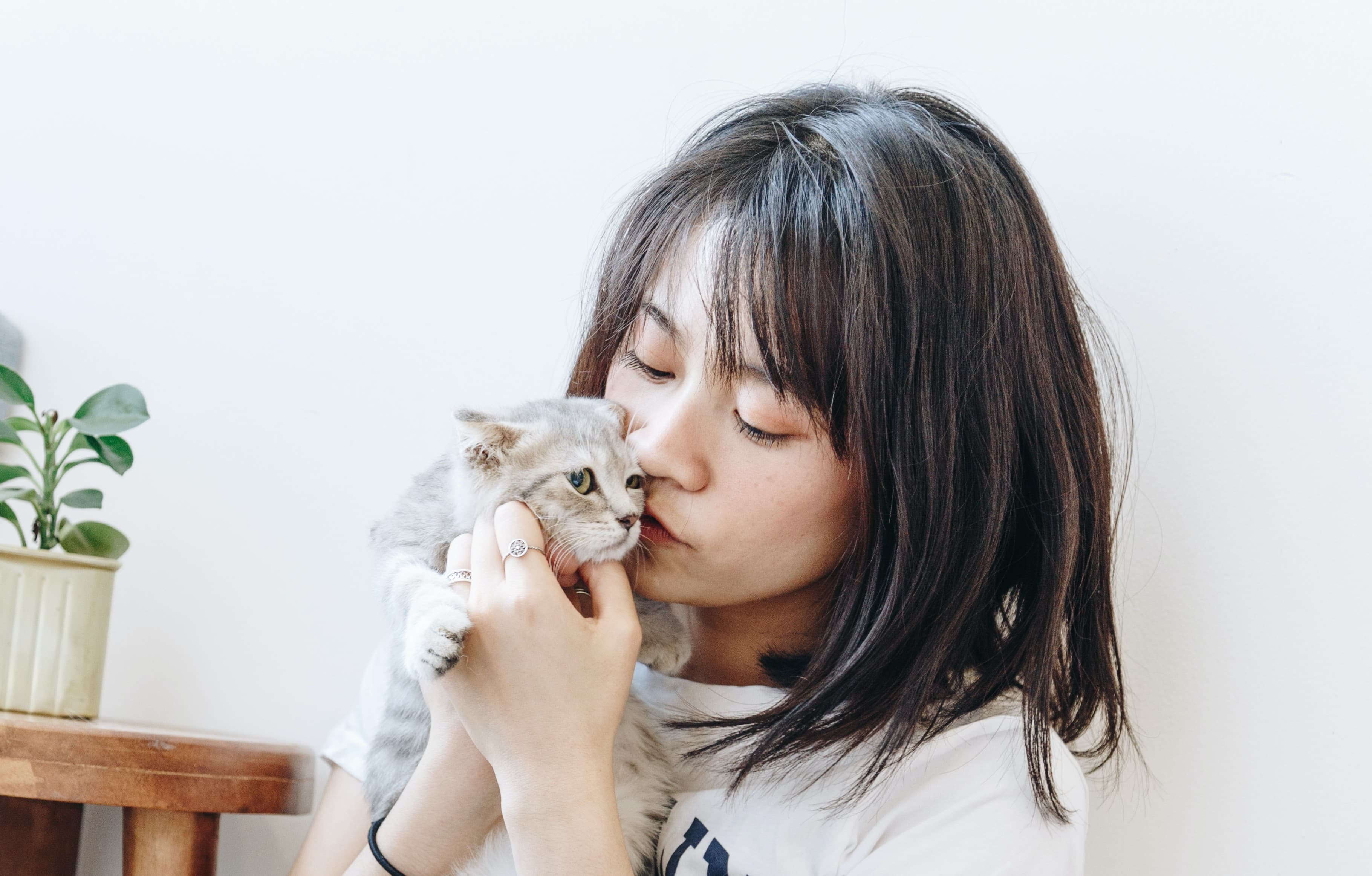
Understanding how cats perceive human kisses involves delving into their unique language of affection. While cats may not comprehend kissing as humans do, they sense the affection behind it, often responding with their own gestures like purring and head bunting. Recognizing and respecting each cat's preferences and boundaries is essential for nurturing a strong bond.
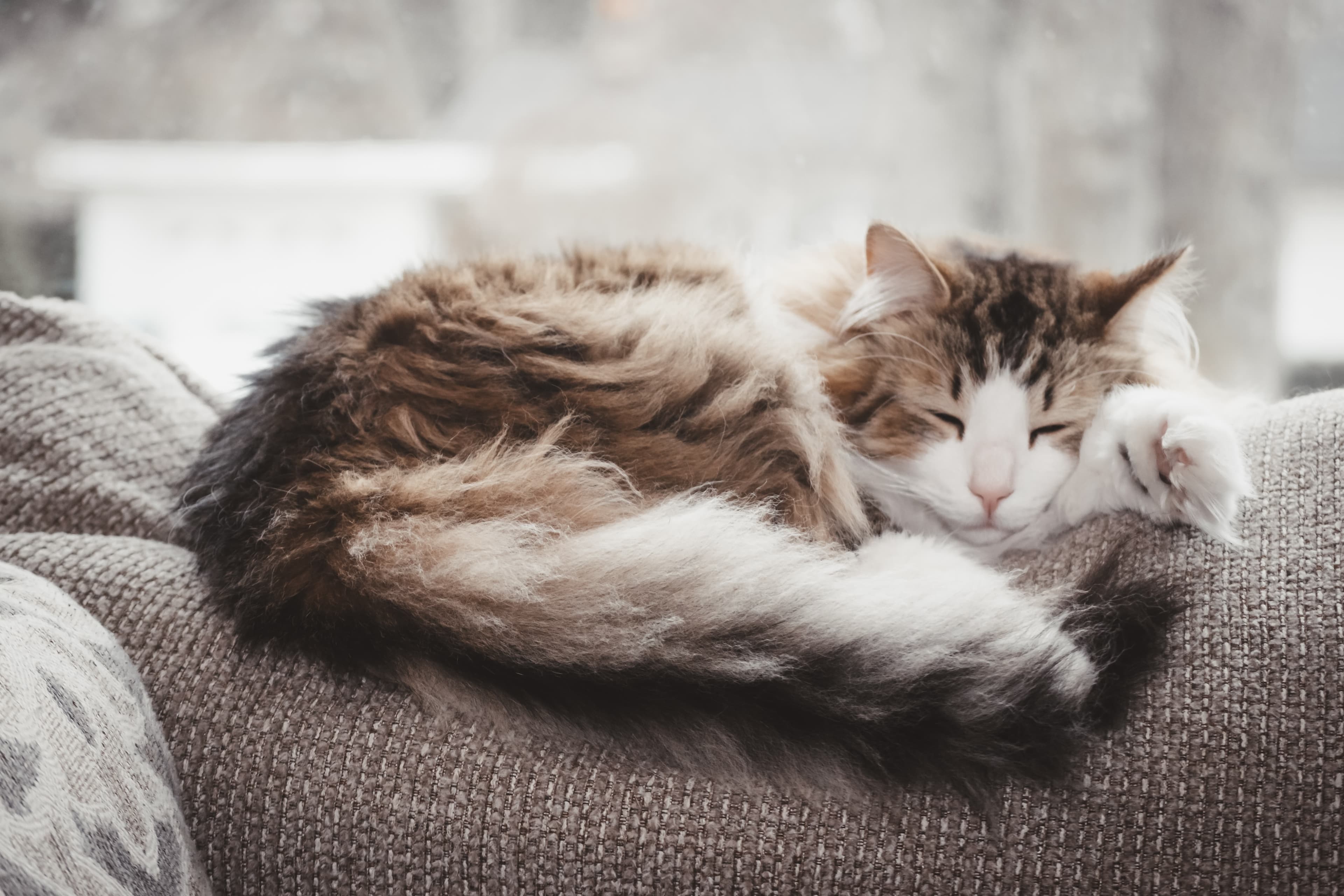
With their instinctual behaviors, cats choose specific sleeping positions for various reasons. Whether it's the warmth-seeking loaf or the trust-indicating belly-up posture, each position speaks volumes about their state of mind.
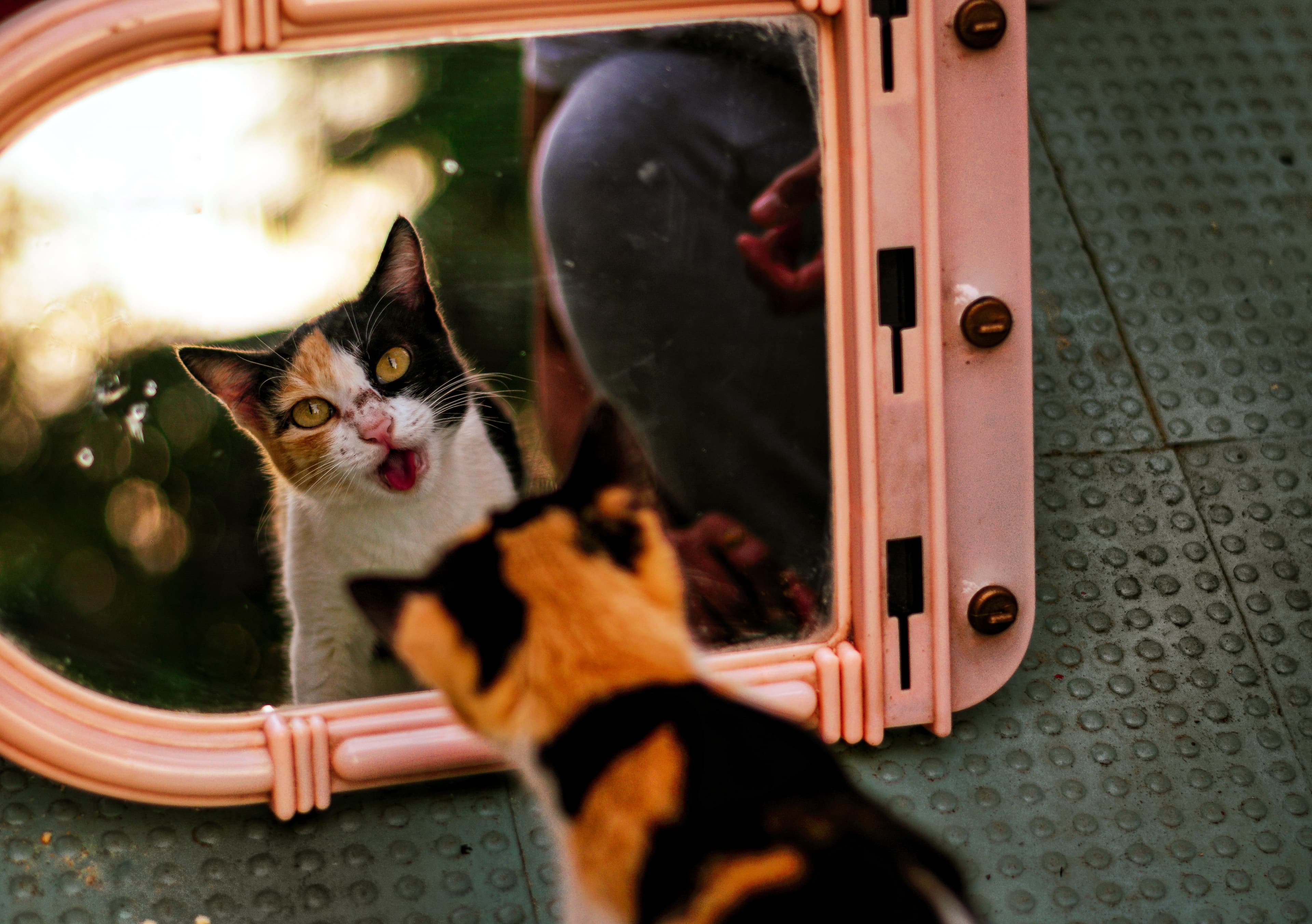
With their enigmatic personalities and complex behaviors, cats have always fascinated us. One question that often arises in the minds of cat owners and animal researchers alike is: Do cats recognize themselves in mirrors? This question probes not just at the cognitive abilities of our furry friends but also touches upon their sense of self-awareness.

What do you know about the cute and mysterious habit of cats sitting in a loaf position with their paws tucked underneath. There are several possible reasons for this behavior, including comfort, thermal regulation, and alertness.
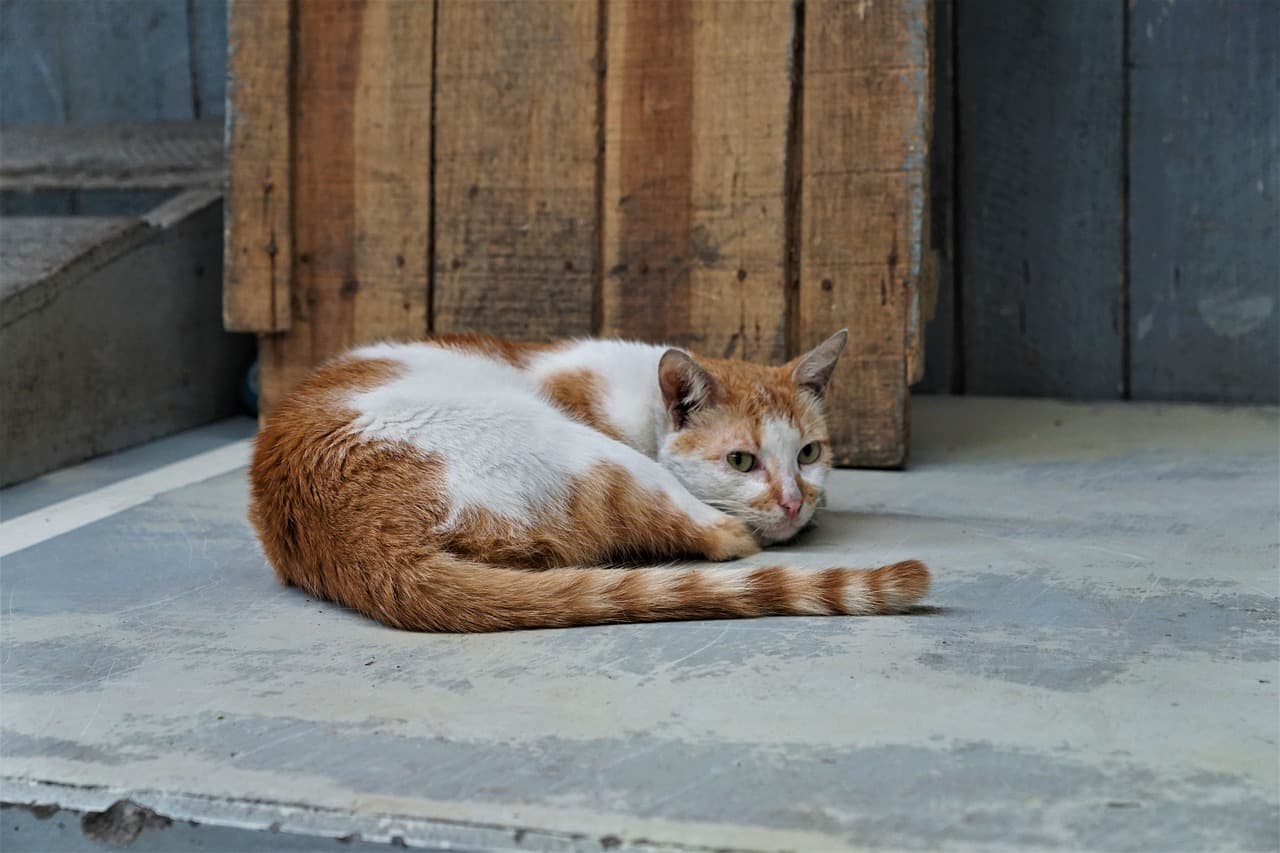
The body language of your cat's tail might reveal their mood. Though not the information every cat parent knows, it could be extremely useful for your shared happiness. Cats can’t learn our language so we should learn theirs.
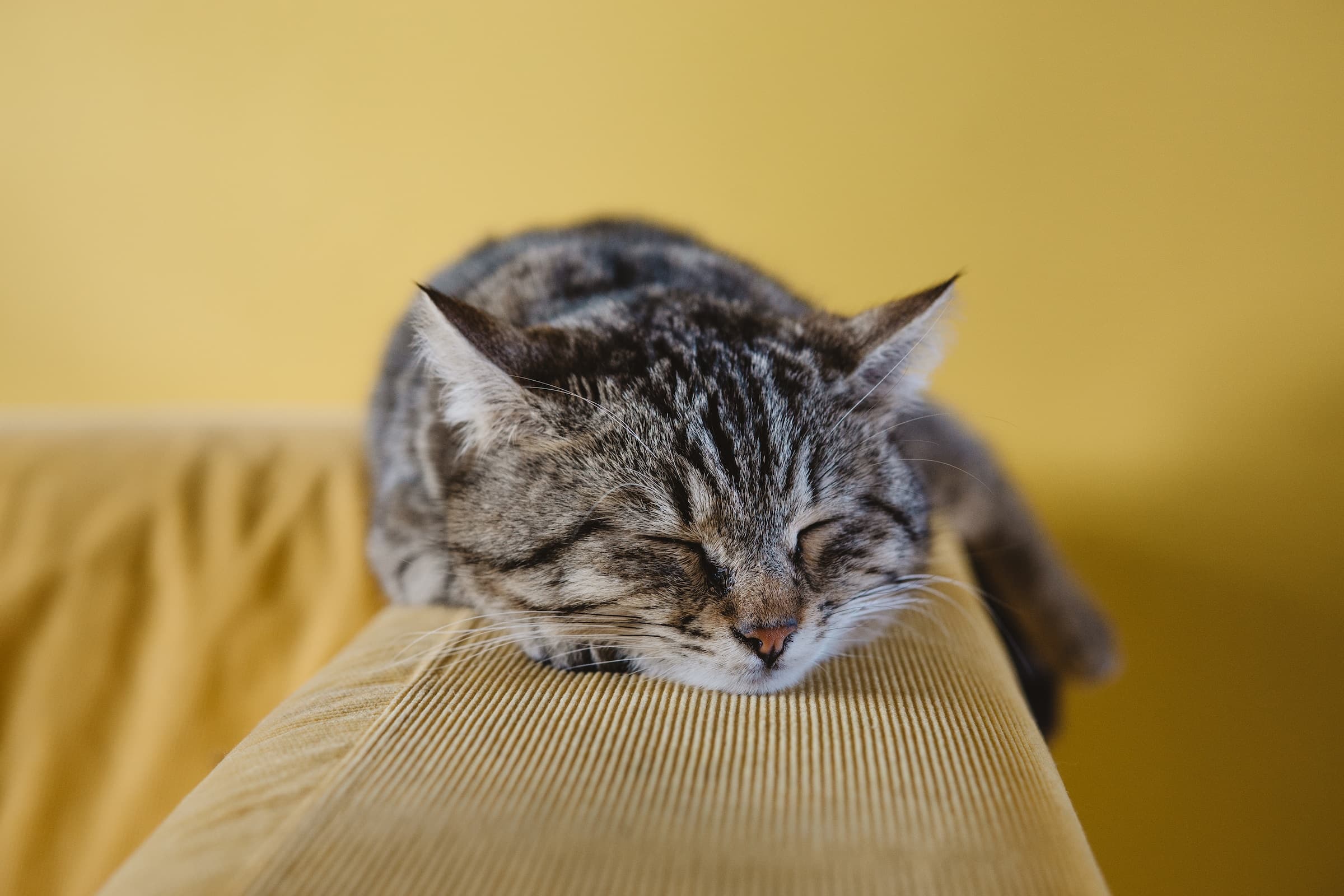
Cats sleep around 18 hours a day, which is more than most mammals and twice as much as humans. With such an amount of sleep, do cats dream too? In this article, we explore cats’ sleeping behaviors and cycles to understand if they dream and what they dream about.