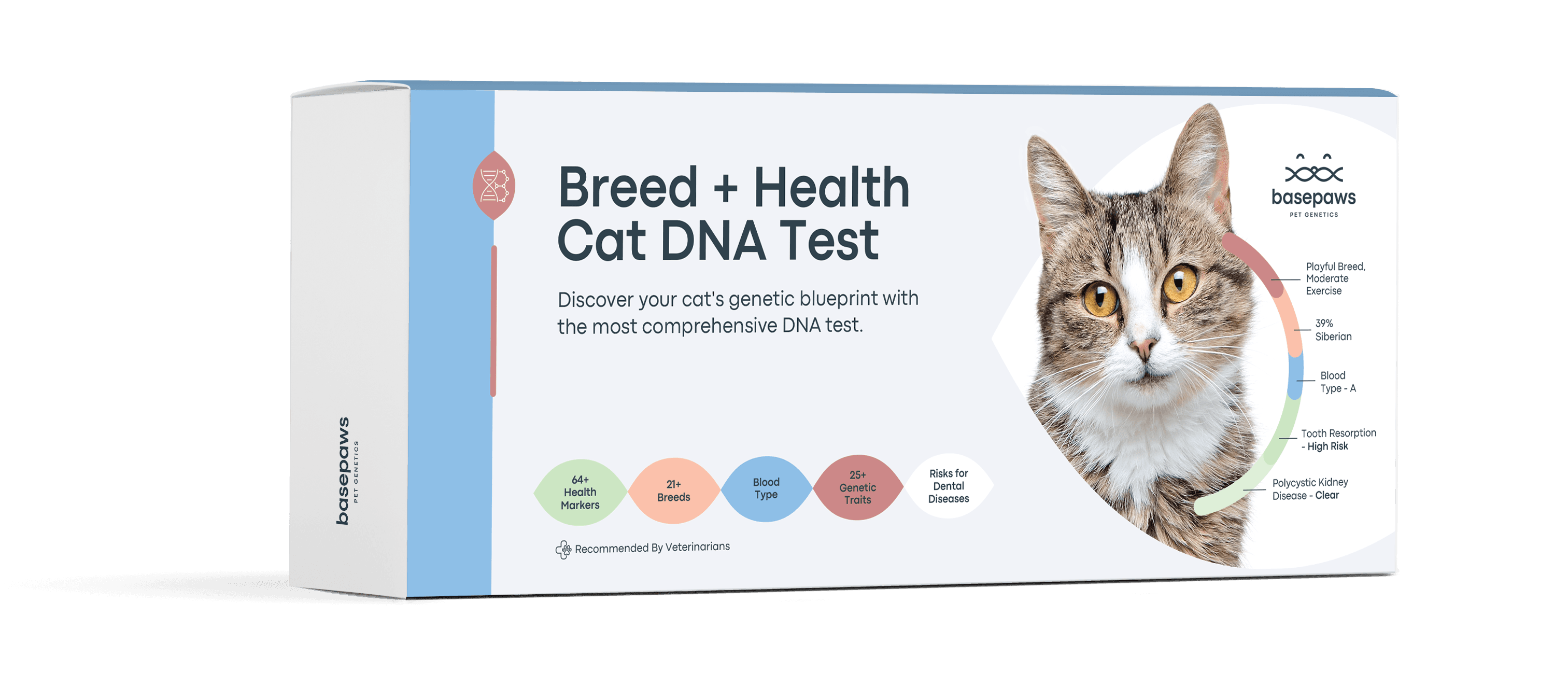
Don't know your cat's breed?
Get our DNA kit!
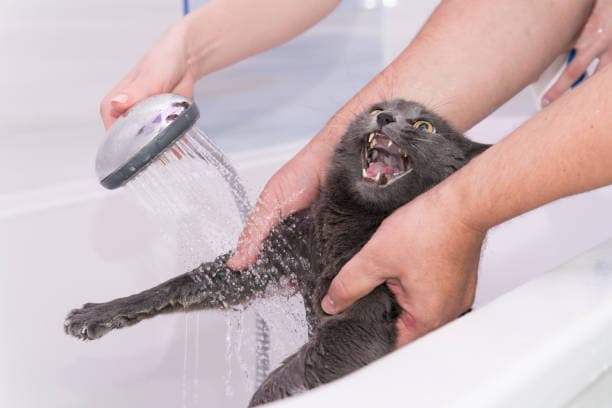
It is difficult to find another creature as cute and wayward at the same time as a cat. If the animal does not like something, he immediately demonstrates it to the owner. Pets do not favor bathing and in every possible way avoid this procedure. Why do cats dislike water and is it possible to overcome this fear?
This article serves as a comprehensive guide on maintaining your cat's coat and overall hygiene through regular grooming practices. It covers simple grooming procedures, advanced methods, and hints for a pressure-free grooming session, thereby ensuring the happiness of your cat.
This article is for cat owners seeking practical advice for cleaning their cat’s ears at home. From step-by-step instructions to details about cleaning supplies, signs of ear infections and tips for great ear hygiene, this article has it all.
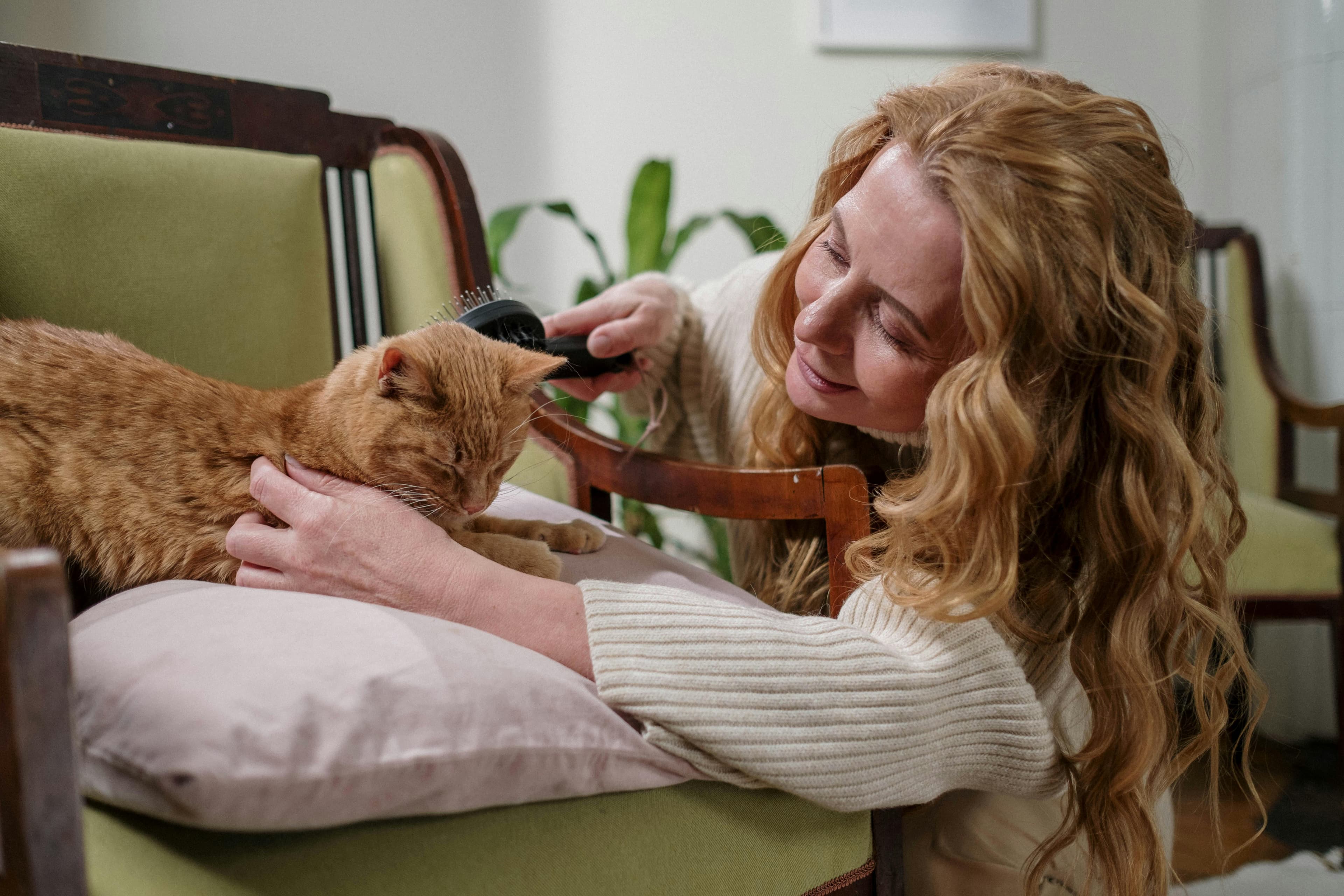
The article provides insights into the benefits of cat grooming and an extensive guide on how to groom a cat. From bathing and brushing to nail trimming, dental care, and ear cleaning, you can read up on the essentials of cat grooming that help keep them healthy and happy.
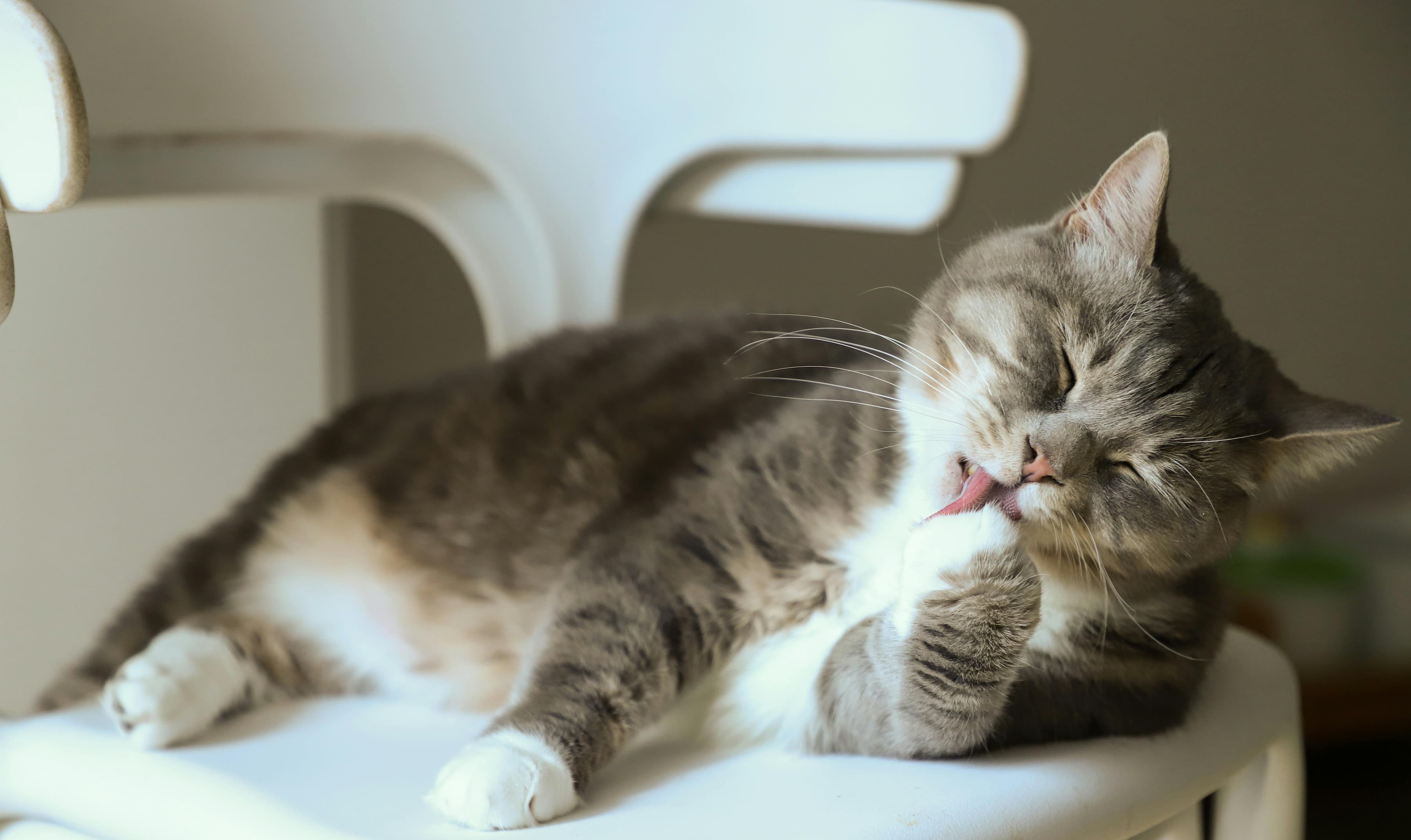
Cats and hairballs are closely associated with each other. When hair gathers in their stomach, it is regurgitated as a hairball. Here are some methods for cat owners to avoid hairballs and treatment options for serious cases.
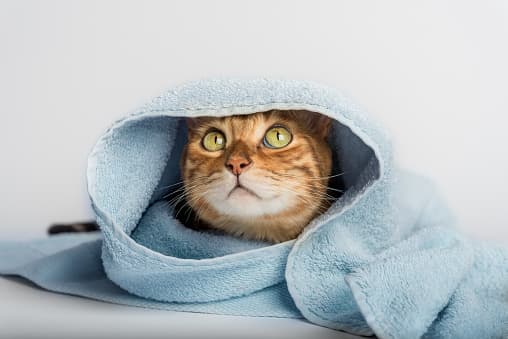
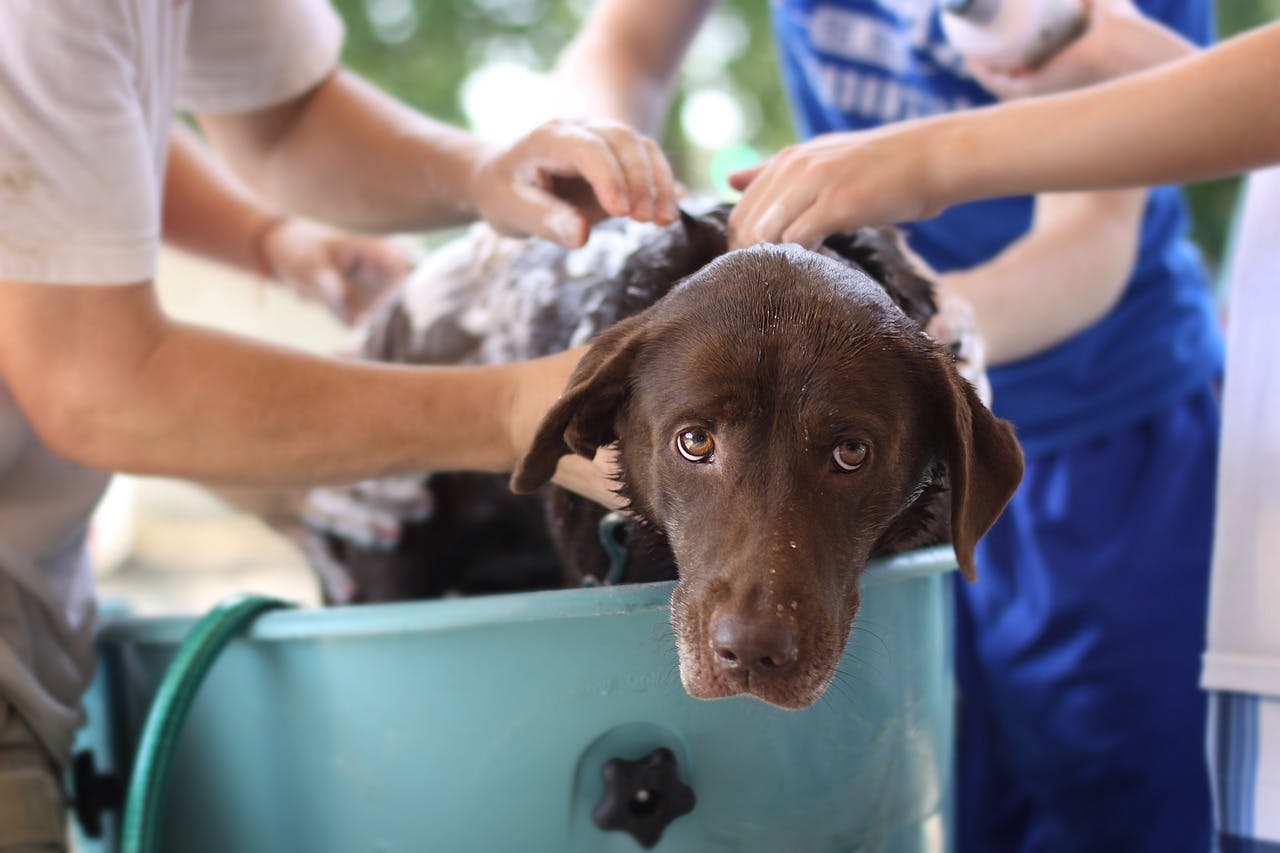
Whether it is necessary to bathe cats or whether the pet is able to keep the coat clean on its own, how often it is necessary to make a full bathe - these questions concern every pet owner. Despite the excessive cleanliness of a pet, periodic bathing in the bathroom is a necessary measure that should become an obligatory step in regular pet care.
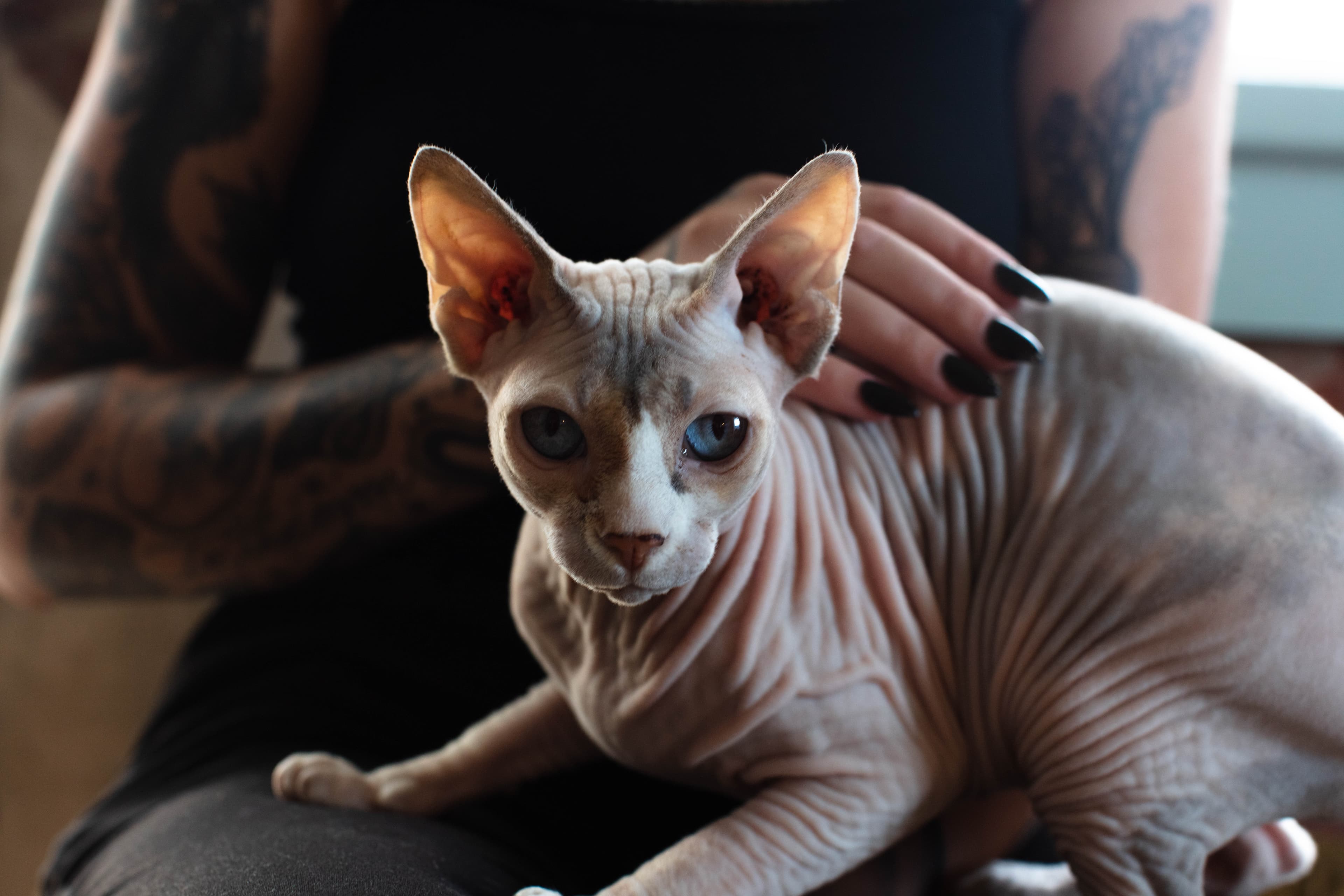
The Sphynx cat, celebrated for its unique hairless appearance, arises from a rare genetic mutation. Known for their affectionate nature, Sphynx cats require specialized care, including a tailored diet, regular skin grooming, and attention to their health and environmental needs. Embracing these aspects ensures these charming cats lead happy, healthy lives.