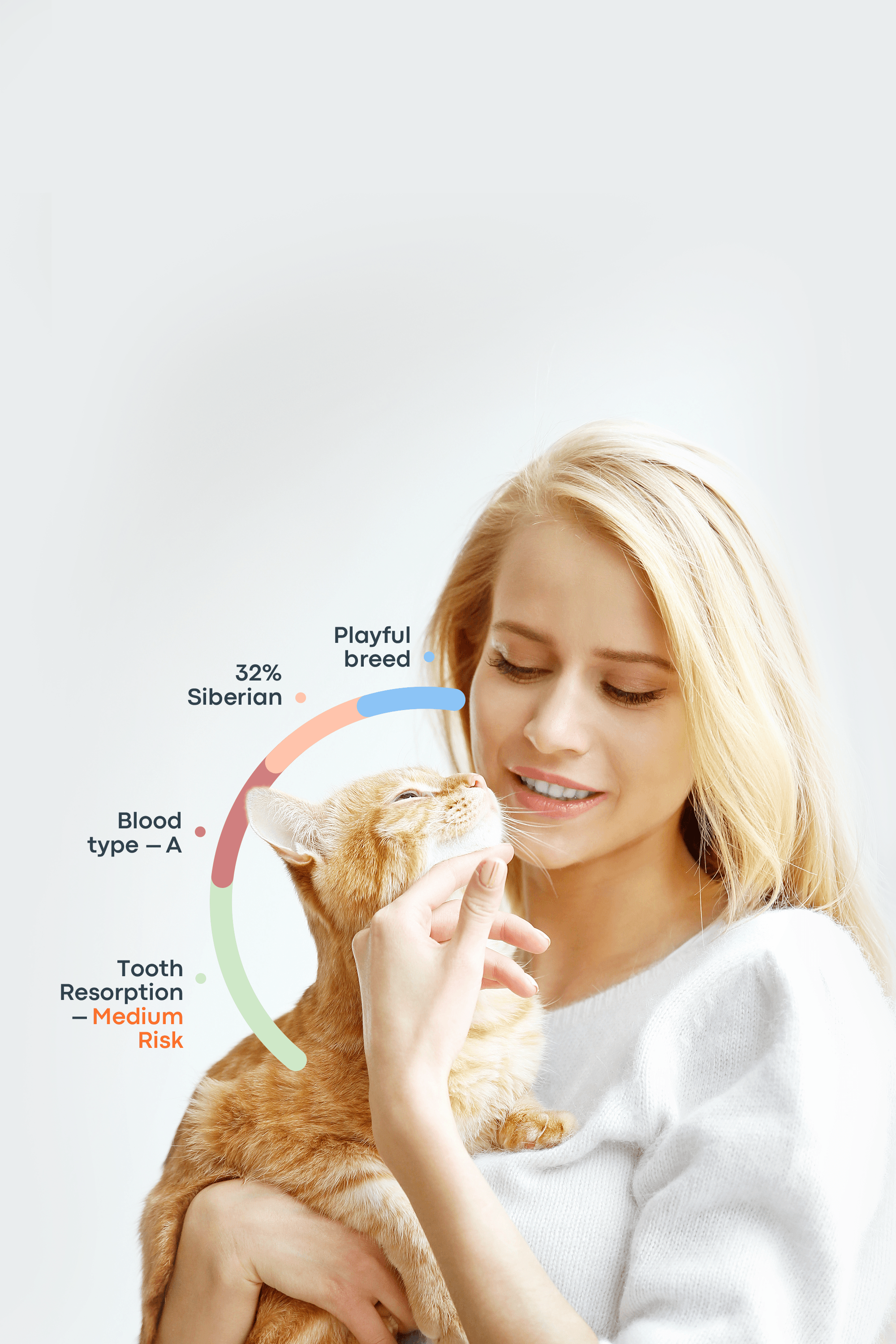
Don't know your cat's breed?
Get our DNA kit!

Cats love exploring their surroundings, and that curiosity sometimes leads them to chew on houseplants. While some plants are harmless, others can be toxic to cats. Tulips are among the plants that can pose a risk to feline health. In this guide, you'll learn whether tulips are safe for cats, which parts of the plant are most dangerous, the signs of tulip poisoning, and what steps to take if your cat eats any part of a tulip.
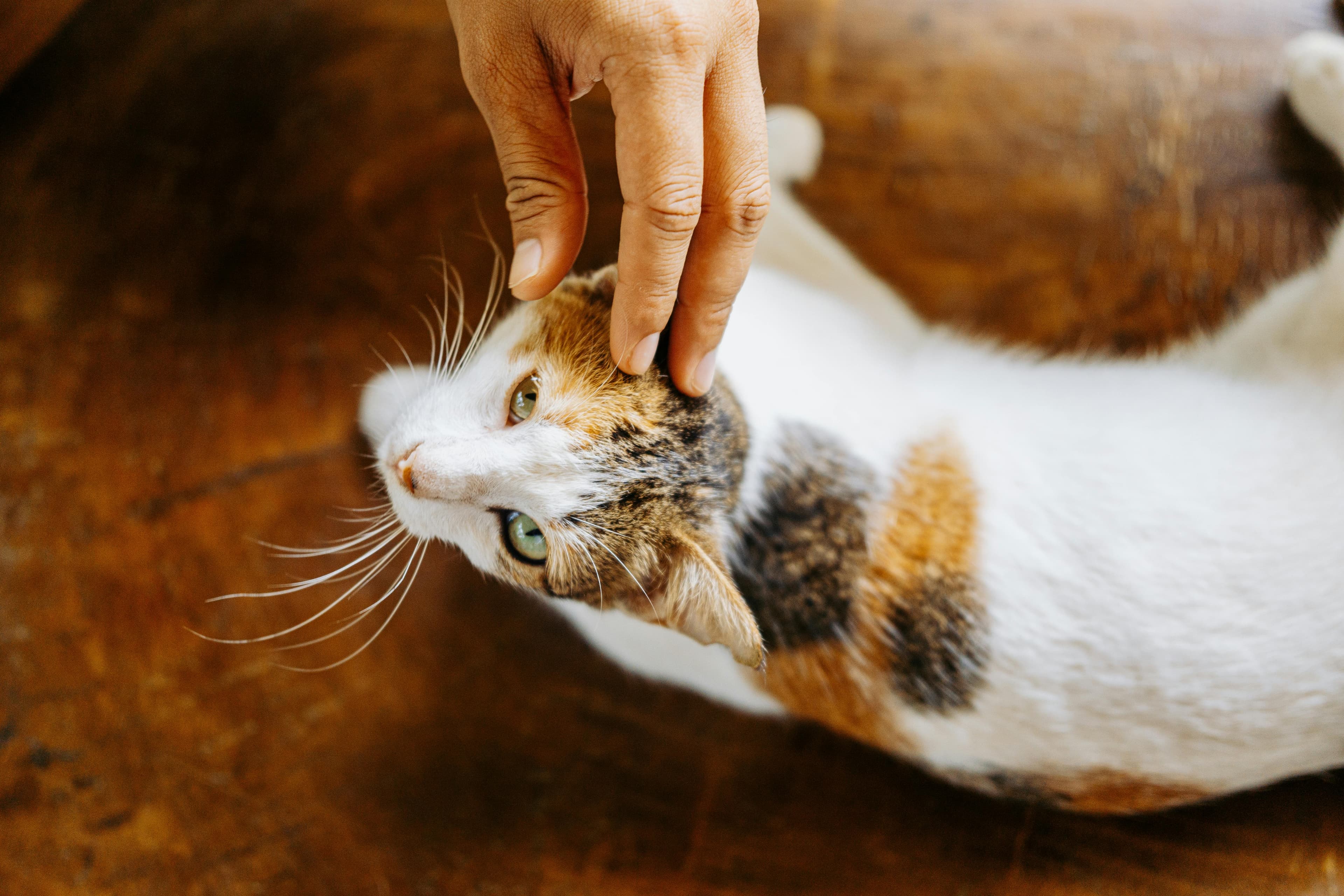
Cats can occasionally catch certain illnesses from humans, including some respiratory infections and viruses. Most cases are mild, but monitoring symptoms early still matters. Good hygiene and regular veterinary care lower the risk of transmission.
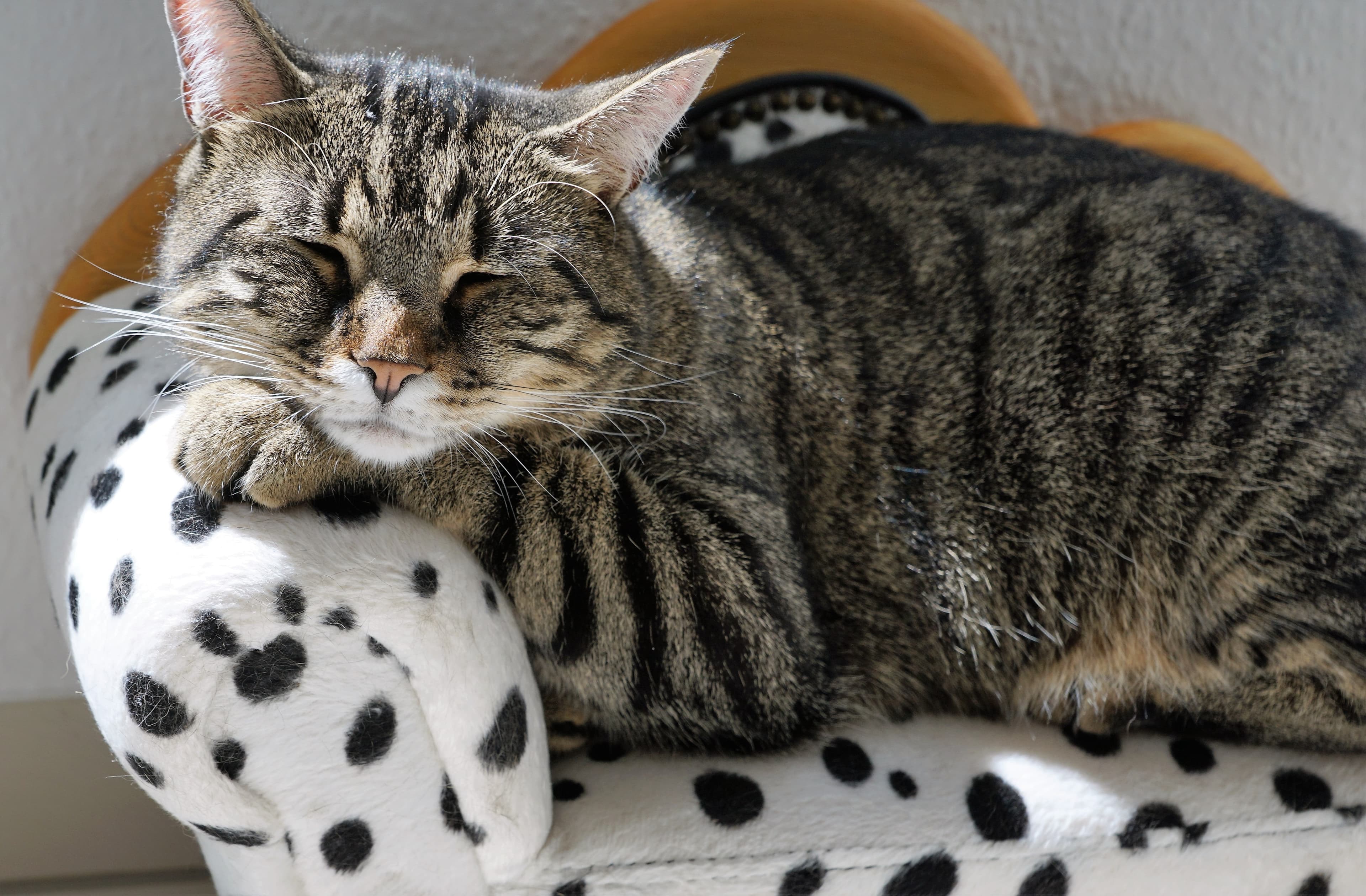
Pancreatitis in cats is an inflammatory condition affecting the pancreas, leading to symptoms like vomiting, lethargy, and loss of appetite. The exact cause is often unknown, so prompt veterinary care and dietary management are key to improving a cat’s recovery and quality of life.
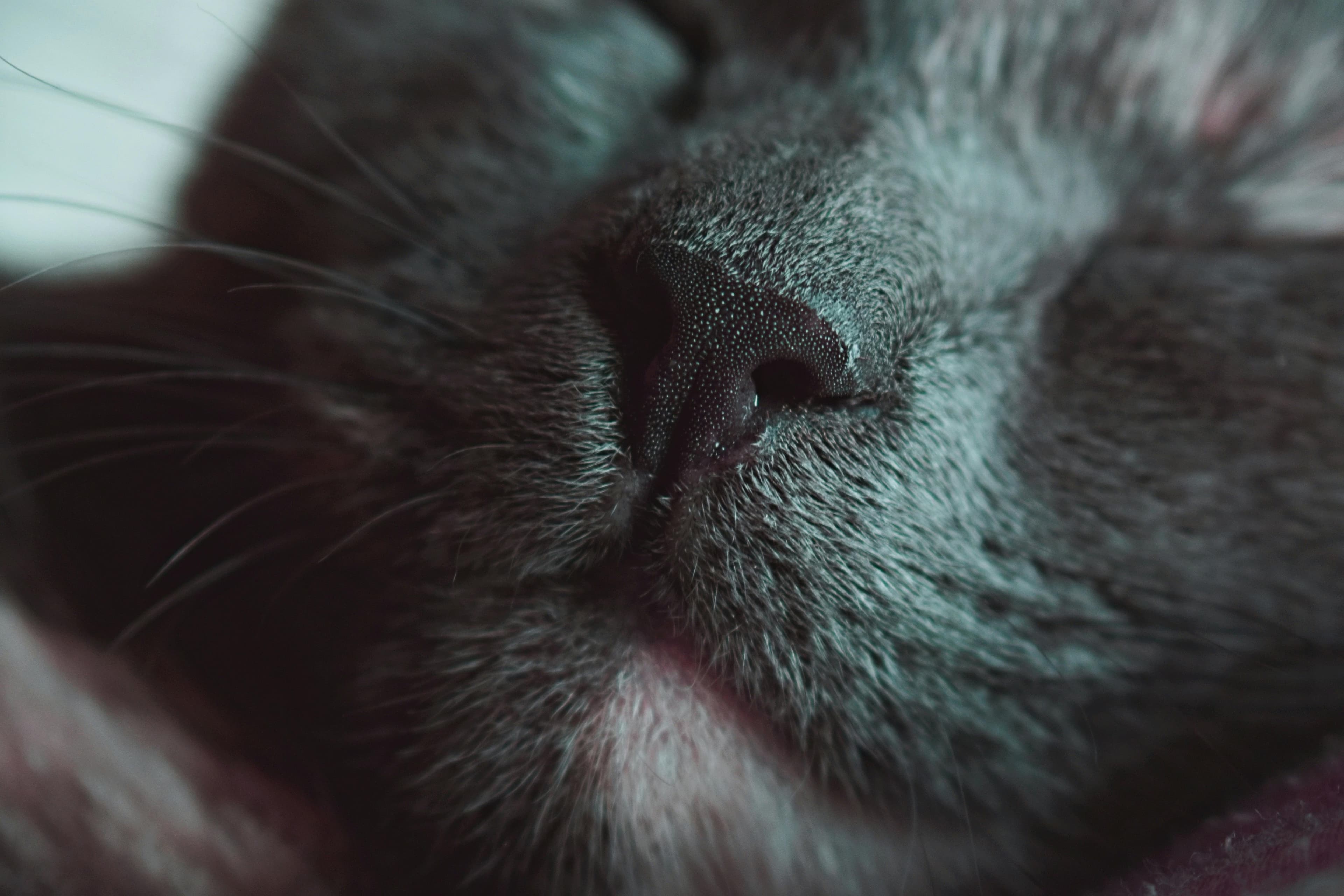
A dry nose isn’t always a warning sign—but sometimes it can be. Subtle changes in your cat’s nose, paired with other symptoms, may reveal more than you think. Understanding what’s normal and what’s not can make all the difference in keeping your cat healthy.
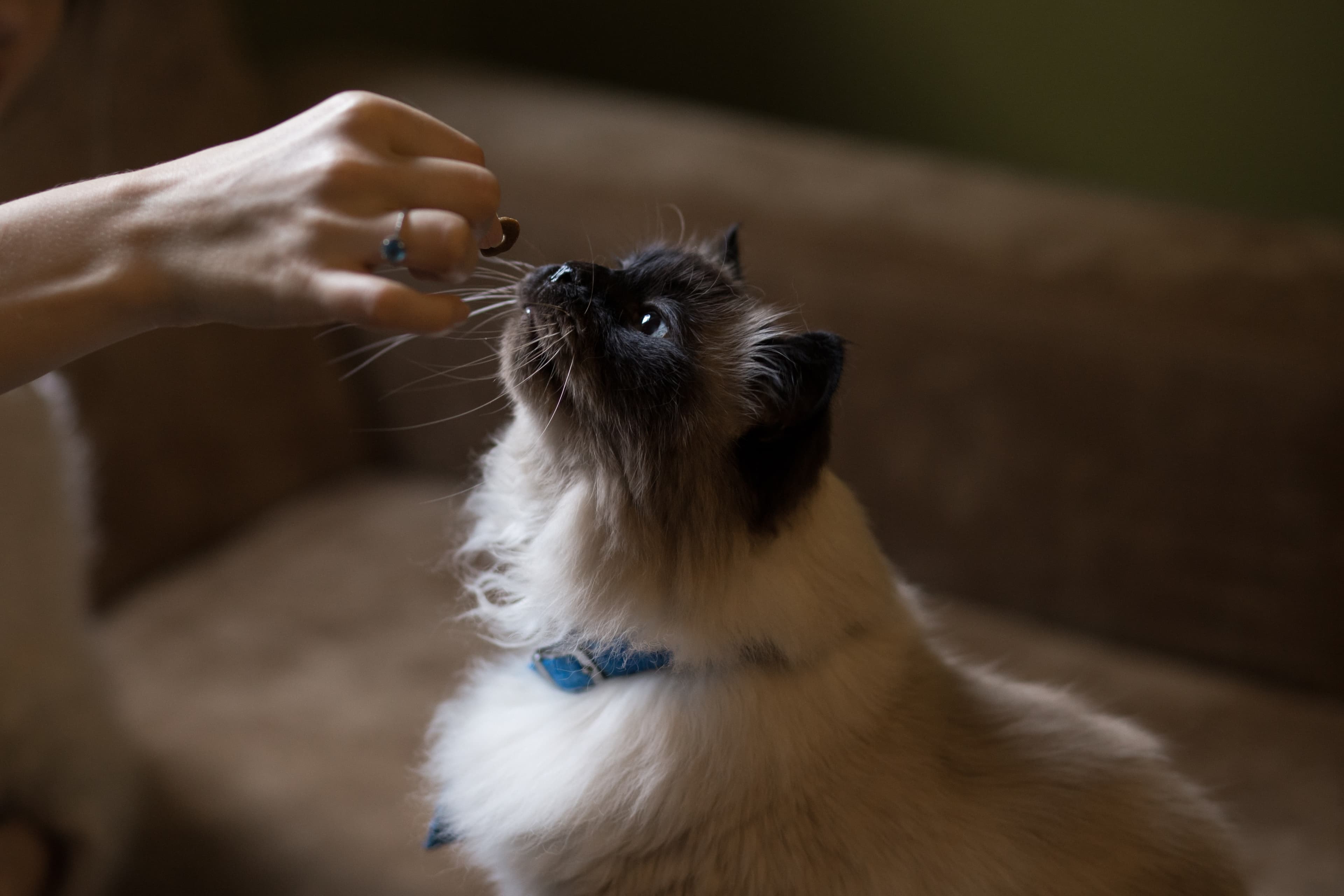
Chicken bones might seem like a harmless snack, but they can pose serious risks for cats. From choking hazards to internal injuries, even small bones can lead to emergency situations. Understanding the dangers and knowing safer alternatives can help keep your feline companion healthy and safe.

Peonies are considered toxic to cats. This guide explains the risks peonies pose to your feline companion, the signs of poisoning to watch for, and what to do if your cat chews on one. You’ll also find a list of safer, non-toxic flower alternatives that let you keep your home beautiful without compromising your pet’s health.
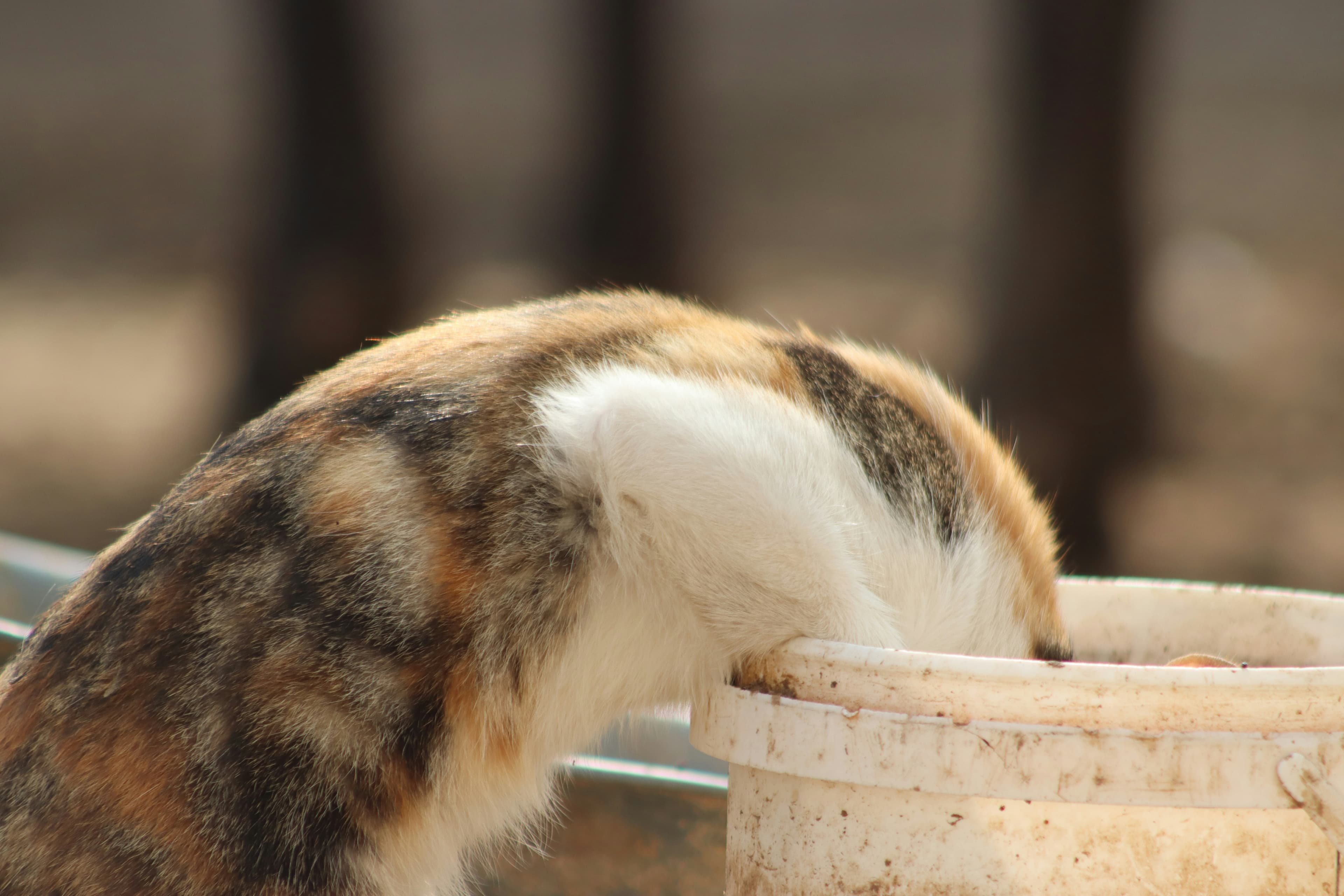
Before you pour a splash of milk into your cat’s bowl, it’s important to understand how it can affect their health. What seems like a simple treat may lead to digestive issues and discomfort in many cats. Discover why milk isn’t always the best choice—and what safer options you can offer instead.
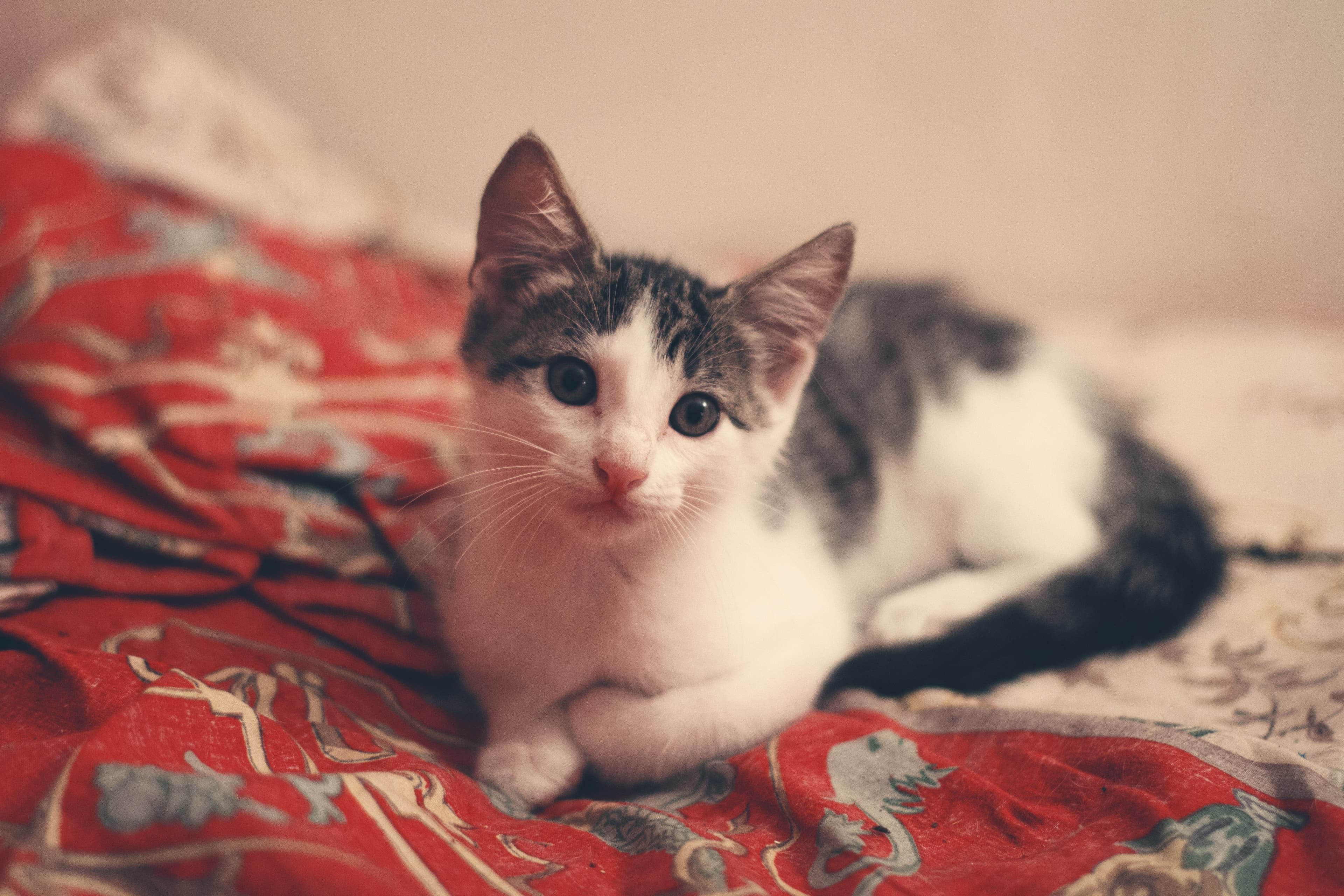
Cats may start urinating on the bed for a variety of reasons, and it’s important to figure out the cause before you can solve the problem. Common reasons include medical issues such as urinary tract infections, bladder stones, or kidney disease. In other cases, your cat may be avoiding the litter box because it’s dirty, placed in a stressful location, or not the type they prefer.