Don't know your cat's breed?
Get our DNA kit!
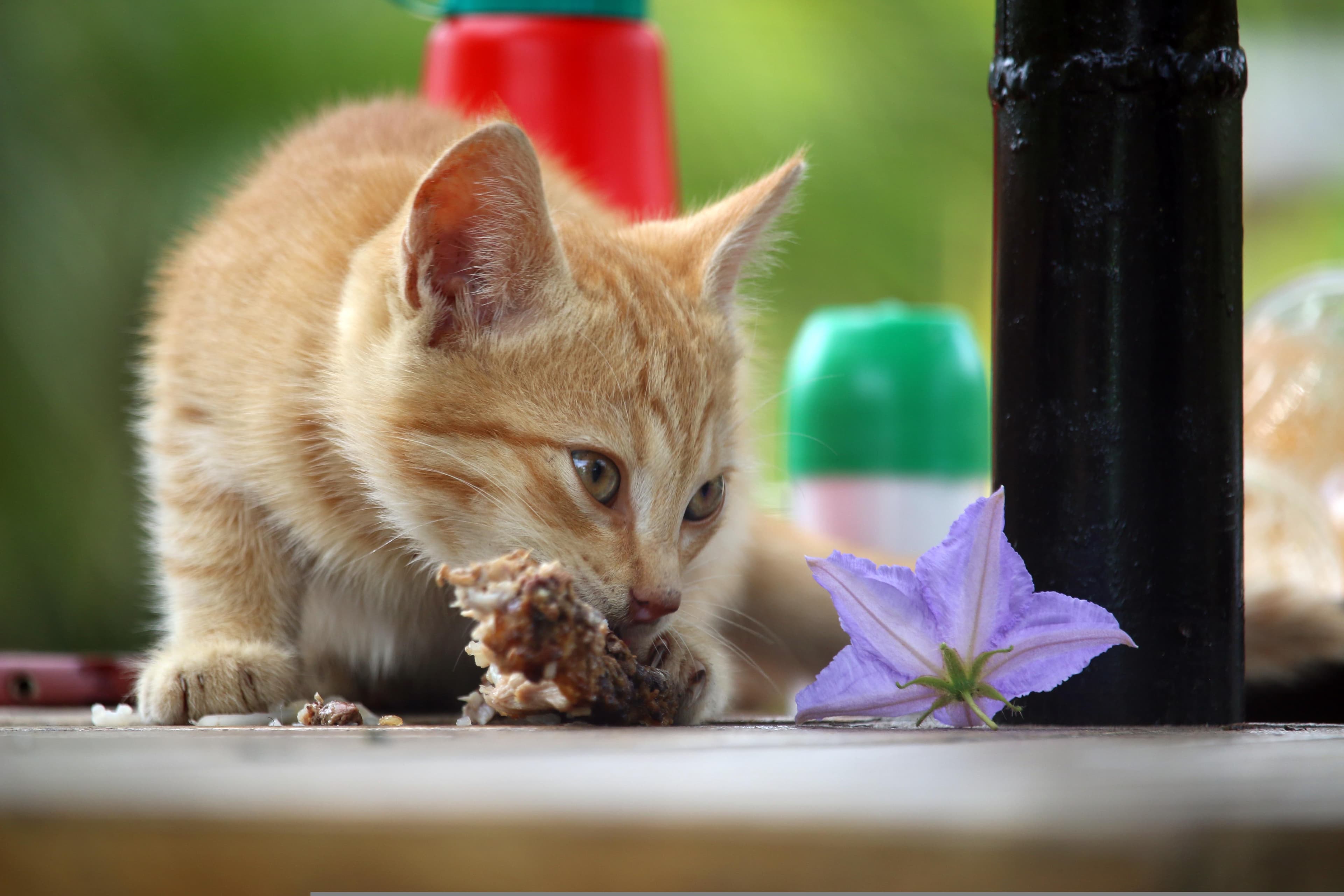
Feline infectious peritonitis (FIP) is a rare but serious disease in cats caused by a mutation of the feline coronavirus. It most often affects kittens and young cats, and its symptoms can be subtle or confusing in the early stages, which makes diagnosis challenging. In this article, you’ll learn how FIP develops, the early warning signs to watch for, and the key differences between wet (effusive) and dry (non-effusive) FIP.
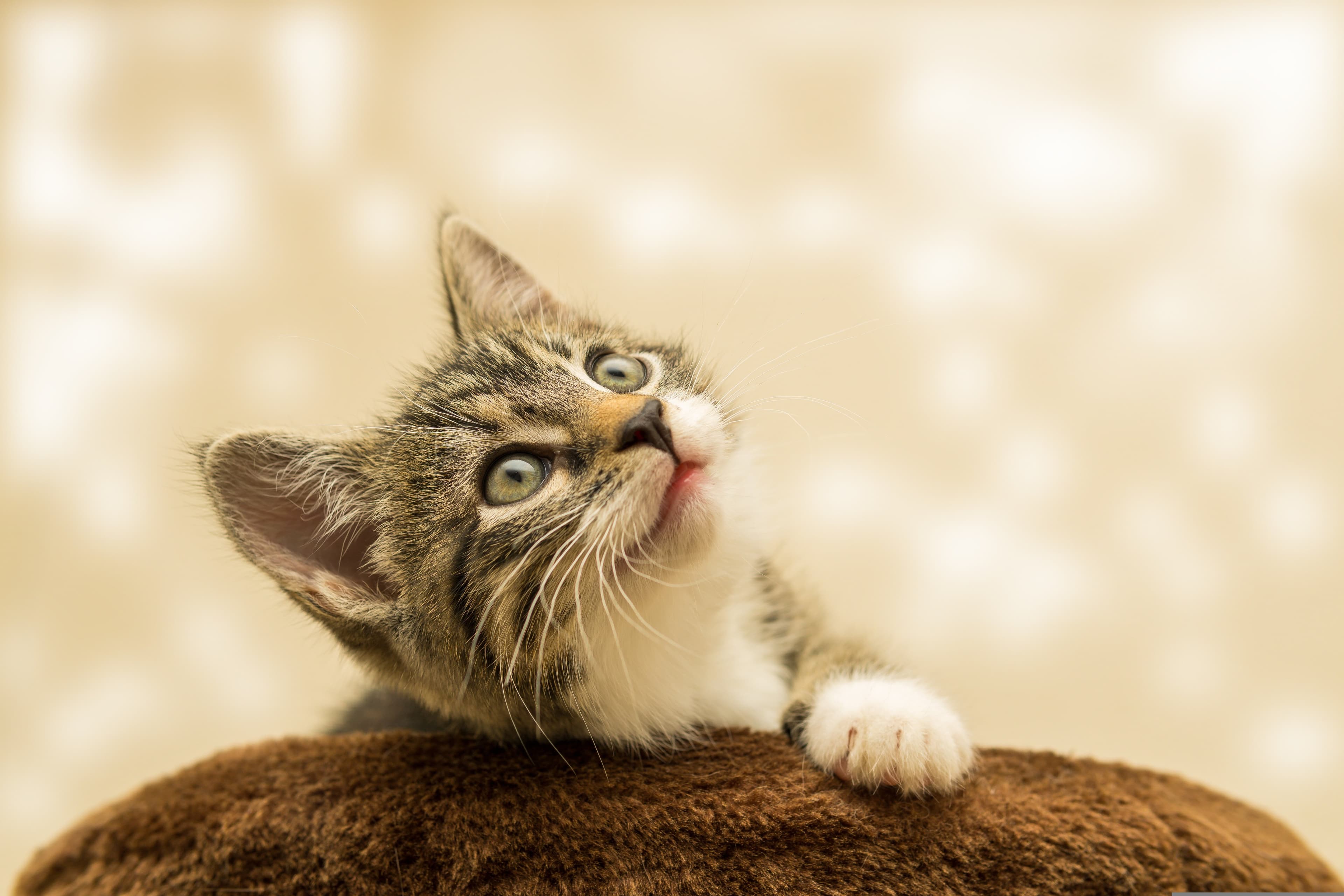
Cat strokes are sudden, serious, and often misunderstood. Recognizing the early signs can make a crucial difference. In this guide, you’ll learn how to identify stroke symptoms in cats, what can cause them, how veterinarians diagnose and treat strokes, and what recovery may look like. Acting quickly is vital—knowing the right steps can help protect your cat and improve their chances of recovery.
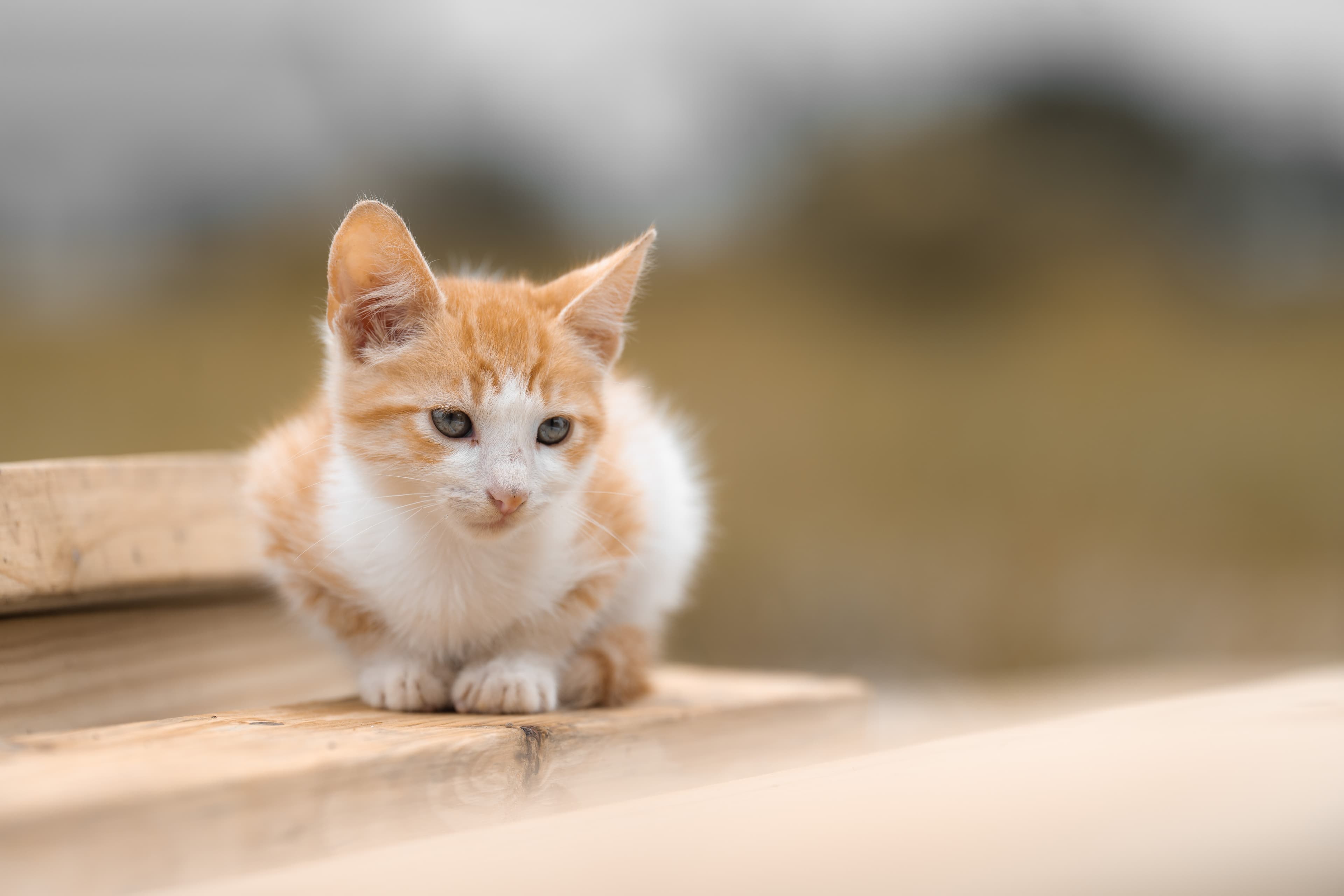
Ever wondered how old your cat really is in human years? This guide to converting cat years to human years makes it easy to understand. It includes a clear age chart, a simple kitten development timeline, and a practical formula commonly used by veterinarians. You’ll also learn why cats age much faster during their early years and how this faster aging affects their health, behavior, and care needs as they grow.
Cats can become infected with the virus that causes COVID-19, but this happens rarely and symptoms are usually mild or absent. Most reported cases occur after close contact with an infected person, meaning transmission is typically from humans to cats rather than the other way around. This article explains how COVID-19 affects cats and how to protect your pet safely.
The average domestic cat lives between 12 and 17 years, and many well-cared-for cats now reach their early 20s. This article explores the main factors that affect a cat’s lifespan, common causes of shortened life expectancy, and practical steps you can take to help your cat live a longer, healthier life.

If you’ve ever wondered why your cat hasn’t been using the litter box, you might be surprised to learn that they may not be peeing at all—they could be holding it in. But how long can a cat safely hold their urine? Is it harmful for them to do so? And when should you start to worry? In this article, we’ll answer these questions and provide helpful tips to keep your cat healthy and comfortable.
Early-stage kidney disease in cats can often be detected through subtle changes in behavior and health. Common symptoms include increased thirst, frequent urination, weight loss, and changes in appetite. Recognizing these signs early is essential, as timely intervention can help support your cat’s long-term health, manage discomfort, and slow disease progression.
Cats are undeniably adorable when their little tongues stick out — it’s what we lovingly call a “blep.” But what exactly does a cat blep mean? Is it just a quirky expression, or could it signal something more serious? While most bleps are harmless (and totally cute), there are times when they might be worth a closer look. In this article, we’ll explore why cats blep, when it’s perfectly normal, and when it might be a cause for concern.