Don't know your dog's breed?
Get our DNA kit!
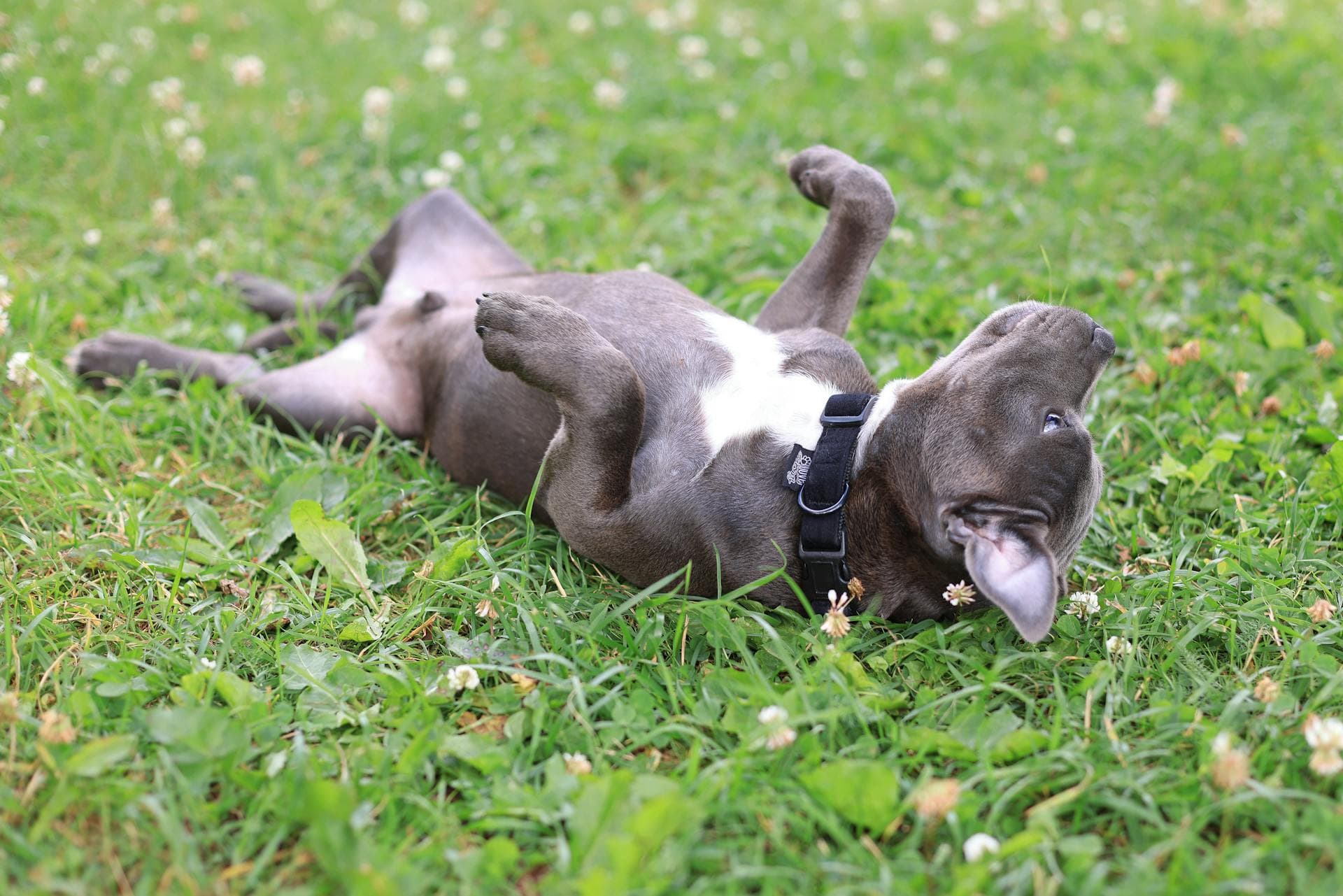
Did you know that your dog licking and nudging you is not only to show affection? They typically behave in such a way when they see a potential for a conflict or a threat, like scolding them or other bold dog approaching your canine friend. This is called appeasement behavior that dogs use to avoid a fight or aggression. Let’s go deeper and understand our canine companions better.

Why do dogs eat poop? Correcting this behavior requires consistency and patience. With proper care, attention, and guidance from a veterinary professional, most dogs can overcome the habit of eating poop.

Dog scooting butt is typically harmless. However, if the behavior persists, if it’s followed by bloody stool, or other unusual symptoms, this is a sign it’s time to contact a veterinarian.
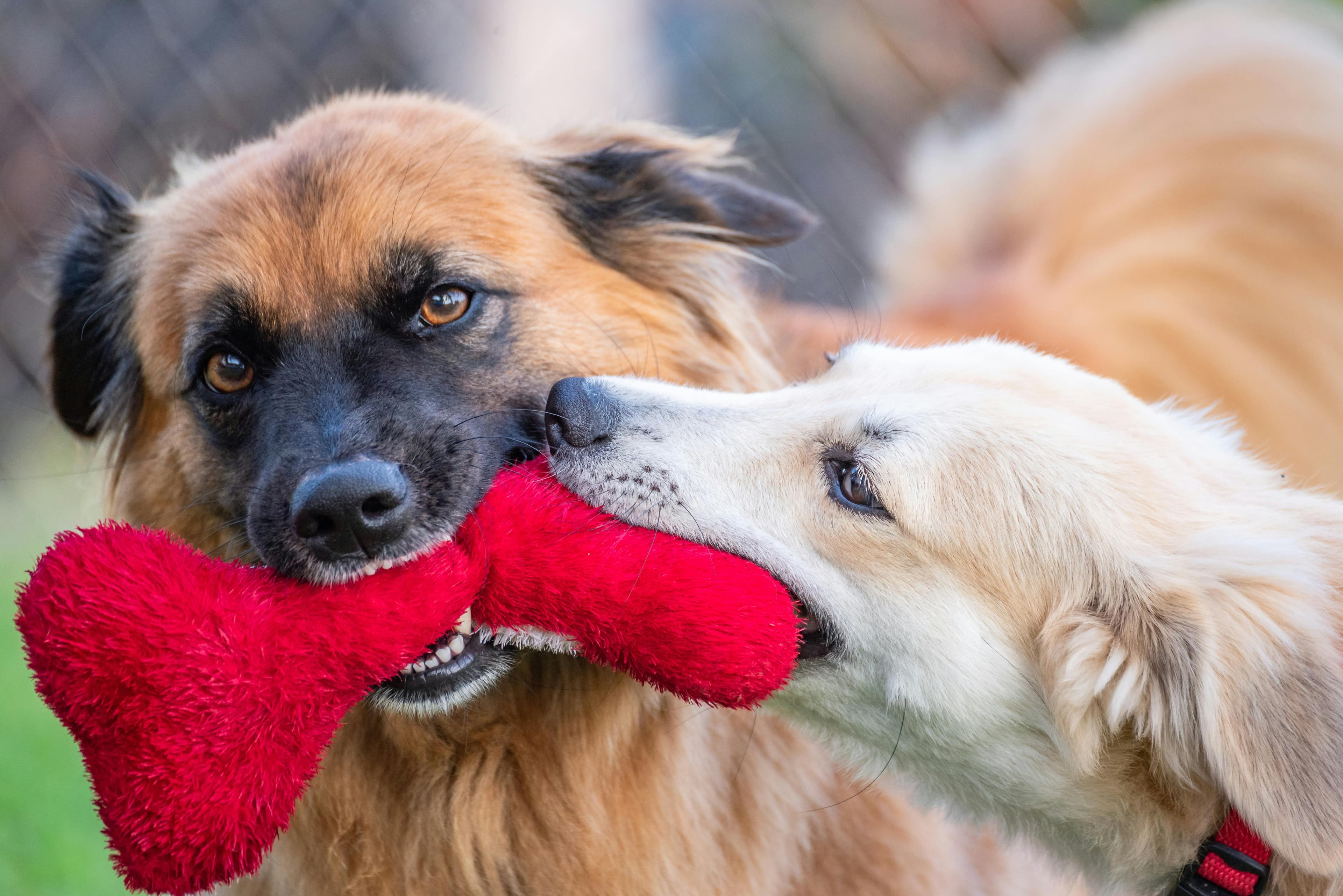
Living with a reactive dog isn’t about fixing a “bad” pup — it’s about understanding a dog who feels overwhelmed by the world. With time, patience, and the right tools, you can make a meaningful difference. Reactive dogs can learn to feel safe and thrive.
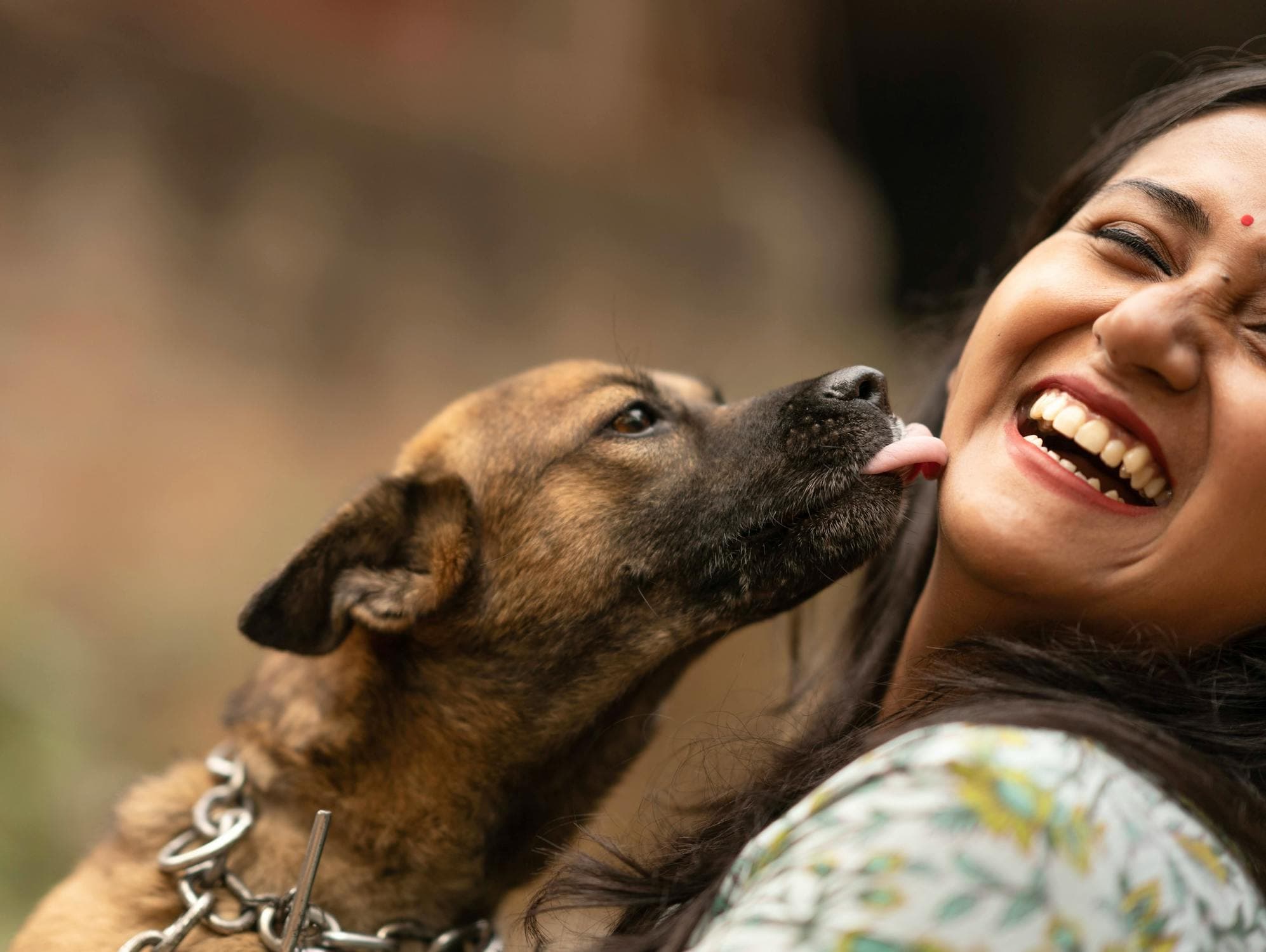
Whether you enjoy puppy kisses or would rather stay well away from them, dogs have a tendency to lick the people they love. But why do they do this? The answer and much more follow.
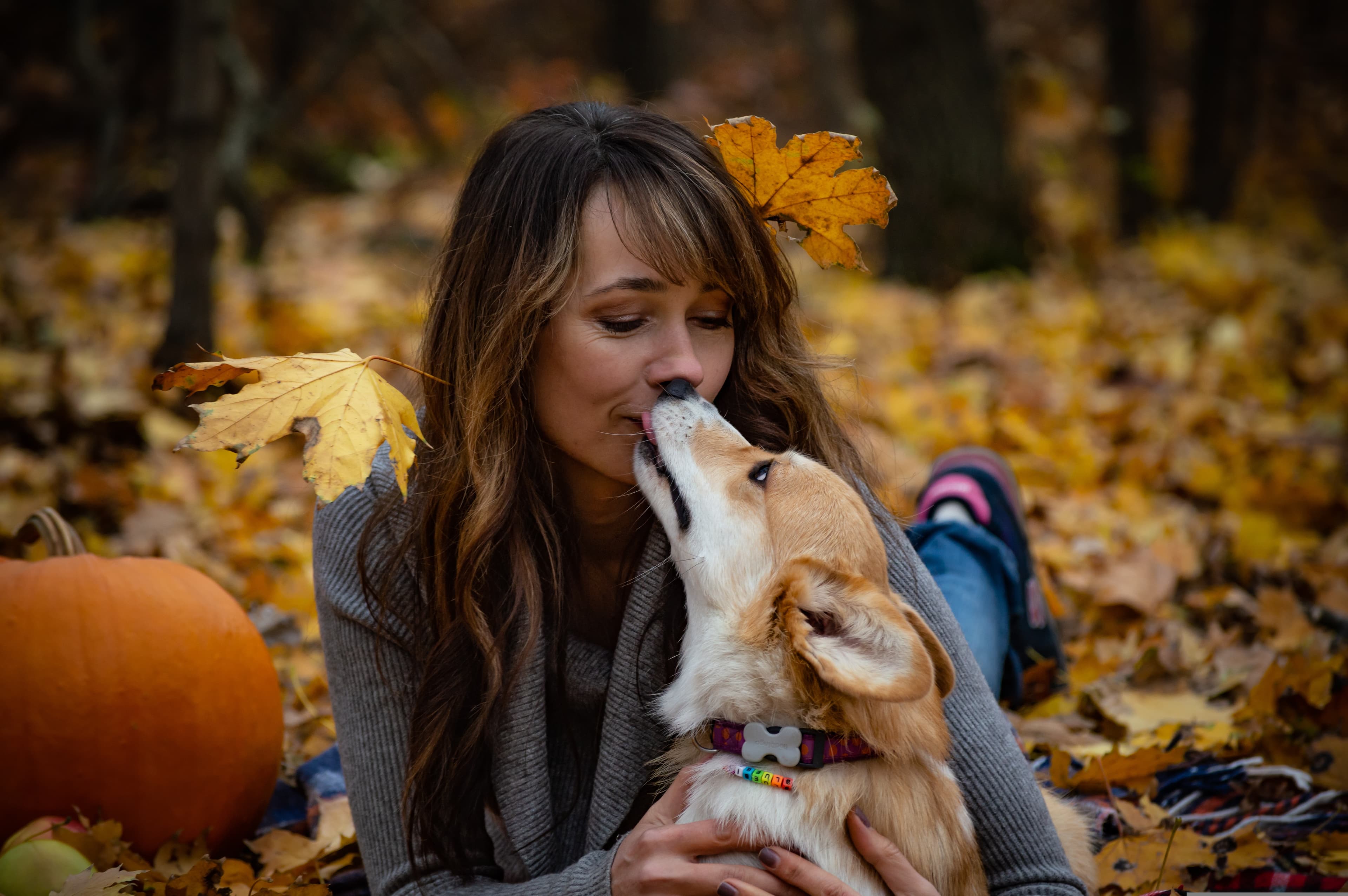
Ever caught your dog licking you and wondered what’s really going on? Those slobbery kisses can mean more than just affection. Dogs lick for several reasons — it can be a sign of love and bonding, a way to get your attention, or simply a habit that feels soothing to them. Understanding why your dog licks helps you respond the right way — whether that means enjoying the affection, redirecting the behavior, or checking for signs of stress.
Have you ever wondered what your dog’s tail wagging really means? Dogs use their tails as part of their body language, and each wag can reveal something about how they’re feeling. From excitement and friendliness to nervousness or even caution, tail movements are one of the clearest ways dogs communicate with us. Read on to learn what different types of tail wagging might be telling you.
Dogs may not be able to speak human languages, but that doesn’t mean they don’t communicate! Through their body language, expressions, and movements—especially their tails—they convey a wide range of emotions and messages. Today, we’re exploring the fascinating world of dog communication and what makes it so unique.