Don't know your dog's breed?
Get our DNA kit!
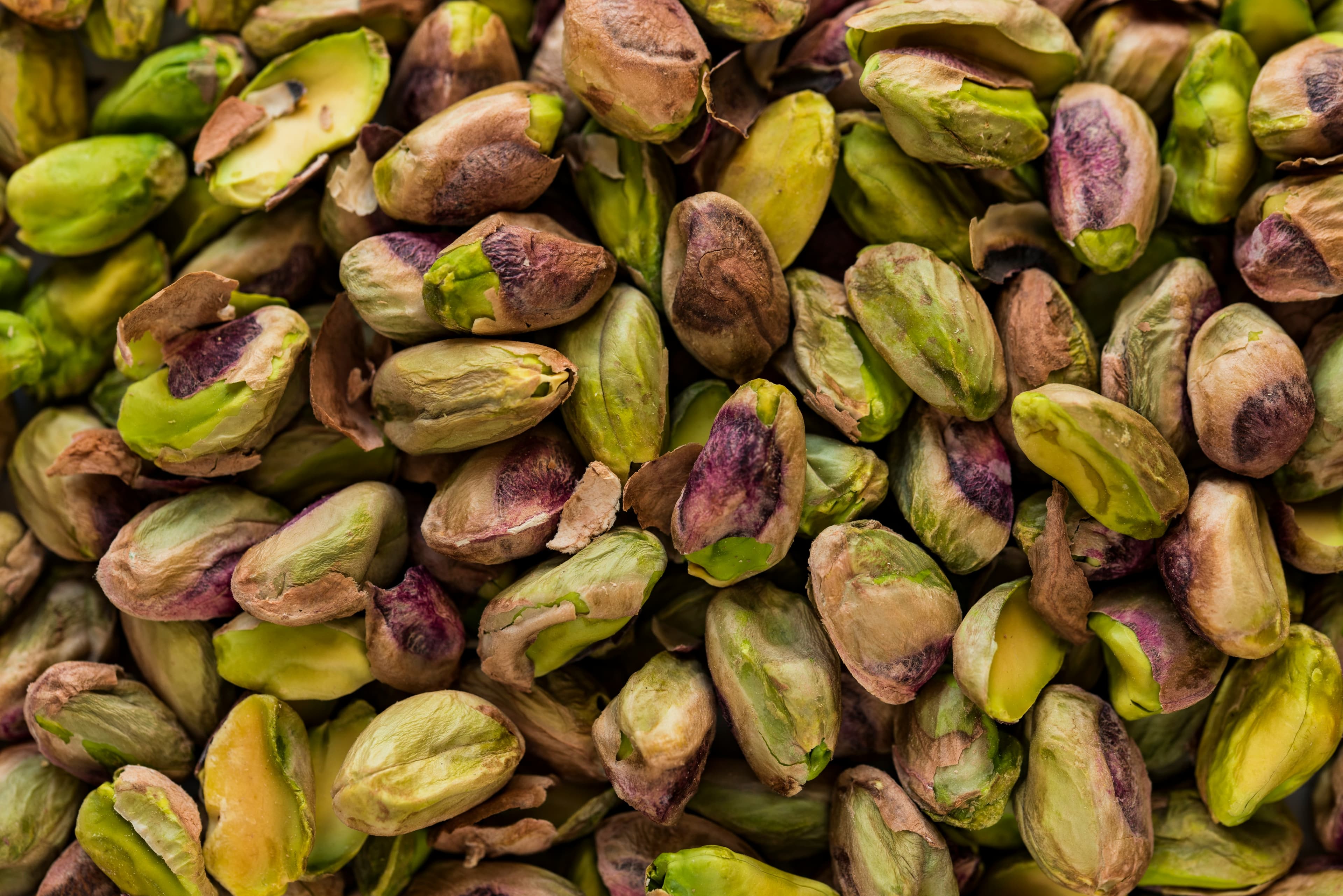
When considering whether dogs can safely eat pistachios, weighing the risks is important. These nuts can cause pancreatitis due to high fat, salt poisoning, choking hazards, and aflatoxin contamination. So what do you think: are pistachios bad for dogs?
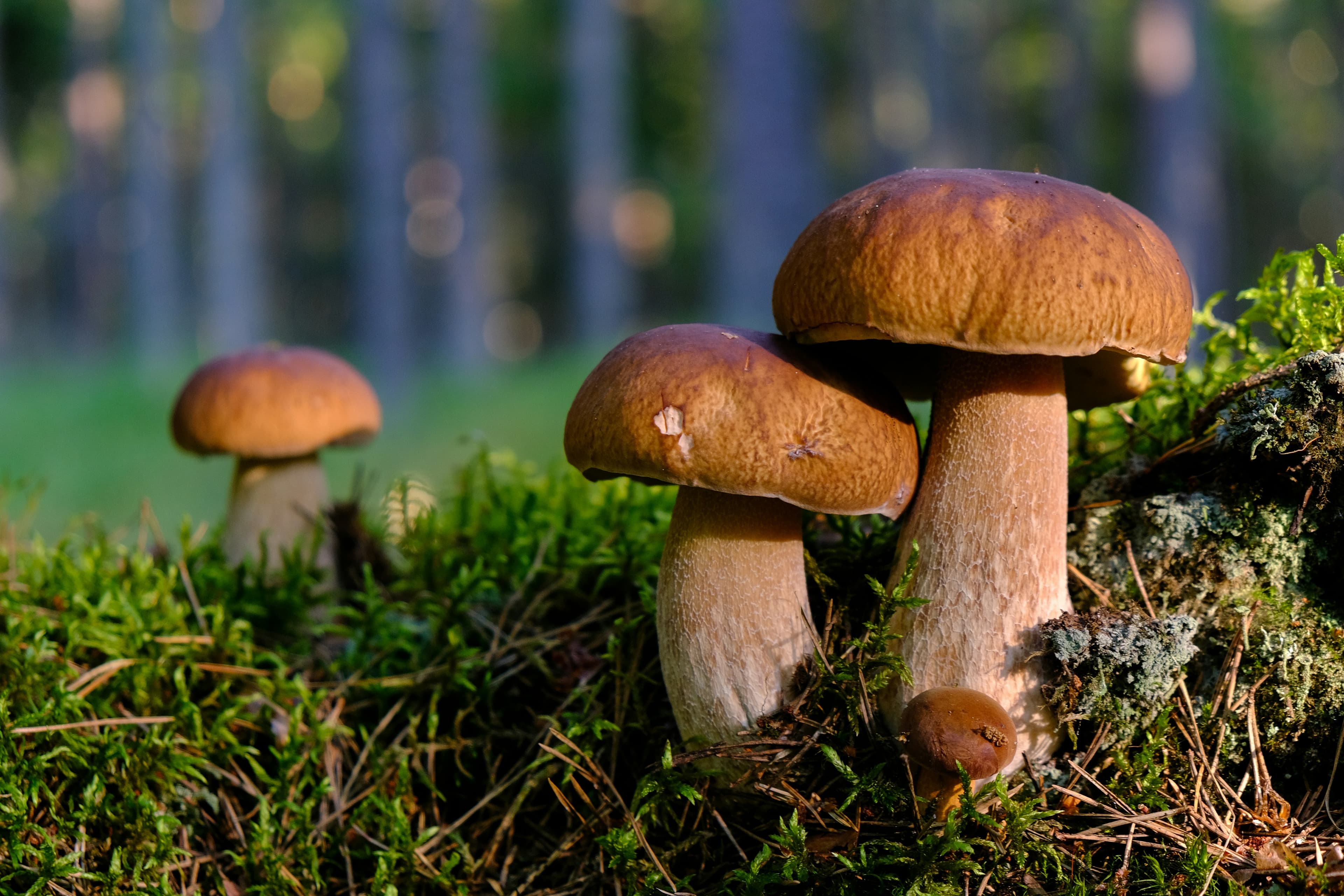
In a world where pet nutrition is increasingly scrutinized, many dog owners wonder, "Can dogs eat mushrooms?" and seek clarity about which varieties are safe. For those opting to include mushrooms in their dog's diet, choosing safe, non-toxic varieties and preparing them properly is key to ensuring the health and safety of their furry companions.
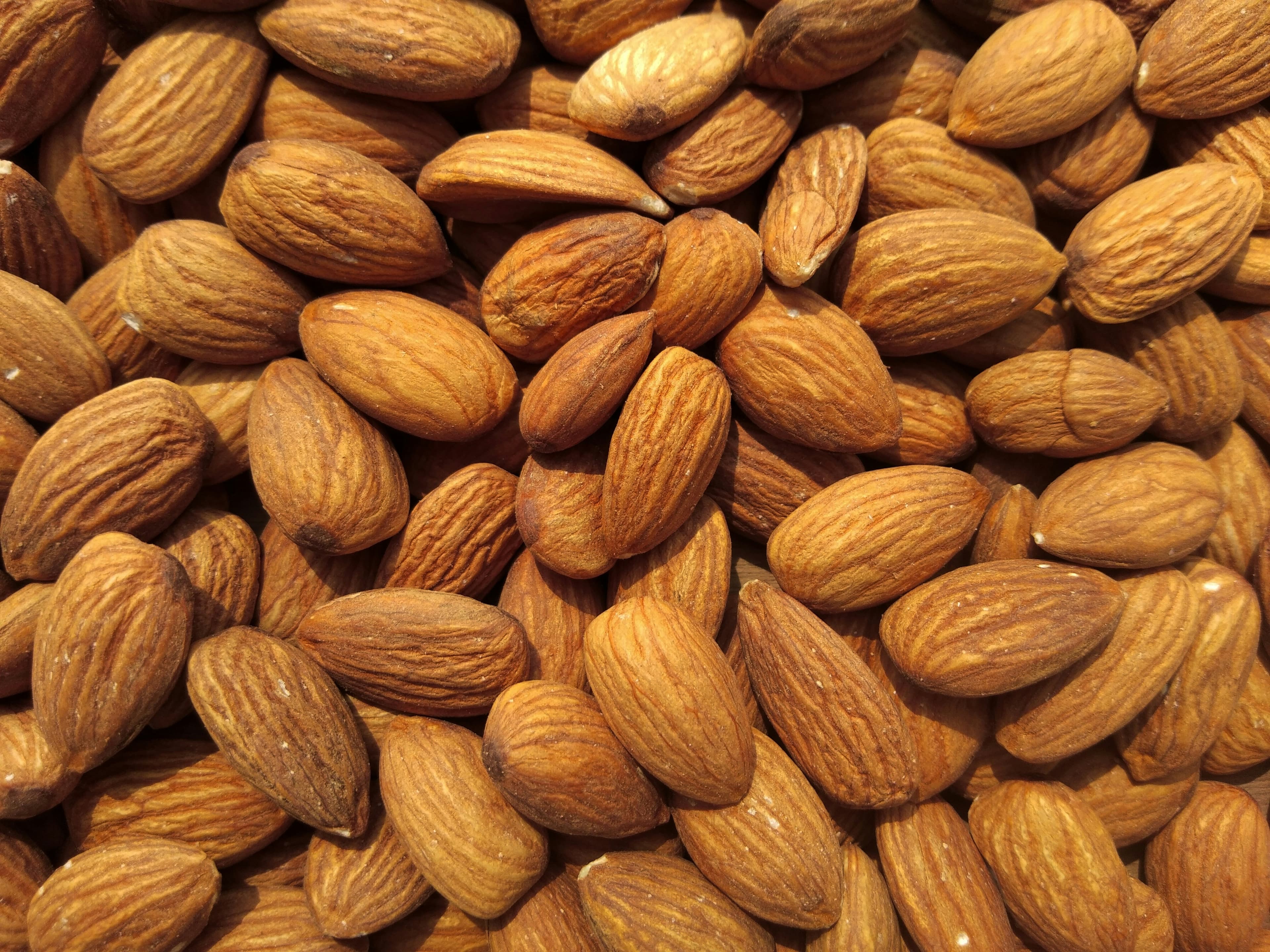
Considering whether dogs can eat almonds, it's clear that almonds can cause health issues such as gastrointestinal distress and pancreatitis due to their high-fat content. They also pose choking and obstruction risks. But are almonds toxic to dogs?
Choosing the right treats for your dog is crucial for their health and happiness. While it might be tempting to share your ice cream, it's better to opt for healthier, dog-friendly alternatives.

Yes, dogs can eat potatoes, but it's essential to serve them properly. Potatoes should be cooked without any added salt, butter, or seasonings and never offered raw due to the presence of solanine, which can be toxic. Small, well-cooked portions can be a healthy addition to a dog's diet, offering vitamins and minerals. However, moderation is key and always consult with a veterinarian before introducing new foods to ensure they're suitable for your dog's specific health needs.

Can dogs eat cantaloupe? Yes, but moderation is key. This vitamin-rich fruit is great for hydration and nutrients but should be served without the rind and only as an occasional treat to avoid digestive issues and excess sugar intake.
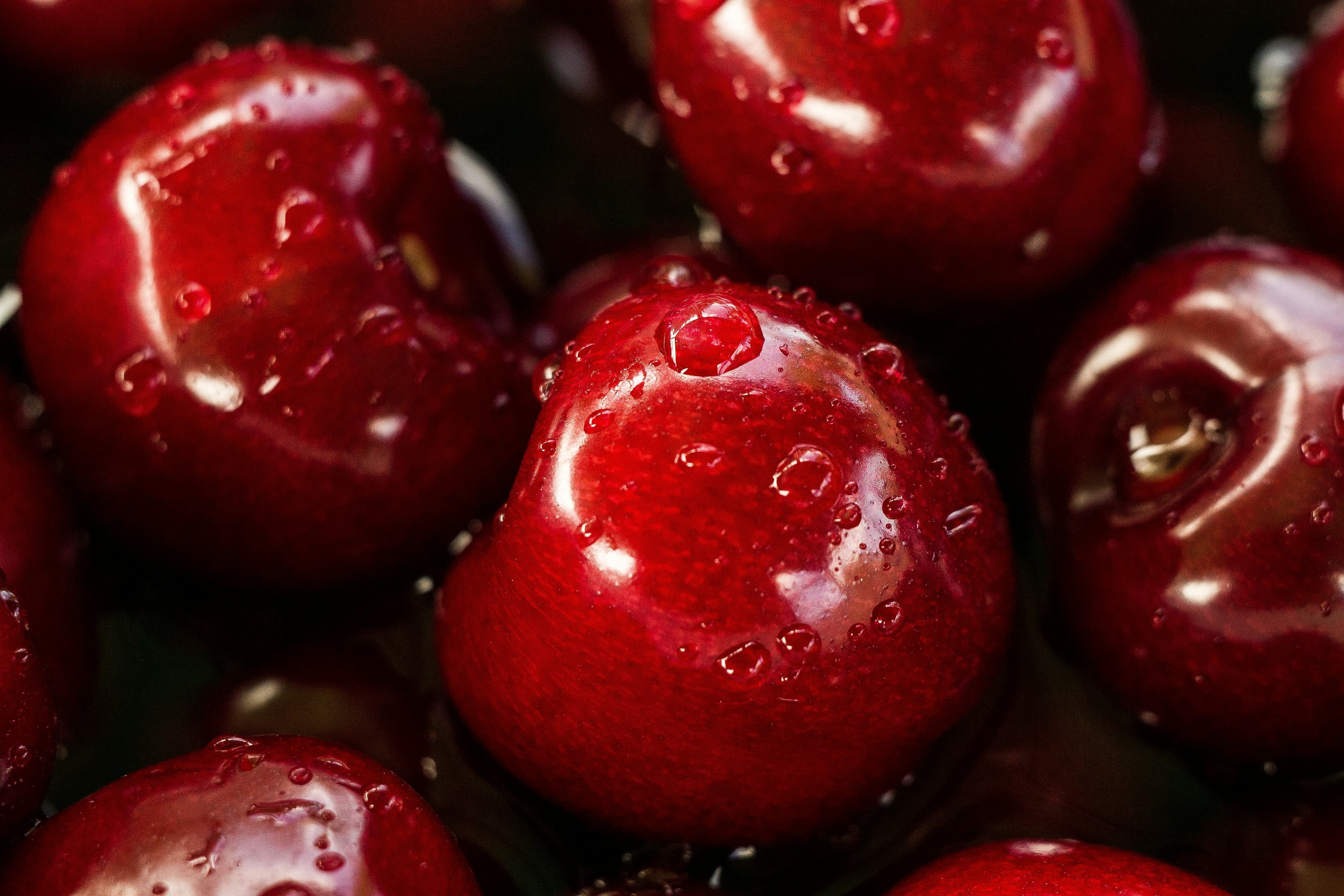
Feeding cherries to dogs comes with risks, primarily due to the cyanide in cherry pits and the potential for blockages. It's best to avoid giving dogs cherries or offering the flesh in very small amounts, removing all pits and stems. Safer alternatives include cherry-flavored dog treats or fruits like blueberries and strawberries, ensuring your dog enjoys a safe and healthy treat.

Cinnamon, a spice cherished for its delightful aroma and flavor, also harbors potential health benefits for dogs when used judiciously. Not toxic in small doses, cinnamon can offer anti-inflammatory relief, support with antioxidant properties, and even aid in managing blood sugar levels. However, it's essential to approach its use cautiously—excessive amounts can lead to health issues.