Don't know your dog's breed?
Get our DNA kit!
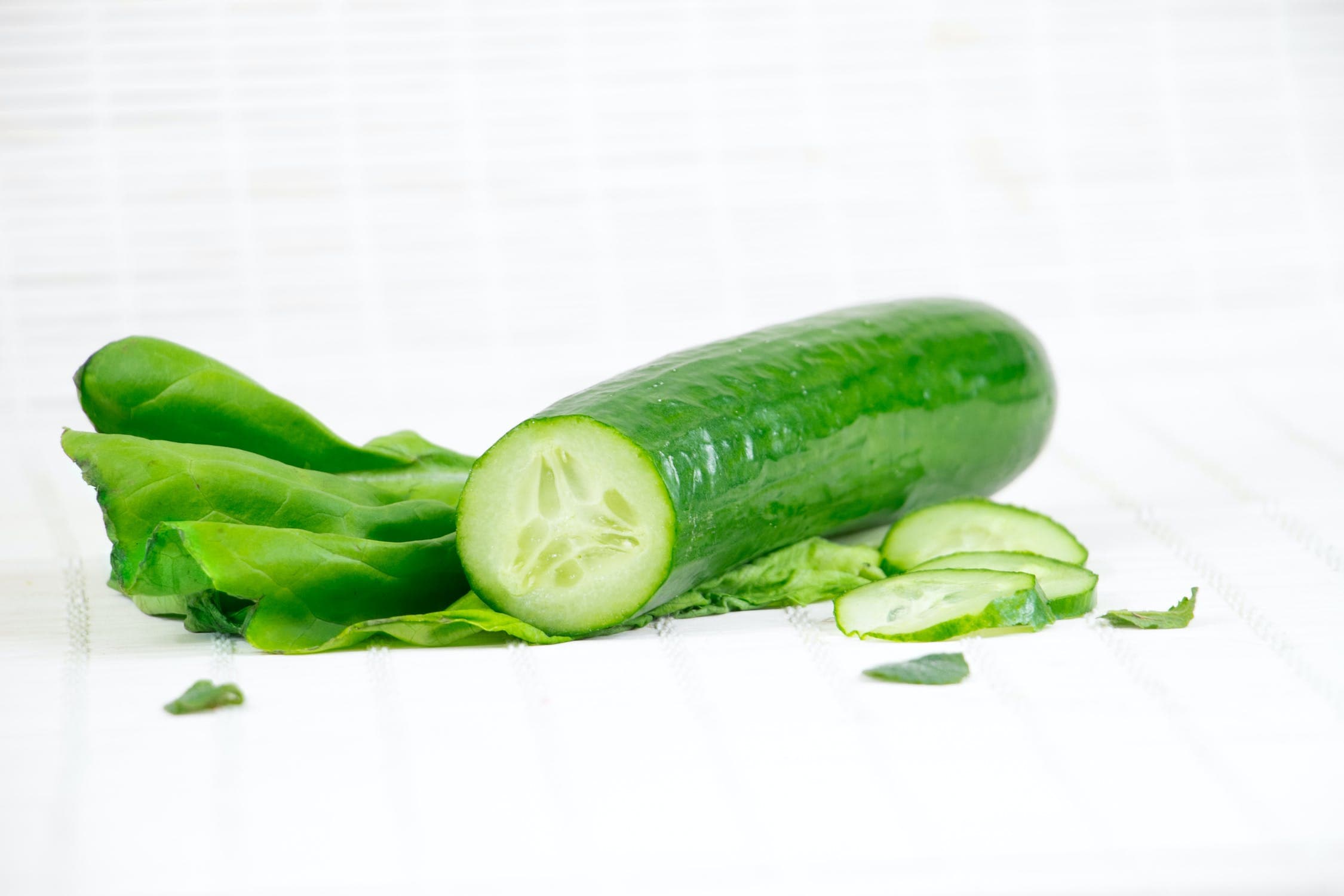
Cucumber is a healthy addition to our diet, but are pets allowed to consume this beneficial vegetable? Yes, it’s a good idea. Adding cucumber to your pet's diet can help them stay healthy. We will talk about the advantages of cucumber for your dog in this article.

The safety of popcorn consumption for dogs may be tricky. While plain, air-popped popcorn is generally considered safe and may even offer a canine-friendly crunch, caution is advised when dealing with flavored or seasoned variants, as these can introduce ingredients potentially harmful to a dog's health.
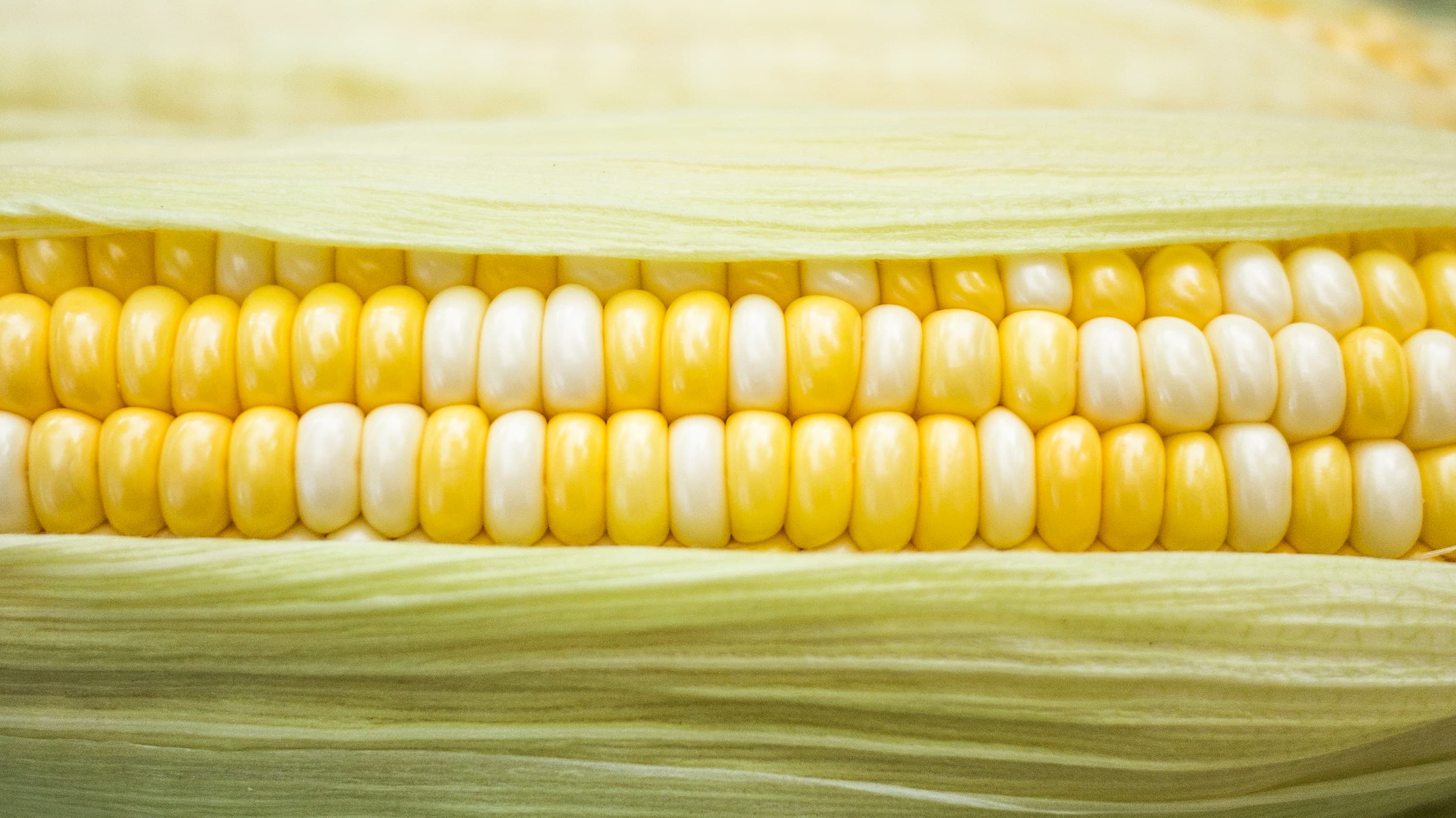
Summer barbecues bring a flurry of tasty treats, and as dog owners, we often wonder if our furry friends can partake in these delights. Corn, a common feature at these gatherings, raises a crucial question: Is it safe for dogs?
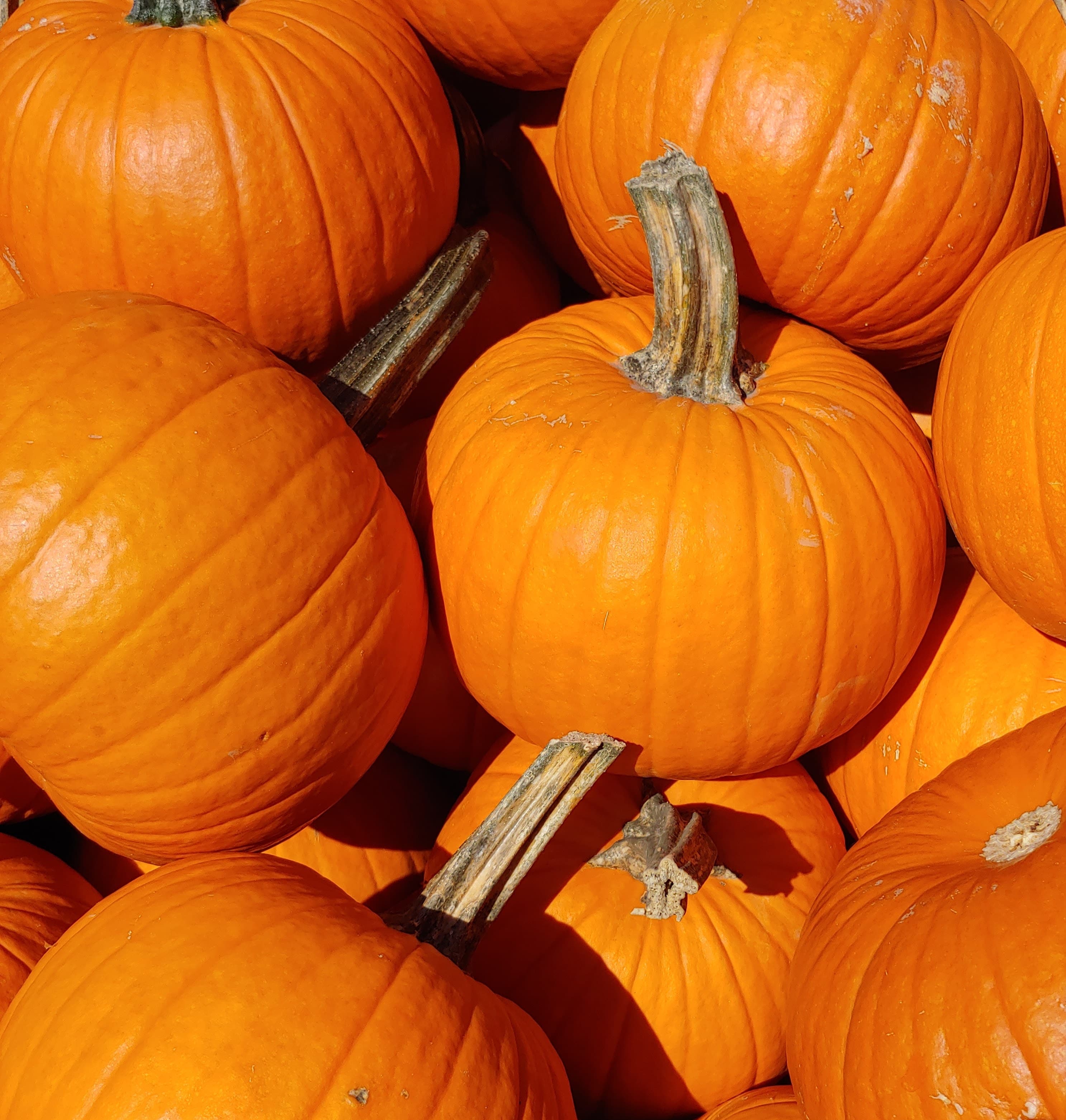
Pumpkin can be a wonderful addition to your dog's diet. It offers numerous health benefits, but like all things, it should be provided in moderation. Always consult with your veterinarian before making any dietary changes.

While dogs can eat tuna, it should only be in moderation. The potential risks, particularly mercury poisoning, make it imperative to consult your vet and consider safer alternatives.
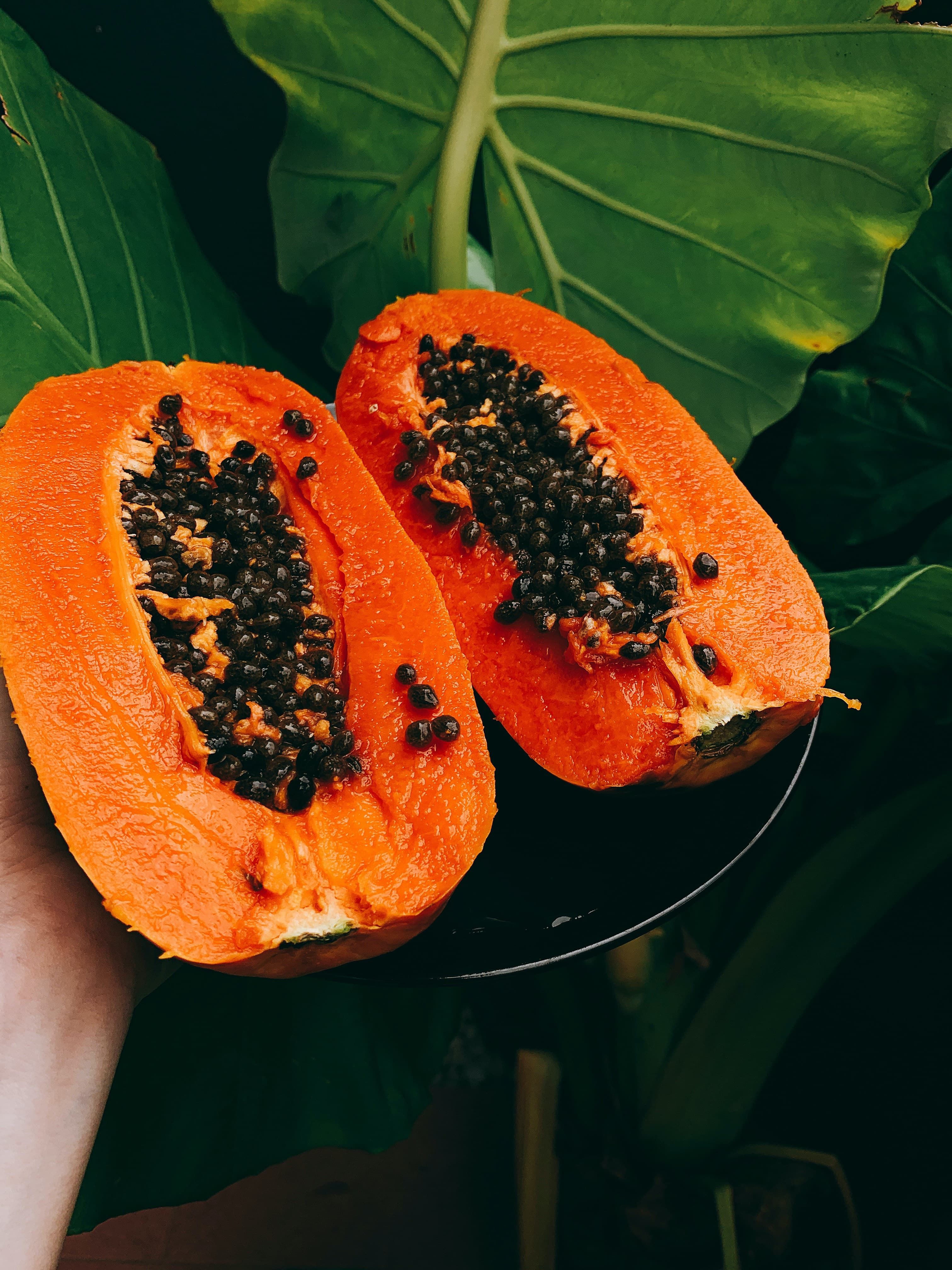
This article discusses the safety and potential benefits of feeding dogs papaya. It provides information on how to safely offer papaya to dogs, other fruits that are safe for dogs to eat, and precautions to take when introducing new foods into their diet.
Avocado, a fruit popular for its health benefits in humans, often raises questions about its safety for dogs. The primary concern with avocados is a substance called persin, found in the fruit's leaves, skin, and pit. While dogs are more resistant to persin than other animals, exercising caution is still advisable.
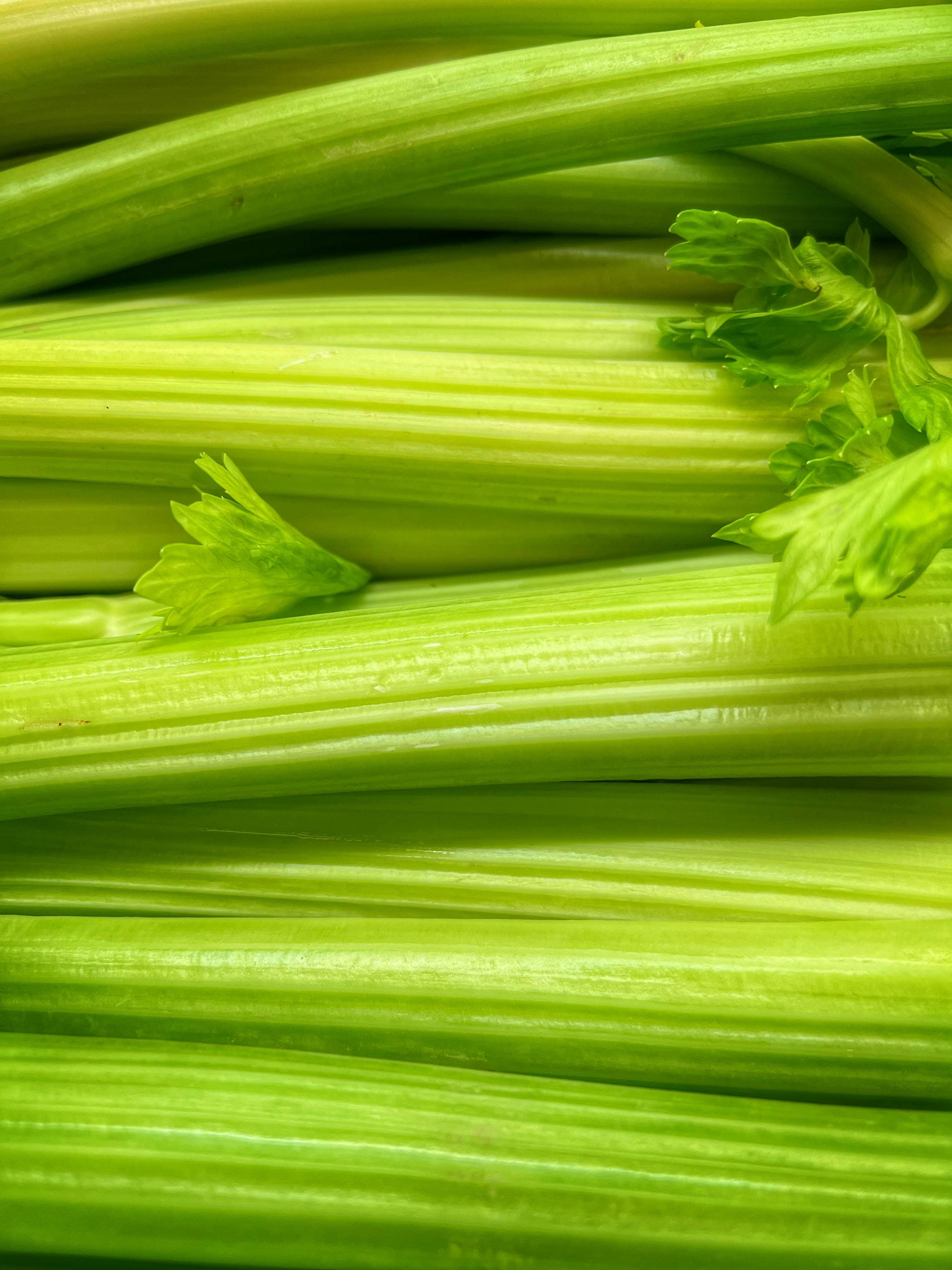
In most cases, celery is safe as a dog's little treat. It is just important to consider the amount of it. It is low in calories and high in vitamins A, C, and K. Don't forget about folate and potassium - doesn't it all sound nice and healthy? But still, some considerations should be taken into account. Can dogs have celery? Yes, but let's dive into it.