Don't know your dog's breed?
Get our DNA kit!

Thinking about tossing your dog a chicken bone? While raw chicken bones are generally safer, cooked chicken bones can pose serious health risks. From choking hazards to internal injuries, feeding your dog chicken bones—especially cooked ones—might do more harm than good.
In this guide, we’ll break down why chicken bones are risky, how to tell if your dog is in danger after eating one, and what safer alternatives you can offer instead.

No one likes feeling anxious — but did you know your dog can experience anxiety, too? That’s right! Dogs can suffer from significant anxiety issues. This in-depth article explores the common causes, effective home remedies, and practical ways you can help your pet feel more at ease.
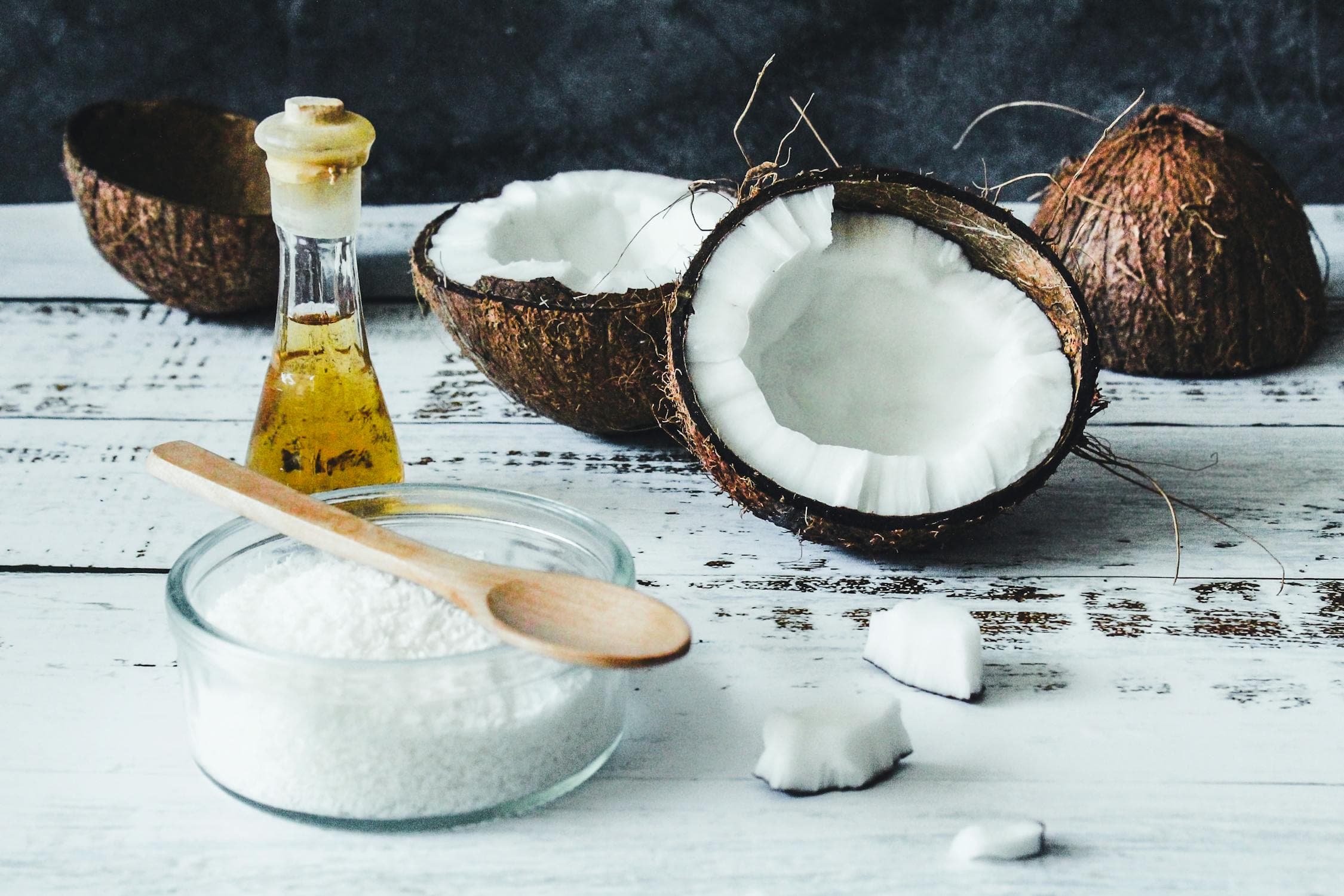
Discover how coconut oil can support your dog’s health and well-being. From improving digestion and managing weight to soothing itchy skin, learn the many benefits of coconut oil and how to safely incorporate it into your furry friend’s diet.

Fleas are a common problem for pets, often leading to itching, skin irritation, and even allergic reactions. While chemical treatments can be effective at eliminating fleas, they may sometimes cause harsh side effects for dogs. As a gentler alternative, natural flea control methods can help keep pets comfortable and safe.
When a female dog goes into heat, she experiences a mix of physical changes and behavioral shifts. This stage, also known as estrus, is a natural part of her reproductive cycle. As a pet parent, it’s important to know how to support her during this time—both to keep her comfortable and to prevent unwanted pregnancies. Veterinarians can also provide guidance, from managing symptoms to discussing options like spaying. Let’s take a closer look at what to expect and how you can help your dog through her heat cycle.

Dogs shed — some more than others. But what about Dobermans? If they do shed, how much? And how can you manage it? We’ll cover all that and more in today’s article.

No dog shampoo on hand? Don’t worry—there are a few safe, temporary alternatives you can use in a pinch to keep your pup fresh and clean.