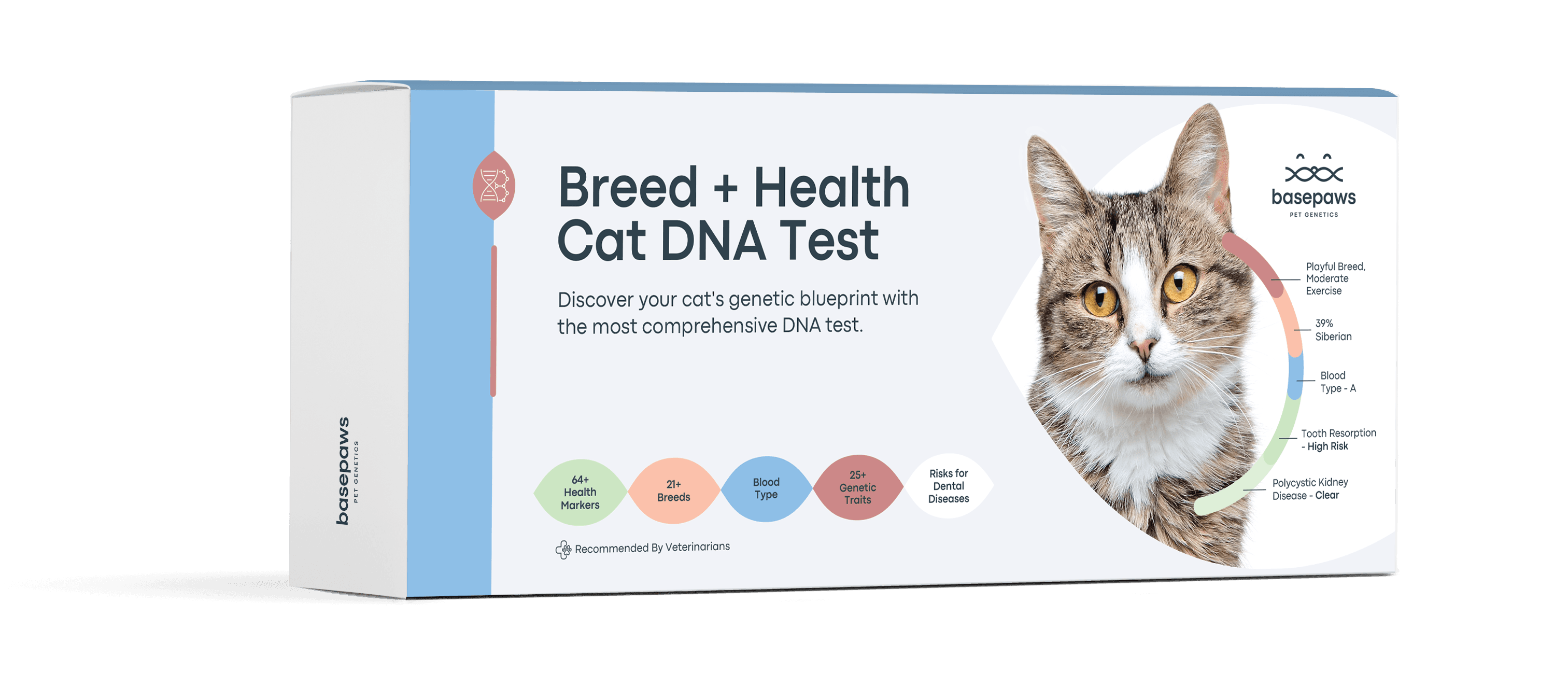
Don't know your cat's breed?
Get our DNA kit!

Some cat breeds are renowned for their capacity to bond with humans. Whether they're curling up in your lap or playfully engaging you in activity, these breeds not only cherish but actively seek out human interaction, making them the perfect companions for those who desire a deep bond with their pet.

Cats use their ears to express a wide range of emotions. Well-known “airplane” ears can signal anything from alertness to relaxation. Observing their overall body language helps reveal what they’re really feeling.

if this pandemic has taught us anything, it is that having a pet is even more beneficial and more fulfilling than we ever realized! A recent suggests that the human-animal bond can have a strong, positive impact on the quality of our lives, particularly during lockdowns.

We’re so excited to share that the latest results from the Basepaws Feline Health History Questionnaire are in! For the past two years, amazing pet parents like you in our customer and/or citizen science research community have filled out this questionnaire to help us learn about your furry family members’ physical appearance, health, eating habits, behaviors, and more.
This week we will be learning good habits to help track the overall health of our cats and how to keep your cat healthy. By learning what is normal for your cat you will be able to identify when something is abnormal.

From understanding what foods may be harmful to learning how to prevent injury and illness due to encounters with decorations, this article offers insights into winter holiday pet safety.
Cat World Domination Day is when cats are most likely to grab their chance to live as they did in their golden age. The proof is around you, with social media filled with cat memes and videos (as if cats didn’t already own the Internet!). So, how can you make sure you survive this auspicious day?
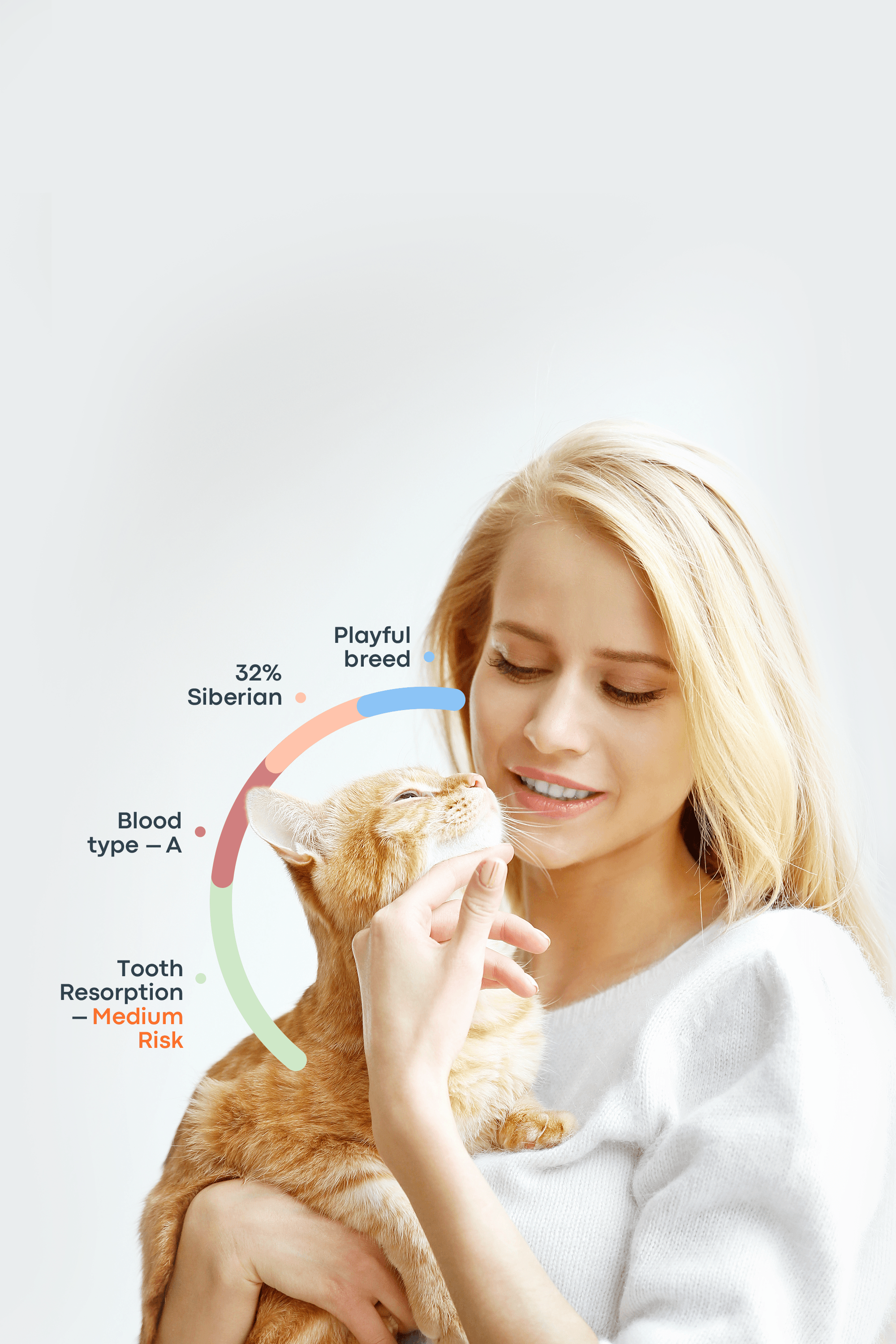
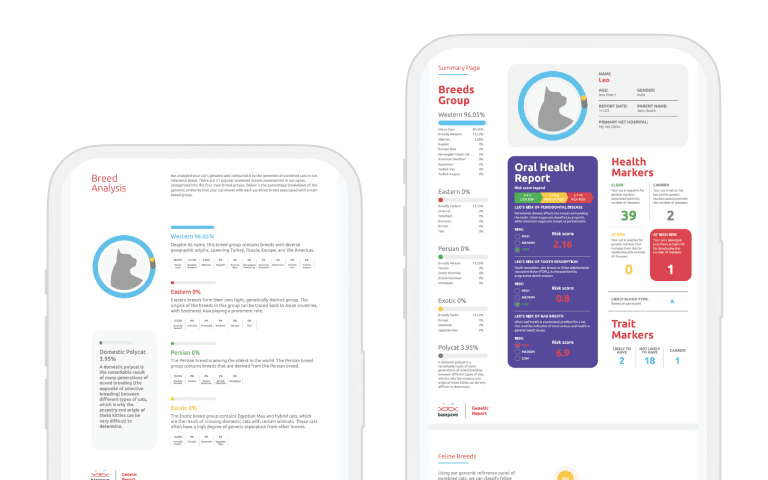
Enter your email to receive a sample cat report and preview the breed and health insights inside.