Is this breed part of your dog’s ancestry?
Discover your dog's connection to this breed and 200+ others



Discover your dog's connection to this breed and 200+ others
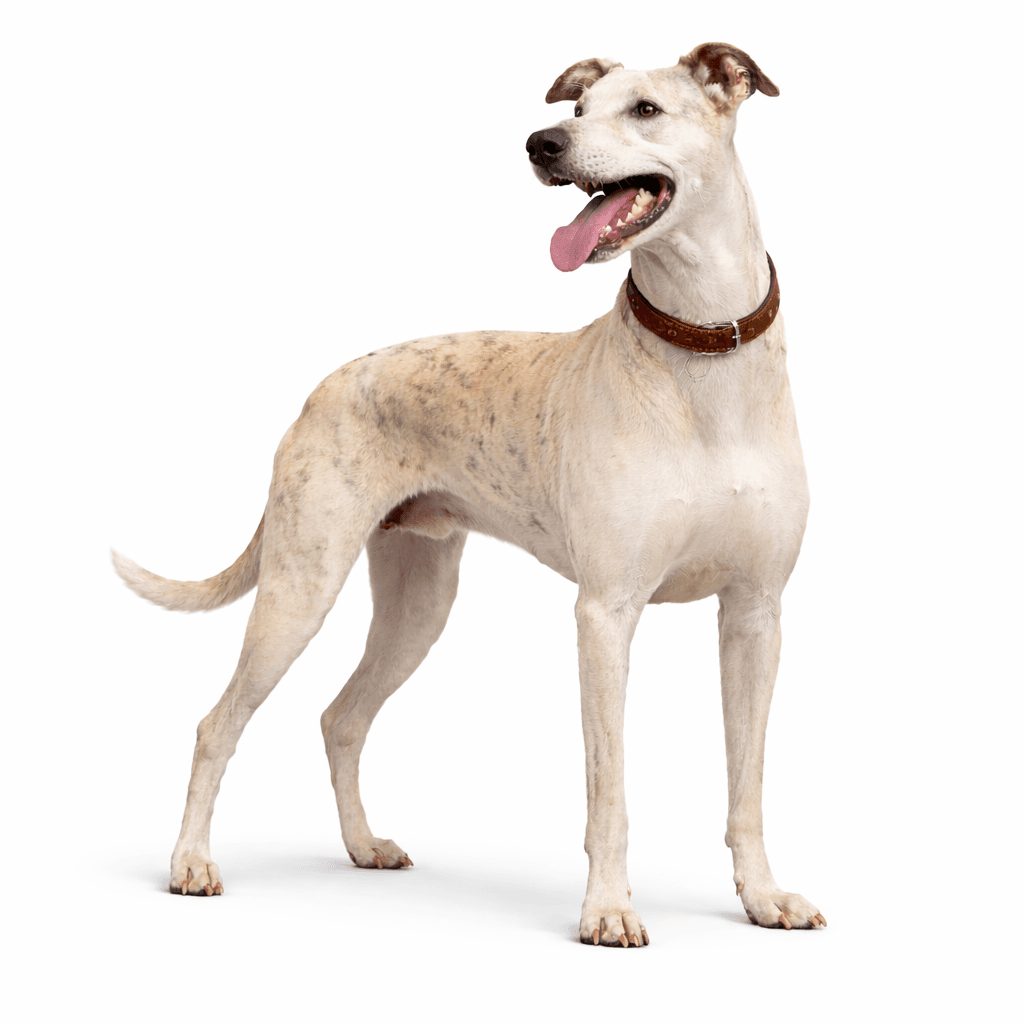
What is a Lurcher dog? A Lurcher is a type of dog created by crossing a sighthound—such as a Greyhound, Deerhound, or Saluki—with another breed, often a working dog like a Collie or Terrier. Traditionally bred for hunting, the Lurcher combines the speed and sharp eyesight of sighthounds with the intelligence and versatility of other breeds, and because they are not a standardized breed, a Lurcher’s size, coat, and temperament can vary depending on the parent dogs.
The Lurcher dog breed originated in the 14th century in the British Isles and Ireland and was traditionally developed by crossing sighthounds such as Greyhounds, Deerhounds, or Salukis with working breeds like Collies or Terriers. Hunters and poachers bred these dogs to pursue small game, combining the Greyhound’s speed with the intelligence and problem-solving ability of working dogs. The result was a fast, clever, and highly adaptable hunting companion. Over time, many Lurchers moved from the field into family homes as loyal companions. The American Kennel Club (AKC) does not recognize the Lurcher dog breed as an official breed because it is a cross rather than a standardized purebred.
Lurchers are often mistaken for Longdogs, but they are not the same. The Lurcher dog breed is typically a cross between a sighthound (such as a Greyhound) and a working breed (such as a Collie or Terrier), bred for a balance of speed and intelligence. A Longdog, by contrast, is a cross between two sighthounds (for example, Greyhound × Saluki) and is bred primarily for enhanced speed and hunting ability.
What is a Lurcher dog like? As a dog created through a Lurcher cross, usually between a sighthound such as a Greyhound, Deerhound, or Saluki and a working breed like a Collie or Terrier, the Lurcher does not have official size classifications. Lurcher size can vary widely depending on which parent breed’s traits are more dominant.
Lurcher Size
Weighs 33–99 lb (15–45 kg)
Stands 20–28 in (51–71 cm) tall
These differences often depend on the size and build of the breeds used in a Lurcher cross. Genetics, diet, and activity level may also influence the final size and appearance.
Lurcher coats can vary greatly. Some have short, sleek coats that lie close to the body, while others inherit rough or slightly wiry coats. Colors also vary widely and may include fawn, brown, white, black, tan, brindle, or combinations of these shades.
Their traits may also vary depending on generation:
F1 Lurcher: Sighthound × another breed (for example, Greyhound × Border Collie); a first-generation Lurcher cross that often shows a balanced mix of traits from both parents, such as speed, endurance, and working intelligence.
F1B Lurcher: F1 Lurcher × one of the original parent breeds (such as Greyhound or Border Collie); a backcross that may strengthen certain characteristics like coat type, size, prey drive, or trainability.
F2 Lurcher: Lurcher × Lurcher; a second-generation cross where traits can vary more widely, producing dogs that differ in size, coat texture, and temperament depending on the genetics they inherit.
Because the Lurcher is a mixed dog, characteristics such as Lurcher size, coat type, and overall appearance can vary significantly—even among dogs from the same litter.
Lurchers need plenty of exercise, including daily walks and regular chances to run in a secure, fenced area. They are fast dogs with a strong prey drive, so safe spaces to sprint are important. Without enough activity, they can become bored and restless.
They are affectionate and usually calm indoors once their exercise needs are met. Lurchers benefit from early socialization and consistent recall training. Because they are intelligent and sensitive, positive, reward-based training methods work best.
Grooming is generally simple. Most Lurchers need weekly brushing, along with regular ear cleaning, nail trimming, and dental care. A balanced, high-quality diet and routine veterinary visits help keep a Lurcher healthy and active.
Here are some common health issues seen in the breed:
Gastric Dilatation Volvulus (Bloat)
Deep-chested Lurchers may be at risk of bloat, a serious condition that requires immediate veterinary care. Feeding smaller meals, avoiding vigorous exercise after eating, and watching for sudden abdominal swelling can help reduce the risk.
Larger Lurchers may develop this aggressive bone cancer. Persistent lameness, swelling, or pain should be evaluated by a veterinarian as soon as possible.
Muscle or Foot Injuries
Like Greyhounds, Lurchers are fast and athletic, which makes them prone to sprains, strains, or torn paw pads, especially after running on rough ground.
Heatstroke
Lurchers can overheat during intense activity in hot weather. Provide shade, fresh water, and avoid exercise during very warm conditions.
Thyroid Imbalances
Some Lurchers may develop hypothyroidism, which can lead to weight gain, lethargy, and coat changes.
Eye Conditions
Eye injuries or irritation can occur due to their active lifestyle. Regular veterinary checkups help monitor eye health.
Obesity
Lurchers may gain excess weight if overfed or under-exercised. Balanced portions and daily activity help maintain a healthy weight.
Choose a high-quality commercial dog food that lists real meat as the first ingredient and meets AAFCO standards for complete and balanced nutrition. Foods labeled “complete and balanced” provide all essential nutrients in the correct proportions for a dog’s life stage, meaning they can serve as a dog’s primary diet.
Many Lurchers also do well on a Biologically Appropriate Raw Food (BARF) diet, which typically includes raw meat, bones, organs, and sometimes vegetables to mimic a more natural canine diet. However, raw feeding can carry risks such as nutrient imbalances or bacterial contamination if the diet is not carefully planned.
Always consult your veterinarian before switching diets to make sure the food supports your Lurcher’s nutritional needs.
The amount a Lurcher should eat depends on their weight, activity level, metabolism, and the calorie density of their food. In general, many adult Lurchers do well eating about 2–3% of their body weight per day, usually split into two meals (sometimes three for very active dogs). Exact portions may vary depending on the dog and the type of food.
Weight range: 40–50 lb (18–23 kg)
Food per meal: 1.25–1.75 cups
Weight range: 51–60 lb (23–27 kg)
Food per meal: 1.75–2.25 cups
Weight range: 61–70+ lb (27–32+ kg)
Food per meal: 2.25–2.75 cups
More active Lurchers may require slightly larger portions, while less active dogs may need smaller meals to maintain a healthy weight. Diet adjustments can also depend on age, metabolism, and overall health.
Lurcher puppies should be fed a high-calorie puppy diet formulated for medium- to large-breed dogs. They typically need 3–4 smaller meals per day to support steady growth and energy needs.
Keeping your Lurcher slim helps protect their joints and supports long-term mobility.
Lurchers can gain weight quickly, which may place extra stress on their joints.
Smaller, spaced meals can help reduce the risk of bloat (GDV).
Consider supplements or nutrients such as MSM, glucosamine, and chondroitin, especially for active or larger Lurchers.
Lurchers are typically intelligent, independent, and quietly affectionate with their families. Lurcher temperament can vary depending on the parent breeds involved, but most have a strong prey drive due to their sighthound heritage. They are classic “sprint-and-rest” dogs—capable of short bursts of speed outdoors and then happy to relax for long periods at home.
Lurchers can be difficult to recall, especially if they notice something worth chasing. They may also be opportunistic and sometimes try to steal food if given the chance. Sensitive by nature, Lurchers respond best to gentle, reward-based training, making early socialization and positive reinforcement especially important.
Secure off-leash running: Lurchers thrive when they have a safe, fenced space to sprint and stretch their legs.
Dog sports: Many enjoy high-energy activities such as cani-cross and lure coursing.
Scent-based games: Activities like man-trailing and scent games engage their natural hunting instincts and provide mental stimulation.
Interactive play: Short tug sessions can strengthen your bond and keep them mentally engaged.
Enrichment toys: Puzzle toys and treat dispensers help keep their intelligent minds occupied indoors.
Regularly check for dryness, flaking, redness, or irritation, and support healthy skin with proper nutrition and routine grooming.
Brush the coat once a week to remove loose hair and keep it clean and smooth.
Monitor for redness, discharge, or squinting, and gently clean the area with a damp cloth if necessary.
Inspect the ears regularly and clean them monthly with a vet-approved solution to remove debris and prevent odor or irritation.
Trim the nails monthly, or as needed, to prevent overgrowth, discomfort, and changes in the way your dog walks.
Brushing your Lurcher’s teeth several times a week with a dog-safe toothpaste can help prevent bad breath, gum disease, and potential tooth loss. Dental chews and toys designed to reduce plaque may also support your Lurcher’s dental routine, but they should not replace brushing. Because Lurchers often have relatively narrow muzzles, it’s especially important to monitor for signs of dental crowding or tartar buildup.
Living Space: Lurcher dogs do best in homes with a securely fenced yard; small apartments are usually less suitable.
Activity Needs: At least 60 minutes of daily exercise, including opportunities to sprint safely.
Grooming: Low to moderate; weekly brushing is usually enough (rough-coated types may need slightly more).
Temperament: Gentle, loyal, sensitive, and people-oriented.
Best For: Active owners who understand sighthound traits and exercise needs.
Before bringing a Lurcher home, make sure your lifestyle matches their needs. Lurchers adapt to most climates but may struggle in cold weather because of their lean bodies and thin coats, especially smooth-coated dogs. While they can live in apartments if given plenty of daily exercise, they usually do best in homes with a securely fenced yard due to their speed and strong prey drive.
Lurchers are affectionate and loyal but can also be independent, so they should not be left alone for long periods. They are often gentle with respectful children and usually get along well with other dogs, though homes with small pets require caution because of their prey drive. They typically shed lightly but may still trigger allergies in sensitive individuals. Monthly care costs for a Lurcher usually range from $75 to $200. Overall, they are best suited for active owners who can provide regular exercise, a safe running space, and consistent companionship.
What is a Lurcher? How big does a Lurcher get?
A Lurcher is a crossbreed dog, usually a mix between a sighthound and another breed, and most grow 20–28 inches (51–71 cm) tall and weigh 33–99 lb (15–45 kg).
Is a Lurcher hypoallergenic? Do Lurchers shed?
Lurchers are not hypoallergenic, and they do shed, though the amount varies depending on their coat type.
How long do Lurchers live?
Lurchers typically live 12–15 years with proper care, a balanced diet, and regular exercise.
How much do Lurchers cost?
Lurchers usually cost about $600–$800 from breeders, while adoption fees are often lower depending on the rescue.
What is the difference between Lurchers vs. Greyhounds?
A Lurcher is a sighthound crossbreed, while a Greyhound is a standardized purebred dog.
Are Lurchers high maintenance?
Lurchers are generally low maintenance in grooming but require daily exercise and secure spaces to run because of their strong prey drive.
Recommended by top vets with decades of experience
21 breeds
64 genetic health markers
50 genetic trait markers
