Is this breed part of your dog’s ancestry?
Discover your dog's connection to this breed and 200+ others



Discover your dog's connection to this breed and 200+ others
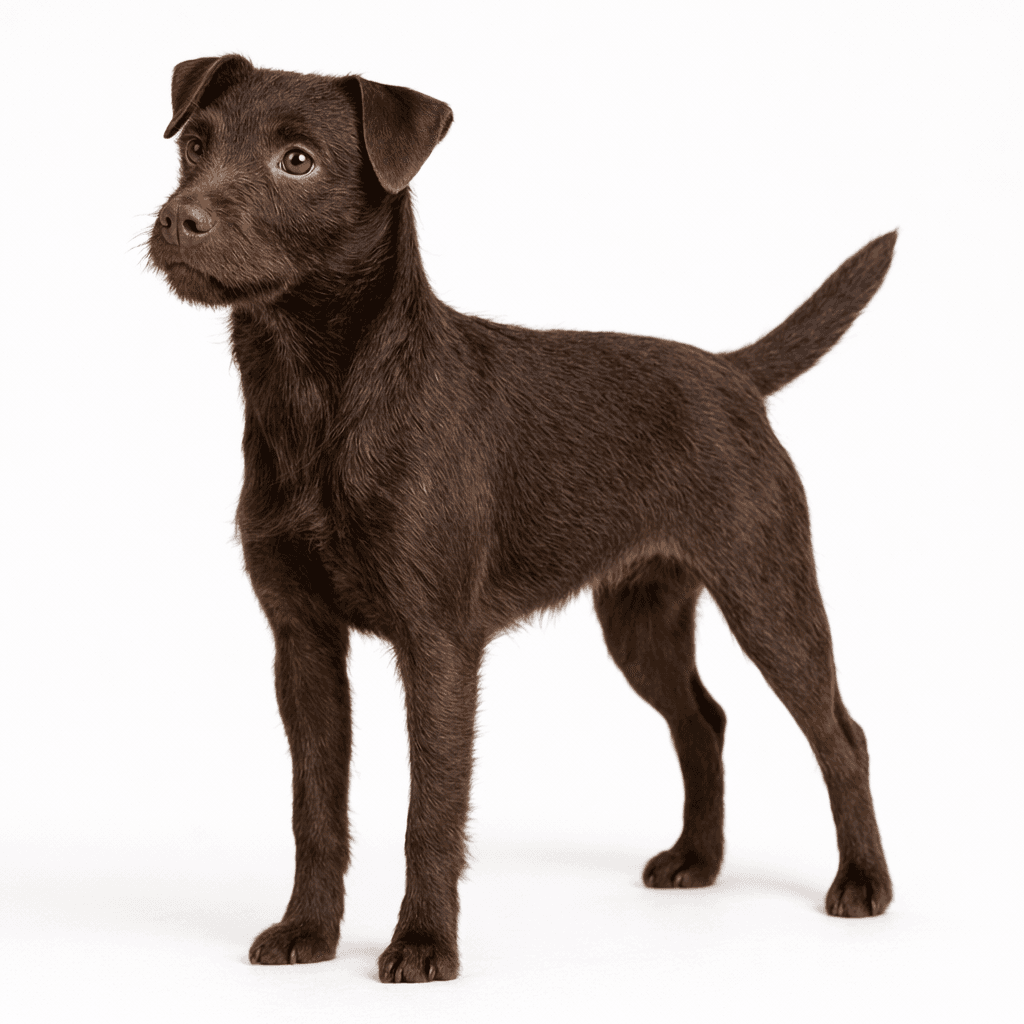
Patterdale Terriers are small, tough working dogs from the Lake District in northern England, originally bred to hunt foxes and other small quarries in rugged terrain. Despite their compact size, they are strong, agile, and highly energetic, with the stamina needed for demanding outdoor work. The Patterdale is not a strictly standardized breed, as breeders have traditionally focused more on working ability than appearance. This emphasis on function has helped preserve their natural instincts, intelligence, and strong drive to work.
The Patterdale Terrier originated in the Lake District of Cumbria, England, where they were developed in the late 19th century as a hardy working dog. They are closely linked to huntsman Joe Bowman, who helped refine the type to excel in rocky fells and tight underground spaces. The Patterdale draws heavily from Fell Terrier and Border Terrier lines, combining toughness, agility, and determination. The breed is not recognized by the American Kennel Club (AKC), but they are recognized by the United Kennel Club (UKC).
Patterdales are generally similar in weight, though their coat types and colors can vary.
Patterdale Terrier Size
Weighs 11–13 lb (5–5.8 kg)
Stands 10–15 in (25.4–38 cm) tall
They come in three coat types: smooth, broken, and rough (also called wire), all with a dense, weather-resistant texture suited for outdoor work. The Patterdale Terrier smooth coat is short and close-fitting, while broken and rough coats have more texture and may include slight facial furnishings like a beard or eyebrows. The term “long-haired Patterdale Terrier” is often used informally for these rough or wire-coated dogs. A soft or silky coat is generally considered undesirable in working lines.
Common colors include black, chocolate (liver), red, black and tan, and grizzle, sometimes with small white markings on the chest or feet.
Terms like F1, F1B, and F2 do not apply to Patterdales, as these labels are used for deliberate crossbreeds, while the Patterdale is a working type developed through selective breeding rather than a designed hybrid.
Caring for a Patterdale dog requires an owner who understands strong working terrier instincts. They do best in rural or semi-rural environments with access to a securely fenced yard, as their determination and athletic ability mean they can easily escape standard fencing. Apartment living is usually not a good fit, given their high energy levels, need for daily exercise, and tendency to vocalize.
Training should be consistent and based on positive reinforcement. Patterdales are intelligent but independent, with a strong prey drive that can make off-lead recall unreliable, so early training and clear boundaries are important. They tend to suit experienced owners, as first-time dog owners may find their stubborn streak challenging.
Grooming needs are low to moderate: smooth-coated dogs require only occasional brushing, while broken and rough coats benefit from hand-stripping to maintain their texture and remove dead hair.
Patterdale Terriers are generally hardy dogs, but like all breeds, they can be prone to certain health conditions. Regular veterinary checkups, along with responsible breeding and health testing, can help detect and manage issues early.
Note: the information below is for educational purposes only—always consult a licensed veterinarian for advice specific to your dog.
Primary Lens Luxation (PLL)
PLL is a hereditary eye condition where the lens becomes displaced from its normal position. If left untreated, it can lead to glaucoma and vision loss. DNA testing for the PLL gene mutation is available and strongly recommended for breeding dogs.
Eye Conditions
In addition to PLL, they may be at risk for progressive retinal atrophy (PRA) and other inherited eye disorders. Routine eye exams by a veterinarian can help monitor and protect long-term vision.
This condition involves abnormal development of the hip joint, which can lead to discomfort, stiffness, and reduced mobility over time. Maintaining a healthy weight and providing appropriate, low-impact exercise can help manage symptoms.
Intervertebral Disc Disease (IVDD)
IVDD affects the spinal discs, causing them to degenerate or herniate. Signs may include back pain, reluctance to move, or, in severe cases, coordination issues or paralysis. Keeping the dog fit and avoiding excessive strain can help reduce risk.
An underactive thyroid gland can result in weight gain, low energy levels, and coat thinning or dullness. This condition is typically manageable with daily medication once properly diagnosed.
Obesity
Even though they are active, Patterdale Terriers can gain weight if overfed or not exercised enough. Excess weight can worsen joint and spinal problems, so portion control and regular activity are essential.
A Patterdale dog is usually energetic and does best on a nutritionally complete, life-stage-appropriate diet. Puppy formulas support healthy bone and muscle development, while adult diets should provide enough calories and nutrients to match their active lifestyle. Senior dogs benefit from formulas with adjusted calorie levels and added joint support to help maintain mobility.
When choosing a food, look for products that meet the standards set by the Association of American Feed Control Officials (AAFCO). An AAFCO nutritional adequacy statement on the label confirms the food is complete and balanced for your dog’s specific life stage. No specific brands are endorsed, but consistent portion control, fresh water, and monitoring body condition are key to keeping them in good health.
Portion sizes vary depending on the individual dog’s activity level, age, and metabolism. For the most accurate guidance, consult your veterinarian and monitor your dog’s body condition regularly. As a general guide:
Weight range: 11–13 lb (5–6 kg)
Food per meal: 0.33–0.5 cups
Highly active or working dogs may need larger portions to meet their energy demands. Always follow the feeding guidelines on the food packaging and adjust amounts as needed to maintain a healthy weight.
Monitor body condition regularly; ribs should be easy to feel but not visibly prominent.
Split the daily food allowance into two meals to support digestion and help reduce the risk of bloating.
Keep treats to no more than 10% of total daily calorie intake to avoid unwanted weight gain.
Provide fresh, clean water at all times.
Adjust food portions as needed for working or highly active dogs with greater energy demands.
The Patterdale Terrier temperament is bold, intense, and highly energetic, reflecting their strong working background. Despite their small size, they are confident, determined dogs with a powerful drive to chase and explore. They are loyal to their owners and can be very affectionate within their family, often forming close bonds with the people they live with.
Their very high prey drive means they are not reliably safe around small animals such as cats, rabbits, or guinea pigs. Caution is also advised in homes with young children, as their quick reactions and low tolerance for rough handling can lead to unpredictable behavior if interactions are not properly managed.
Patterdale Terriers are natural diggers, chasers, and barkers—traits that made them effective working dogs but can be challenging in a home environment. They may dig under fences or in garden beds, so providing enough exercise, mental stimulation, and secure boundaries is important to manage these behaviors.
They can also develop separation anxiety if left alone for long periods, which may show as destructive behavior or excessive barking. Gradual training to be comfortable alone, along with a consistent daily routine, can help prevent this. Early socialization with people, other dogs, and different environments is essential to reduce the risk of fear-based reactivity or aggression as they mature.
Channeling a Patterdale’s natural instincts into structured activities is key to keeping them both mentally and physically satisfied. Without enough stimulation, they can become bored and develop destructive behaviors.
Barn hunts, scent work, agility, and terrier racing are excellent outlets for their drive and energy
Structured games like tug or controlled fetch can provide engagement at home
Puzzle toys and training sessions help challenge their intelligence
Regular exercise combined with mental tasks keeps them balanced and focused
A lack of stimulation can lead to digging, barking, or other unwanted behaviors.
Check the skin regularly for dryness, redness, or irritation, especially after time outdoors in rough terrain. Keep flea and tick prevention up to date, particularly in rural areas where exposure risk is higher.
Brush the coat 1–2 times per week to remove loose hair and debris. Dogs with broken or rough coats may need hand-stripping once or twice a year to remove dead undercoat; clipping can soften the coat texture over time.
Inspect the eyes weekly for discharge, cloudiness, or redness. Any sudden changes in appearance or sensitivity should be checked by a veterinarian.
Check the ears weekly for wax build-up, odor, or redness that could indicate infection. Clean gently with a vet-approved solution and avoid inserting anything deep into the ear canal.
Trim nails monthly or as needed. Overgrown nails can affect gait, cause discomfort, and increase the risk of splitting or injury during activity; if you hear them clicking on hard floors, they are due for a trim.
Brush teeth several times per week using dog-safe toothpaste to help prevent plaque and tartar build-up. Dental chews and water additives can support oral health, but they should not replace regular brushing.
Living Space: Adapts well but needs a secure, escape-proof garden
Activity Needs: High energy, requires 1–2 hours of exercise daily
Grooming: Low maintenance: weekly brushing, occasional hand-stripping for rough coats
Temperament: Bold, tenacious, and intelligent, but can be stubborn with a strong prey drive
Best For: Active, experienced owners in rural or semi-rural settings
While an excellent and highly active breed, they require an experienced owner, a secure yard, and plenty of mental stimulation to stay balanced. Their strong prey drive and interactions with young children should be carefully managed, as they may not tolerate rough handling or small animals. The Patterdale Terrier is best suited to owners who can provide consistent training, structured activity, and clear boundaries. In the right environment, they are loyal, driven, and highly rewarding companions, but they are not a low-maintenance or beginner-friendly breed.
In terms of cost, Patterdale Terriers typically range from $500 to $1500 when purchased from working breeders, though prices can vary based on lineage, location, and working ability. Adoption is also an option and is often more affordable. Ongoing expenses include quality food, routine veterinary care, parasite prevention, and occasional grooming, all of which should be factored into long-term ownership.
How big does a Patterdale Terrier get?
Adult Patterdale Terrier size typically ranges from 11–13 lb (5–5.8 kg) in weight and 10–15 in (25.4–38 cm) in height at the shoulder. Dogs from working lines may fall toward the smaller end of this range.
Is a Patterdale Terrier hypoallergenic?
No. Patterdale Terriers are not considered hypoallergenic, and they can still trigger allergies in sensitive individuals.
Do Patterdale Terriers shed?
Yes. They do shed, though the amount can vary depending on coat type. Smooth-coated dogs tend to shed more consistently, while rough or broken coats may shed less but still require regular maintenance.
How long do Patterdale Terriers live?
The Patterdale Terrier lifespan is about 10–14 years, with some dogs from healthy working lines reaching up to 15 years with proper care.
How much do Patterdale Terriers cost?
They typically cost between $500 and $1,500 for a puppy, depending on the breeder, lineage, and location. Working-line dogs from reputable breeders may be priced higher, and ongoing costs such as food, veterinary care, and training should also be considered.
What is the difference between Patterdale Terriers vs. Border Terriers?
While both are northern English working terriers, Border Terriers are recognized by major kennel clubs, including the American Kennel Club, and have a more consistent, standardized appearance. They are generally easier to manage in a typical home setting. Patterdale Terriers, in contrast, are more intensely driven, less predictable in temperament, and better suited to experienced handlers.
Are Patterdale Terriers high maintenance?
In terms of grooming, they are low to moderate maintenance. However, their need for exercise, mental stimulation, and consistent training is high. They are not a low-effort breed and do best with owners who are active, involved, and experienced.
Recommended by top vets with decades of experience
21 breeds
64 genetic health markers
50 genetic trait markers


Enter your email to receive a sample dog report and preview the breed and health insights inside.