Is this breed part of your cat’s ancestry?
Discover your cat's connection to this breed and 20 others
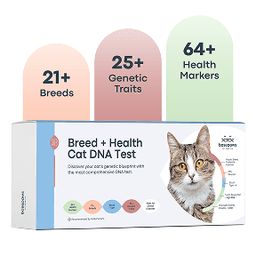

Discover your cat's connection to this breed and 20 others
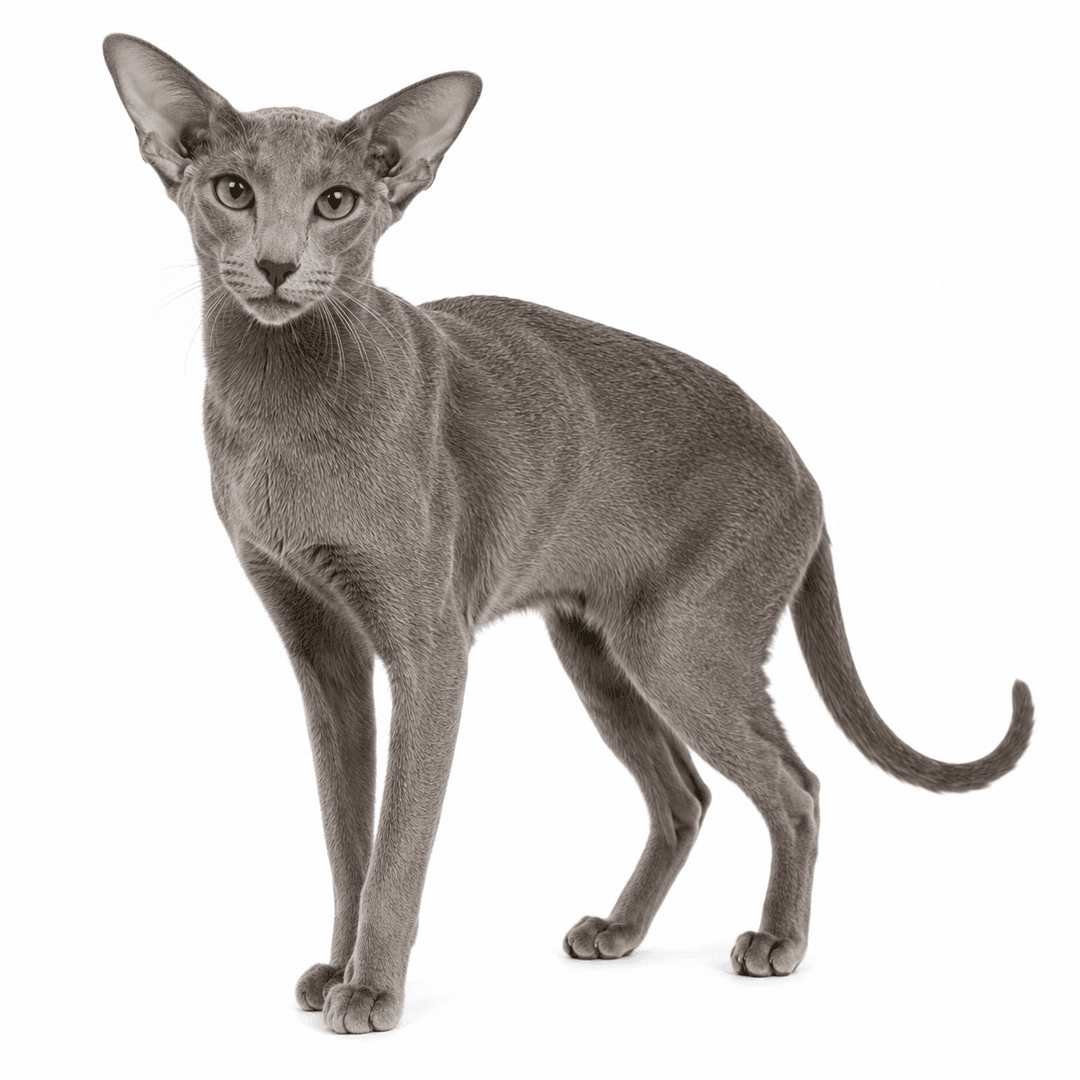
The Oriental Shorthair is a graceful, intelligent, and highly social cat breed recognized for its slender body, large expressive ears, and impressive range of coat colors and patterns. Closely related to the Siamese, the Oriental Shorthair is known for being very vocal and communicative with their family members. These cats thrive on attention and companionship, often forming deep bonds with the people around them. Playful, curious, and full of energy, they do best in interactive homes where they can stay mentally and physically engaged.
The Oriental Shorthair origin dates back to England in the 1950s, when breeders began selectively crossing Siamese cats after World War II. To introduce new coat colors and patterns while maintaining the Siamese’s refined body shape and outgoing personality, breeds such as the Russian Blue, Abyssinian, British Shorthair, and domestic shorthairs were later added to the breeding programs.
This careful development resulted in a sleek and elegant cat breed that comes in hundreds of color and pattern combinations beyond the traditional Siamese points. Today, the Oriental Shorthair is officially recognized by major cat organizations, including the Cat Fanciers' Association (CFA) and The International Cat Association (TICA).
The Oriental Shorthair is sometimes described as semi-hypoallergenic due to their short, fine coat and minimal shedding. Unlike many other breeds, they do not have a thick undercoat, which can help reduce the amount of loose fur and dander in the home. Their smooth coat also gives allergens fewer places to collect during grooming. However, no cat breed is completely hypoallergenic, and people with allergies may still react to proteins found in a cat’s saliva, skin, and dander.
Disclaimer: The term "hypoallergenic" refers to cat breeds that are less likely to trigger allergic reactions, not breeds that are completely allergy-free. These cats may shed less, have hair instead of fur, or produce lower levels of dander—all factors that can reduce, but not eliminate, allergic responses in sensitive individuals.
The traditional Oriental Shorthair has a sleek, balanced, and athletic appearance. However, some modern breeding lines emphasize more exaggerated features, including extremely large ears, elongated faces, and very slender body shapes. Some veterinarians and animal welfare advocates have raised concerns that these extreme traits may increase the risk of certain structural or health issues that could affect a cat’s long-term comfort and well-being.
The Oriental Shorthair is a medium-sized cat with a long, slender, and athletic body, fine bones, and a sleek coat that enhances their elegant appearance. This breed is especially recognizable for its oversized ears, almond-shaped eyes, and graceful yet muscular frame.
Oriental Shorthair Size
Weighs 6–12 lbs (2.7–5.4 kg)
Stands 9–11 in (23–28 cm) tall
A cat’s final Oriental Shorthair size and overall body condition can be influenced by genetics, nutrition, activity level, and general health. These cats develop gradually and may not reach full maturity until they are around 18–24 months old. In most cases, males are slightly larger and more muscular than females.
The Oriental Shorthair has a very short, smooth, and glossy coat that lies close to the body, giving the breed its refined and polished look. Their coat feels soft and silky to the touch and is considered fairly low-maintenance. Weekly brushing is usually enough to remove loose hair, distribute natural oils, and keep the coat healthy and shiny.
One of the Oriental Shorthair’s most distinctive features is the incredible variety of coat colors and patterns available. The breed comes in hundreds of combinations, including solid, tabby, tortoiseshell, torbie, smoke, silver, and bicolor patterns, making the Oriental Shorthair one of the most visually diverse cat breeds in the world.
Oriental cats do best in active, interactive homes where they receive plenty of attention, companionship, and mental stimulation. These highly social cats form strong bonds with their families and generally do not enjoy being left alone for long periods. Without enough interaction or enrichment, they may become vocal, restless, or develop mischievous behaviors as a way to seek attention.
Known for their intelligence and curiosity, Oriental Shorthairs thrive on activities that challenge both their mind and body. Many enjoy clicker training, learning tricks, playing fetch, and solving puzzle toys. They are naturally playful and inquisitive cats that often love climbing cat trees, exploring high perches, and participating in interactive games with their family members.
Their short, sleek coat is relatively low-maintenance and typically only requires weekly brushing to remove loose hair and maintain its soft, glossy appearance. Regular grooming routines should also include nail trimming, dental care, and ear cleaning to help support overall health. Because Oriental cats are so people-oriented, many tolerate grooming and routine care quite well when introduced gently from a young age.
The Oriental cat is generally considered a healthy and athletic breed. However, because of their close genetic connection to the Siamese, they may be more likely to develop certain inherited health conditions, including dental disease, progressive retinal atrophy, and some heart or respiratory issues. Regular veterinary care, a balanced diet, and responsible breeding practices can help support long-term health and early detection of potential problems.
Amyloidosis
Amyloidosis is a condition in which abnormal proteins called amyloids accumulate in organs such as the liver or kidneys of Oriental Shorthair cats. This disease is believed to have a hereditary component in Siamese-related breeds.
Common signs may include weight loss, reduced appetite, vomiting, lethargy, and increased thirst or urination. Although there is currently no cure, early diagnosis, supportive veterinary care, regular monitoring, and a proper diet may help slow progression and improve a cat’s quality of life.
Progressive Retinal Atrophy (PRA)
Oriental Shorthair cats may develop progressive retinal atrophy (PRA), an inherited eye disorder associated with their Siamese ancestry. PRA gradually damages the retina and can eventually lead to blindness.
Early signs often include difficulty seeing in low light, dilated pupils, and gradual vision loss. While there is no cure for PRA, genetic testing and responsible breeding can help reduce the risk of passing the condition to future generations. Cats affected by PRA often adapt well to indoor living when their environment remains consistent and safe.
Pica
Pica is a behavioral condition in which cats chew or swallow non-food items such as fabric, plastic, paper, or cords. This behavior is seen more frequently in Oriental Shorthairs, partly due to the breed’s highly intelligent, sensitive, and active nature. Stress, boredom, anxiety, or lack of stimulation may increase the risk.
Pica can become dangerous if a cat swallows objects that cause intestinal blockages or poisoning. Prevention usually focuses on providing regular playtime, enrichment activities, puzzle toys, and removing tempting household items. Veterinary guidance is important if the behavior becomes frequent or severe.
Dental Disease
The short haired Oriental cat can be more prone to dental disease because of their elongated wedge-shaped head and narrow jaw structure, which may contribute to overcrowded or misaligned teeth.
Signs of dental problems may include bad breath, red or swollen gums, drooling, difficulty eating, pawing at the mouth, or loose teeth. Consistent dental care is important for this breed and may include regular tooth brushing, dental treats, professional cleanings, and routine veterinary examinations to help prevent more serious oral health issues.
Asthma and Respiratory Issues
Oriental Shorthairs may have a higher risk of asthma and other respiratory conditions, possibly due to their narrow airways and refined facial structure. Symptoms can include coughing, wheezing, noisy breathing, or episodes of shortness of breath.
Managing respiratory issues often involves reducing environmental irritants such as smoke, dust, strong fragrances, or aerosols. Some cats may also require medications, inhalers, or long-term veterinary management to help keep symptoms under control.
Sensitivity to Anesthesia
Oriental Shorthair cats are sometimes considered more sensitive to anesthesia because of their lean body composition and fast metabolism, which can affect how their bodies process certain medications.
Before surgery or dental procedures, owners should discuss any concerns with their veterinarian. Pre-anesthetic blood testing, careful medication dosing, temperature monitoring, and close supervision during recovery can help improve safety and reduce potential complications.
Hypertrophic Cardiomyopathy (HCM)
Hypertrophic cardiomyopathy (HCM) is one of the most common heart diseases seen in cats and can also affect the Oriental cat. This condition causes the walls of the heart muscle to thicken, making it harder for the heart to pump blood effectively.
Signs may include lethargy, rapid breathing, weakness, reduced activity, or breathing difficulties. Some cats may show no symptoms in the early stages. Although HCM cannot always be prevented, regular veterinary checkups, heart screenings, and responsible breeding practices may help reduce risk. Treatment often includes medication and ongoing cardiac monitoring to support heart function and quality of life.
A balanced, high-protein diet plays an important role in helping an Oriental Shorthair maintain their lean muscles, energy levels, and overall health. It is best to choose cat food that meets Association of American Feed Control Officials (AAFCO) nutritional guidelines and matches the cat’s age, lifestyle, and individual health needs.
Adding wet food to the diet may also support hydration and help promote urinary tract health, which is especially beneficial for cats that do not drink enough water on their own. Because the Oriental Shorthair naturally has a slim and athletic body type, portion control and monitored feeding are important to help prevent unhealthy weight gain while still providing enough nutrition and energy.
Caloric needs in an Oriental Shorthair can vary depending on life stage, activity level, metabolism, and overall health, especially when comparing a growing Oriental Shorthair kitten to an adult cat. Because of this variation, consulting a veterinarian is the most reliable way to determine the appropriate daily feeding amount. A vet can provide personalized guidance to support a lean body condition, healthy metabolism, and long-term well-being.
High-protein foods made primarily from animal-based ingredients are ideal for supporting the energy levels and lean muscle mass of the active Oriental cat breed.
Fresh, clean water should always be available to help support proper hydration and overall health.
Portion-controlled feeding can help maintain a healthy body condition and prevent excess weight gain.
Wet food may provide additional hydration and can help support urinary tract health.
A cat’s calorie requirements may change depending on their age, activity level, metabolism, and overall health.
Feeding too many treats or table scraps may lead to unhealthy weight gain and nutritional imbalance.
The Oriental Shorthair personality is often described as affectionate, intelligent, and highly social. These cats form strong bonds with their families and usually enjoy being involved in everyday activities. Many Oriental Shorthairs love following their favorite people from room to room, seeking attention, companionship, and interactive play whenever possible.
Oriental Shorthairs are also known for being extremely vocal and expressive, often communicating through a variety of meows, chirps, and trills. Curious and energetic by nature, they tend to keep their playful, kitten-like behavior well into adulthood. Their combination of intelligence, affection, and lively personality makes them an engaging companion for owners who want a very interactive and people-oriented cat.
Oriental Shorthair cats are naturally curious, active, and eager to explore their surroundings. Many enjoy climbing cat trees, jumping onto high perches, and observing everything happening around the home. They often like to stay close to their family members and may “help” or supervise daily activities simply because they enjoy being involved.
Because of their intelligence and highly social nature, Oriental Shorthairs need regular interaction and mental stimulation to stay happy. If left alone or bored for too long, they may become loud, restless, or develop mischievous habits. Many of these cats enjoy interactive games, learning tricks, playing fetch, and solving puzzle toys, and they are often confident and outgoing around visitors and guests.
Fetch Games: Many Oriental Shorthairs enjoy chasing and returning small toys, making fetch a fun way to encourage exercise and interaction.
Puzzle Feeders: Food puzzles and treat-dispensing toys help provide mental stimulation while slowing down mealtime and reducing boredom.
Agility Activities: Tunnels, small jumps, and climbing setups allow these energetic cats to stay active and burn off excess energy in an engaging way.
Interactive Wand Toys: Feather wands, moving teasers, and chase toys appeal to the breed’s natural hunting instincts and encourage active play.
Cat Trees and Climbing Towers: Tall climbing structures and shelves give Oriental Shorthairs safe spaces to explore, jump, and observe their surroundings from above.
Clicker Training: These intelligent cats often respond very well to clicker training and can learn tricks, commands, and interactive games that strengthen their bond with their owners.
Owners should regularly examine the Oriental Shorthair cat for signs of dry skin, irritation, parasites, rashes, or unusual bumps. Occasional wipe-downs with a soft cloth can help remove loose hair and excess oils while keeping the coat smooth and glossy. A balanced diet rich in omega-3 and omega-6 fatty acids may also help support healthy skin and coat condition.
The Oriental Shorthair’s short, sleek coat is fairly low-maintenance and usually only requires weekly brushing with a soft brush or stainless steel comb. Regular grooming helps remove loose hair, distribute natural skin oils, and maintain the coat’s shiny appearance. Grooming sessions are also a good opportunity to bond with the cat while checking for skin issues, lumps, or external parasites.
The large eyes of an Oriental Shorthair may occasionally develop mild discharge that can be gently cleaned using a soft, damp cloth. Owners should monitor for redness, squinting, excessive tearing, cloudiness, or ongoing irritation. If these symptoms continue, a veterinary examination is recommended to rule out infections or other eye conditions.
Weekly ear checks can help keep the Oriental Shorthair cat comfortable and healthy. Look for wax buildup, dirt, redness, irritation, or unusual odors inside the ears. Debris can be gently cleaned with a cotton pad and a veterinarian-approved ear cleaner. Cotton swabs should never be inserted deep into the ear canal, as they may cause injury or irritation.
Cats naturally shed old claw sheaths through scratchers and scratching toys, so it’s important for pet owners to provide them regularly. Nail trimming is only needed when claws become too long, start snagging on fabrics, or cause discomfort during movement or scratching.
Top scratcher picks and materials include:
Vertical posts (32–36 inches / 81–91 cm tall; great for full-body stretching; sisal fabric is more durable than rope)
Corrugated cardboard scratchers (affordable, lightweight, often used as both scratchers and loungers)
Angled/triangle scratchers (a mix of vertical and horizontal surfaces; ideal for different scratching styles)
Dental care is especially important for Oriental Shorthair cats because the breed may be more prone to oral health issues. Regular brushing with veterinarian-approved cat toothpaste can help reduce plaque and tartar buildup. Dental treats, chew toys, and routine professional cleanings may also support healthier teeth and gums while helping lower the risk of dental disease.
Living Space: Apartment-friendly with enough enrichment and interaction.
Activity Needs: High; needs 1–2 hours of daily activity and play.
Grooming: Low; weekly brushing is usually enough.
Temperament: Affectionate, vocal, intelligent, playful, and curious.
Best For: Families, active owners, and social households.
Potential owners of the Oriental Shorthair should be prepared for a highly social, intelligent, and attention-loving companion. These cats thrive on daily interaction, playtime, and close companionship with their families. Without enough mental stimulation or social engagement, they may become bored, vocal, or mischievous. Adopting an Oriental Shorthair from a shelter or rescue may cost around $75–$300, while purchasing one from a reputable breeder often ranges from $800–$2,500 or more depending on lineage, location, and coat traits.
Although Oriental Shorthairs are fairly low-maintenance in terms of grooming, they still need regular brushing, nail trims, ear cleaning, and dental care to stay healthy. Owners should also plan for ongoing expenses such as high-quality food, veterinary visits, toys, climbing furniture, and enrichment activities. Because these cats are naturally curious, athletic, and adventurous, keeping them indoors or providing a secure catio is usually the safest option.
How big does an Oriental Shorthair get?
Oriental Shorthair cats typically weigh 6–12 lbs (2.7–5.4 kg) and stand around 9–11 inches (23–28 cm) tall.
Is an Oriental Shorthair hypoallergenic?
The Oriental Shorthair is often considered semi-hypoallergenic because of their short coat and relatively low shedding, but no cat breed is completely allergy-free.
How long do Oriental Shorthairs live?
The average Oriental Shorthair lifespan is about 12–15 years, although many cats can live even longer with proper nutrition, veterinary care, and a healthy indoor lifestyle.
How much do Oriental Shorthairs cost?
Oriental Shorthair kittens from reputable breeders usually cost between $800–$2,500 depending on lineage, breeder reputation, coat traits, and location. People searching for an Oriental Shorthair for adoption may find lower adoption fees through shelters or breed-specific rescue organizations.
What is the difference between Oriental Shorthairs vs. Siamese?
Oriental Shorthairs and Siamese cats share a similar body type and personality, but Oriental Shorthairs come in a much wider variety of coat colors and patterns, while Siamese cats are known for their pointed coats.
Are Oriental Shorthairs high maintenance?
Oriental Shorthairs are considered moderately high-maintenance because they need daily attention, interactive play, mental stimulation, and regular companionship to stay happy and emotionally healthy.
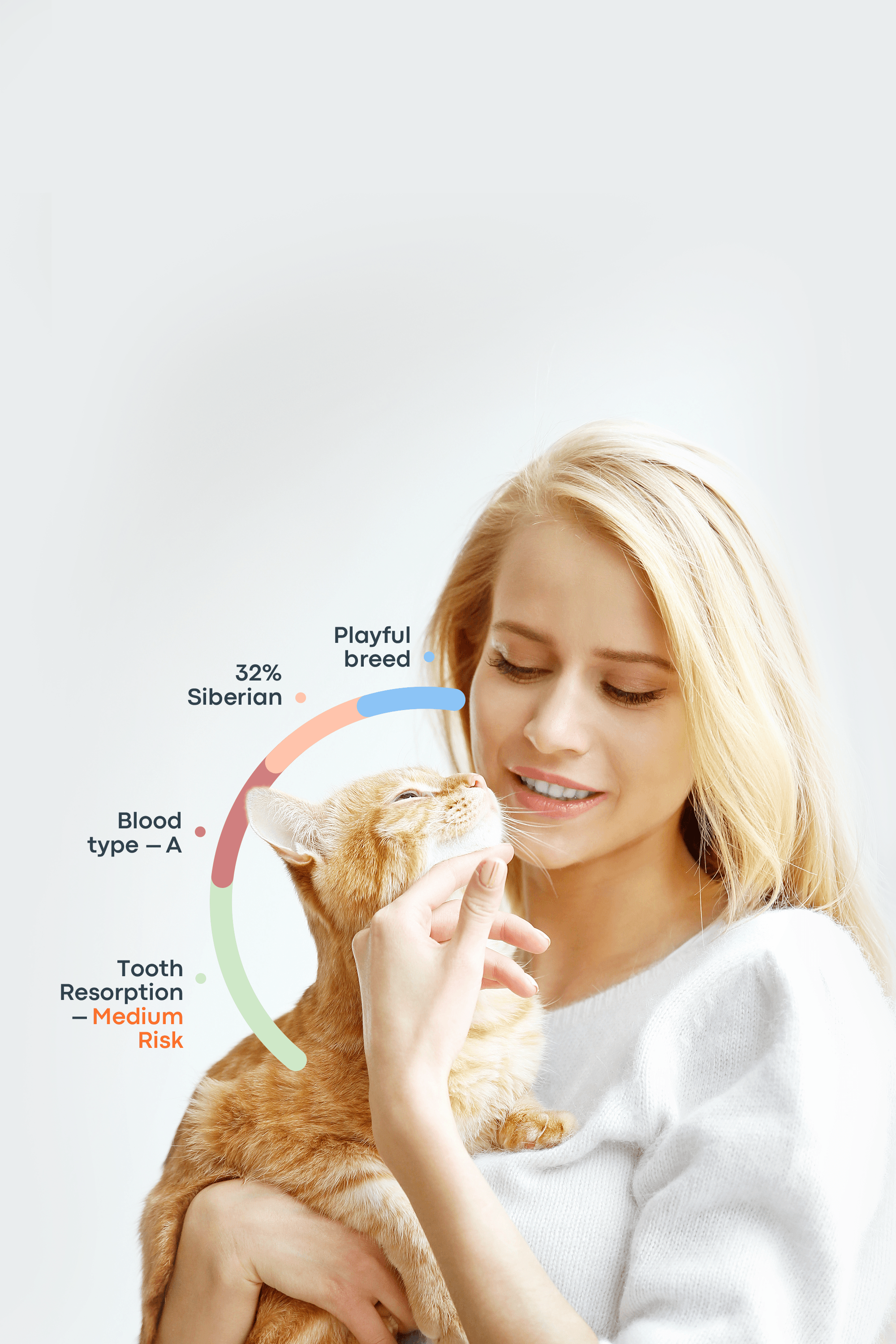
Recommended by top vets with decades of experience
21 breeds
64 genetic health markers
50 genetic trait markers

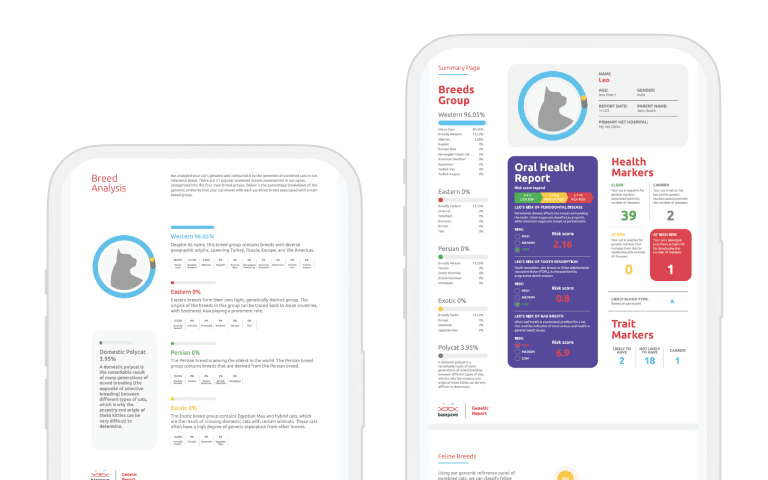
Enter your email to receive a sample cat report and preview the breed and health insights inside.