Don't know your cat's breed?
Get our DNA kit!
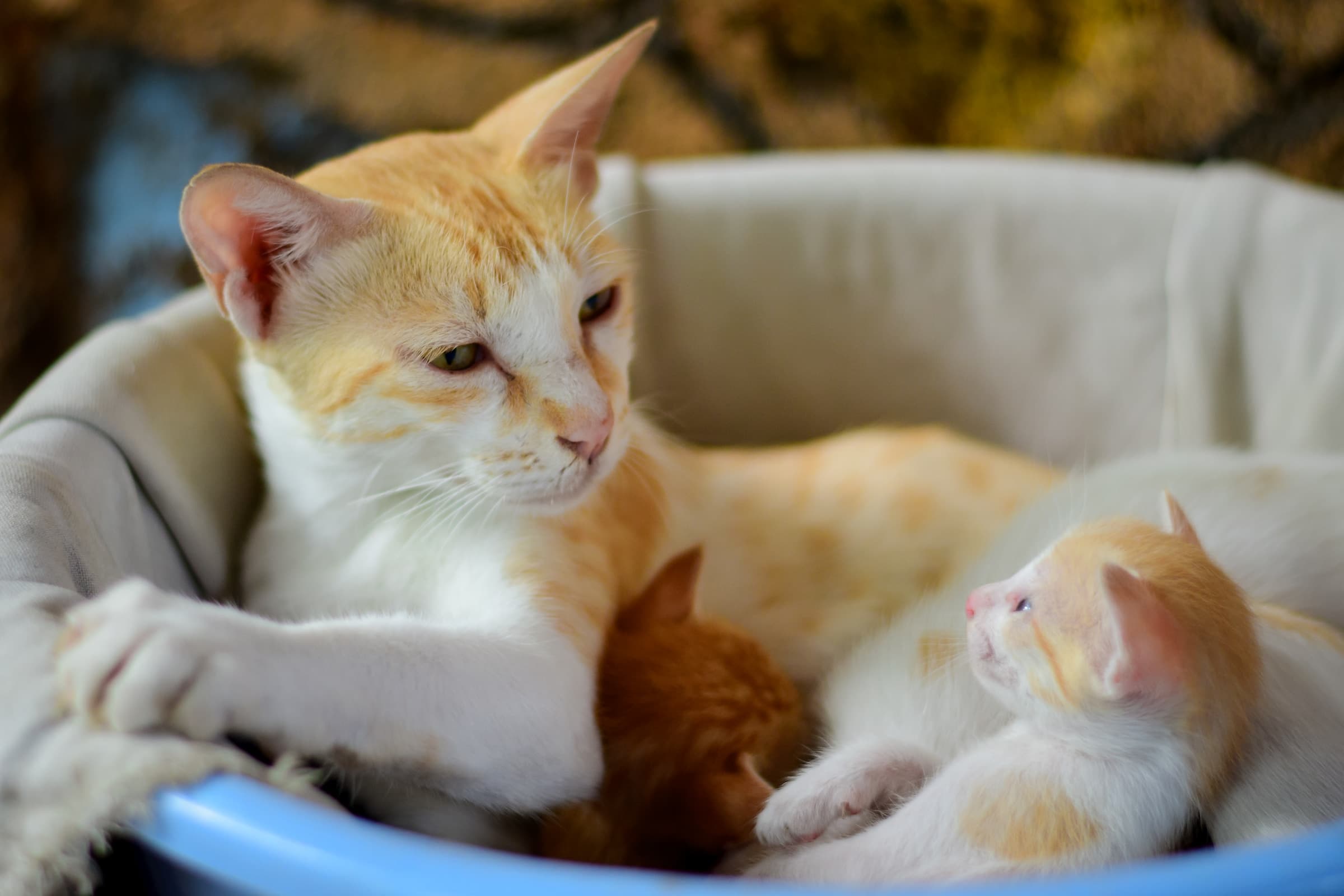
How much should a kitten be fed in a day? The short answer is it depends on age and weight. Kittens have special nutritional requirements different from adult cats. It’s important for pet parents to have a feeding schedule to keep them healthy.
When it comes to the health and well-being of any living companion, sleep is an essential part of their daily lives. Just like humans, cats also experience disruption in their sleep patterns due to various factors, in turnn leading pet owners search for some potential solutions. One solution that has gained popularity is melatonin. Now, the question arises: Can you give melatonin to cats? Read this article to explore the world of melatonin in cats. It will also briefly explain the uses, safety considerations, and proper cat melatonin administration.
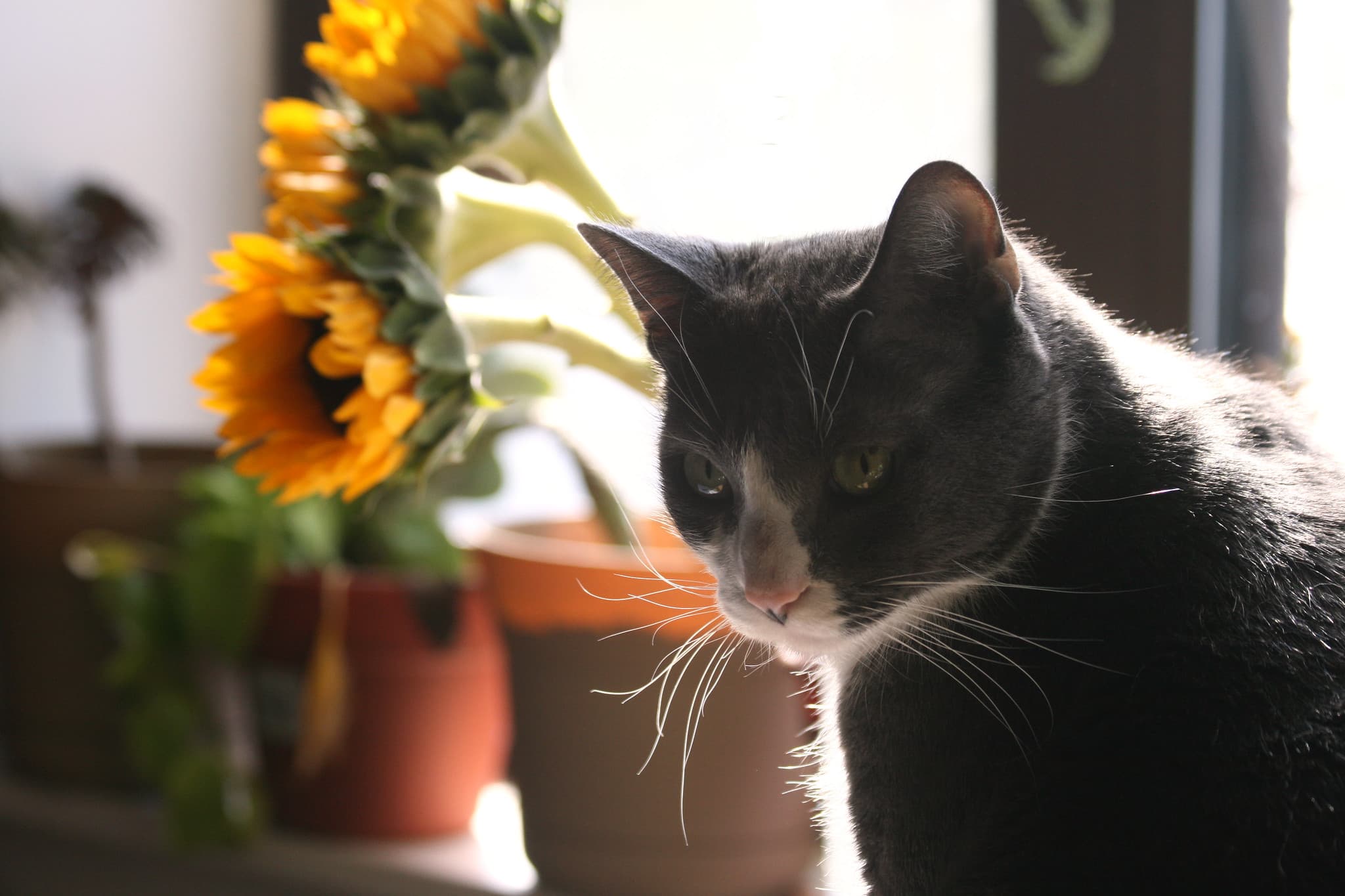
Sunflowers are majestic and striking plants that enhance any living space as they look as cheery in a vase as they do in your garden. These flowers boast large, attention-grabbing blooms that are also irresistible to your cat. In fact, your feline companion might see your glorious sunflowers as a convenient snack.

Carnations are a common flower in areas such as Europe, North Africa, and certain parts of North America. Their typical bloom time is in late July to early August, and they generally go to seed in September. Maybe people enjoy their cheerful blooms in their gardens and as colorful bouquets indoors. But, if you are a cat parent, you may wonder if carnations are toxic to your furry little friend. So, are carnations safe for cats or maybe cats and carnations aren’t a good mix?

Understanding which types of plants are harmful to your pets is an important part of pet parenthood. Christmas Cactuses may look beautiful (and are perfectly safe for humans) can be dangerous and potentially deadly if consumed by our furry friends.
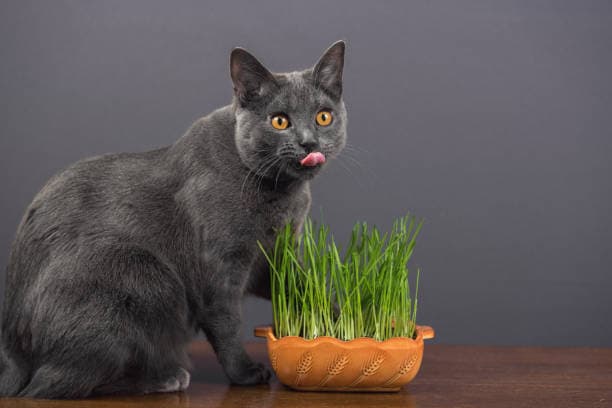
Eating grass is a feline instinct that reaches back to all cats' ancestors. It improves digestion and induces regurgitation to cleanse the stomach of fur, feathers, and bones from the prey.
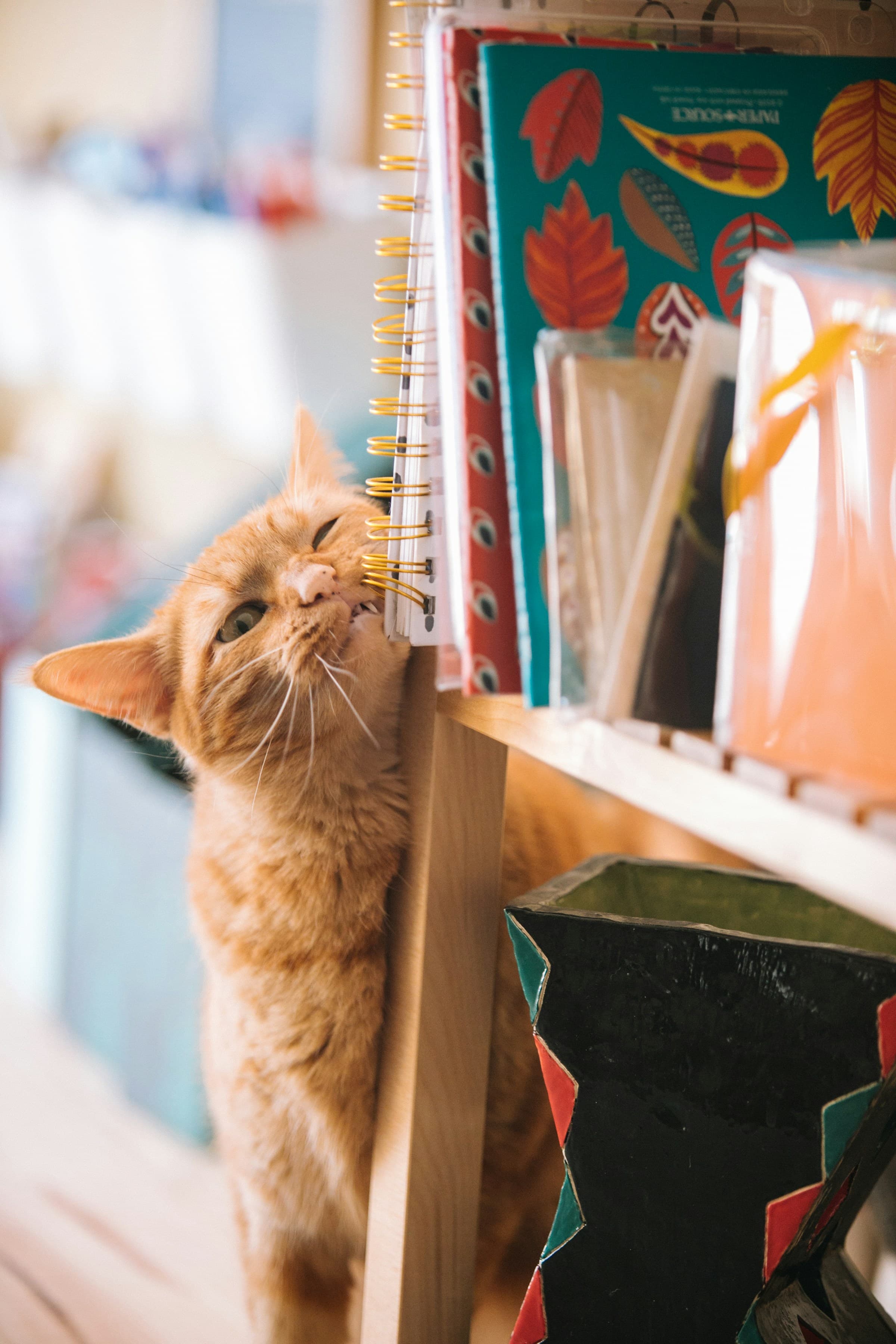
By taking your cat to the vet regularly, you’re not only helping them stay happy and healthy but also making sure you identify any potential health concerns as early as possible.