Don't know your cat's breed?
Get our DNA kit!
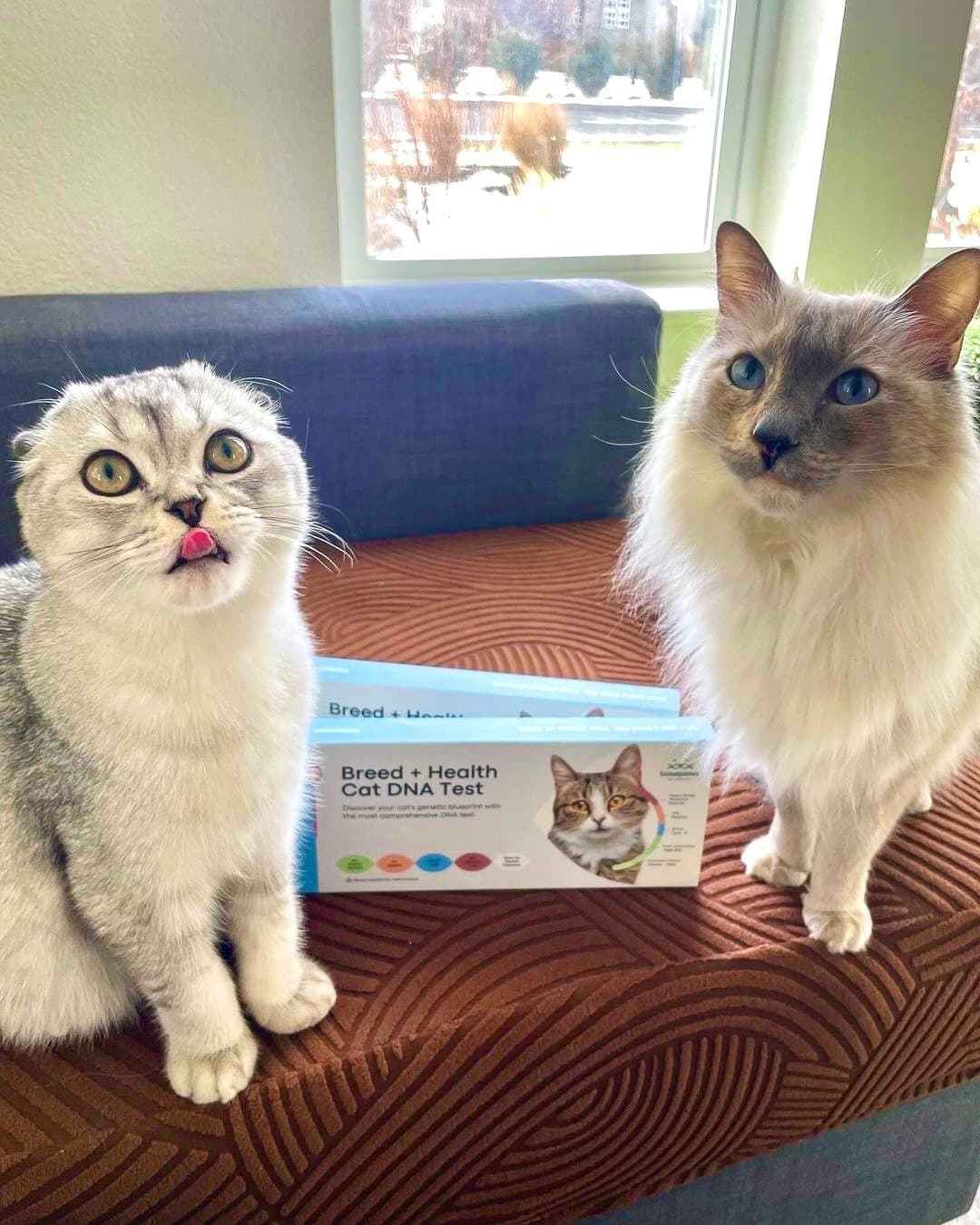
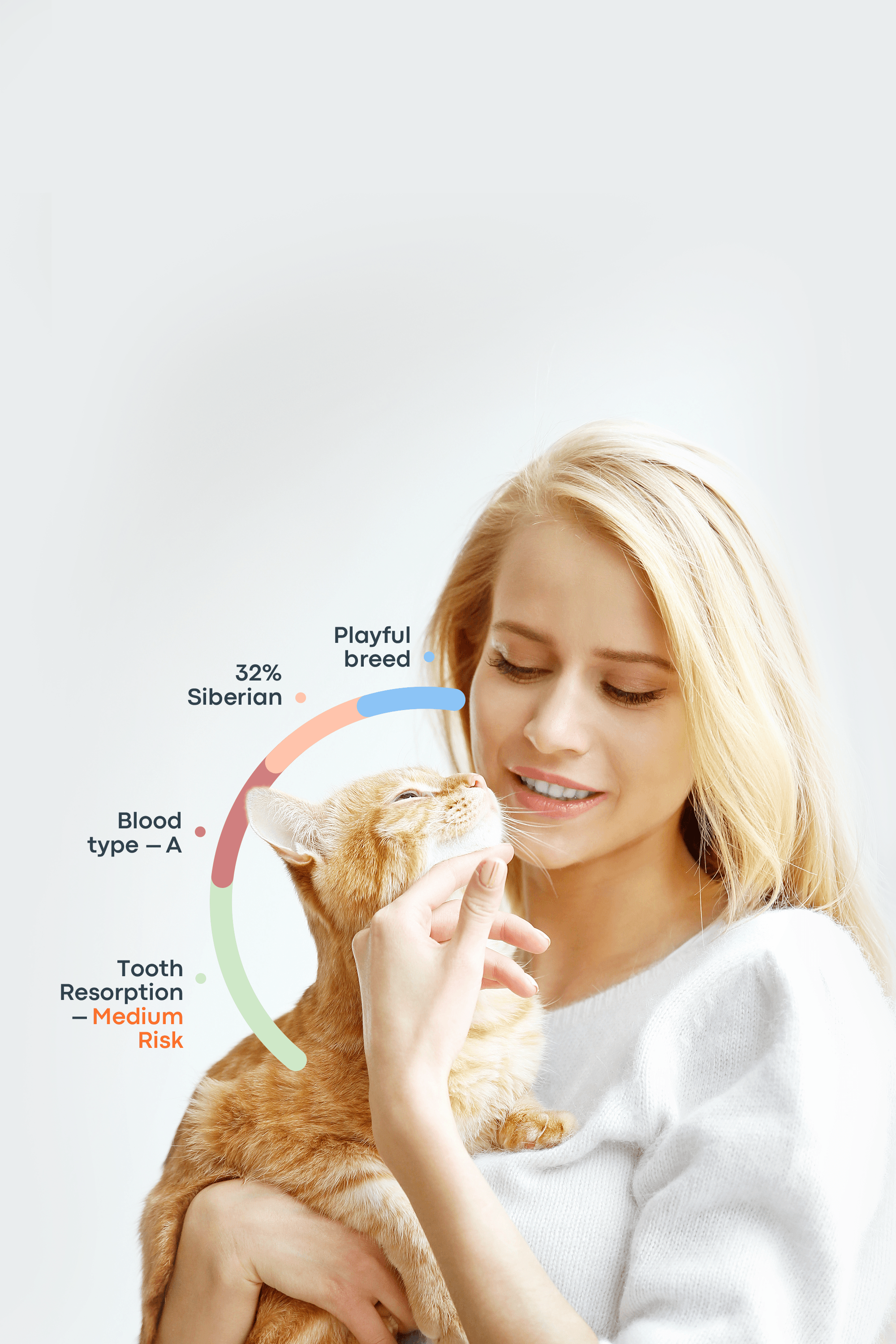
Basepaws provides pet parents like you with comprehensive DNA tests and informative resources to help your cat to live their best life. A quick and easy at-home swab of your kitty's mouth offers a world of valuable information about their unique breed mix, genetic predisposition to 43 health conditions, and genetic traits responsible for their fabulous appearance.
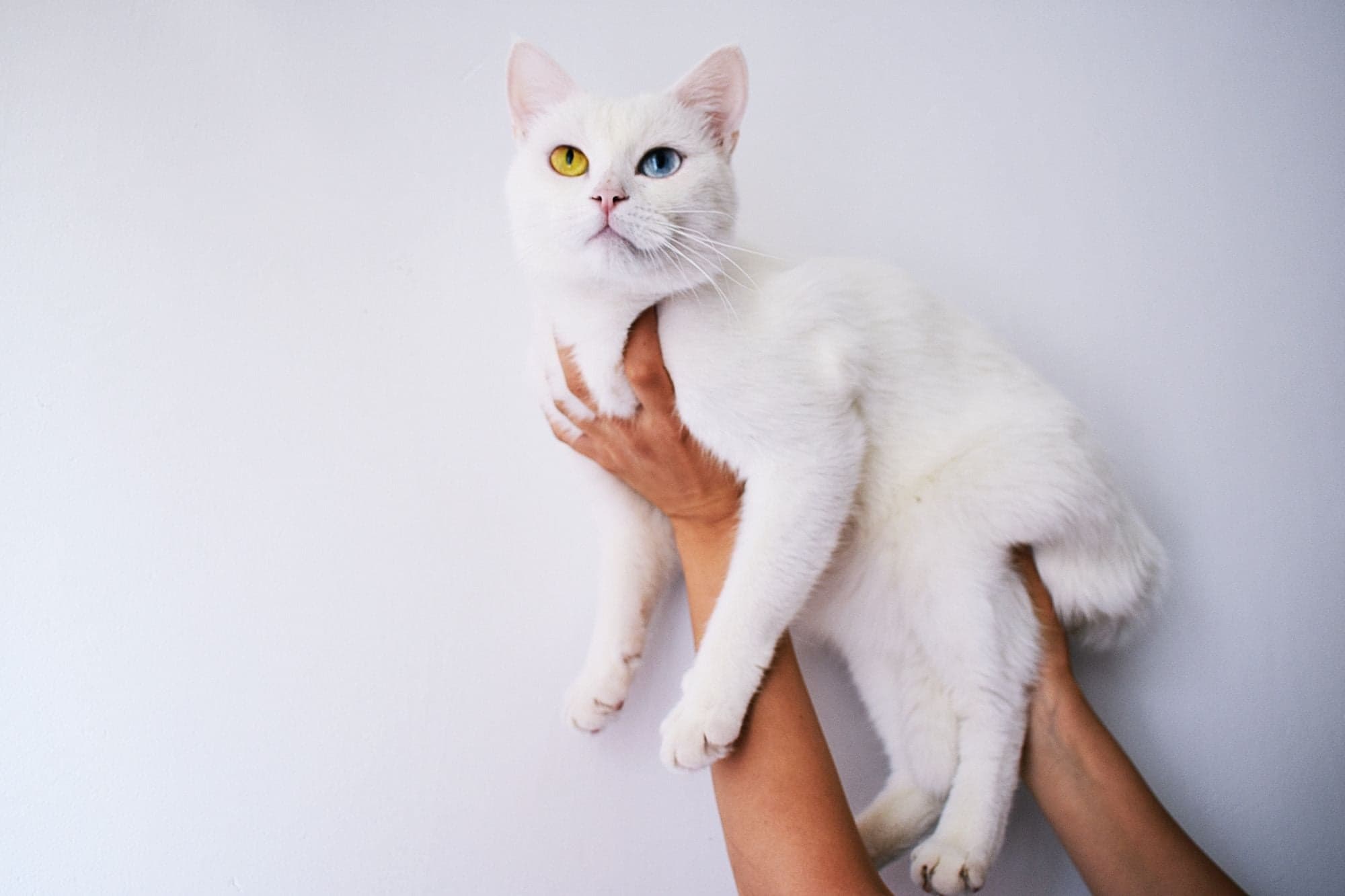
If your beautiful feline’s eyes are two different colors – yellow and blue perhaps – then you’ve got yourself an odd-eyed kitten! These captivating little creatures are carriers of a feline form of a condition known as complete heterochromia. Heterochromia in cats is a captivating genetic anomaly most commonly observed in white kitties.
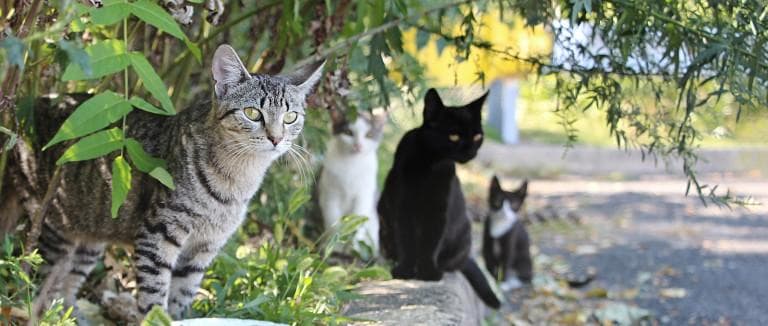
March is Poison Prevention Month and Basepaws wants to make sure you have as much information as possible to keep your cats out of harm’s way.
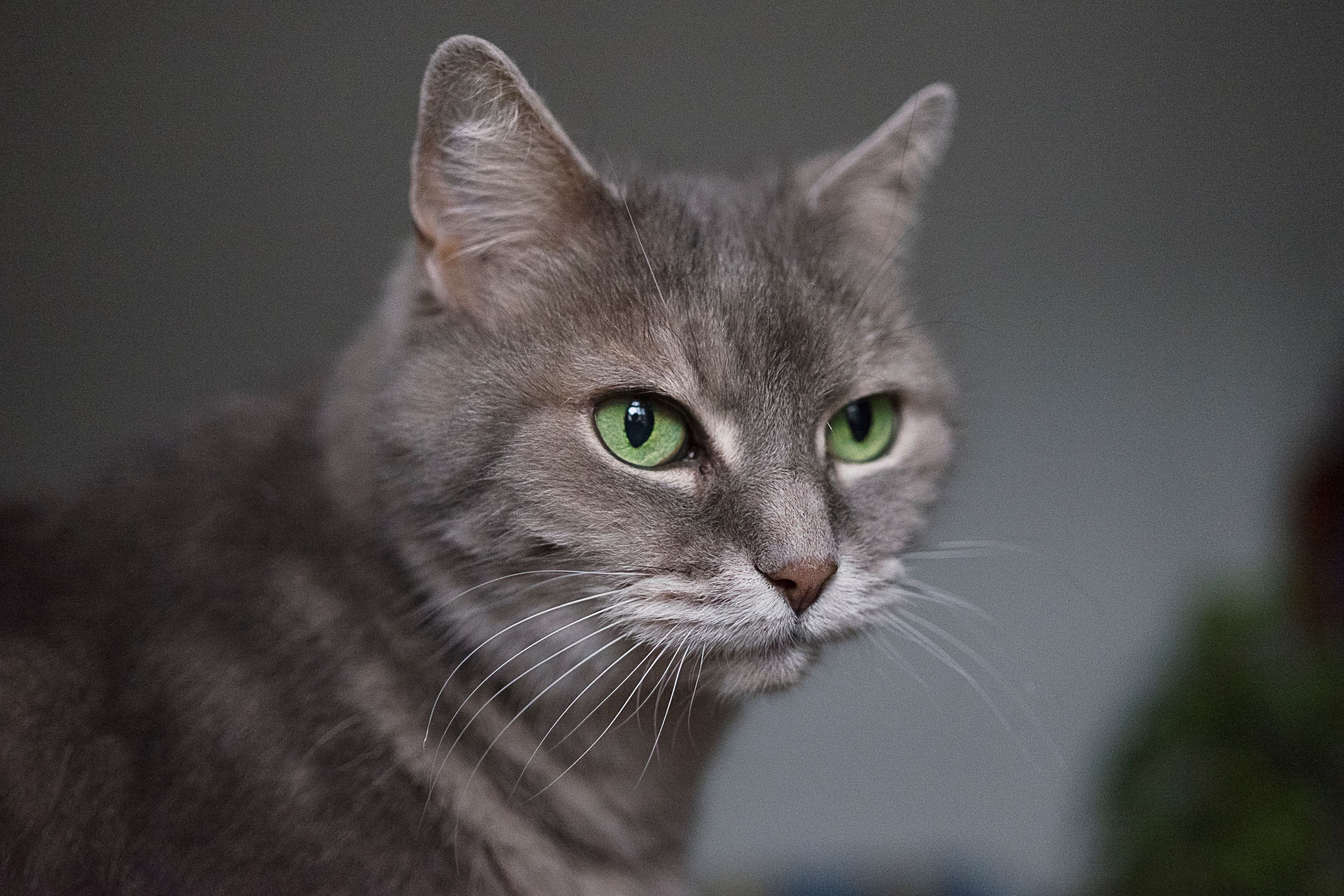
Basepaws has added new genetic health and trait markers to its flagship Breed + Health Cat DNA test. In the Health Marker section of your cat’s report, Basepaws provides their results related to 43 genetic disorders that are represented by 64 health markers.
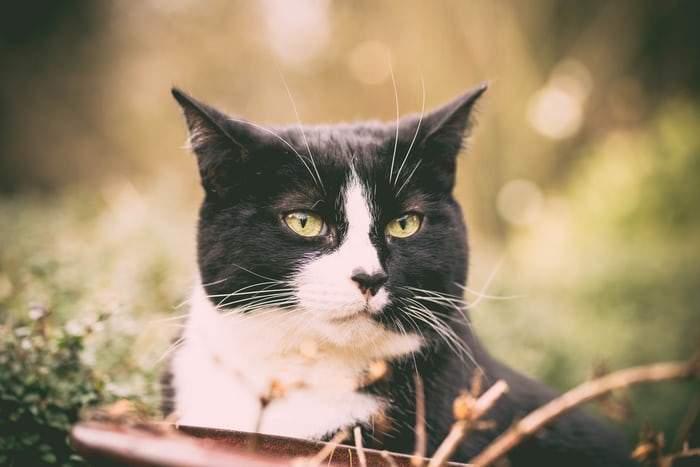
Mucopolysaccharidosis in cats is a group of metabolic disorders characterized by an enzymatic deficiency and improper digestion of glycosaminoglycans (GAGs). There are three types of feline mucopolysaccharidosis described: MPS I, MPS VI and MPS VII.
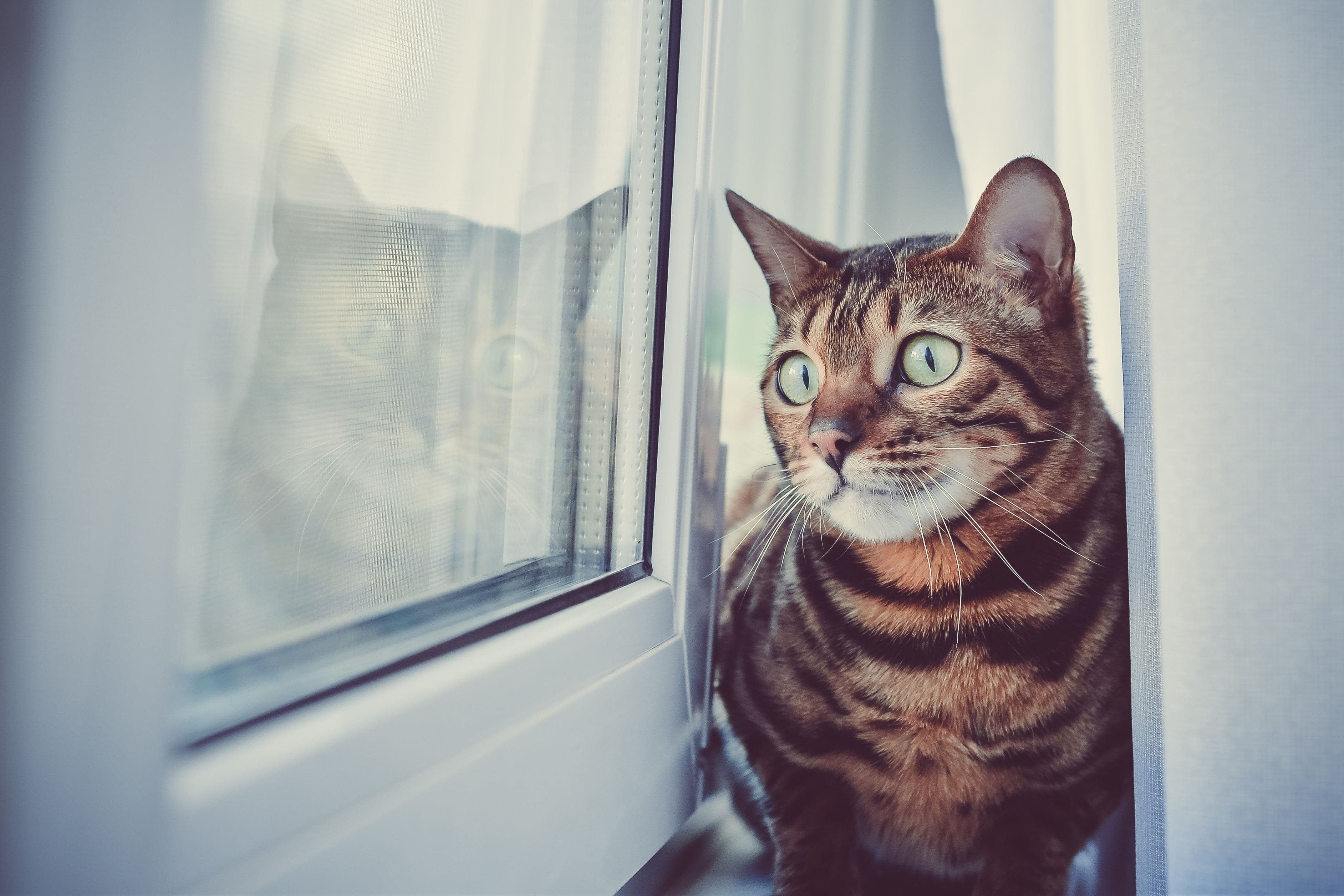
Asthma is a long-term inflammatory disease of the airways of the lungs. It is fairly common in people, but we often overlook the fact that it occurs in cats as well.
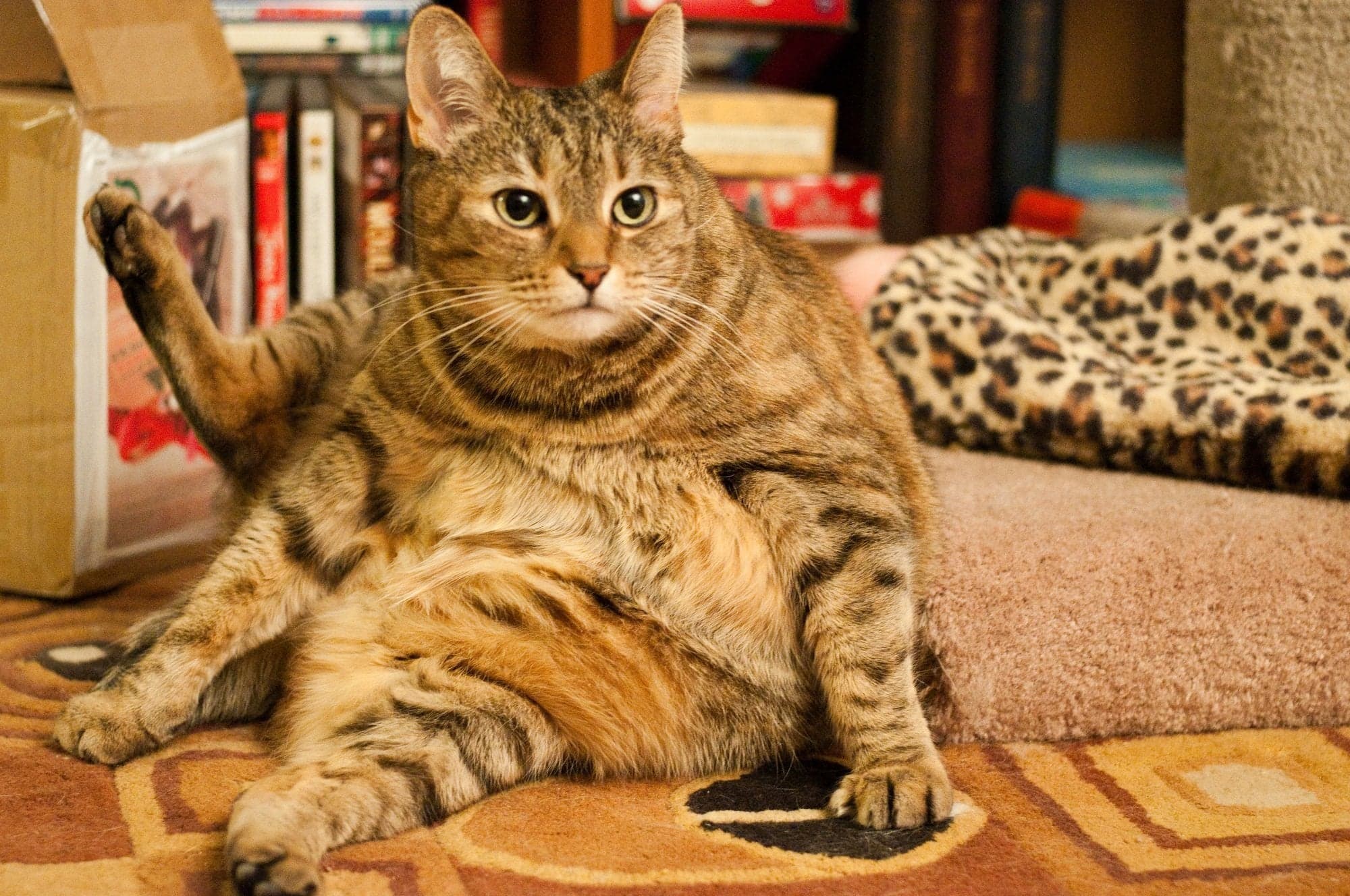
Read on to learn more about the prevention and treatment of feline obesity and keep your kitty healthy and happy for many years to come.
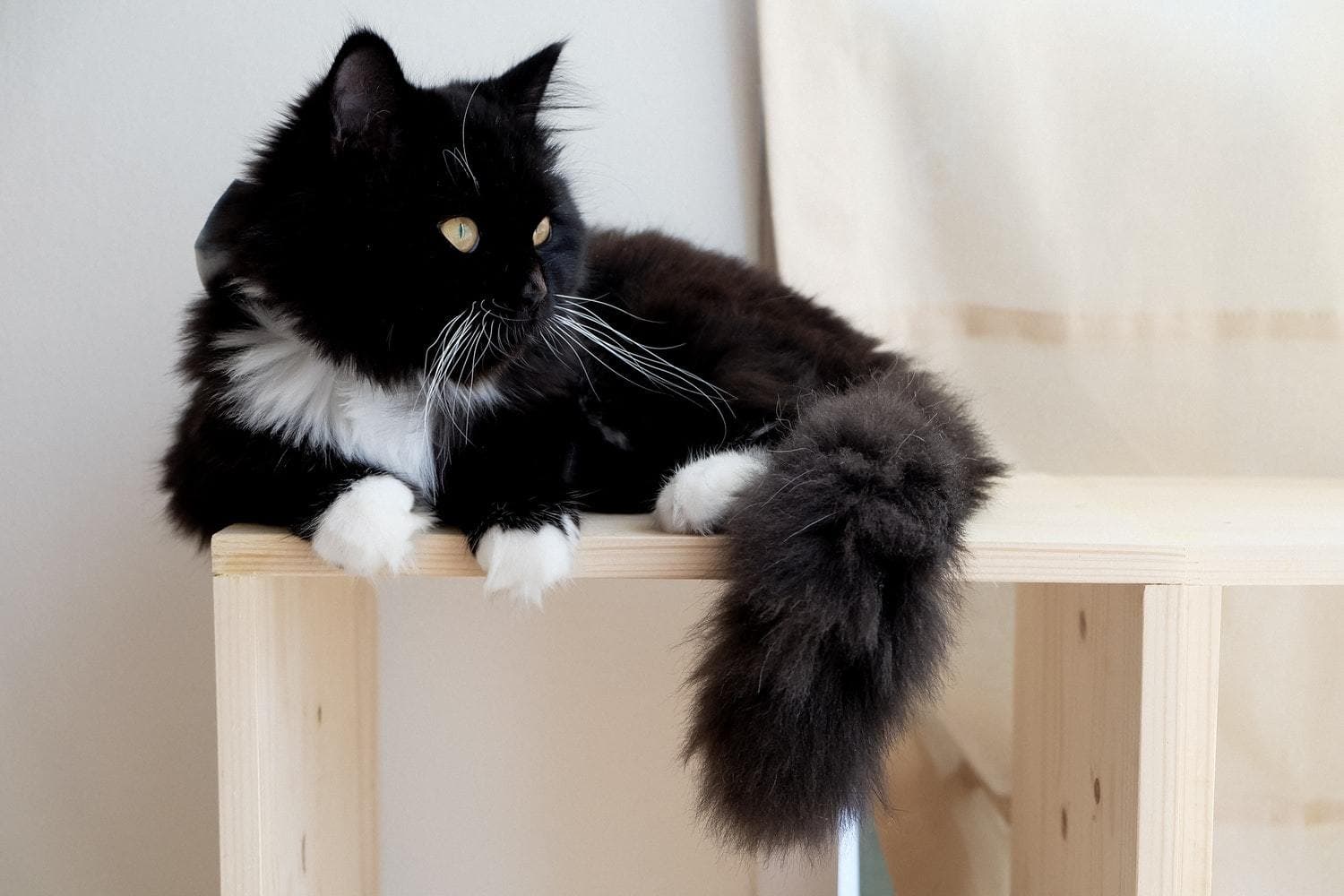
Did you know cats can have different blood groups? Here is what you need to know about blood groups in cats and why you really should know your letters!