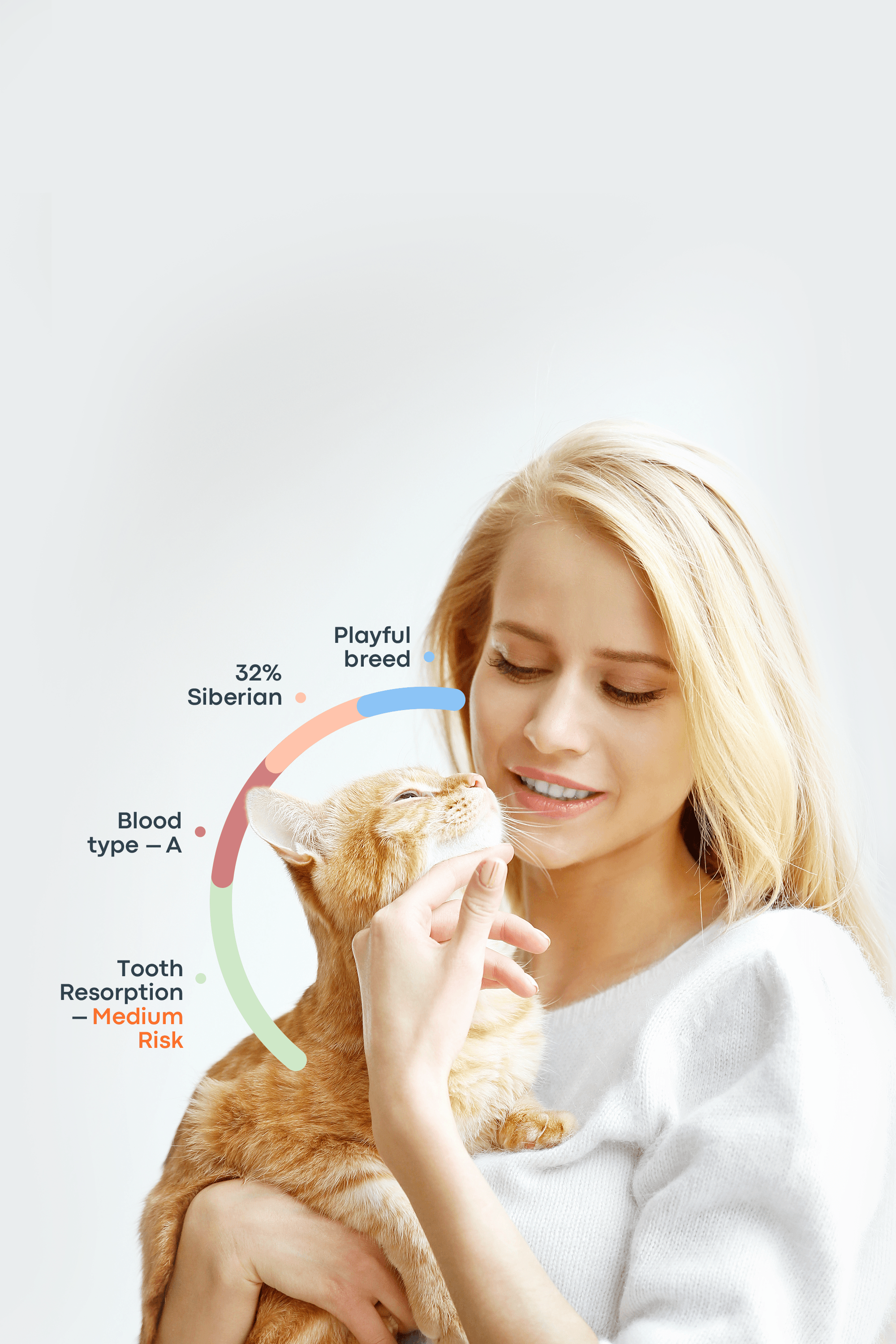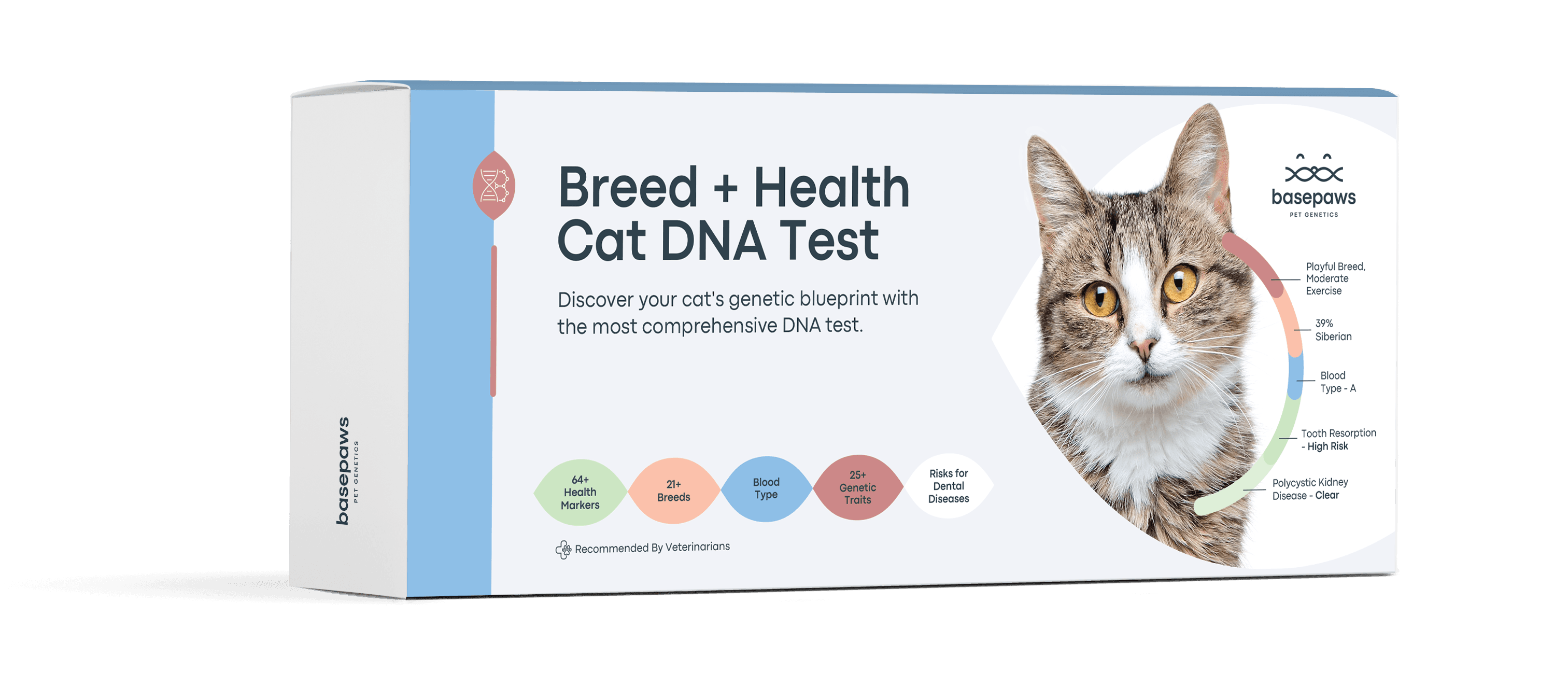
Don't know your cat's breed?
Get our DNA kit!
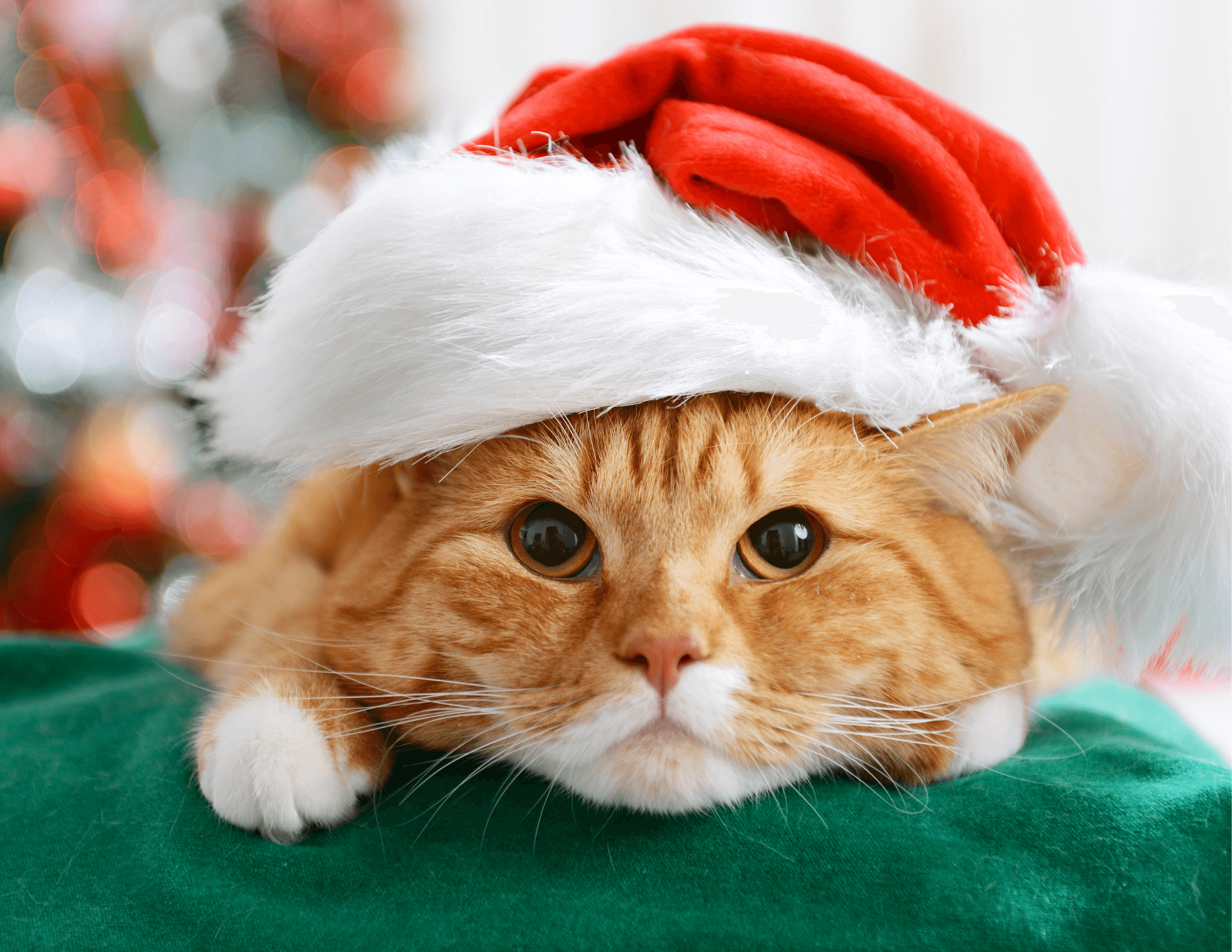
While 2020 may look a little different than holidays past, many of our traditions remain the same. Decorations, presents, and the gift of giving keep the season bright for all. But in all the celebrations and decorations lurk several dangers for pets. To help keep the holidays safe and bright, here are some tips for holiday safety.

From understanding what foods may be harmful to learning how to prevent injury and illness due to encounters with decorations, this article offers insights into winter holiday pet safety.
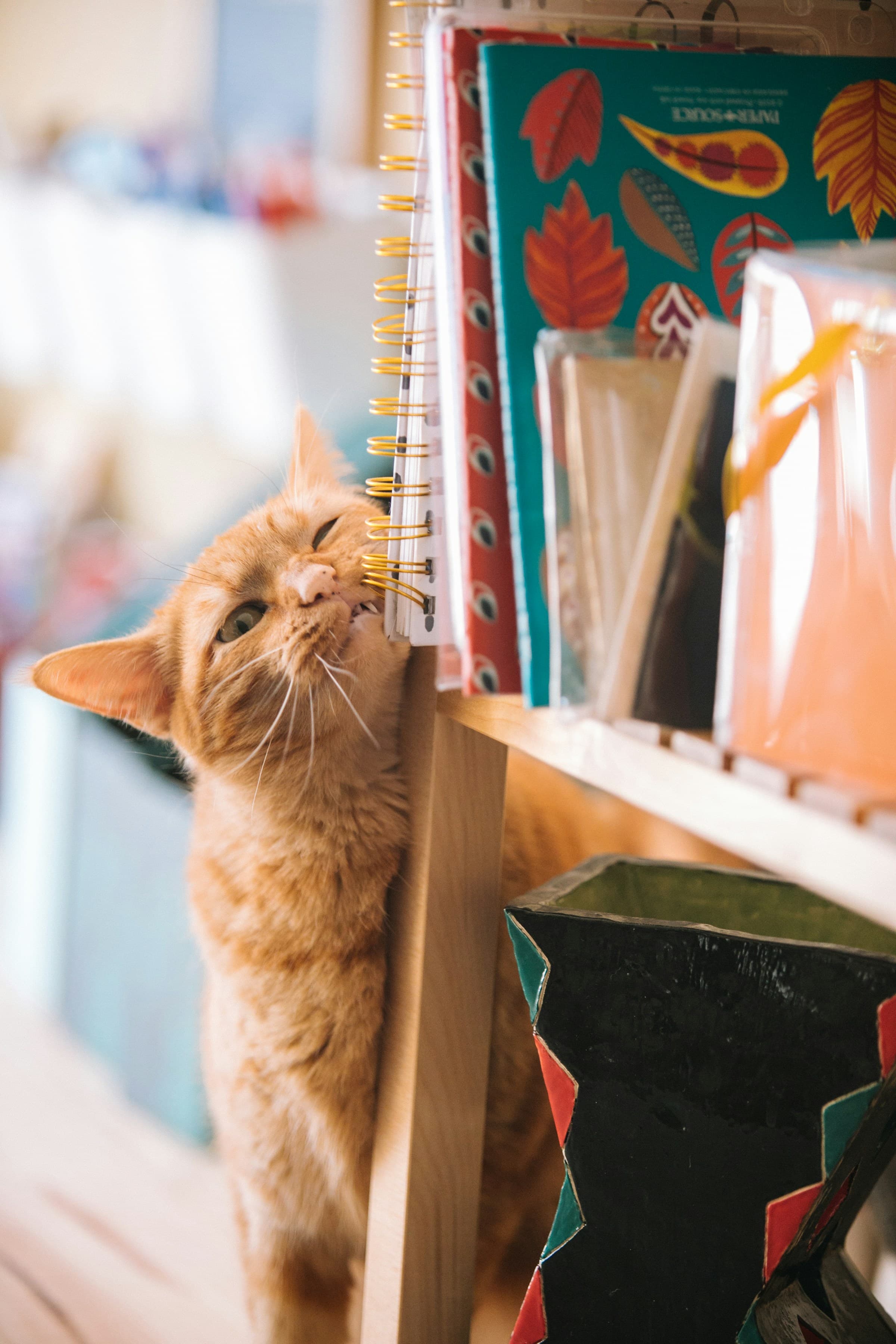
By taking your cat to the vet regularly, you’re not only helping them stay happy and healthy but also making sure you identify any potential health concerns as early as possible.

Amazon Prime Day is an yearly event where Amazon celebrates and spoils its Prime members by giving them deals on everything from top brands to small businesses. For pet parents who are looking to stock up and save on their cat’s essentials or buy that special something that has been at the top of their cat’s wishlist, the time is prime!
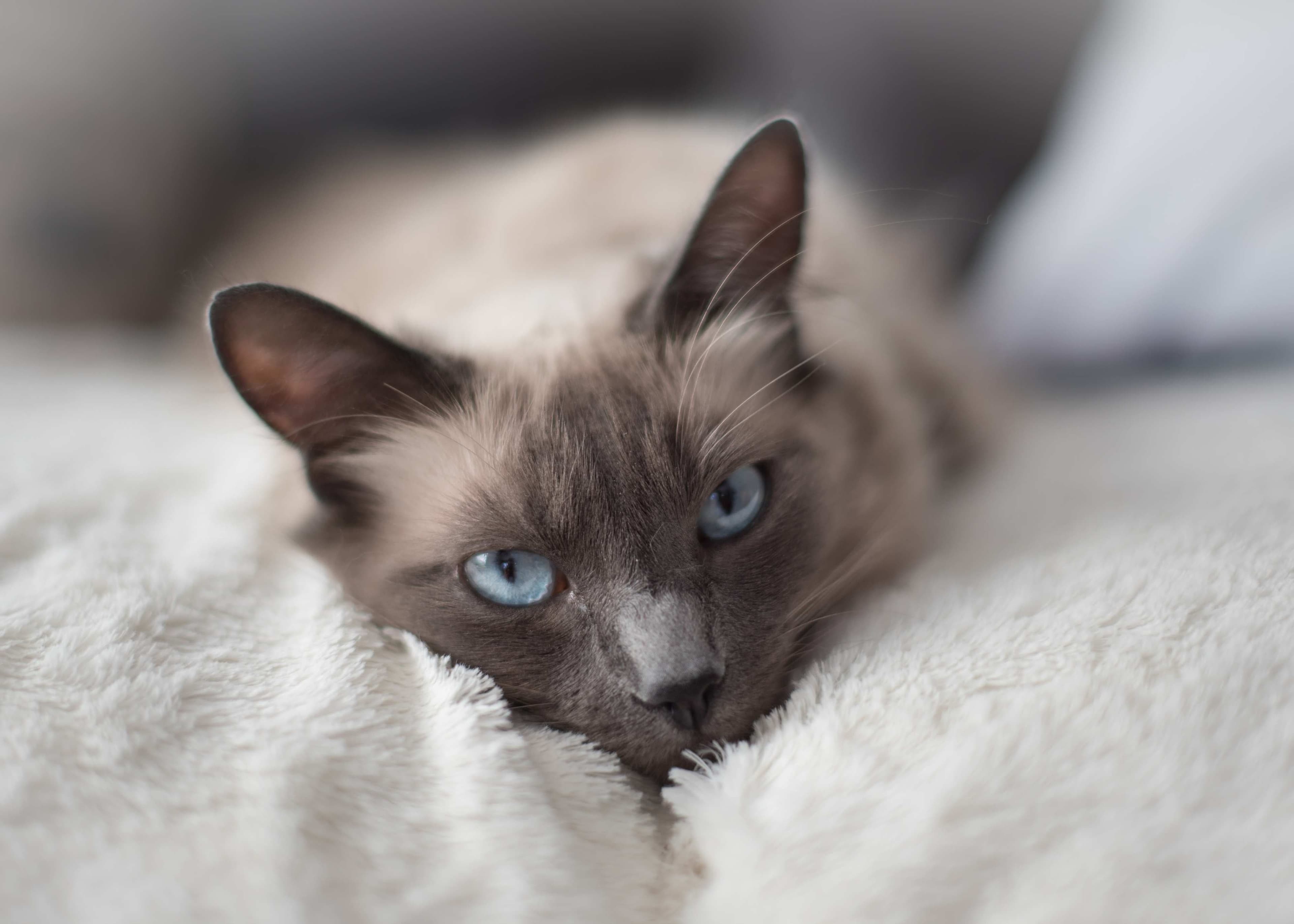
Diabetes in cats has increased by 18% over the past 10-years, and 1 out of every 230 cats today is affected by feline diabetes. But what are the causes, symptoms, and treatment options for feline diabetes? Read more in this blog post.
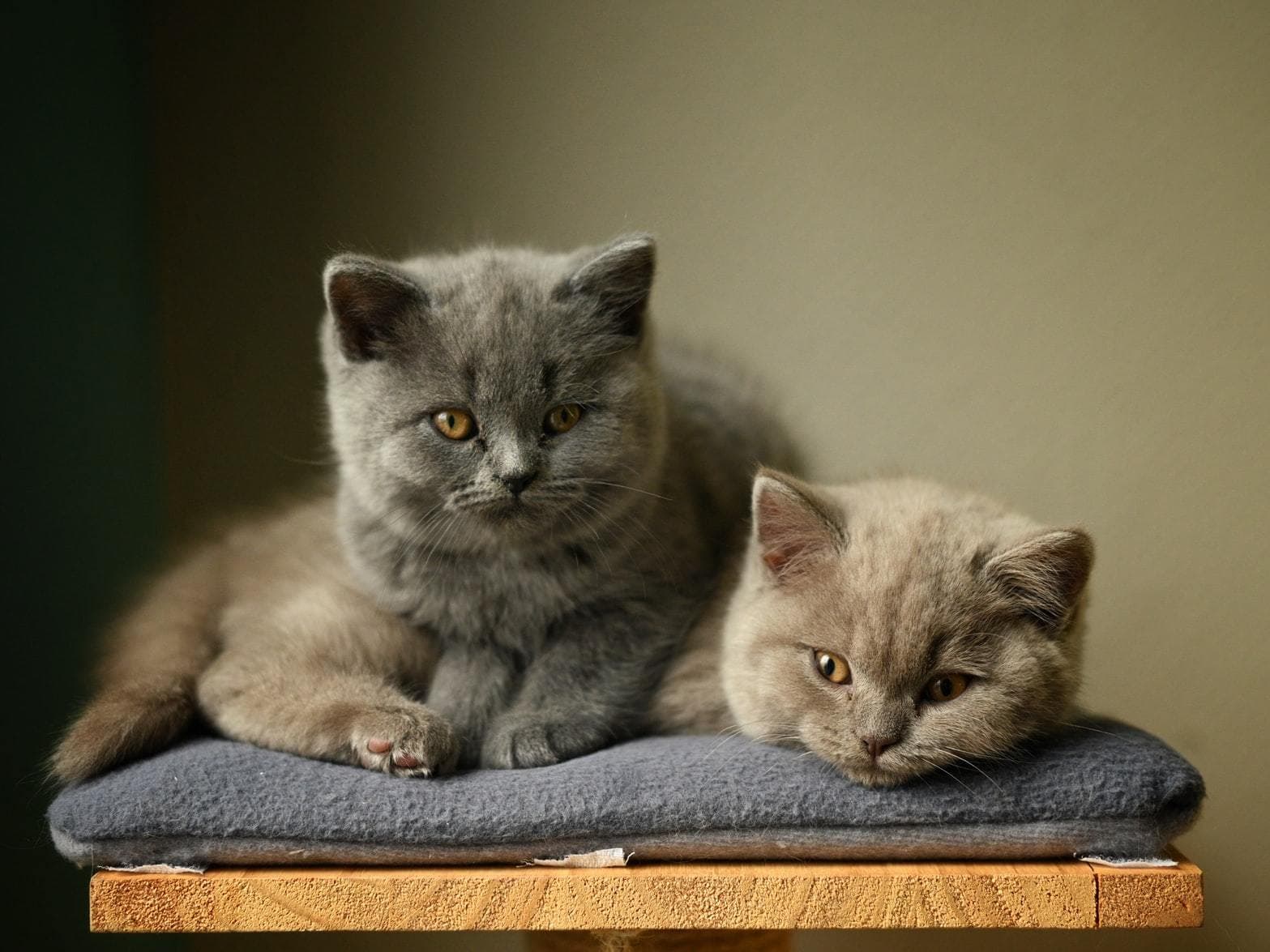
Autoimmune lymphoproliferative syndrome in cats is a lymphoproliferative disorder distinguished by massive enlargement of lymphatic nodes and spleen.
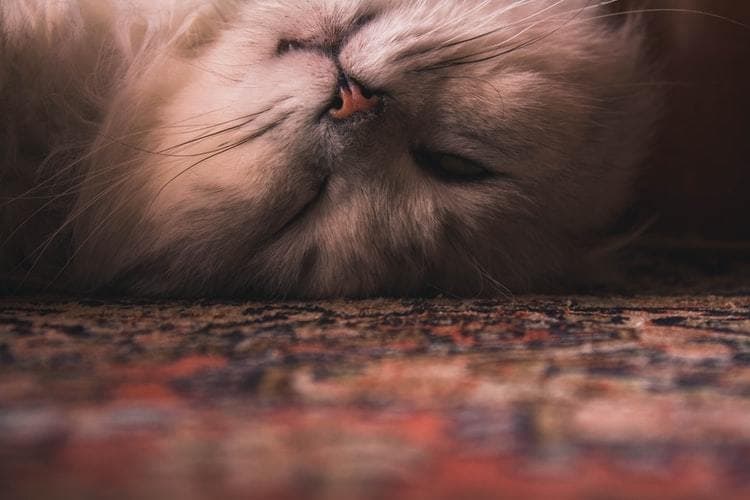
Brachycephaly in cats is a trait of skull bones shortened in length, giving the face and nose of a cat a "pushed in" appearance.
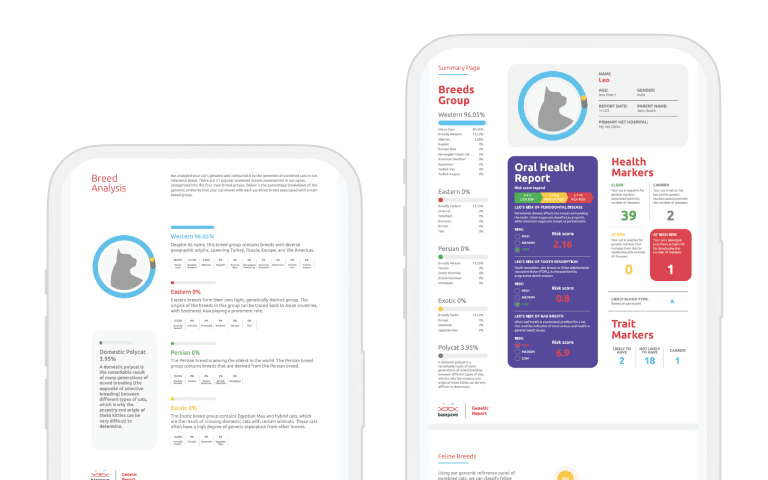
Enter your email to receive a sample cat report and preview the breed and health insights inside.