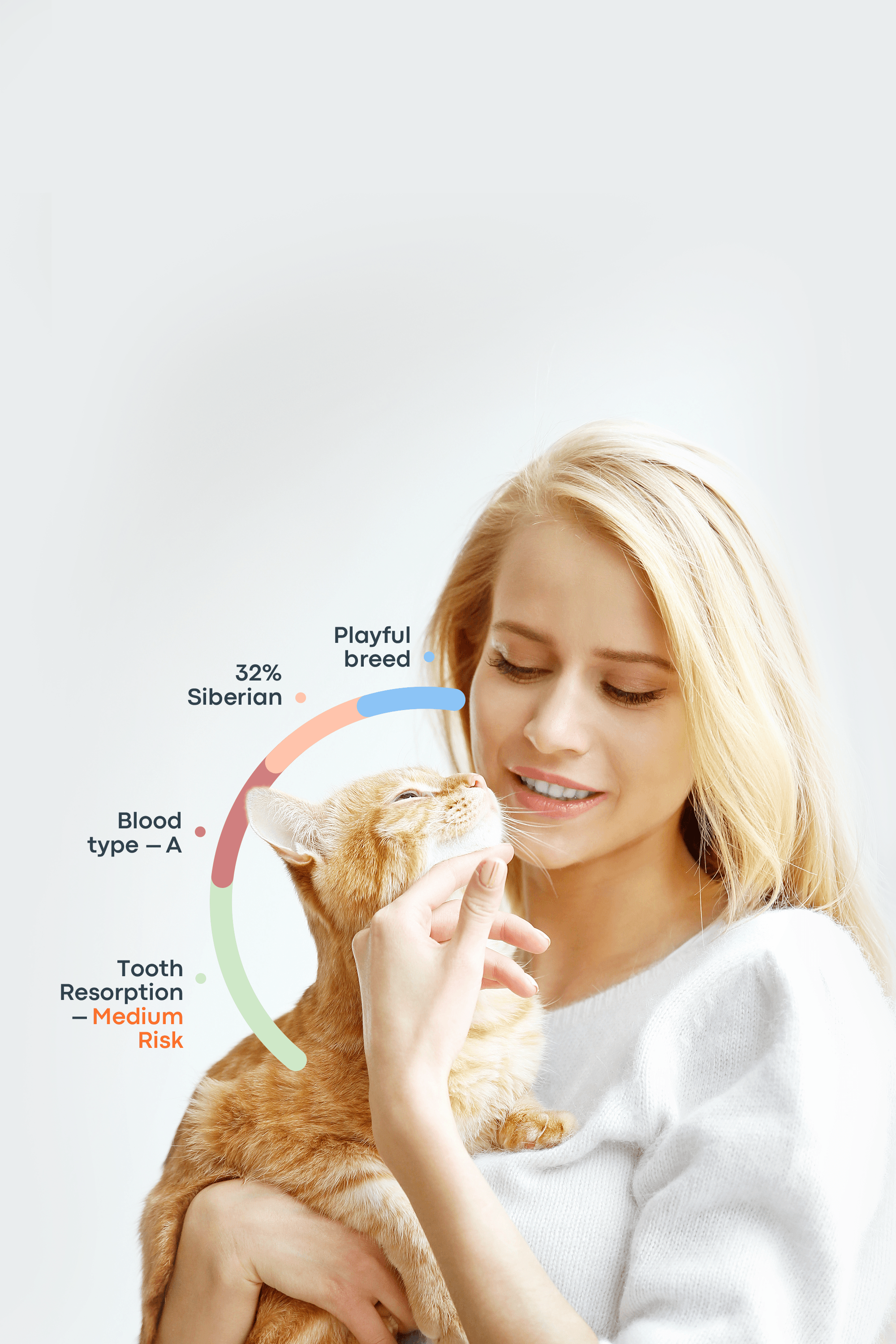
Don't know your dog's breed?
Get our DNA kit!

Keeping dogs safe means knowing which plants and foods they shouldn't eat. While dogs may be eager to sniff and sample everything in sight, certain plants and foods pose serious risks.
For instance, the ingestion of onions, garlic, and chives can lead to blood cell damage, while common garden plants like oleander, foxglove, and sago palm are highly toxic and can cause everything from gastrointestinal upset to severe cardiac issues. If your dog eats something harmful, it's important to get help from a vet right away.

We love spoiling our furry friends, especially on holidays, but what happens when the holiday treats are too tempting, and they take something from the table? That’s when holiday joy turns to anxiety, and we wonder if we need to call the vets! Let’s save you some anxiety - this is our quick guide to holiday foods pets can eat.
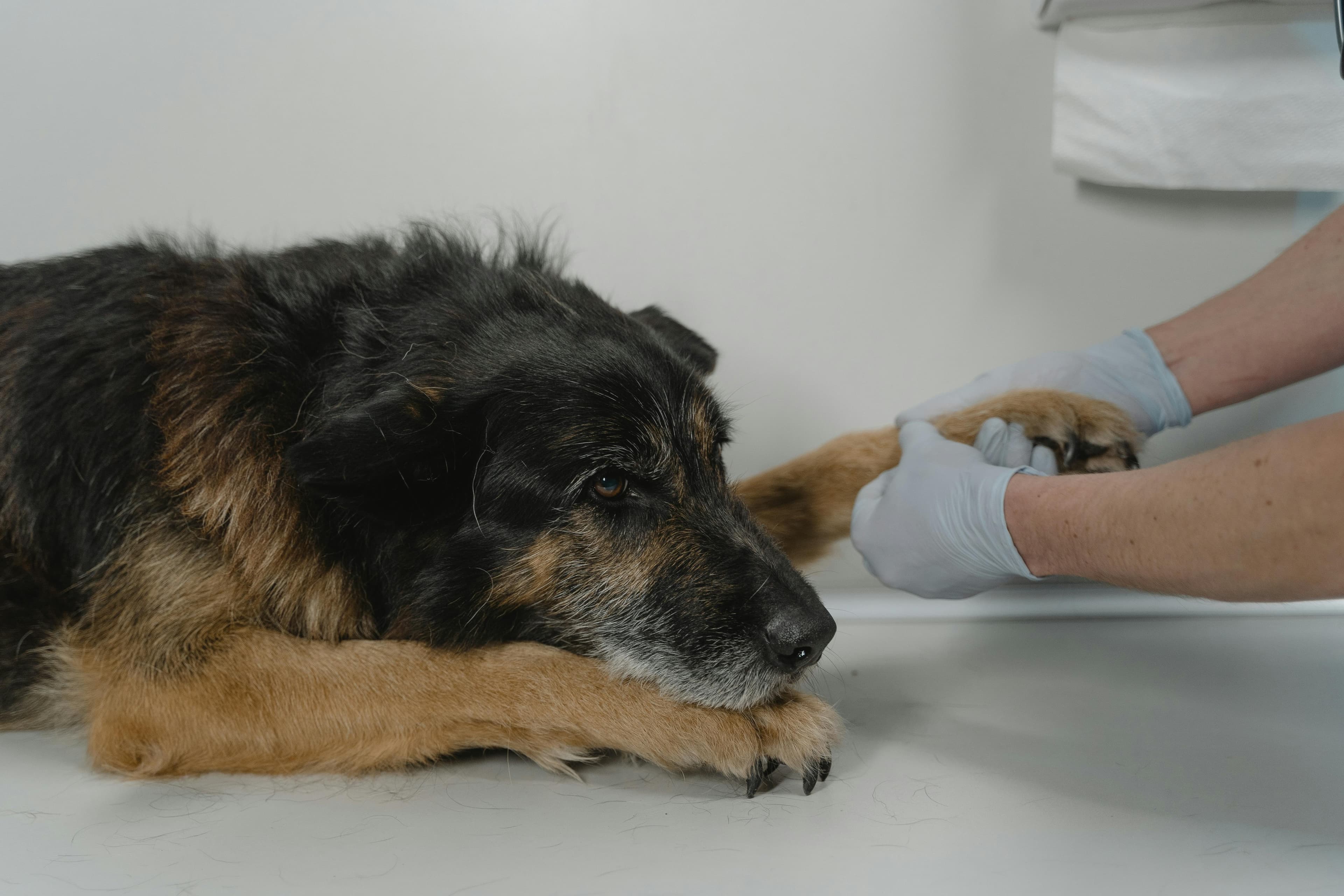
Noticing a mild limp in your dog? In many cases, it can be managed at home with rest, gentle care, and close observation. Knowing what to look for—and when to step in—can help prevent a minor issue from becoming more serious.

If your dog has an upset stomach, you’re in the right place. In this article, we’ll take a closer look at a topic that often doesn’t get enough attention: how to help a dog with digestive issues. We’ll cover common causes of stomach upset, when it’s time to call the vet, and what you can do at home to soothe your pup’s tummy.

The possibility of having to say goodbye to your dog is a heartbreaking reality every pet owner faces when they welcome a furry best friend into their life. But when is the right time to consider euthanasia? How do you know when that moment has come? These questions — and more — are answered here.

If you've noticed your dog dragging their rear along the floor, several underlying issues could be to blame. Common causes include impacted or infected anal glands, allergies, parasites, or digestive problems. Learn what’s behind your dog’s scooting behavior and how you can help relieve their discomfort.
Wondering if cinnamon is a safe treat for your dog — or a hidden danger? While this common kitchen spice offers some surprising benefits, it can also pose risks if used incorrectly. Read on to discover how to keep your companion safe while making the most of this popular ingredient.

Liver cancer is relatively uncommon in dogs, but understanding this condition can make a crucial difference to your pet’s health and quality of life. Because early symptoms are often subtle, knowing the warning signs, possible causes, how the disease may progress, and the available treatment options can help you act sooner and make informed decisions.