Don't know your dog's breed?
Get our DNA kit!
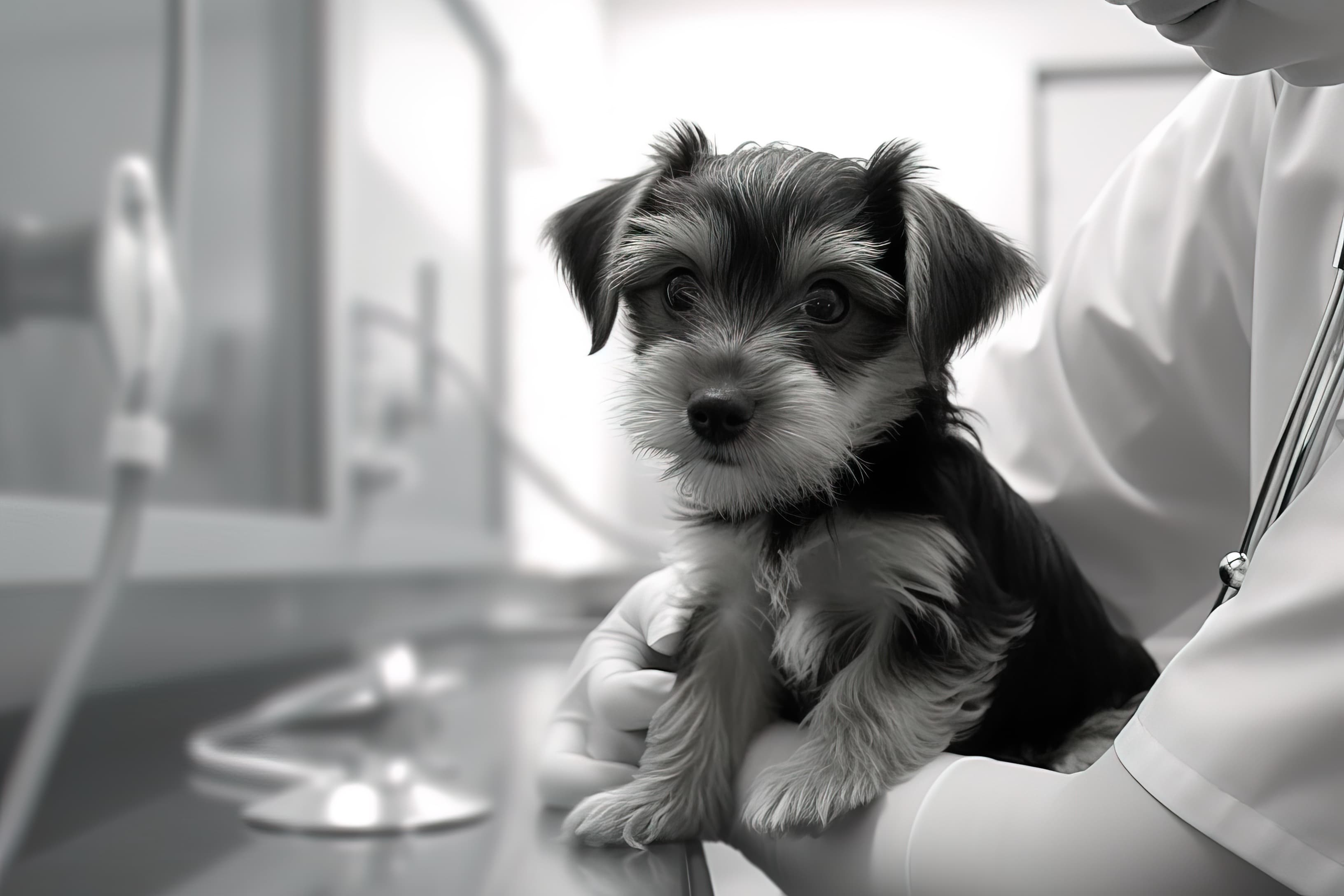
Wondering what a normal temperature for a dog is or how to know if your dog has a fever? This quick guide will explain how to check your dog’s temperature, what tools you’ll need, and when it’s time to call the vet. Keep reading to learn how to monitor your dog’s health and spot early signs of illness.
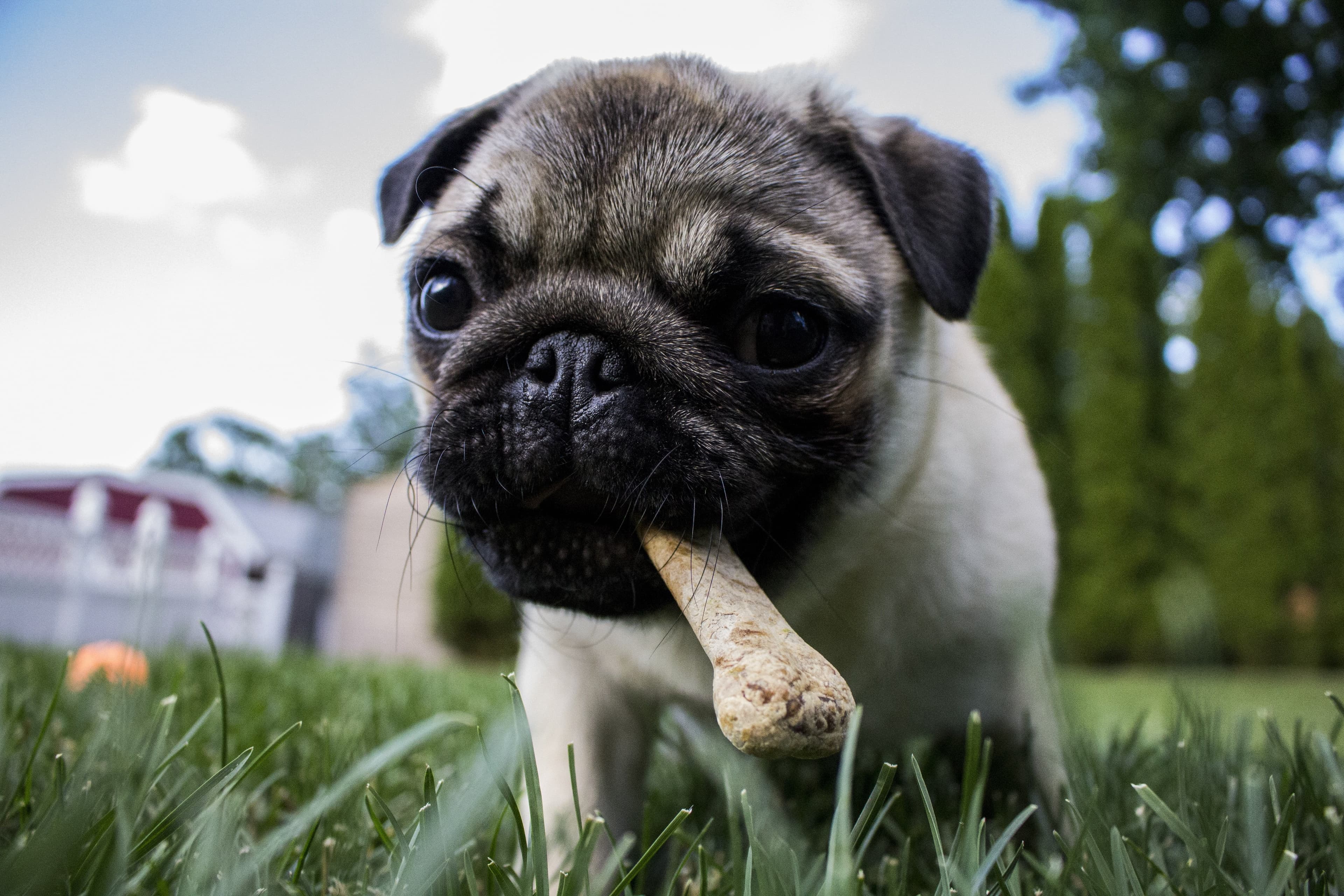
Thinking about tossing your dog a chicken bone? While raw chicken bones are generally safer, cooked chicken bones can pose serious health risks. From choking hazards to internal injuries, feeding your dog chicken bones—especially cooked ones—might do more harm than good.
In this guide, we’ll break down why chicken bones are risky, how to tell if your dog is in danger after eating one, and what safer alternatives you can offer instead.
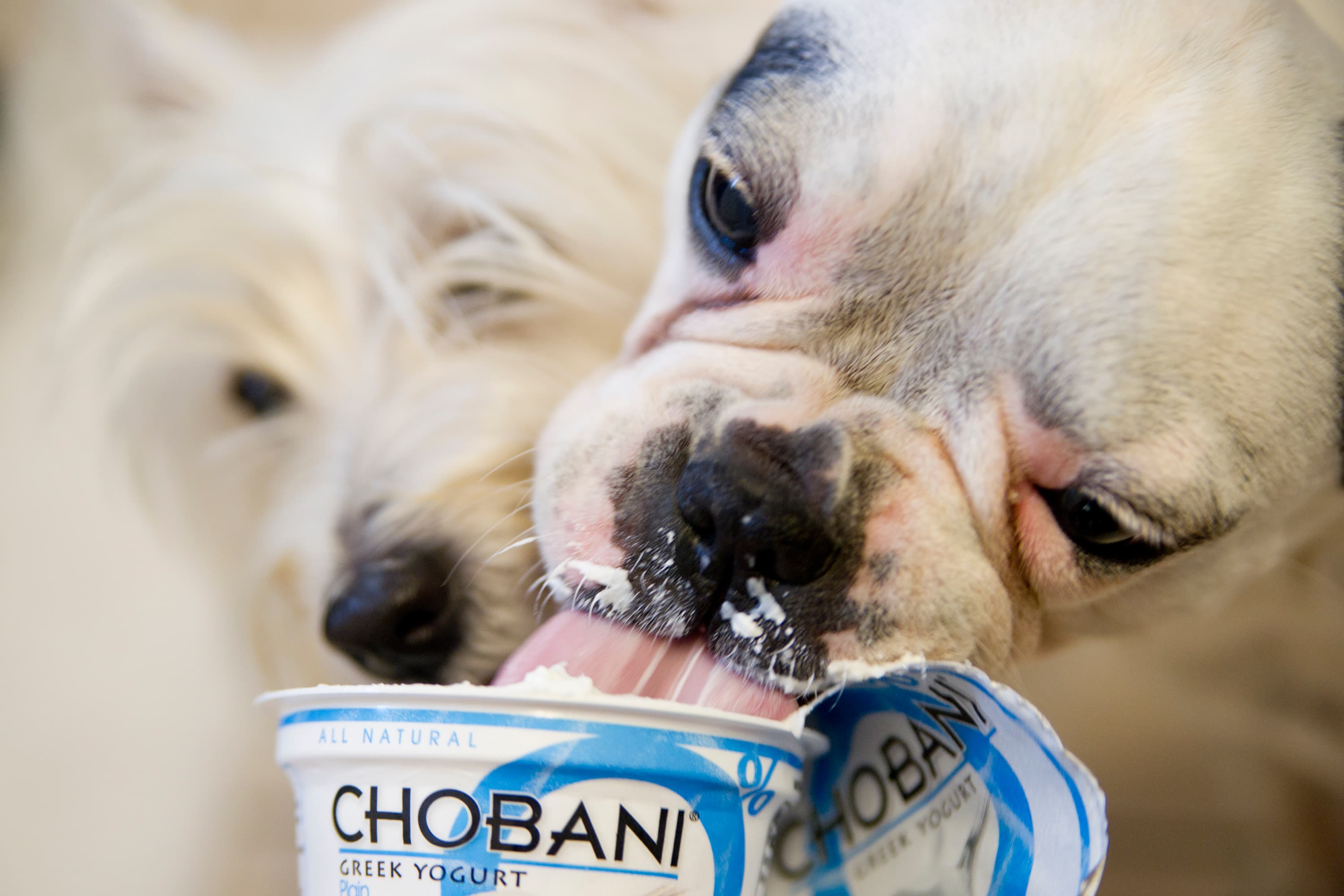
Greek yogurt is packed with protein and probiotics—but is it safe for dogs? Can all dogs enjoy this thick, creamy treat? Before you share a spoonful with your furry friend, it’s important to understand both the benefits and potential drawbacks of feeding Greek yogurt to dogs.

No one likes feeling anxious — but did you know your dog can experience anxiety, too? That’s right! Dogs can suffer from significant anxiety issues. This in-depth article explores the common causes, effective home remedies, and practical ways you can help your pet feel more at ease.
Dog separation anxiety training isn’t about forcing independence overnight. Instead, it focuses on helping your dog feel safe and secure when you’re not around. Effective training uses gradual departures, predictable and calm routines, and confidence-building exercises to reduce anxiety at its source. Pairing training with enough physical exercise, mental stimulation, and, in some cases, guidance from a qualified trainer or veterinarian can further improve outcomes and support long-term emotional well-being.
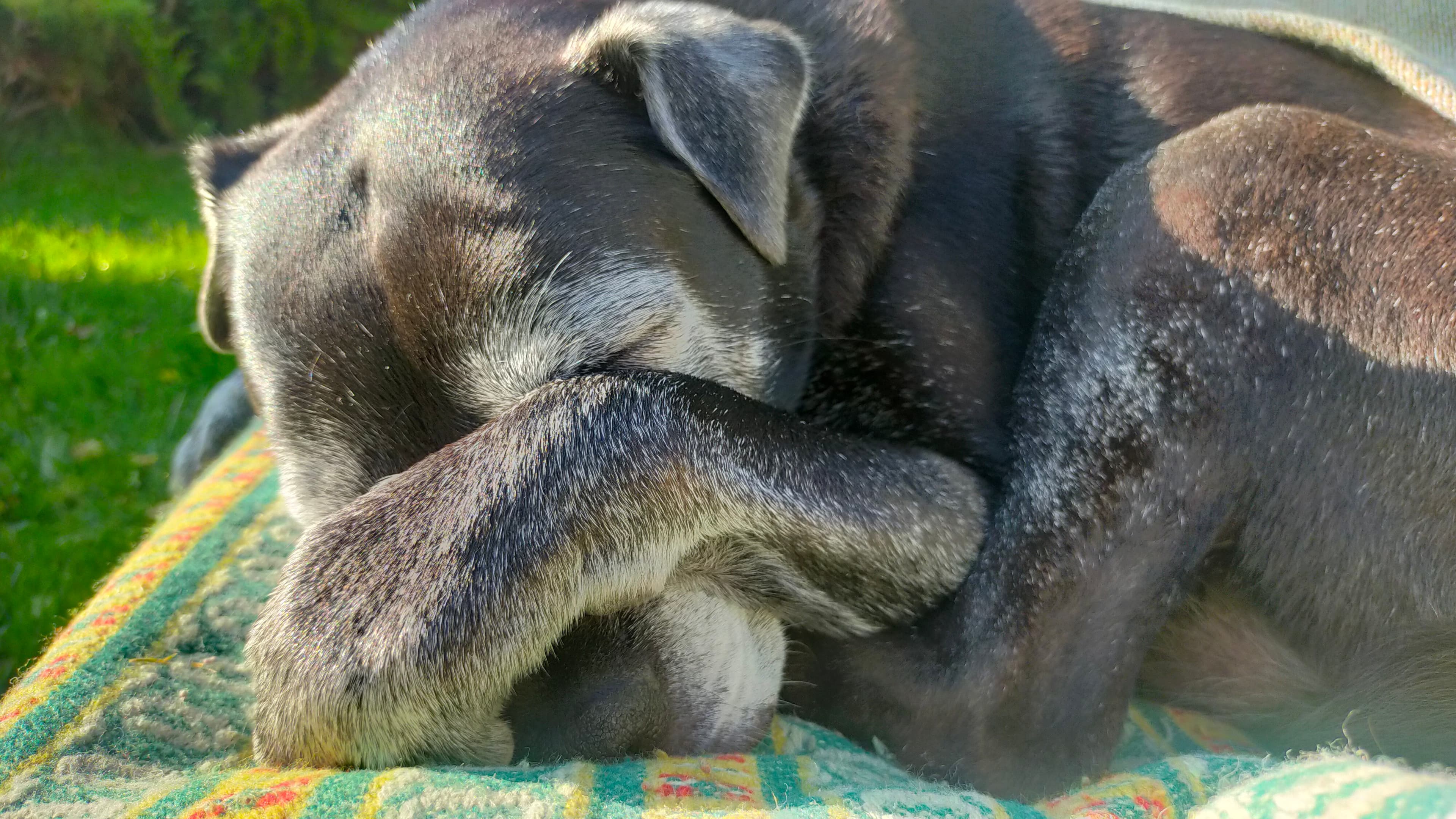
Cloudy eyes in dogs can sometimes be a normal part of aging, but they may also signal underlying eye conditions such as cataracts, dry eye, glaucoma, or other serious eye diseases. Understanding what’s causing the cloudiness is essential for protecting your dog’s vision and overall eye health. This guide explains what cloudy eyes in dogs look like, which symptoms may be monitored or managed at home, and when it’s important to contact your veterinarian for an exam and treatment.
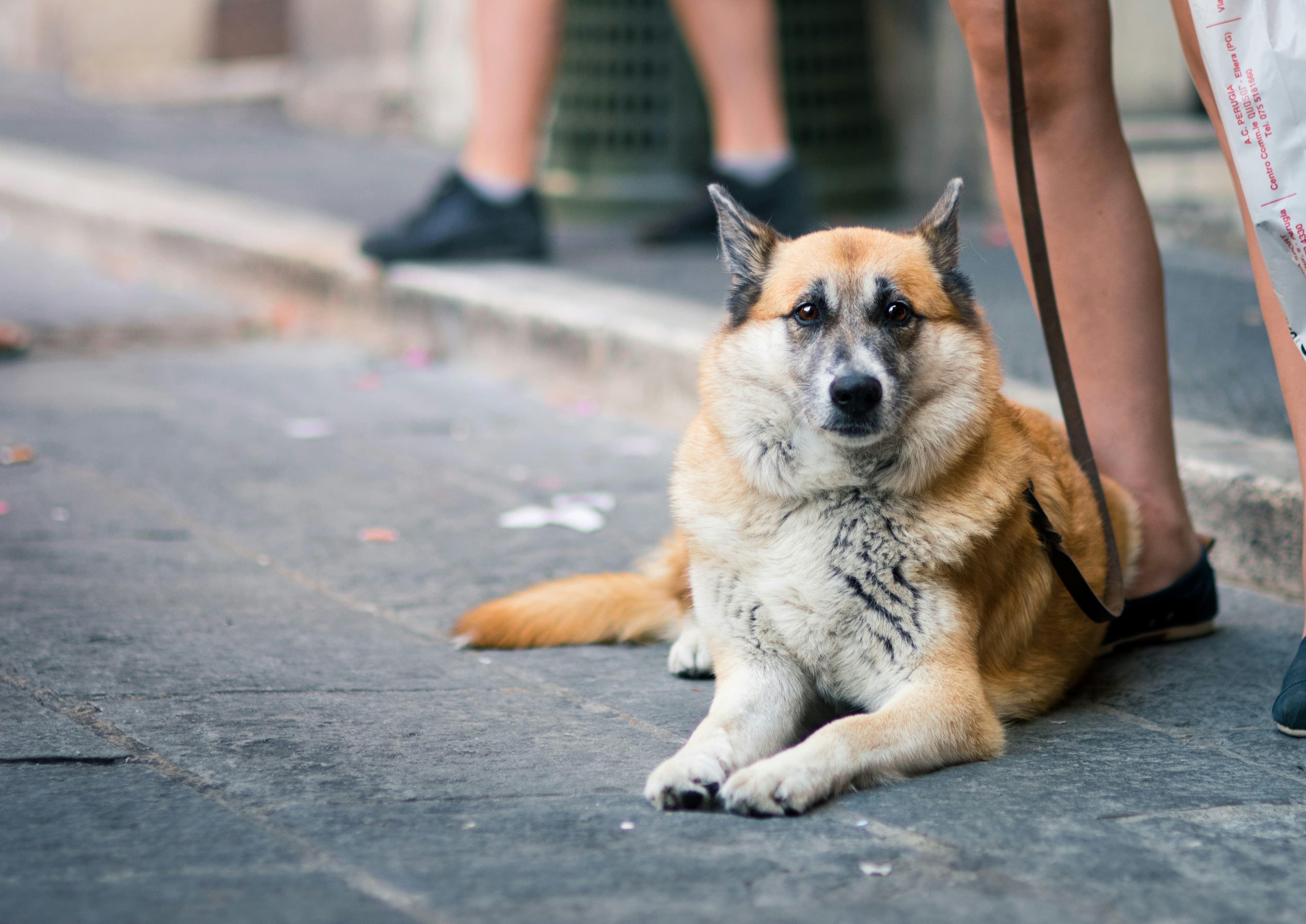
Short spine syndrome in dogs is an extremely rare congenital condition in which the spine develops abnormally, resulting in a noticeably shortened back and a very short or almost absent neck. This gives affected dogs a compact, distinctive appearance, often with the head appearing to sit directly on the shoulders.
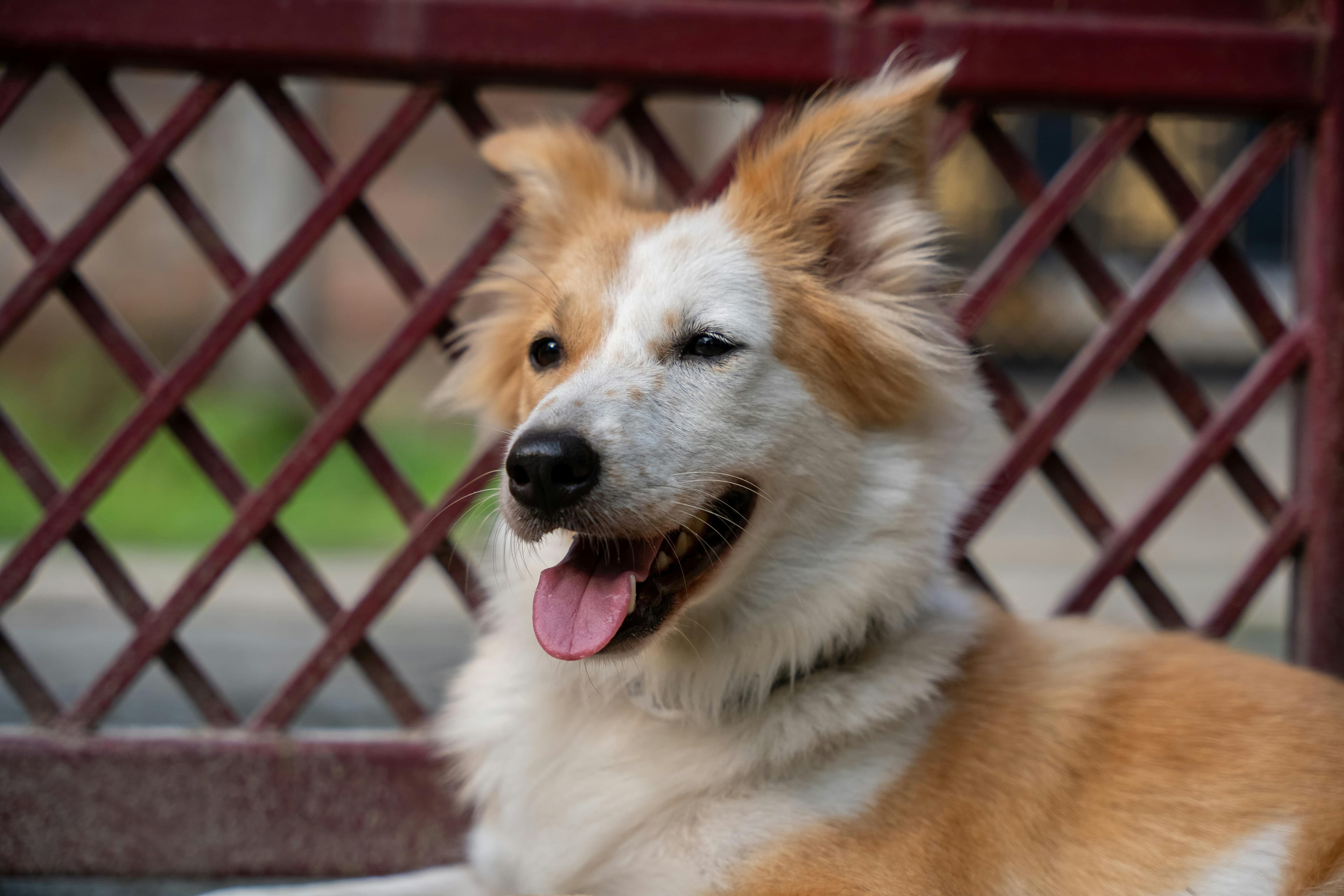
Dogs often pant to cool down after exercise or when they’re feeling warm, so seeing this during the day is usually normal. Panting at night, however, is less common and can be more noticeable, which is why it often worries dog owners. So why do dogs pant at night? Is it always a sign that something is wrong, and what can you do to help? Let’s take a closer look.