

Dog

Ear Mites in Dogs
Ear mites in dogs are tiny parasites that cause itching, irritation, and discomfort. If left untreated, they can lead to painful ear infections. The good news is that they are treatable with the right care. This guide explains how to spot ear mites, treat them, and prevent them from coming back.
Read more



How to Keep Dogs Off the Couch
Dogs love to lie on our beds and sofas but it is not ideal for some people. Any pet owner who dislikes this behavior needs to learn why that happens and how to teach the dog not to do it.
Read more
Dog Body Language
While dogs have this exceptional superpower to read our emotions, sometimes, you may struggle as a dog owner to read and understand your dog's body language. Do you want to understand your dog's behavior? Read on to find out more about canine body language.
Read more

Can Dogs Eat Radishes?
Radishes are popular vegetables that offer numerous nutritional benefits to humans while being low in calories. If you have caught your dog eyeing you devouring radishes, sharing a small piece of these vegetables with them is absolutely safe. However, remember to appropriately prepare radishes for your beloved pet and avoid tossing the whole vegetable their way.
Read more

Xylitol and Dogs
Xylitol is a sugar substitute found in various products that are safe for humans but are extremely toxic to dogs. If you’re wondering why, let’s dive in and learn what makes xylitol toxic to dogs, immediate actions if your dog ingests it, and ways to prevent and manage xylitol poisoning in your dog.
Read more

Can Dogs Eat Sausage?
Are you thinking about giving your dog a sausage snack? Read on and understand when you can let them have a nibble of it, which is usually when they are unseasoned. The article also explains what you should do if your dog has eaten an unhealthy amount of sausage and healthier alternatives.
Read more
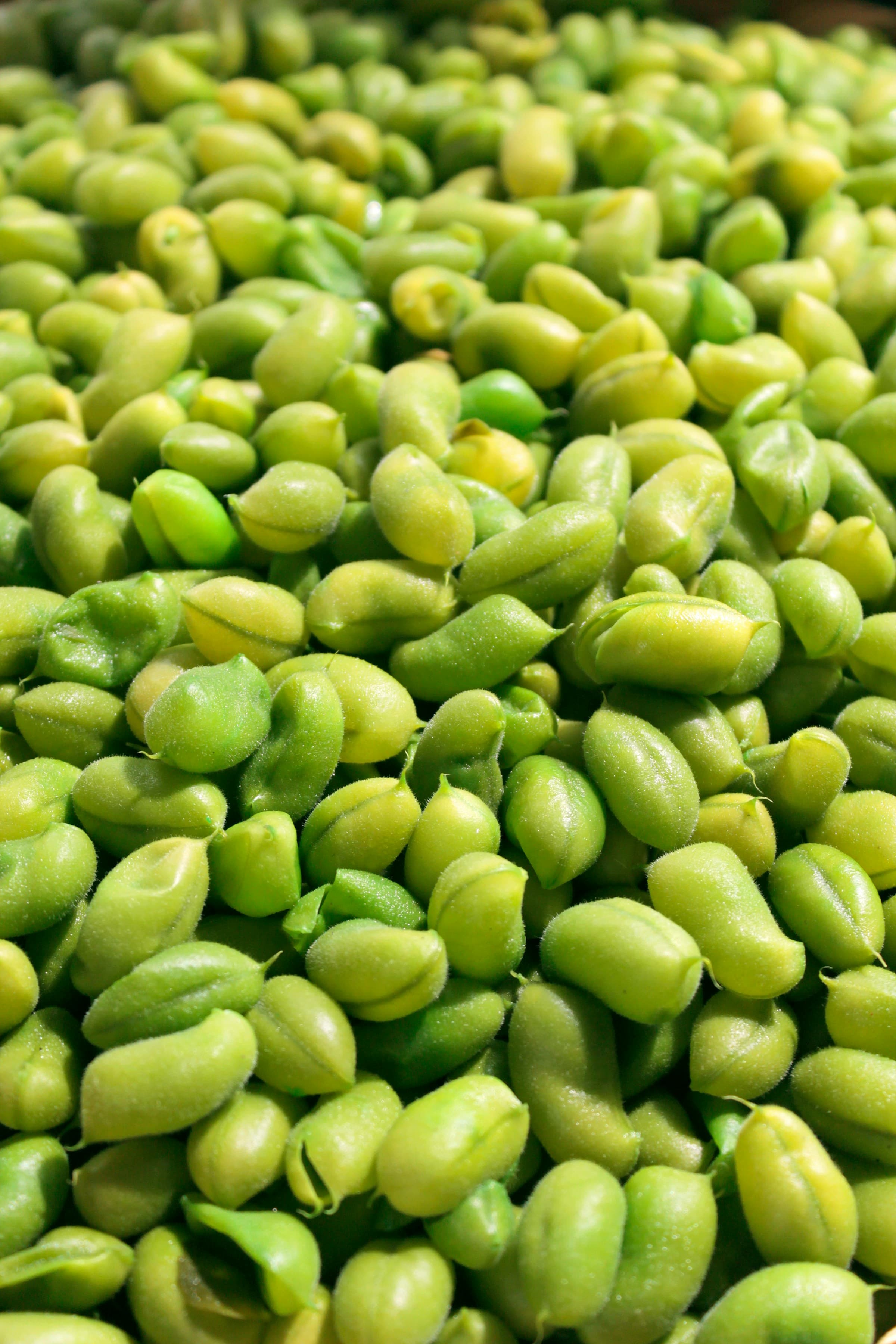
Can Dogs Eat Edamame?
Snacking on edamame and want to share with your dog? Yes, you can easily do it. Edamame is perfectly healthy for them. Just remember to keep it simple. There is a good chance of an allergic reaction if you give them too much edamame right away.
Read more
Can Dogs Eat Quinoa?
Originally from South America, quinoa is a type of edible, whole grain that's gluten-free. In this guide, we show you the benefits and potential risks of feeding quinoa to your dog.
Read more